Inline-six engines powered some classic cars with smooth, torquey performance that rivaled V8s. In the 1960s to 1990s, these machines delivered power and refinement without the extra cylinders. Here are eight cars with inline-sixes, complete with specs and details, that proved a V8 wasn’t always necessary for serious speed and style.
1964 Pontiac Tempest LeMans
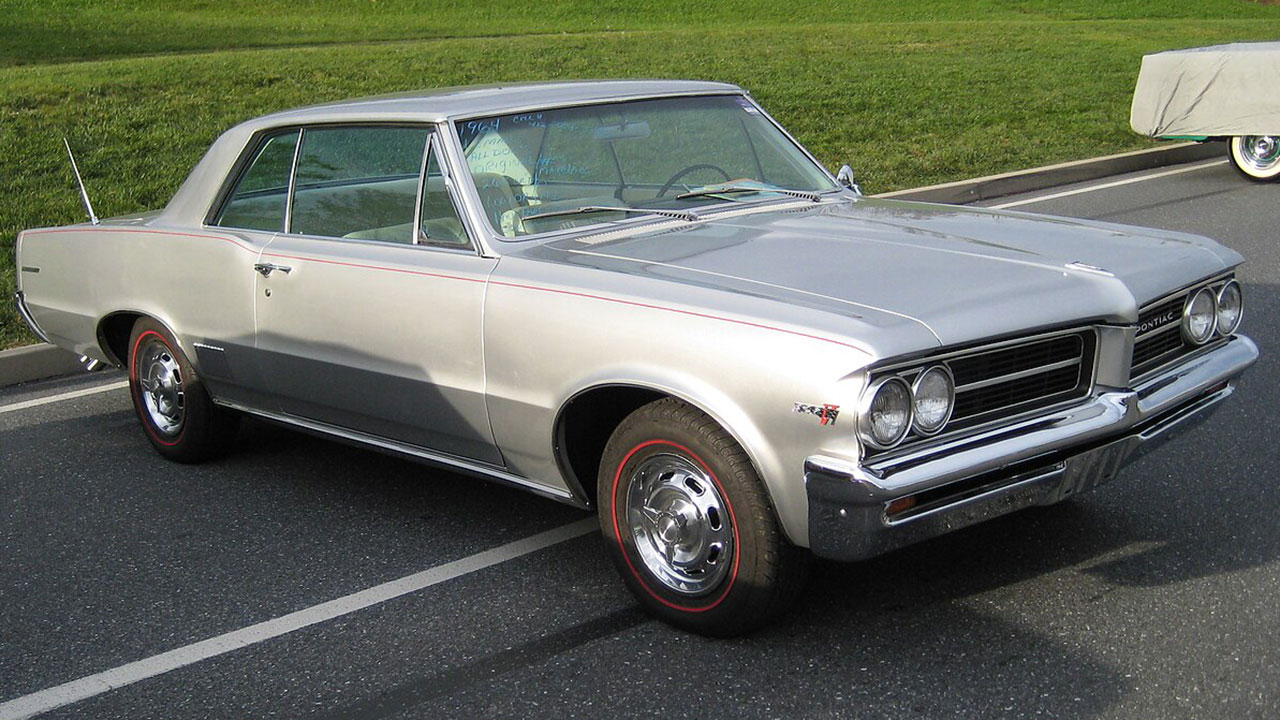
The 1964 Tempest LeMans could be had with a 215 cu in (3.5 L) inline-six rated at about 140 hp. This engine used an overhead-cam design, unusual in U.S. cars at the time, and made torque comparable to small V8s. With a 115-inch wheelbase and a curb weight near 3,100 lb, it could run 0–60 mph in roughly 10 seconds. Interiors featured vinyl benches or optional buckets with a sporty dash layout.
1967 Ford Falcon Sprint
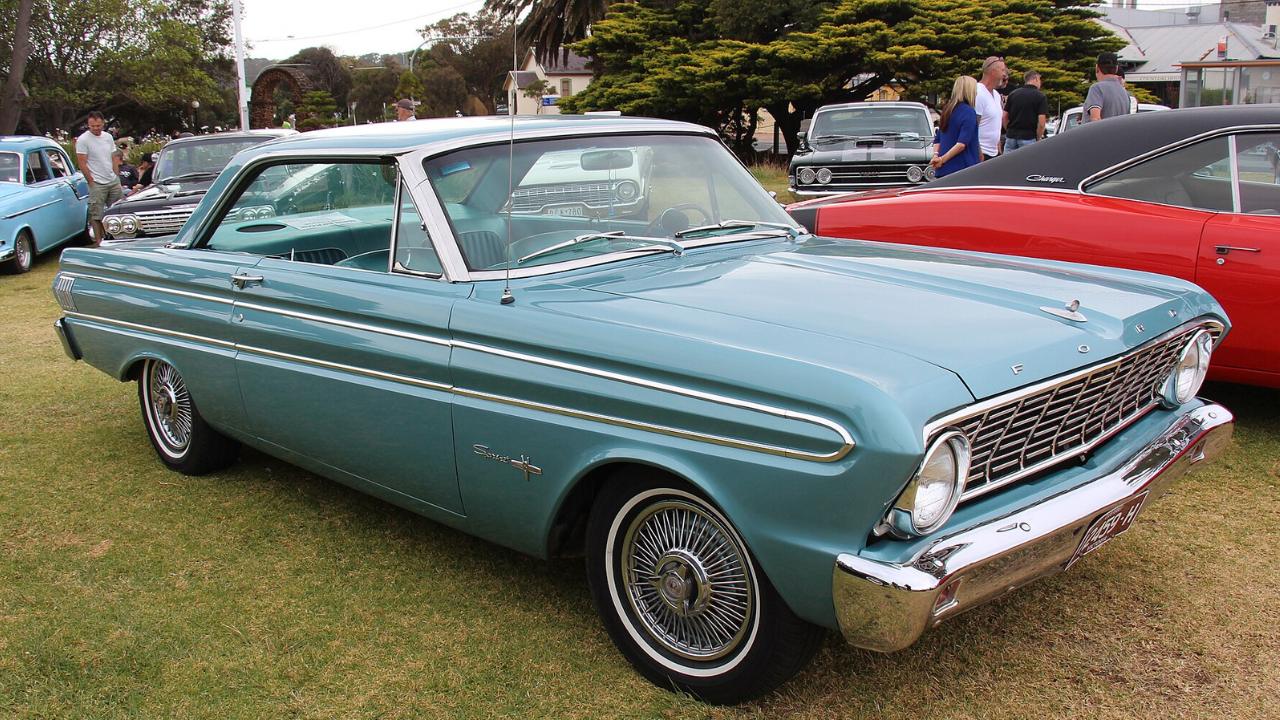
While the Falcon Sprint name is often associated with V8s, some ’67 Falcons used Ford’s 200 cu in (3.3 L) inline-six, producing around 120 hp. This lighter engine gave decent economy and still moved the 2,800 lb car to 60 mph in about 12 seconds. The 110.9-inch wheelbase kept handling nimble for the era, and Sprint trims included bucket seats and a console. Production for six-cylinder Falcons was far higher than V8s, but the Sprint badge itself was rare in six-cylinder form.
1969 Chevrolet Nova
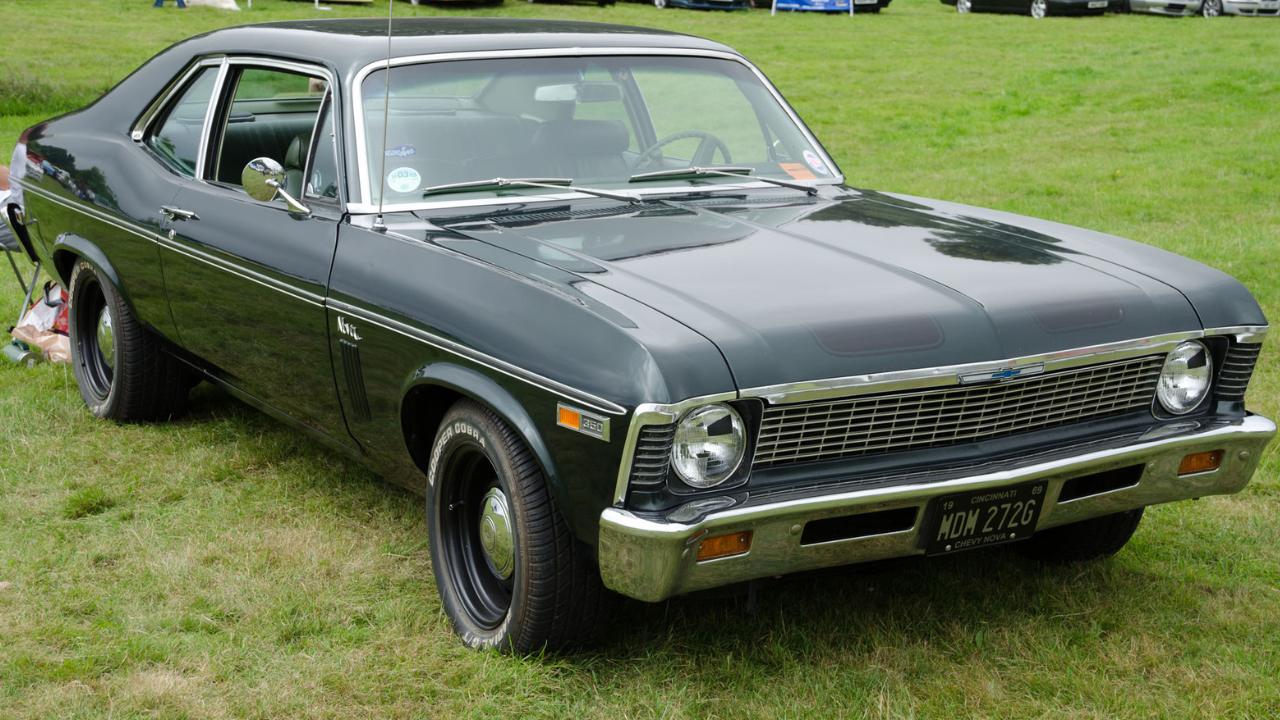
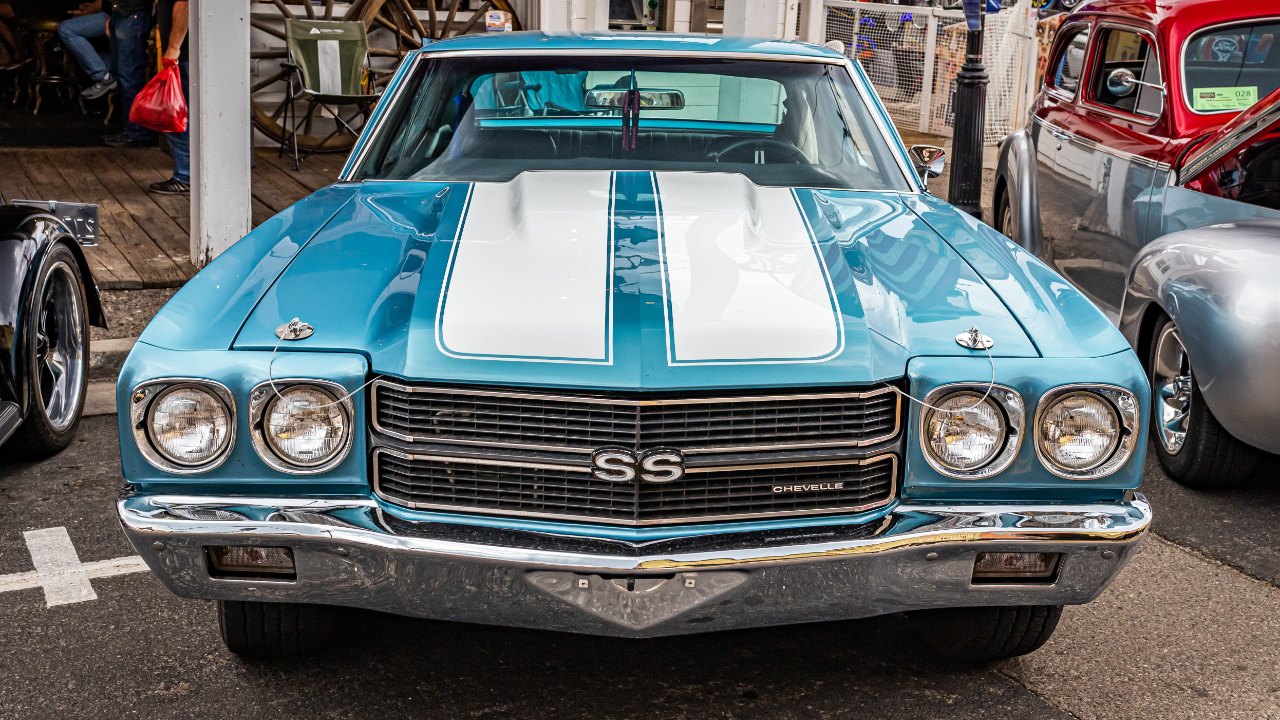
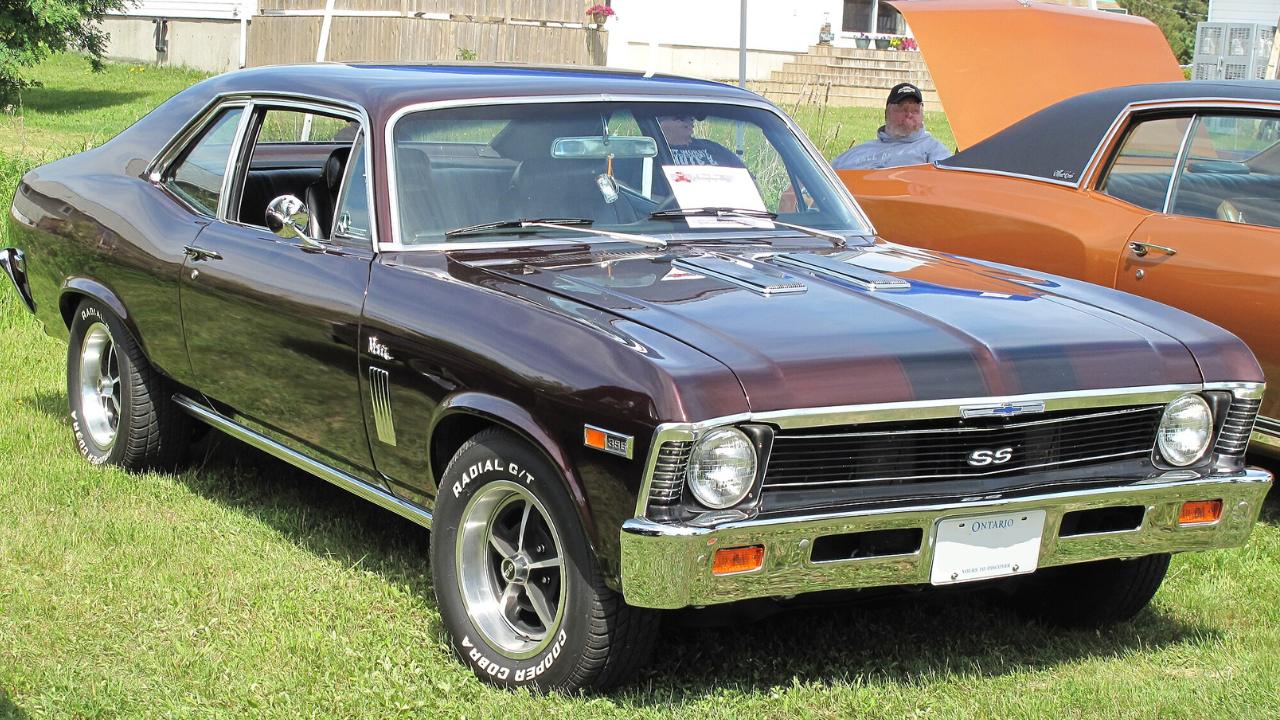
The base 1969 Nova could be ordered with a 230 cu in (3.8 L) inline-six rated at 140 hp (Yes, we know, that is a v-8 car pictured here). That was enough for 0–60 mph runs of about 10 seconds and a top speed near 105 mph—right in line with some small V8s of the time. The Nova’s 111-inch wheelbase and roughly 3,000 lb curb weight gave it a solid ride without feeling heavy. Interiors were simple, with a bench seat and column shifter unless upgraded.
1972 Datsun 240Z
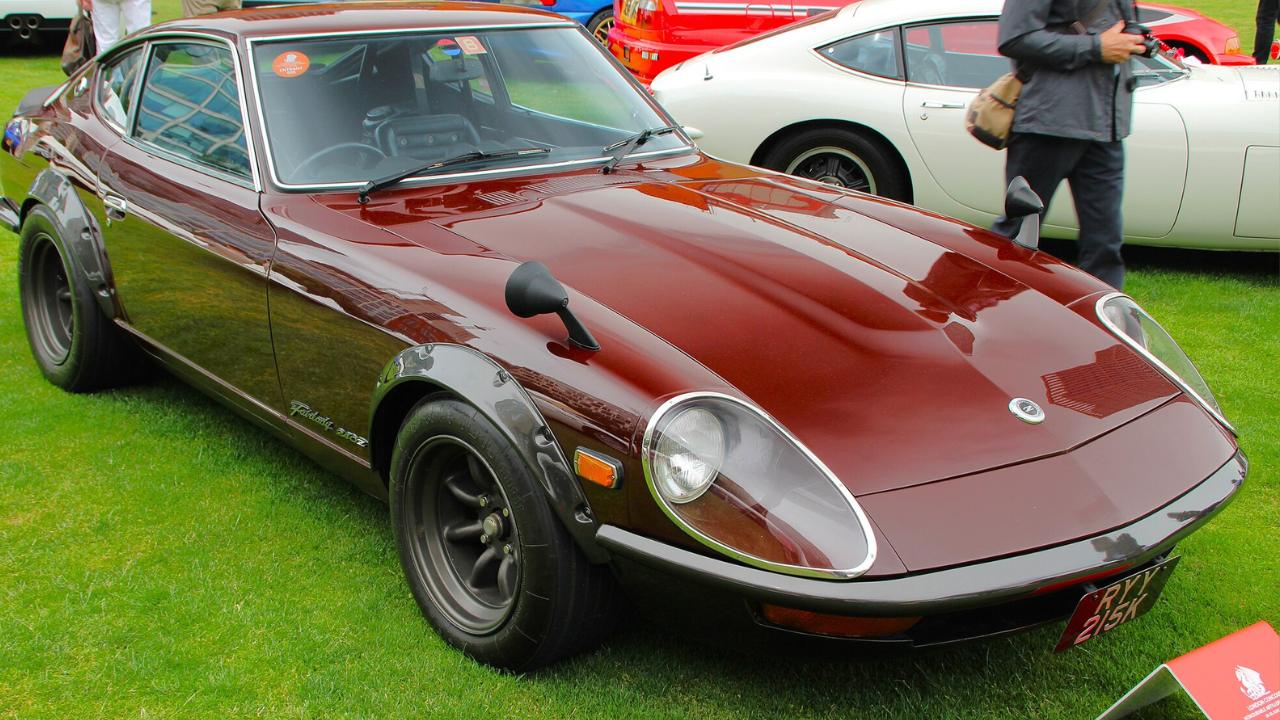
The ’72 240Z carried Nissan’s 2.4 L L24 inline-six, making 151 hp (SAE gross). With curb weight just over 2,300 lb and a short 90.7-inch wheelbase, it could sprint 0–60 mph in about 8 seconds and top out around 125 mph. The cabin offered low-back bucket seats, a three-gauge center stack, and a wood-rim wheel.
1987 Jeep Cherokee XJ
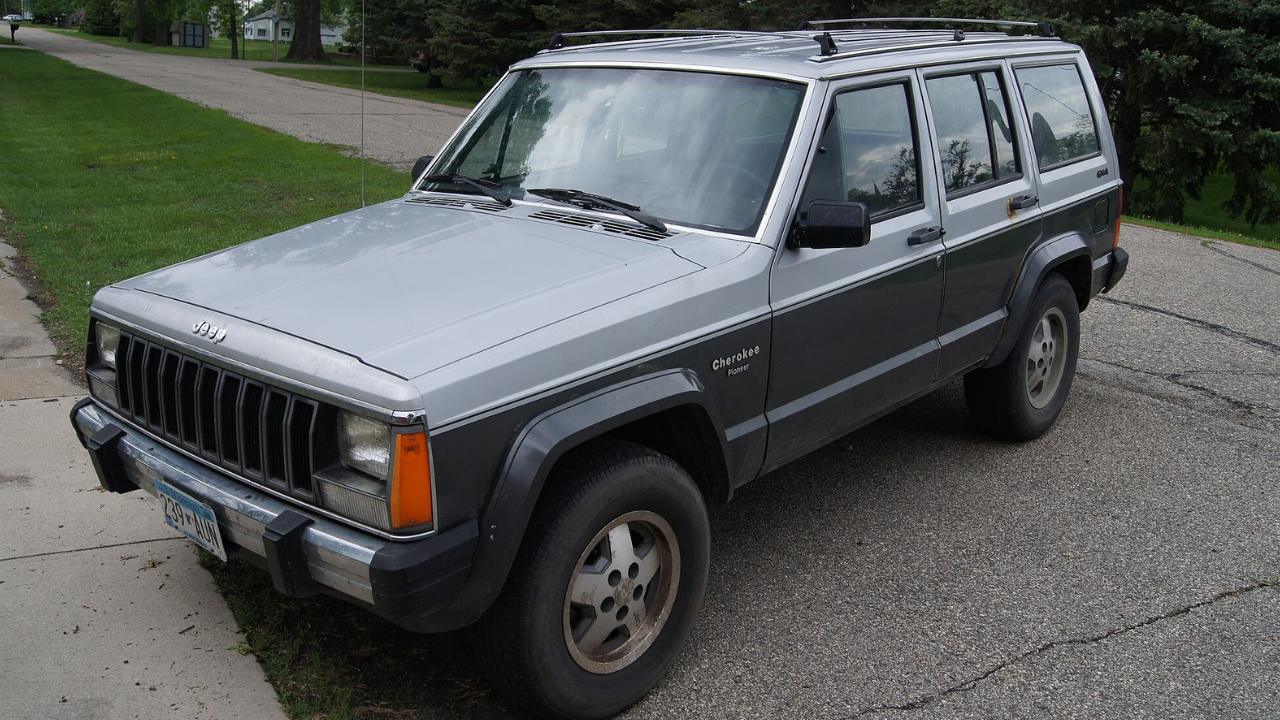
Jeep’s 4.0 L inline-six debuted for 1987 in the Cherokee XJ, producing 177 hp and strong low-end torque. The 3,200 lb SUV could hit 60 mph in roughly 9 seconds—quick for its class—and reach about 115 mph. A 101.4-inch wheelbase made it maneuverable off-road and in town. Interiors ranged from basic cloth and vinyl to upgraded trims with full gauges.
1991 BMW 325i (E36)
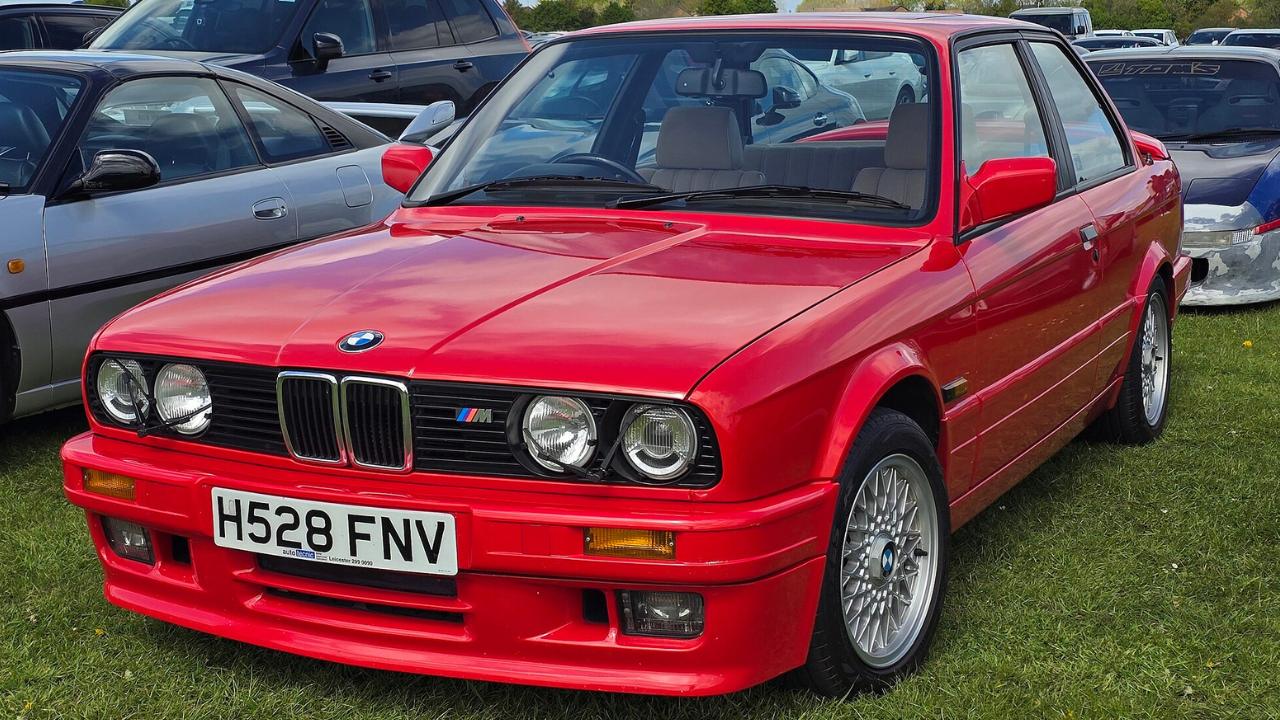
The 1991 BMW 325i used the M20B25 2.5 L inline-six, producing 168–189 hp depending on market. In U.S. spec, it managed 0–60 mph in about 7.5 seconds with a top speed around 140 mph. BMW’s balanced 106.3-inch wheelbase chassis and rear-wheel drive kept handling sharp. The cabin came with supportive sport seats, precise controls, and a driver-focused dash.
1993 Toyota Supra (A80)
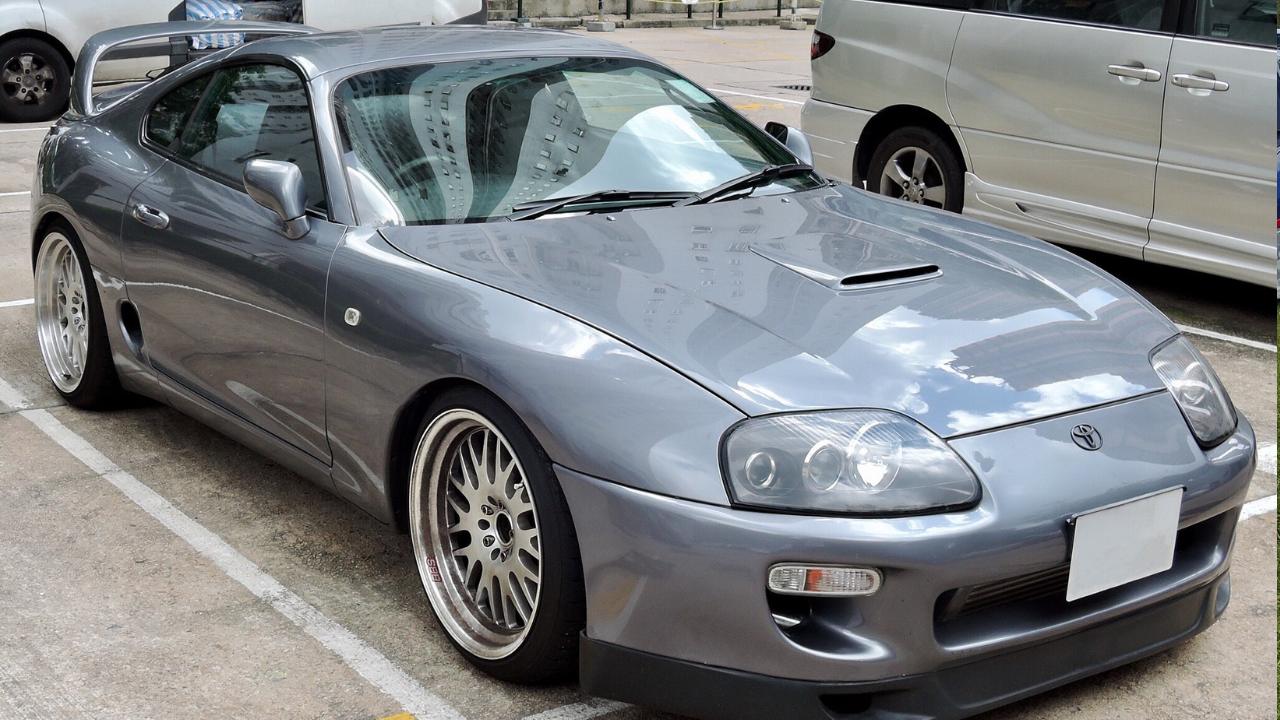
In 1993, the base A80 Supra used Toyota’s naturally aspirated 3.0 L 2JZ-GE inline-six, rated at 220 hp. This engine pushed the 3,400 lb coupe to 60 mph in roughly 6.8 seconds and on to 145 mph. A 100.4-inch wheelbase kept it stable at speed, while the cockpit featured leather seating and a wraparound dash. Around 5,000 non-turbo models were sold in the U.S., with the turbo models overshadowing them in popularity.
Like Fast Lane Only’s content? Be sure to follow us.
Here’s more from us:
*Created with AI assistance and editor review.