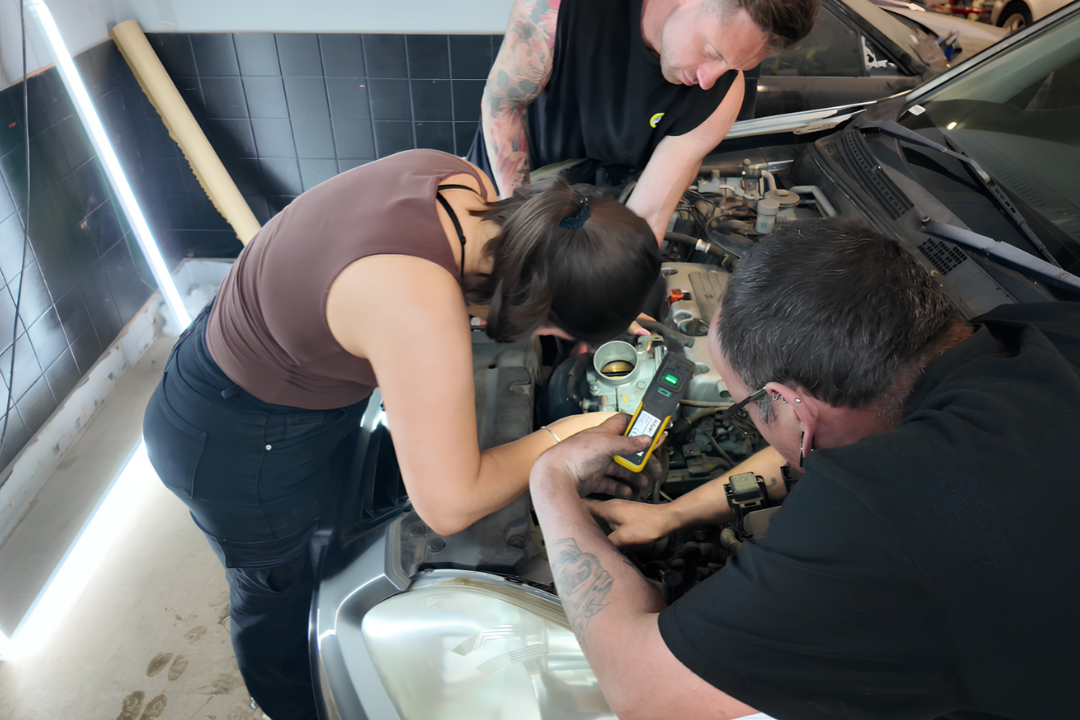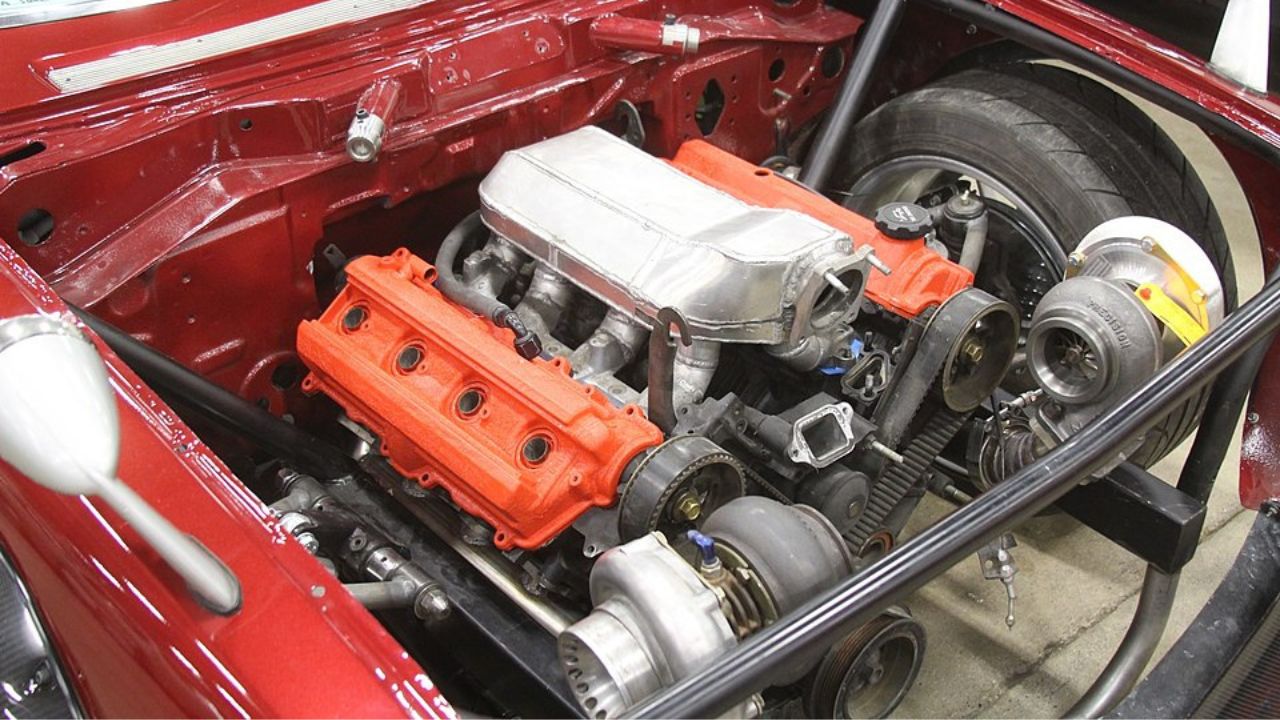
Turbocharged engines and naturally aspirated engines represent two distinct technological paths in automotive engineering. Each offers unique advantages and trade-offs that appeal to different types of drivers and applications. Explore the key differences, benefits, and challenges of turbocharged versus naturally aspirated engines.
Understanding Engine Mechanics
Explanation of Turbocharged Engines
A turbocharged engine utilizes forced induction to compress air entering the engine, allowing for more air—and consequently more fuel—to be burned, resulting in increased power output. The primary components of a turbocharged system include the turbine, which is driven by exhaust gases, the compressor, which pumps the air into the engine, and the intercooler, which cools the compressed air to improve efficiency. This setup can significantly enhance engine efficiency and performance, as seen in modern vehicles like the 2023 Audi A4, where turbocharging plays a crucial role in achieving impressive power figures without large engine displacement.
Turbocharged engines offer a compelling blend of power and efficiency, but they also introduce complexity and potential reliability concerns. The additional components, such as the turbocharger itself and the intercooler, require precise engineering and can be prone to wear over time. Nevertheless, the performance gains often outweigh these challenges for many drivers, particularly those looking for dynamic driving experiences.
Overview of Naturally Aspirated Engines
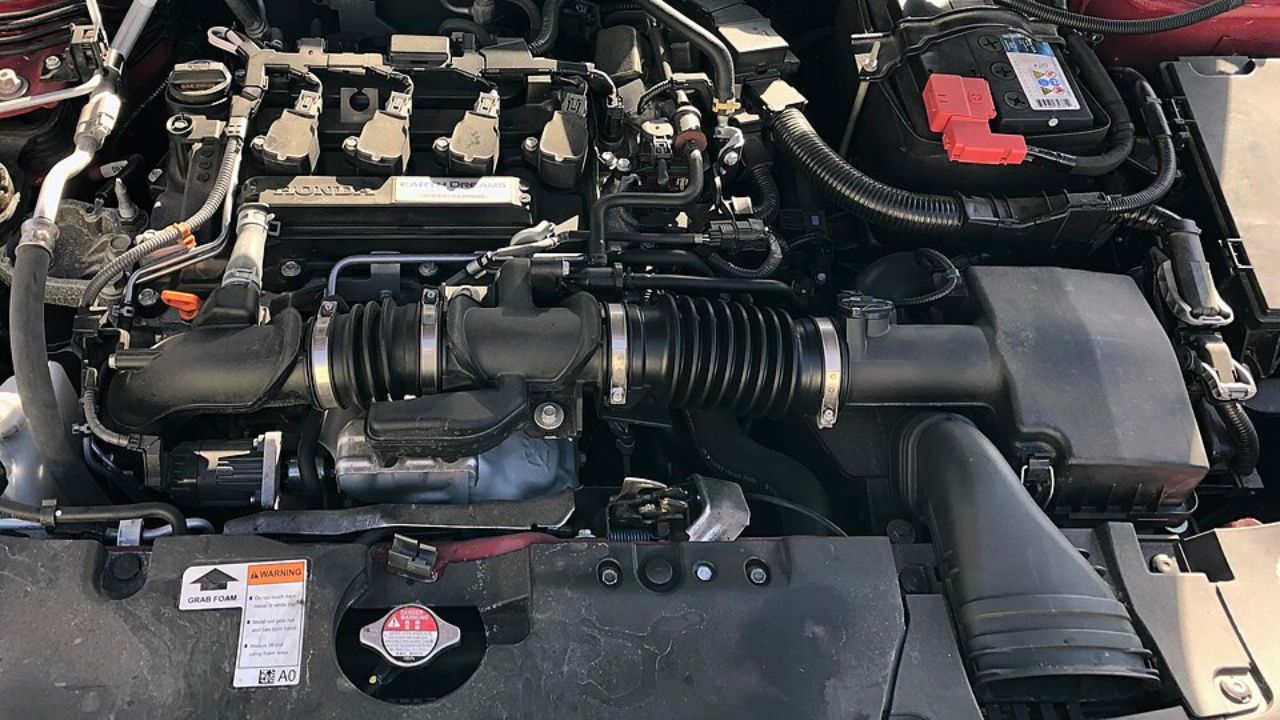
Naturally aspirated engines operate by drawing in air solely through atmospheric pressure, without the assistance of forced induction. The key components involved include the intake manifold, throttle body, and cylinder head. This simplicity has historically made naturally aspirated engines a popular choice for their reliability and linear power delivery, as exemplified by models like the 2021 Mazda MX-5 Miata. Over time, these engines have evolved, embracing advanced technologies to maximize efficiency and performance within their traditional design constraints.
The historical significance of naturally aspirated engines is evident in their continued presence in various segments of the automotive industry. They offer a more predictable power curve, which can be preferable for certain driving styles and conditions. Despite the increasing prevalence of turbocharging, naturally aspirated engines remain a staple in automotive engineering, appreciated for their straightforward operation and maintenance.
Performance and Efficiency
Power Output and Torque Characteristics
When comparing turbocharged and naturally aspirated engines, one of the most noticeable differences is in their power output and torque characteristics. Turbocharged engines, like those found in the 2022 Ford Mustang EcoBoost, typically offer a broader power band with higher torque at lower RPMs, making them ideal for quick acceleration and high-speed performance. This can be particularly beneficial in urban environments or on highways where responsive power delivery is essential.
In contrast, naturally aspirated engines usually provide a more linear power delivery, which can be advantageous for drivers who prefer a more predictable and controllable driving experience. This characteristic is evident in vehicles like the 2024 Toyota GR86, where the naturally aspirated engine delivers a smooth and engaging power curve that appeals to driving enthusiasts who value precision over outright power.
Fuel Efficiency Considerations
Fuel efficiency is a critical factor for many car buyers, and turbocharged engines often present an attractive proposition due to their ability to deliver more power from a smaller engine displacement. This is evident in models like the 2025 Volkswagen Golf GTI, where turbocharging helps achieve remarkable fuel economy without sacrificing performance. However, the real-world fuel efficiency of turbocharged engines can vary significantly based on driving habits and conditions.
Naturally aspirated engines, while sometimes less fuel-efficient in terms of raw numbers, often provide more consistent fuel economy across different driving scenarios. This consistency is a result of their simpler design and lack of forced induction components, which can lead to increased fuel consumption under heavy acceleration. For drivers who prioritize long-term fuel efficiency over peak performance, naturally aspirated engines like those in the 2026 Subaru BRZ may offer a more economical choice.
Maintenance and Reliability
Longevity and Durability
The longevity and durability of an engine can significantly influence a buyer’s decision. Turbocharged engines, such as those in the 2020 BMW 3 Series, often experience more wear and tear due to the added stress of forced induction. Components like the turbocharger and intercooler require regular maintenance to ensure they operate efficiently and reliably over the vehicle’s lifespan. Despite these challenges, many manufacturers have made strides in improving the reliability of turbocharged systems through engineering advancements.
On the other hand, naturally aspirated engines are often praised for their durability and straightforward maintenance. With fewer components prone to failure, these engines can offer a longer lifespan with less frequent repairs. Vehicles like the 2023 Honda Accord showcase the enduring reliability of naturally aspirated engines, making them a preferred choice for drivers who value longevity and ease of maintenance.
Cost Implications
The initial purchase price and long-term ownership costs are crucial considerations for any car buyer. Turbocharged vehicles, such as the 2021 Kia Stinger, may come with a higher upfront cost due to the complexity of their engines. Additionally, repairs and replacements of turbo-specific components can be more expensive, potentially leading to higher maintenance costs over time.
Conversely, naturally aspirated engines generally incur lower long-term ownership costs, thanks to their simpler design and reduced likelihood of component failure. The 2024 Toyota Camry is an example of a vehicle that benefits from the cost-effectiveness of a naturally aspirated engine, offering an economical balance between performance and cost for budget-conscious buyers.
Environmental Impact and Regulations
Emissions and Environmental Concerns
Emissions from internal combustion engines are a significant concern in today’s environmentally conscious society. Turbocharged engines, like those in the 2022 Hyundai Sonata, often produce fewer emissions per unit of power due to their efficiency in burning fuel. However, the high levels of power output can lead to higher absolute emissions compared to naturally aspirated engines under certain conditions.
Naturally aspirated engines, while sometimes less efficient, can offer a lower ecological footprint in terms of overall emissions. This is particularly true in vehicles like the 2025 Subaru Outback, where the focus on efficiency and emissions compliance aligns with environmental regulations. As the automotive industry moves toward stricter emissions standards, both engine types are subject to ongoing innovation and adaptation.
Innovations and Future Trends
The future of turbocharged engines is bright, with advancements such as electric turbochargers and hybrid systems enhancing their performance and efficiency. Meanwhile, naturally aspirated engines continue to evolve, with manufacturers focusing on improving efficiency and reducing emissions. Developments in variable valve timing and direct fuel injection are helping models like the 2024 Ford Mustang maintain their appeal in a progressively eco-conscious market. As the industry shifts towards sustainable transportation solutions, both turbocharged and naturally aspirated engines will play pivotal roles in this transition.
Like Fast Lane Only’s content? Be sure to follow us.
Here’s more from us:
*Created with AI assistance and editor review.