The 1980s were a transformative period in the automotive industry, marked by a fierce rivalry between turbocharged engines and big block engines. While today’s enthusiasts often focus on modern advancements, this decade saw a technological battle that shaped the future of performance vehicles. Delving into the turbo vs. big block showdown reveals innovations and cultural impacts that have left a lasting impression on car culture.
The Rise of Turbocharged Technology
Image Credit: Jim Ramsey – CC BY-SA 3.0/Wiki Commons
Turbocharging technology began its ascent in the late 1970s, spurred by the need for more efficient and powerful engines. Initially developed for commercial and military applications, turbochargers found their way into consumer vehicles as automakers sought to meet stricter emissions standards and fuel efficiency demands. This evolution set the stage for the turbo boom of the 1980s.
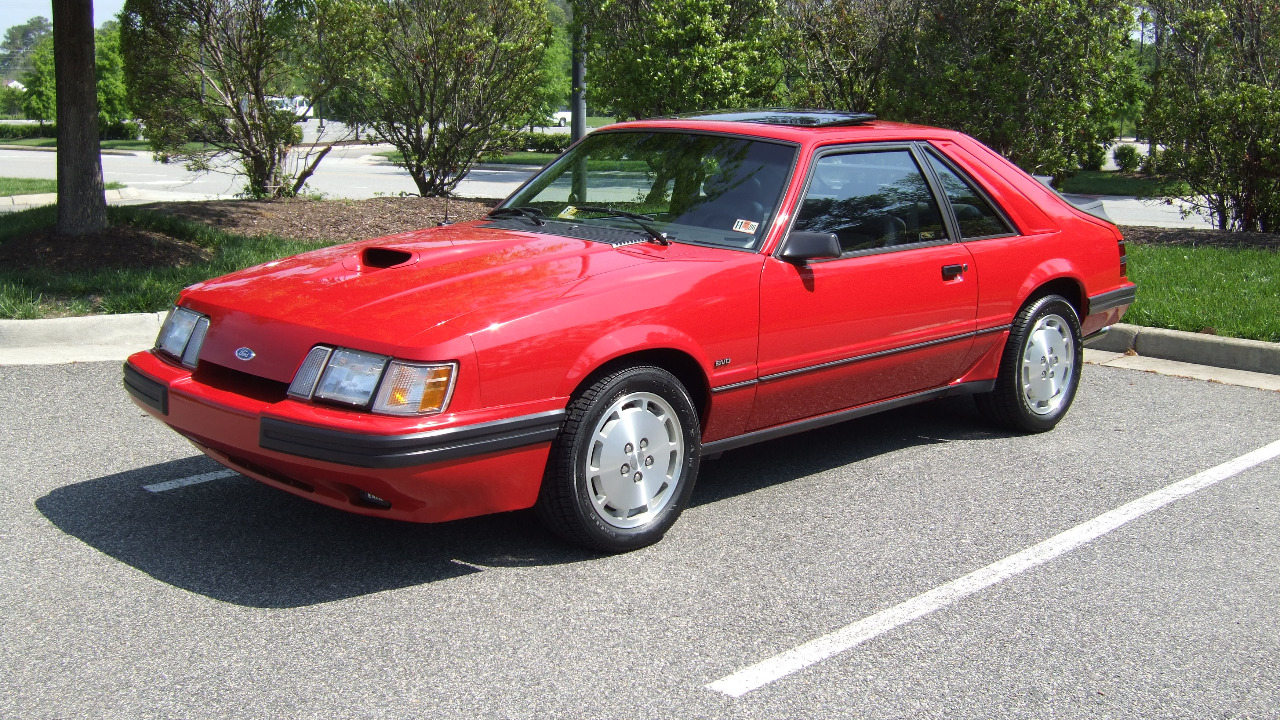
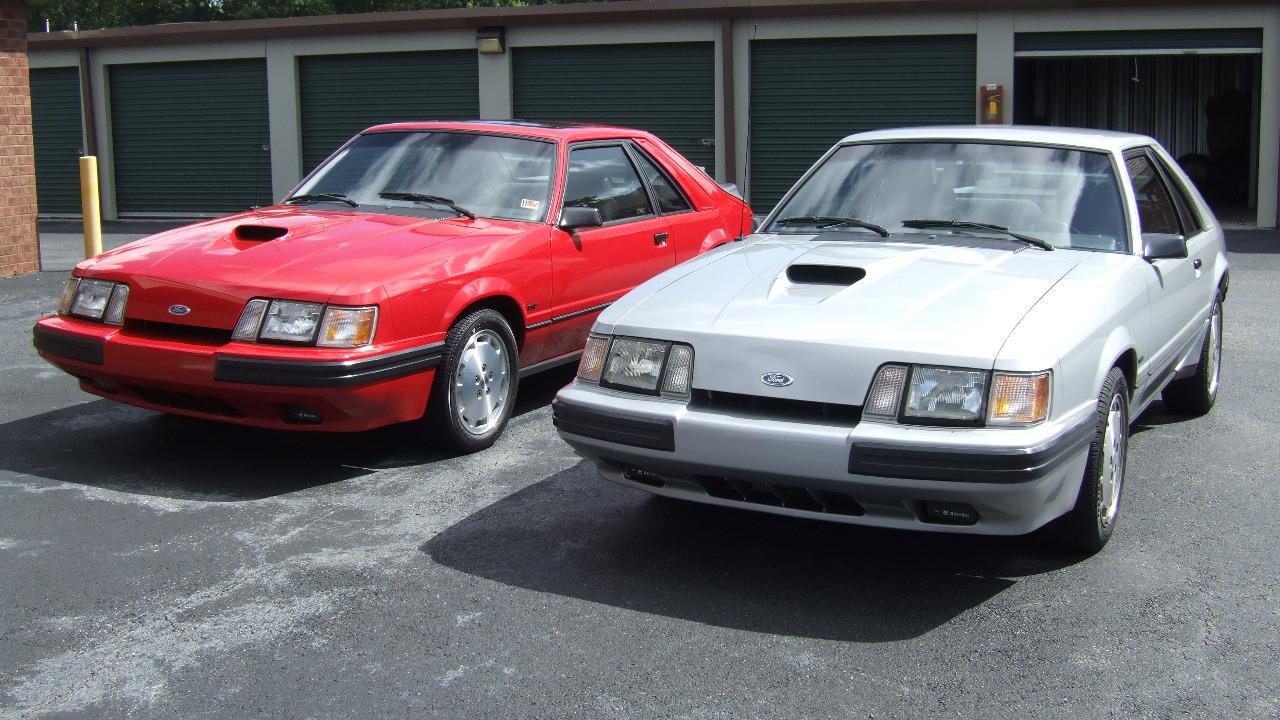
Notable turbocharged vehicles from this era include the Buick Grand National and the Ford Mustang SVO. These cars showcased the potential of turbo technology, offering impressive performance metrics and fuel efficiency. The Grand National, in particular, became an icon of the time, celebrated for its ability to outperform many of its naturally aspirated competitors.
Turbochargers provided a new avenue for enhancing performance without sacrificing efficiency, addressing the dual concerns of power and fuel economy that dominated the automotive landscape. As a result, turbocharged engines became synonymous with innovation and a forward-thinking approach to car design.
Big Block Dominance
Image Credit: Jeremy from Sydney, Australia – CC BY 2.0/Wiki Commons
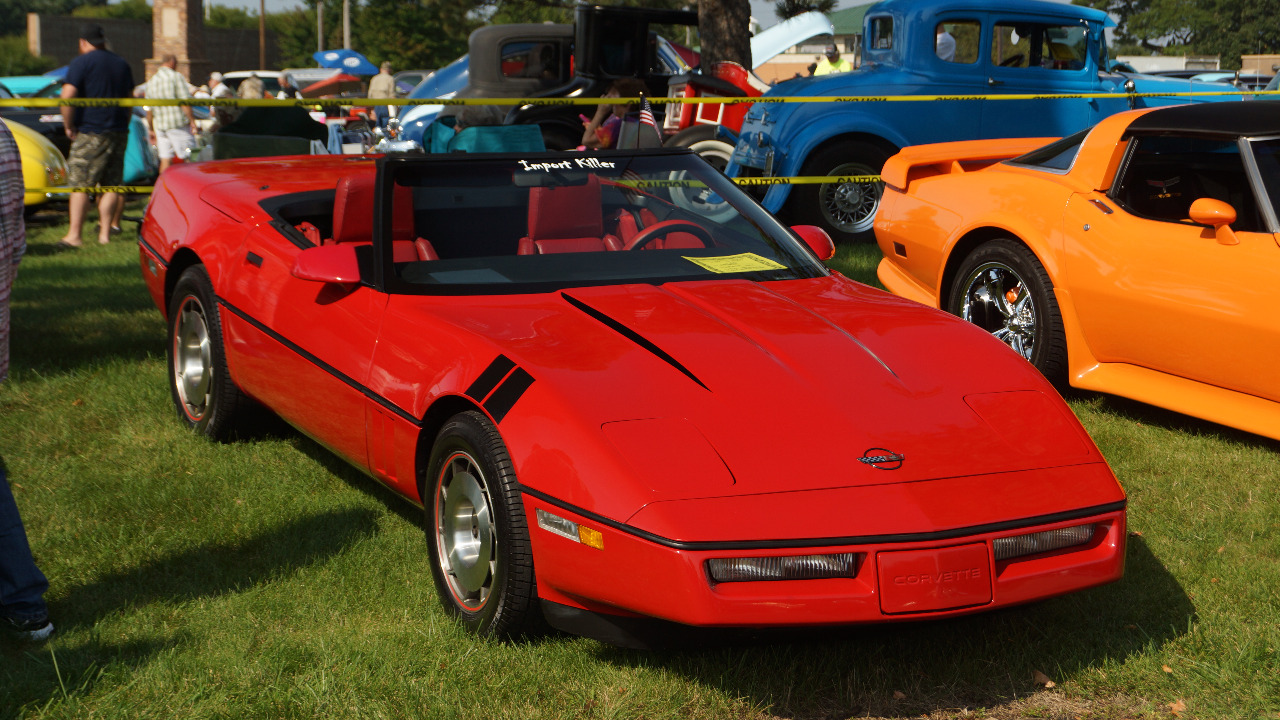
Despite the oil crisis and changing regulations, big block V8 engines maintained their appeal throughout the 1980s. These engines were renowned for their raw power and straightforward design, appealing to enthusiasts who valued brute strength. The enduring popularity of big blocks was a testament to their ability to deliver unmatched power and performance, even in a rapidly evolving automotive environment.
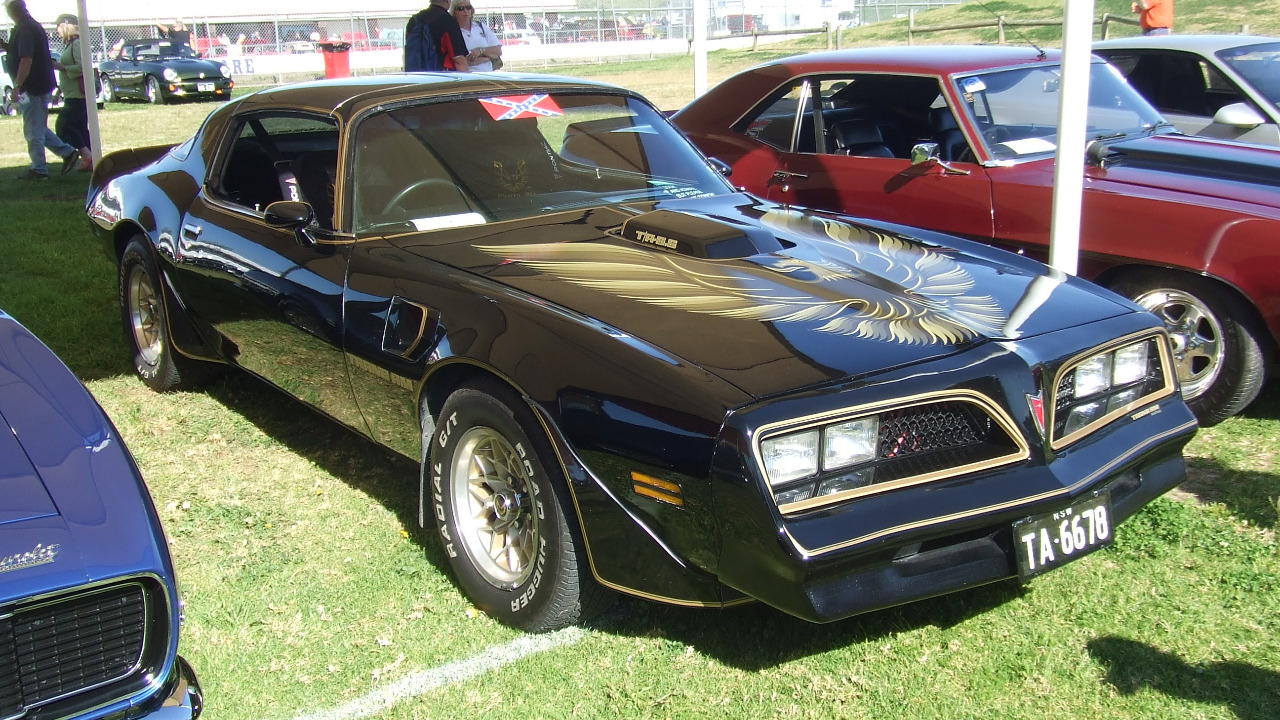
Iconic big block models such as the Chevrolet Camaro and Pontiac Trans Am stood out during this period. These vehicles captured the imagination of car lovers, offering a visceral driving experience that few could match. The big block’s reputation for delivering raw power stood in stark contrast to the precision engineering of turbocharged engines, fueling a passionate debate among enthusiasts.
While big blocks represented the pinnacle of brute strength, they also symbolized a resistance to change. The tension between traditional power and emerging technologies highlighted a critical moment in automotive history, where innovation began to challenge the status quo.
Cultural Impact and Enthusiast Communities
Image Credit: Ermell – CC BY-SA 4.0/Wiki Commons
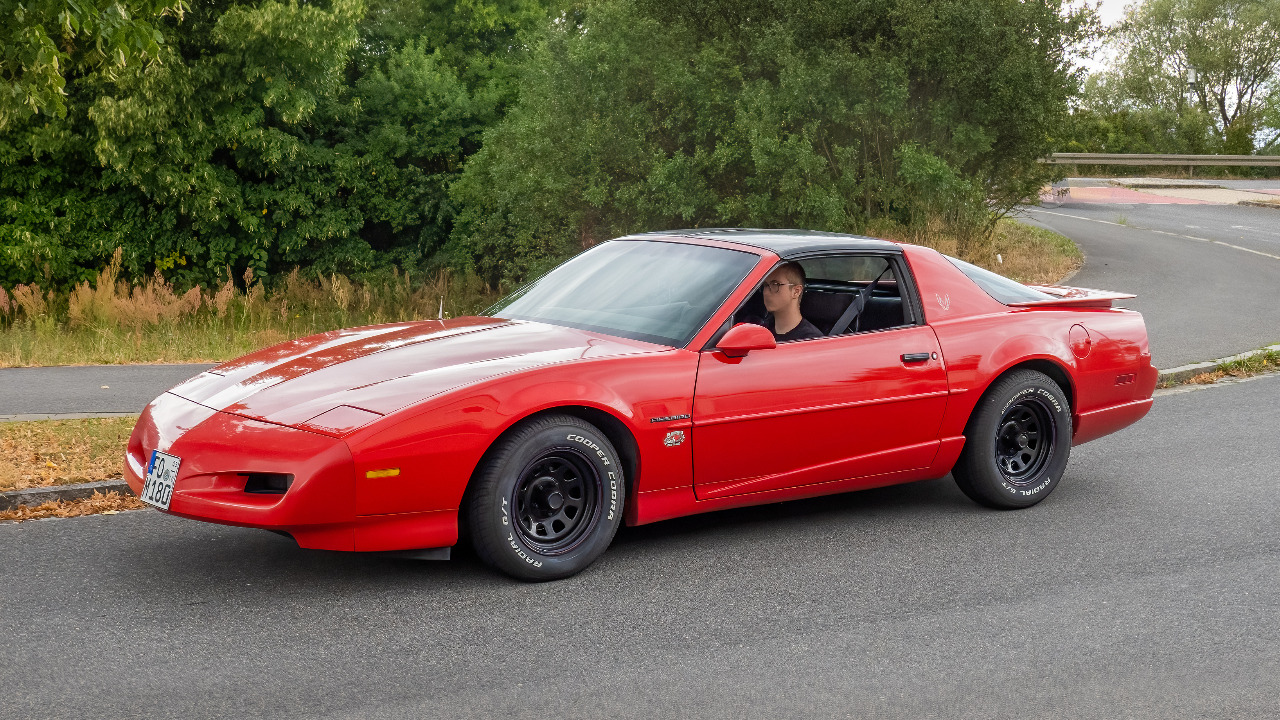
The 1980s car culture was deeply influenced by the turbo vs. big block debate, with enthusiasts forming passionate communities around their preferred engine types. Car clubs, meetups, and race events became arenas for showcasing advancements and sparking lively discussions. The debate wasn’t just about performance; it was about identity, with each camp representing a distinct philosophy on what made a car truly great.
Media and pop culture of the era played a significant role in amplifying this rivalry. Movies, magazines, and TV shows often featured turbocharged and big block vehicles, embedding them into the public consciousness. The portrayal of these cars on screen not only reflected their popularity but also fueled the rivalry, as audiences were captivated by the dramatic contrast between these two powerhouses.
The legacy of this rivalry lives on, with the 1980s remaining a nostalgic touchstone for car enthusiasts. The era’s influence continues to be felt, as modern car culture often looks back to this golden age for inspiration and appreciation.
Technological Advancements and Challenges
tyler4k/Unsplash
Both turbocharged and big block engines underwent significant technological advancements during the 1980s. Turbo technology saw improvements in reliability and efficiency, with engineers overcoming challenges related to lag and heat management. Innovations such as intercoolers and wastegates became standard components, enhancing turbo performance and durability.
Big block engines, on the other hand, faced challenges related to emissions and fuel efficiency. Engineers worked to refine these engines, integrating new materials and designs to improve performance without compromising the raw power that defined their appeal. Despite these efforts, the big block’s heavy fuel consumption remained a challenge, highlighting the contrast with more efficient turbocharged options.
The innovations of the 1980s paved the way for future developments in automotive engineering. Turbo technology, in particular, set the stage for the widespread adoption of forced induction in modern vehicles, while the big block’s legacy of power continues to influence engine design today.
The Forgotten Battle: Why It Matters Today
Image Credit: Greg Gjerdingen from Willmar, USA – CC BY 2.0/Wiki Commons
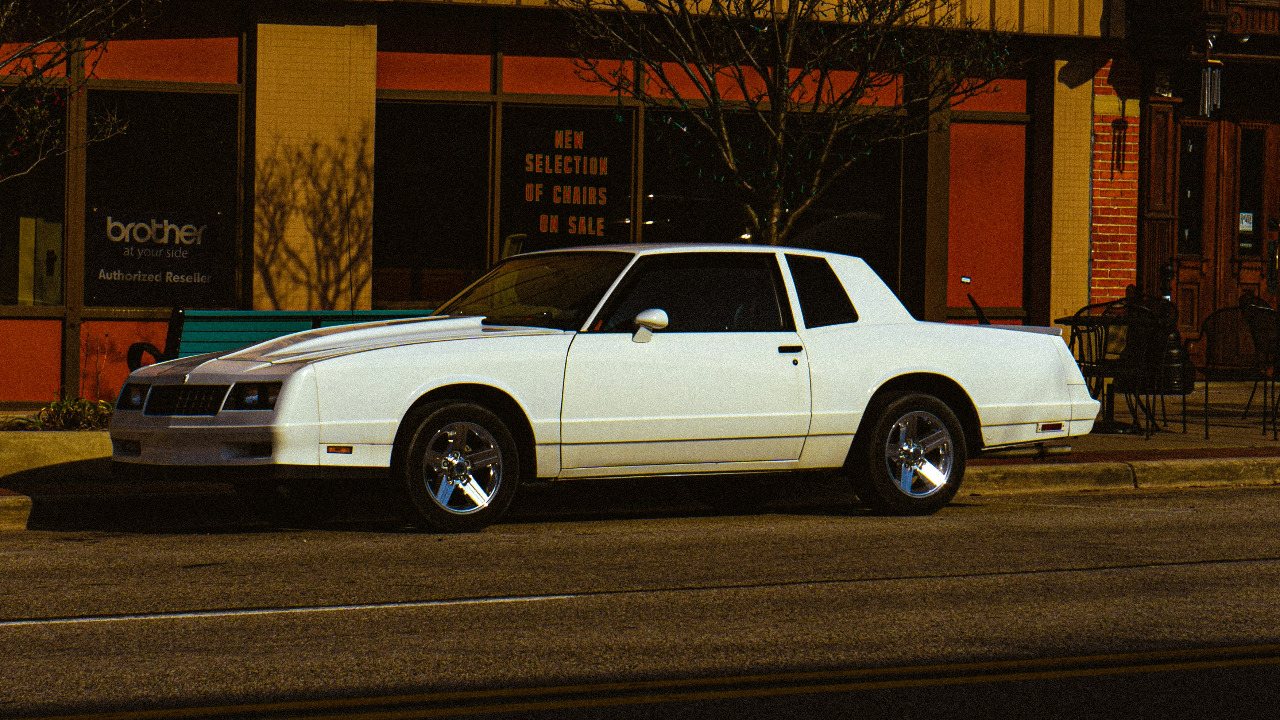
The rivalry between turbocharged and big block engines in the 1980s offered valuable lessons for automakers. It underscored the importance of balancing performance with efficiency, a lesson that remains relevant in today’s automotive industry. The innovations and challenges of this period continue to inform modern engineering, as manufacturers strive to meet ever-evolving demands.
Modern vehicles often integrate turbo technology and big block principles, blending the best of both worlds to achieve exceptional performance. Turbocharged engines have become commonplace, providing efficiency and power in a compact package, while the influence of big block design principles can be seen in the continued pursuit of high horsepower outputs.
The enduring fascination with the 1980s automotive scene is a testament to its impact on car culture. Enthusiasts and collectors continue to celebrate this era, drawn to the nostalgia and the groundbreaking advancements that defined it. The turbo vs. big block rivalry may be a forgotten battle for some, but its legacy remains an integral part of automotive history.
Bobby Clark is the founder and editor of Fast Lane Only, covering performance cars, automotive news, recalls, classic vehicles, consumer automotive topics, and enthusiast culture. His work focuses on making automotive news engaging, accessible, and informative for both enthusiasts and everyday drivers.
Welcome!
Welcome to Fast Lane Only—We are an independent automotive publication covering performance cars, automotive news, recalls, classic vehicles, industry trends, and enthusiast culture.
From the rarest collector’s cars to the high-performance machines turning heads today, we bring you stories, specs, and insider looks at the rides that matter. If it’s fast, legendary, or owned by someone famous, you’ll find it here. Buckle up and stay in the fast lane!