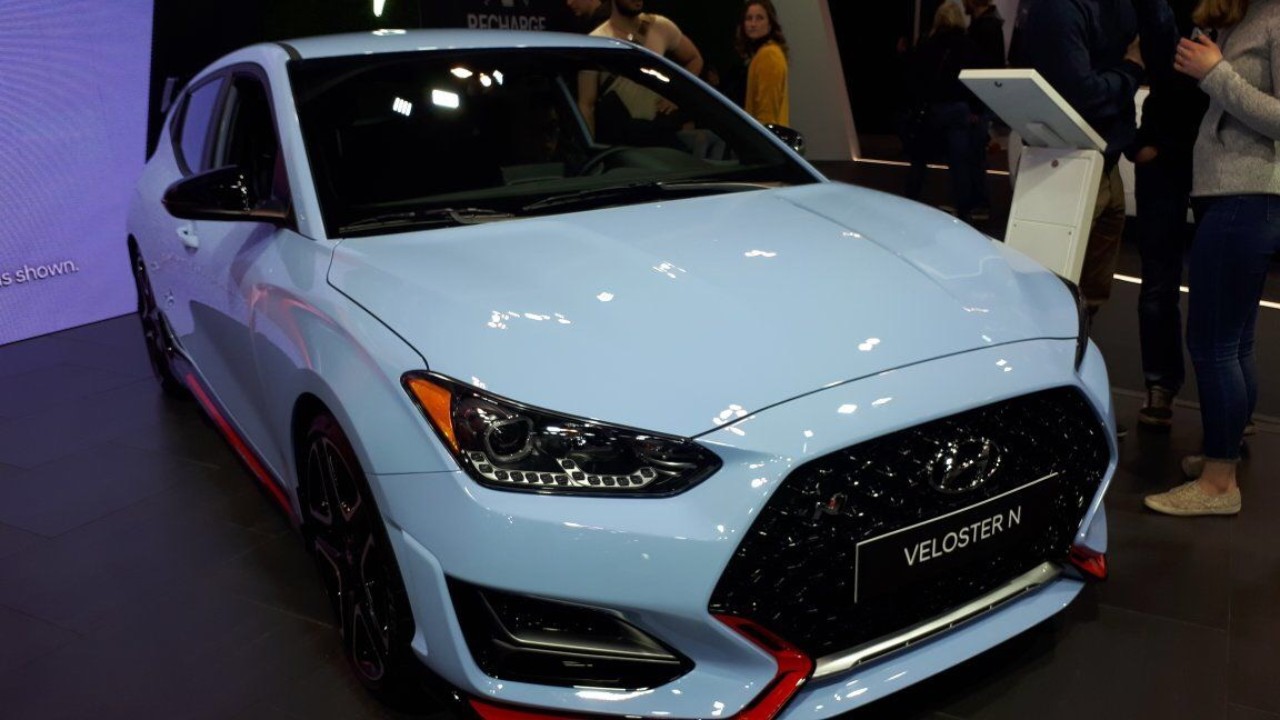
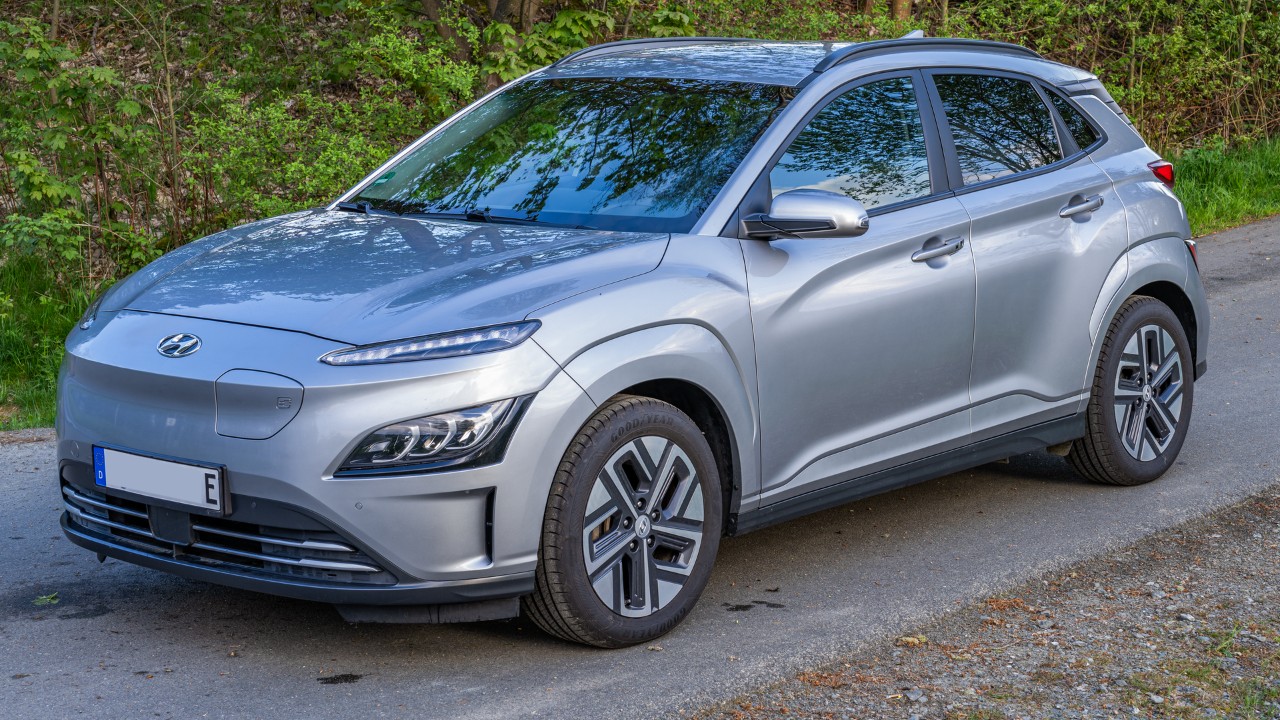
Hyundai has filed a Veloster N airbag recall that also covers the Kona Electric, and it touches 37,901 cars in the United States. According to the company’s filing with federal safety regulators, a software error in the air bag control unit may improperly switch off the air bags and the seat belt pretensioners. The fix is a free software update at the dealer.
The campaign covers 2019 through 2022 Veloster N hatchbacks and 2019 through 2023 Kona Electric crossovers. That pairs Hyundai’s turbocharged N hot hatch with its long-range electric SUV. Both are cars people tend to keep and drive hard, so the recall matters to a lot of enthusiasts.
Hyundai is not telling owners to park their cars. Still, a restraint system that may shut itself off is not a problem to put off until the next oil change. Here is what the filing says, which cars it covers and what owners should do now.
What the Veloster N airbag recall covers
The National Highway Traffic Safety Administration received the report on November 3, 2026, and logged it as campaign 26V728. Hyundai’s own number for it is recall 311. In its recall record on NHTSA, the agency lists nine model-year entries: four for the Veloster N and five for the Kona Electric.
The component on the filing is the air bag and restraint control module, specifically its software. In plain terms, this is the small computer that reads the crash sensors and decides when to fire the air bags. It also triggers the pretensioners, which snap the seat belts tight in the first instant of an impact.
According to the filing, a software error in that unit may improperly deactivate the air bag system and the pretensioners. As a result, they might not work in a crash. NHTSA’s consequence statement is direct: air bags and pretensioners that do not activate in a crash increase the risk of injury.
Which Hyundai models and years are included
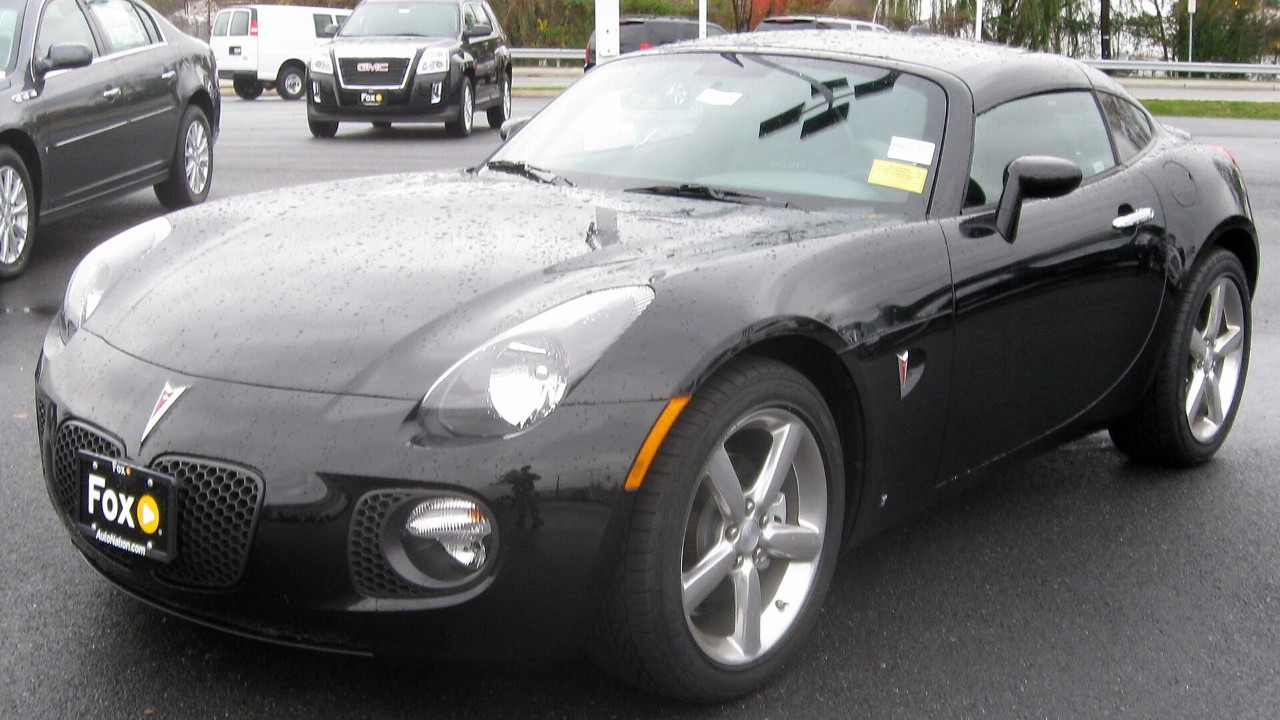
On the performance side, the recall lists the Veloster N from the 2019 model year through 2022. Hyundai revealed the car at the North American International Auto Show in January 2018. At the time, The Drive reported a 2.0-liter turbocharged four with 275 horsepower and 260 lb-ft of torque. It also came with a six-speed manual that could blip the throttle for you on downshifts.
The electric side covers the 2019 through 2023 Kona Electric. When the EPA rated the first one in 2018, Green Car Reports noted 258 miles of range from a 64-kWh battery. Its motor made 201 horsepower and 292 lb-ft. So the two cars could hardly be more different, yet they share this control-unit software problem.
The filing gives one total of 37,901 vehicles across both models. However, it does not split that number between the Veloster N and the Kona Electric. It also does not say how many cars Hyundai expects to actually have the fault.
How Hyundai plans to fix it
The remedy is simple. Dealers will update the air bag control unit software, free of charge. Because the fault lives in code, the remedy calls for new software rather than new parts.
Hyundai expects to mail owner notification letters on January 1, 2027. That leaves a gap of roughly two months between the filing and the letters. Meanwhile, owners can call Hyundai customer service at 1-855-371-9460 and quote recall number 311.
The record also shows that this is not an over-the-air fix. In other words, the update needs a visit to a dealer rather than a download in the driveway. NHTSA’s record does not flag the recall as a park-it or park-outside warning, either.
Not the first air bag unit issue for the Veloster N
This is not the first time the hot hatch’s air bag computer has needed a dealer visit. Back in December 2018, Transport Canada issued recall 2018684 for 24 early 2019 Veloster N cars. According to The Car Guide’s listing of that recall, the impact sensor programming in the air bag control unit may have been incorrect. In that case, the air bags might not deploy properly, and dealers reprogrammed the unit.
That earlier campaign was tiny and Canadian. By comparison, the new one is far larger and covers two model lines. Even so, both point at the same box under the dash and the code that runs it.
Veloster N owners have also seen a recall for a very different system. In September 2024, Hyundai recalled 54,647 cars, including 2019 through 2022 Veloster N models, because the fuel pump could fail. CarComplaints’ summary of that campaign says dealers updated engine control software and replaced pumps as needed. We covered another Hyundai N campaign recently, when loose lug nuts put 17 new Elantra N, Elantra and Venue cars on a recall.
What owners should do now
First, check your VIN. The filing says affected VINs become searchable on NHTSA’s site on November 6, 2026. Then, call a Hyundai dealer and ask whether the software update for recall 311 is ready to book.
Next, watch the dashboard. An air bag warning light is the car’s way of saying the restraint system has a fault. If it comes on, take the car in sooner rather than later, whether or not your letter has arrived.
Finally, if you have bought a used Veloster N or Kona Electric, don’t assume the last owner kept up with recalls. A VIN check costs nothing and takes a minute. It also tells you about the 2024 fuel pump campaign if your car was part of it.
For now, the dates are set. NHTSA received Hyundai’s report on November 3, 2026, VIN lookups open on November 6, and owner letters are due to go out on January 1, 2027.
More from Fast Lane Only