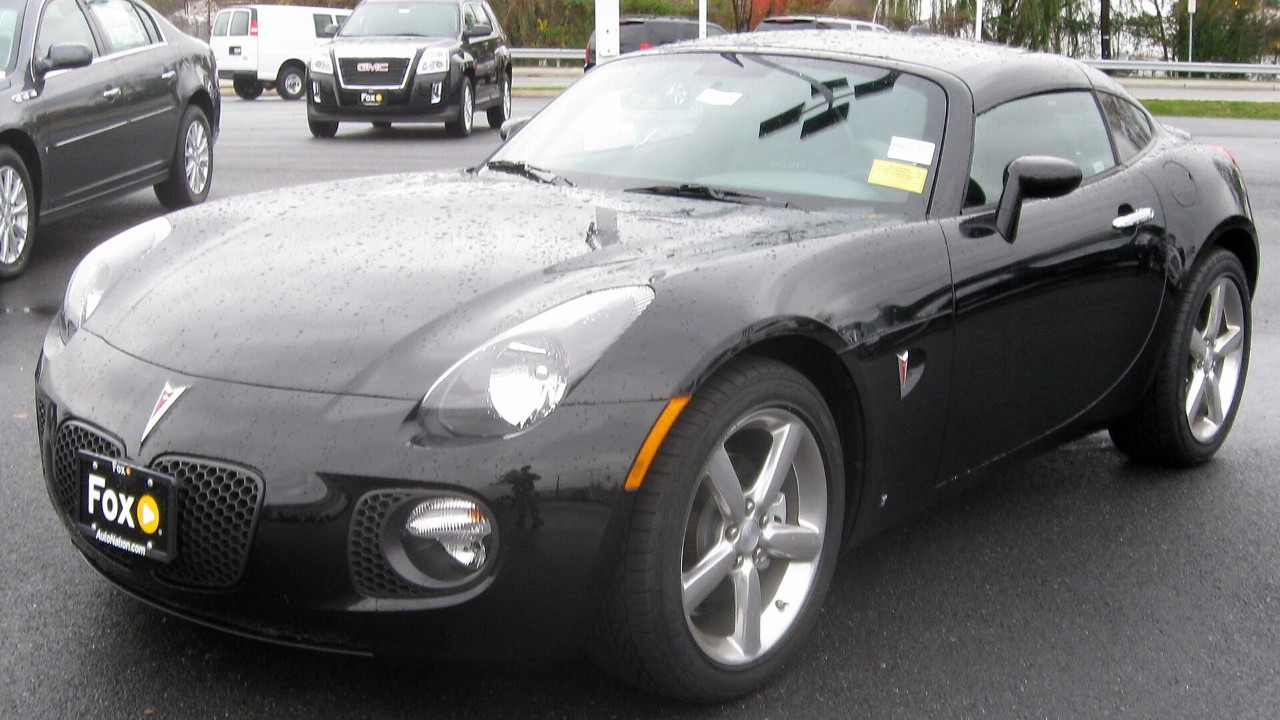
GM built just 1,266 Solstice coupes before its Wilmington plant closed in 2009, and only 781 of them were the turbocharged Pontiac Solstice GXP coupe. In our view, it is a car that got a lot right and then disappeared anyway. Two-seaters live that kind of life more often than most cars.
They are impractical by design. You cannot carry the kids, and the trunk is small, so most buyers move on to something more sensible. But that same focus is what makes a good two-seater so much fun to drive.
So these are our picks for nine two-seat cars we admire, from cheap British roadsters to a V8 Mercedes. The admiration is our opinion. However, every engine, horsepower and production figure comes from road tests, auction catalogs, buyer’s guides and model records we read for this list.
1. 2009 Pontiac Solstice GXP Coupe
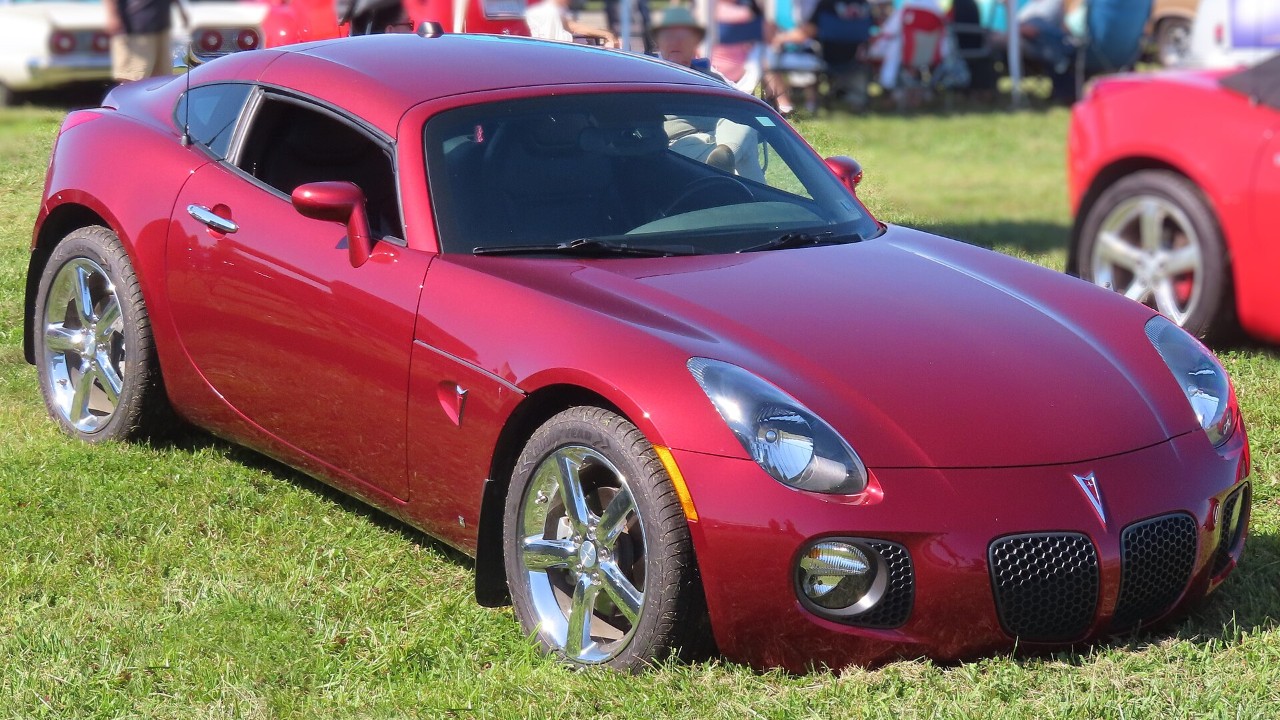
Pontiac unveiled the Solstice coupe at the 2008 New York Auto Show and sold it for the 2009 model year. It was really a targa, with a removable hard roof panel over the seats. Like the roadster, it rode on GM’s Kappa platform, which it shared with the Saturn Sky and Opel GT.
The GXP version made it serious. Its 2.0-liter turbocharged, direct-injection Ecotec four delivered 260 hp and 260 lb-ft of torque. By comparison, the base Solstice used a 2.4-liter four with 177 hp. According to SlashGear’s look at Solstice production, GM built roughly 13,000 GXP convertibles but only 781 Pontiac Solstice GXP coupes.
SlashGear also says GXP coupe listings ran from about $20,000 to more than $40,000. Our take: the Pontiac Solstice GXP coupe is the best-looking car GM built on the Kappa platform. It is also the one we would hunt for first, because so few exist.
2. BMW Z3 3.0i
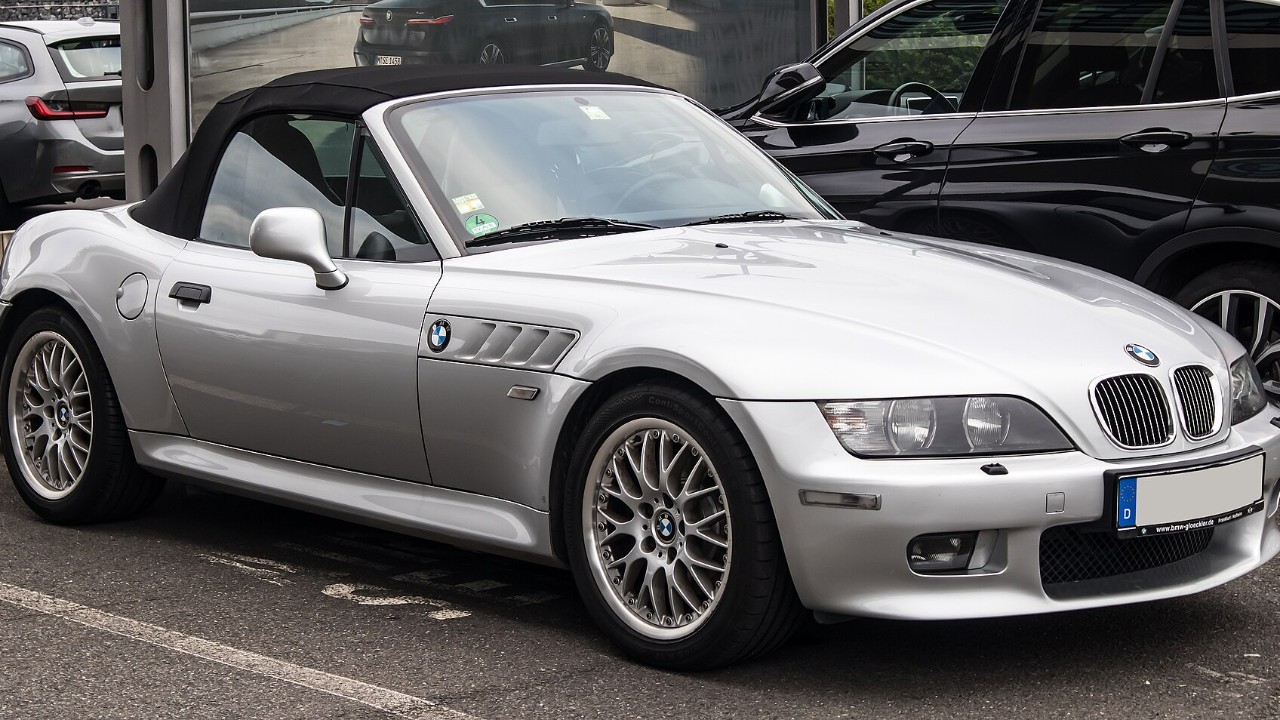
The Z3 was the first BMW built solely outside Germany, at the Greer plant near Spartanburg, South Carolina. Early cars made a splash in GoldenEye, but the later 3.0i is the one we would rather drive. It arrived when the inline-six switched from the M52 to the newer M54.
That 3.0-liter six made 228 hp at 5,900 rpm and 221 lb-ft at 3,500 rpm. The facelift that began in April 1999 also brought L-shaped taillights and a rear track 2.5 inches wider. Meanwhile, DSC stability control replaced the older ASC system. BMW built the 3.0i from 2000 until Z3 production ended on June 28, 2002.
We have covered the early car in how the 1997 BMW Z3 brought roadsters back. In our view, though, the 3.0i is the version to buy. It has the wider stance, the stronger engine and the better electronics, all in a car that is still simple to live with.
3. Nissan 350Z Roadster
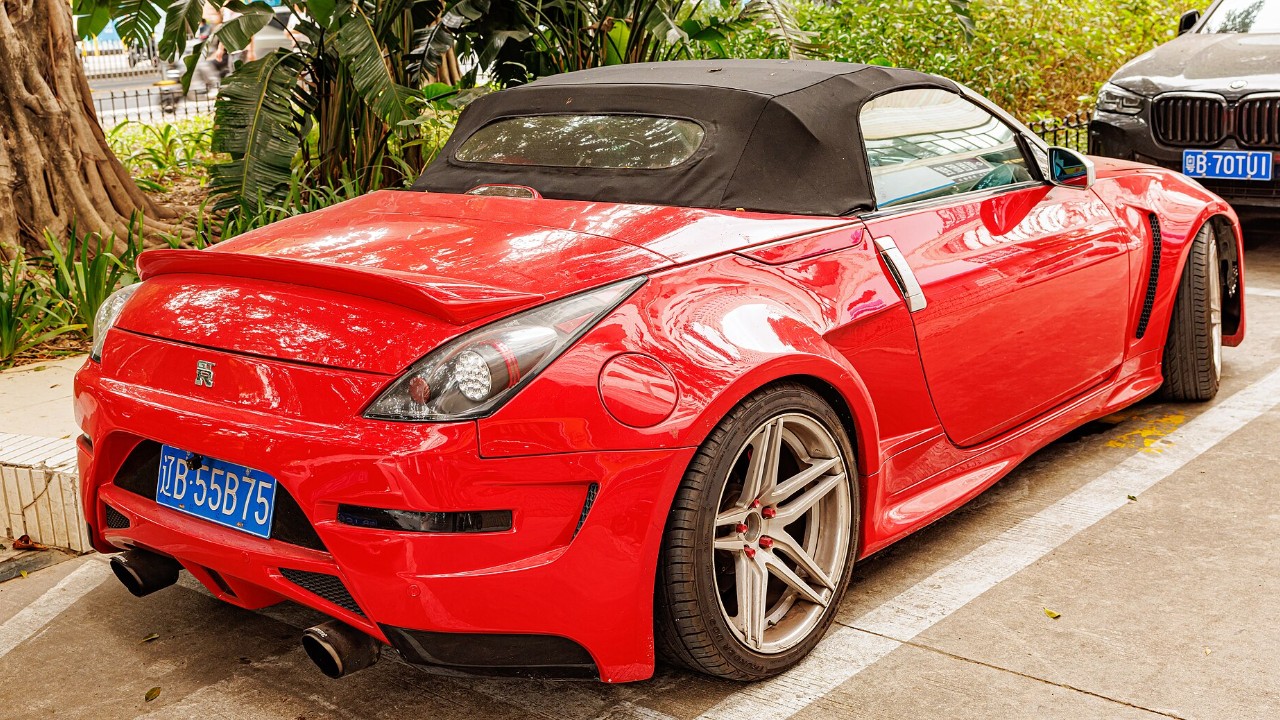
Nissan added the 350Z Roadster in 2004, with an electrically retractable soft top. As a result, buyers could drop the roof at the touch of a button and keep the coupe’s V6.
Early cars used the VQ35DE V6, rated at 287 hp at 6,200 rpm with 274 lb-ft of torque. Then, in mid-2005, manual cars gained a higher-revving version making 300 hp at 6,400 rpm. That extra top-end made the car feel even more eager. Early Roadsters weighed about 3,428 pounds in Enthusiast trim, so this was never a featherweight.
Our take: the Roadster is the most relaxed way to enjoy a VQ V6. If you want one, look for a manual car from 2005 or 2006, when the 300-hp engine was offered. In our view, that is a lot of engine for a used roadster.
4. 1998 Lotus Elise S1
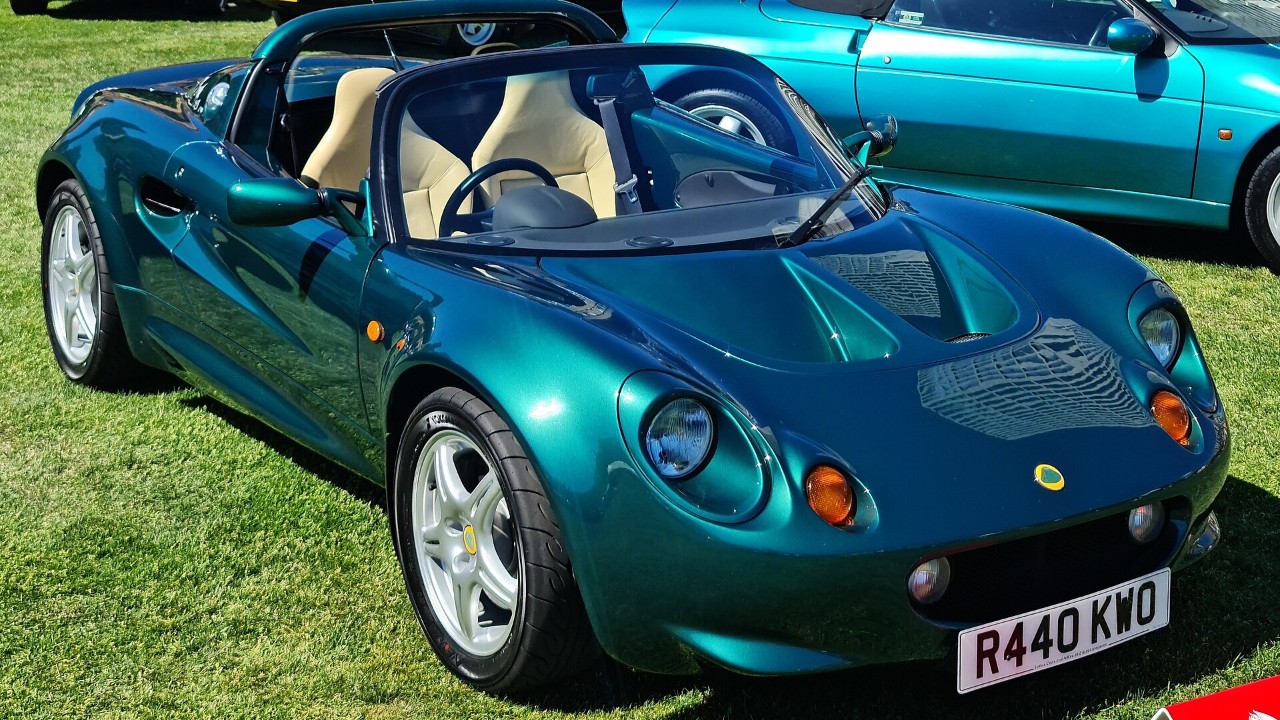
The Elise S1 started with one radical idea: a chassis made from extruded aluminum and bonded together. A fiberglass body sat on top. The result weighed just 725 kg, or about 1,598 pounds, when it launched in 1996.
Power came from a 1.8-liter Rover K-series four with 118 bhp. That does not sound like much, but the light car reached 60 mph in 5.8 seconds. Julian Thomson, then head of design at Lotus, shaped the car with chief engineer Richard Rackham. Lotus named it after Elisa Artioli, granddaughter of Lotus chairman Romano Artioli.
New European crash rules ended the S1 after the 2000 model year, so the first-generation car had a short life. In our opinion, the S1 is the purest Elise of all. It has the least weight, the simplest interior and a steering feel we love. We admire it more every year.
5. Triumph Spitfire Mk IV
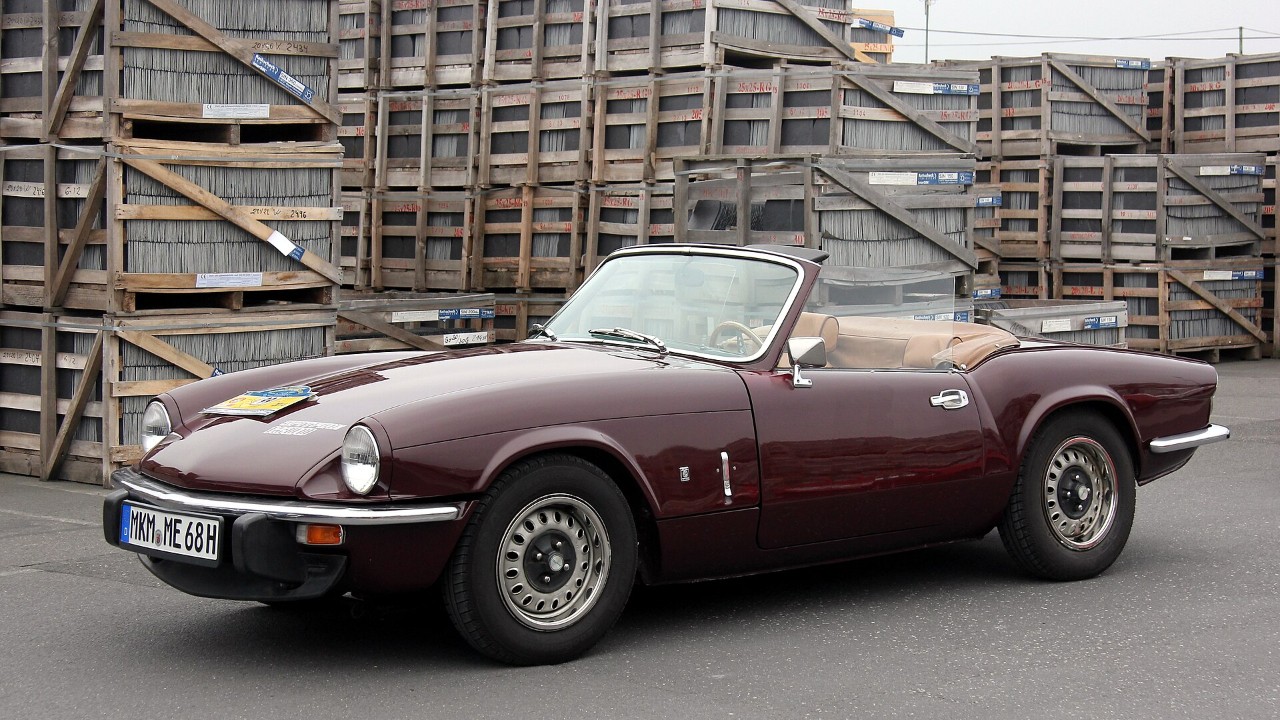
The Spitfire Mk IV arrived in November 1970 with a cleaner look. Triumph redesigned the rear to echo the Stag and 2000, squared off the soft top and recessed the door handles. Giovanni Michelotti had styled the original Spitfire body, and the update kept his shape fresh.
The bigger change sat underneath. Triumph’s “swing spring” rear suspension let most of the leaf spring pivot freely, which reduced the swing axle’s worst habits. The 1,296 cc four made 63 bhp DIN in UK form. However, after emissions detuning in 1973, the 0-60 mph time stretched to 15.8 seconds, and top speed fell to 90 mph.
Triumph built 70,021 Mk IVs between 1970 and 1974, and the UK base price at launch was £735. Our take: the Mk IV is not the fastest Spitfire, but its swing-spring rear made it the best-behaved Spitfire up to that point. For a cheap, fun weekend roadster, we think it is hard to beat.
6. 1967 Saab Sonett II
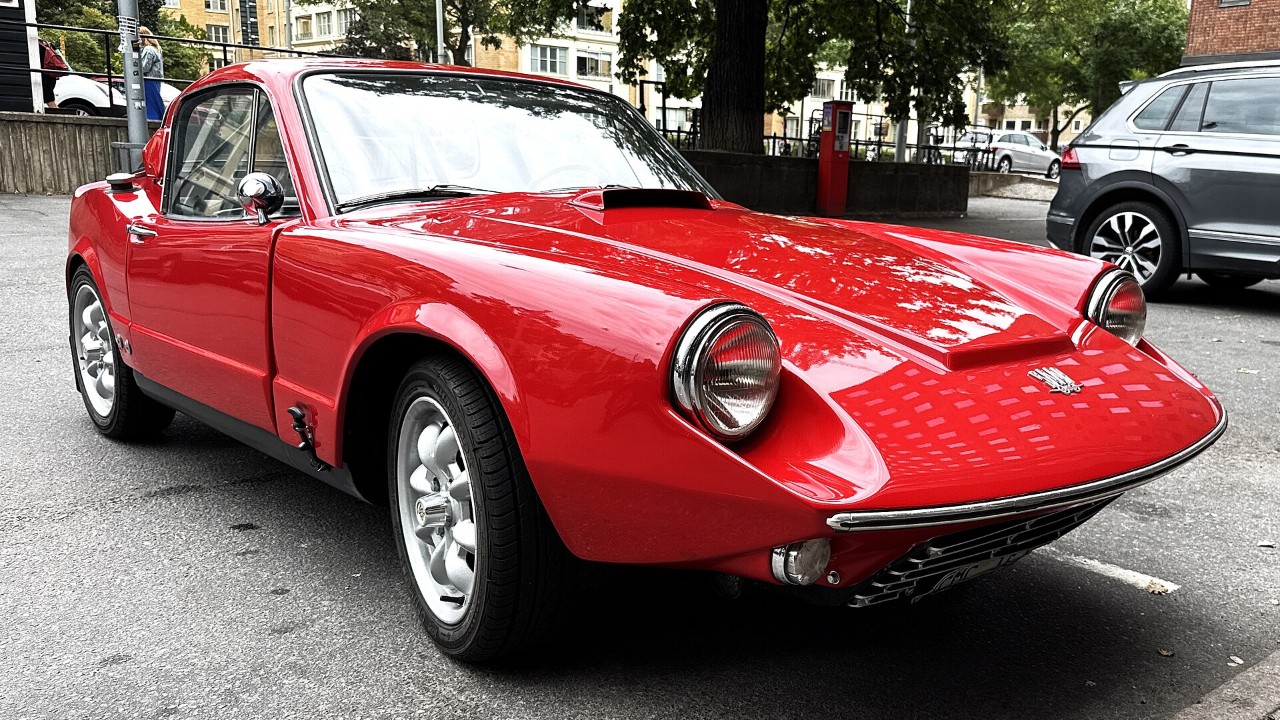
Saab wanted a sports car for its North American dealers, and the Sonett II was the answer. Malmö Flygindustri’s design, credited to aircraft illustrator Björn Karlström, won the job. The car then debuted at the 1966 New York Auto Show and the Geneva Motor Show.
At first, Saab used its 841 cc three-cylinder two-stroke, rated at 60 PS. The fiberglass body bolted to a box-type chassis with a roll bar, and the whole front section hinged forward for access. In 1966 Saab built only 28 cars. Then, in 1967, it built 230 more two-strokes before switching to a Ford Taunus V4 mid-year.
That makes a 1967 two-stroke Sonett II a very small club. If you prefer the later engine, we wrote about the Saab Sonett V4 that didn’t follow any rules. Our take: the two-stroke car is odder and more charming, and it is the Sonett we would choose.
7. 1984 Pontiac Fiero Indy Pace Car
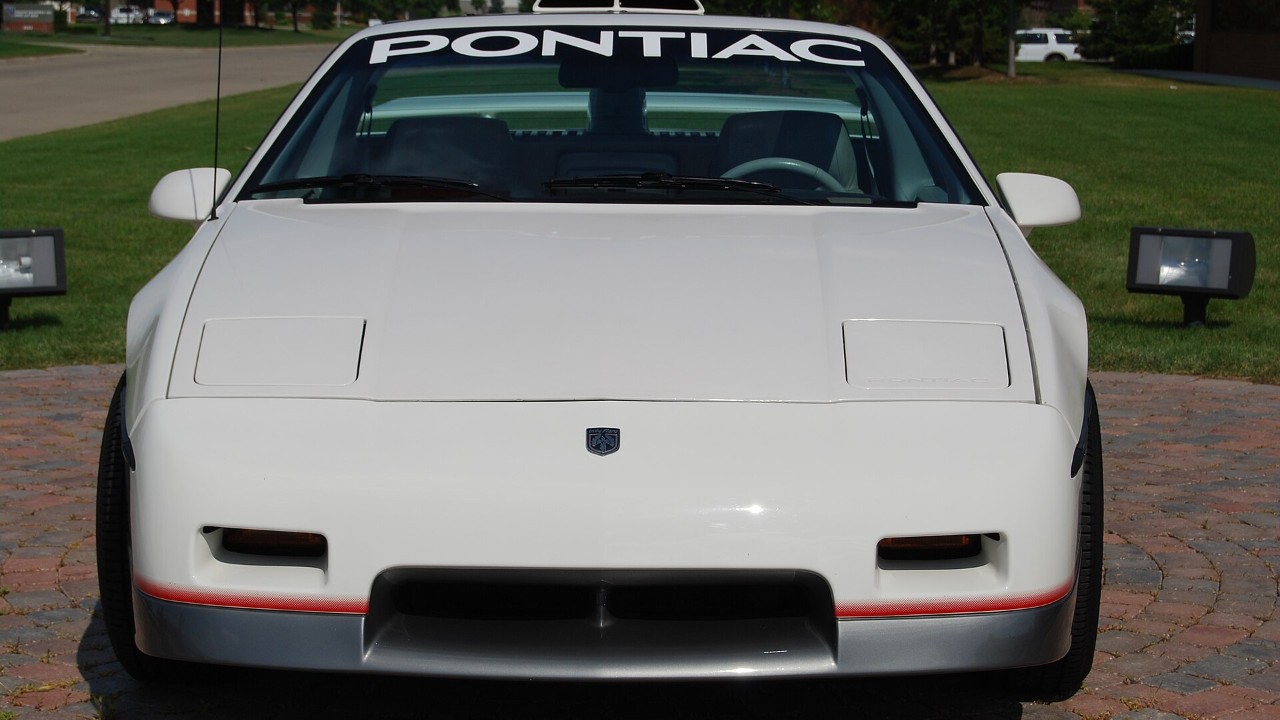
The Fiero was Pontiac’s first two-seater since its coupes of 1926 to 1938. Then, in its first year, it paced the 1984 Indianapolis 500. It became the first four-cylinder car to pace the race since a Stoddard-Dayton did it in 1914.
The real pace cars used a 2.7-liter Super Duty four with 232 hp, and one ran at over 138 mph during the race. That engine never reached a production car, though. Instead, Pontiac sold about 2,000 Indy replicas, all with the 2.5-liter Iron Duke rated at 92 hp. Pontiac built 136,840 Fieros for 1984 in all.
Underneath sat a steel space frame with non-load-bearing body panels, which we explained in how the Pontiac Fiero bolted plastic body panels onto a steel space frame. Our take: the Indy replica is the Fiero with the best story. A clean one with its pace-car trim intact is worth admiring, even with the modest engine.
8. 2008 Mercedes-Benz SLK 55 AMG
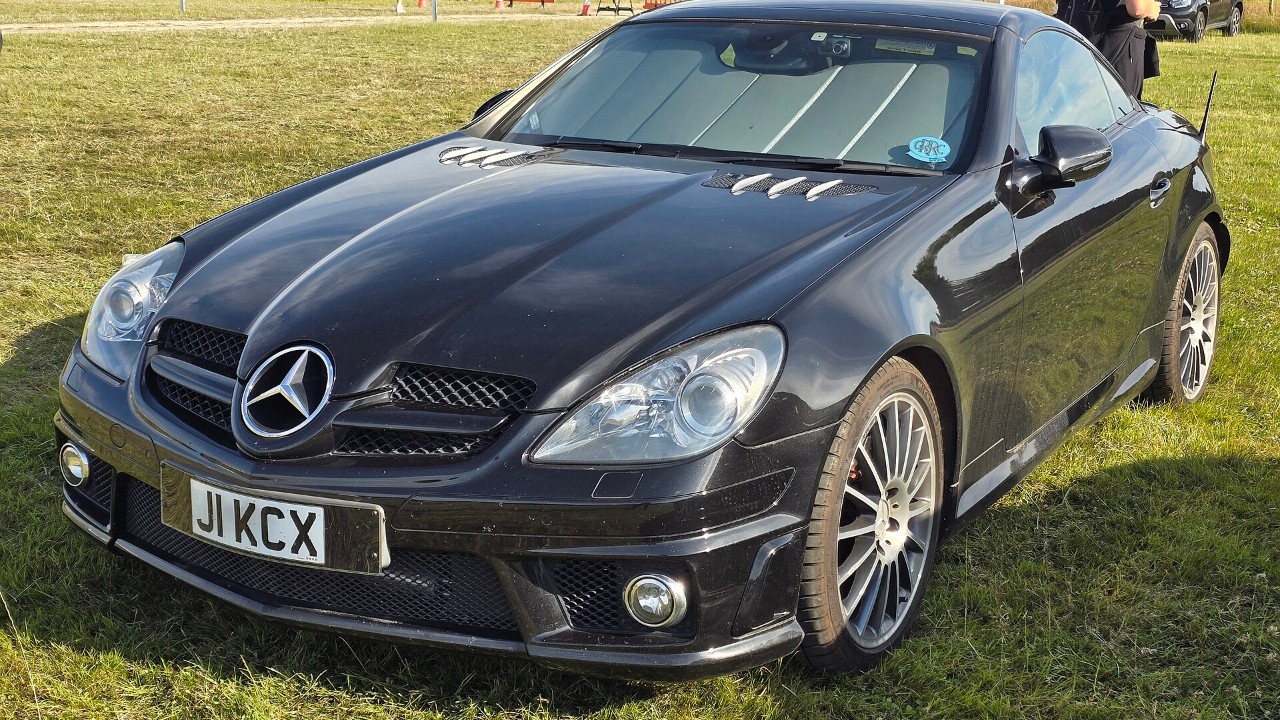
The second-generation SLK brought a front end inspired by Formula One noses and a folding hard roof that worked in 22 seconds. It also introduced AIRSCARF, which blew warm air onto your neck from the headrests. Then AMG dropped a big, naturally aspirated V8 into it.
In a used-car guide from evo, that V8 makes 355 bhp at 5,750 rpm and 376 lb-ft at 4,000 rpm. The magazine lists 0-62 mph in 4.9 seconds and a limited 155-mph top speed. It also calls the car “a thrilling driver’s car of a kind we’ll never see again.” New, it cost £49,640, but evo puts values today from about £13,000.
Evo also lists what to check: corrosion on the rear axle and brake lines, roof latch problems and electrical faults after a battery change. Our take: buy one with a clean roof mechanism and a service history. For well under a third of its new price, you get a V8 roadster that we think deserves far more respect.
9. 1965 Alfa Romeo Giulia Spider Veloce
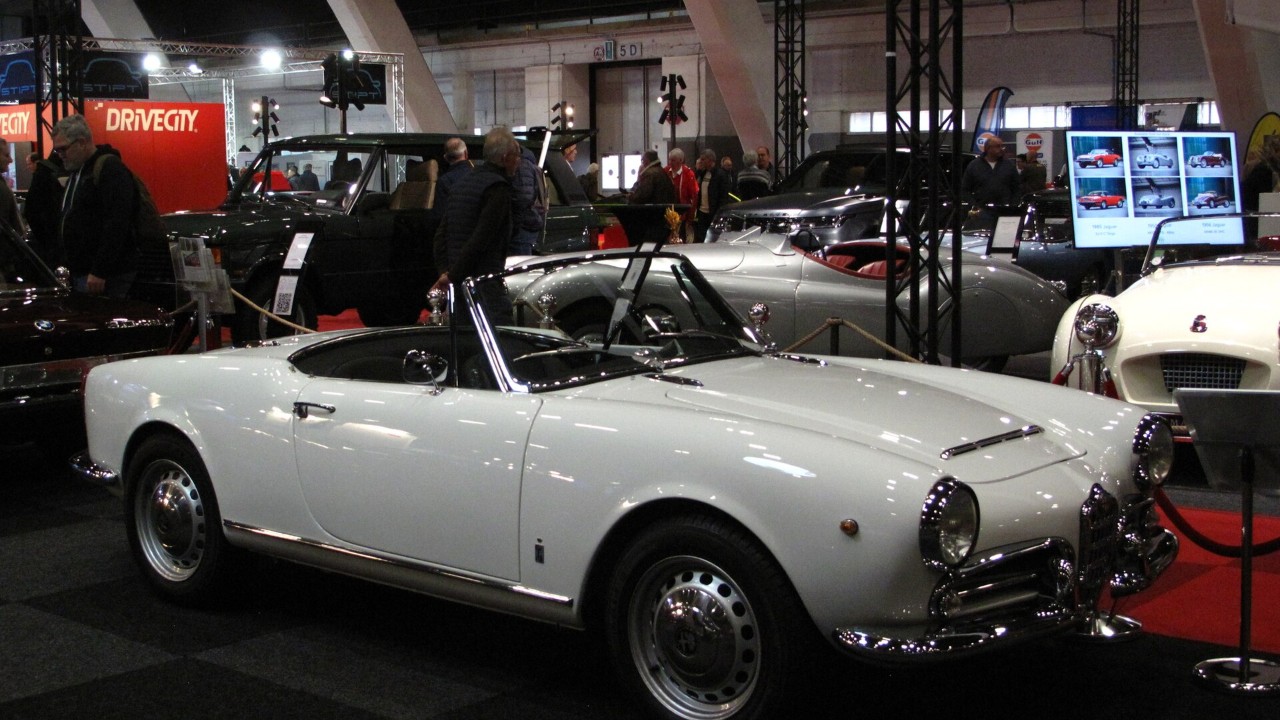
Alfa Romeo’s Giulia 1600 Spider joined the lineup in 1962, taking over from the 1.3-liter Giulietta Spider. Pininfarina designed and built its elegant body. A hood scoop gave it away, since the taller 1.6-liter block needed the extra room.
The standard Giulia engine raised output from 80 to 92 bhp. Then, in 1964, the Veloce arrived with what RM Sotheby’s describes as the Sprint Speciale’s 129-bhp engine. A five-speed manual came standard, and the 1600 Spider could reach 109 mph. Alfa replaced the whole line with the Duetto in 1966.
That makes the Giulia Spider Veloce a short-lived car. Our take: it is the most handsome Alfa roadster of the 1960s, and the Veloce engine gives it the performance to match. RM Sotheby’s sold a 1965 Giulia 1600 Spider Veloce for €82,000 at one of its Open Roads auctions.
More from Fast Lane Only