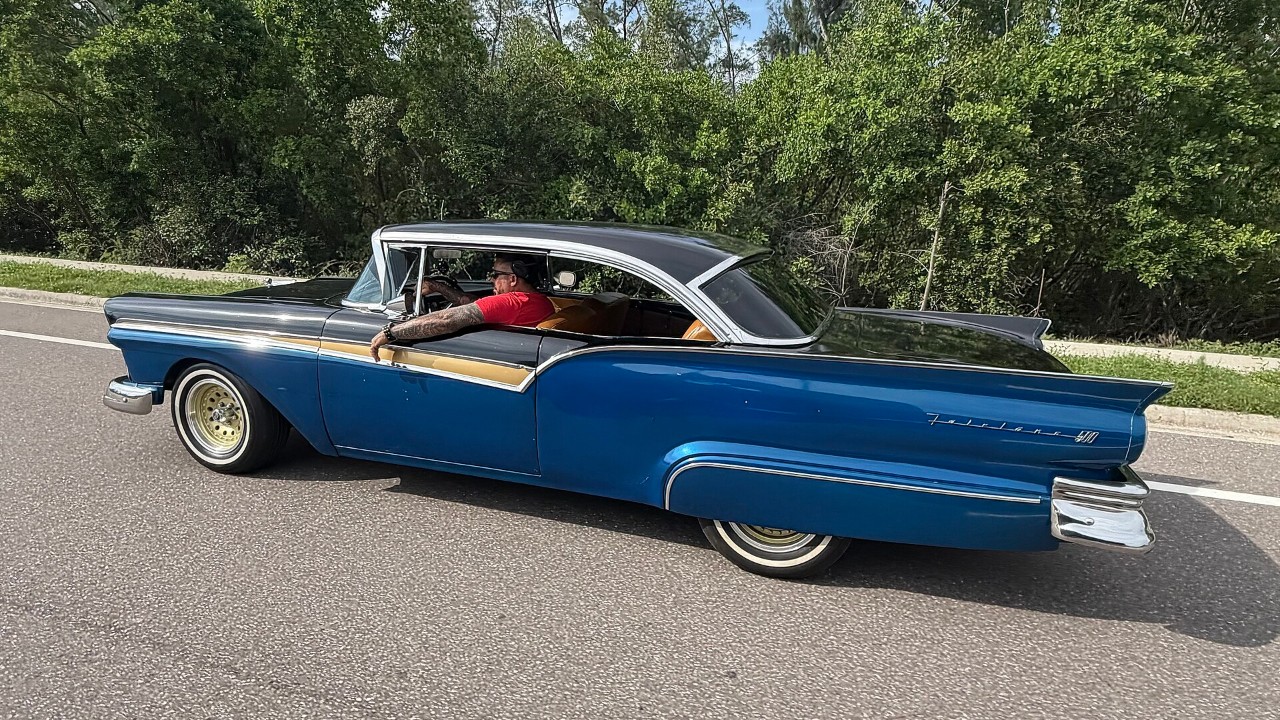
Ford’s Fairlane wore a lot of faces over the years. In 1955 it offered a chrome-heavy hardtop with a see-through roof. By 1968, it had become a fastback that sold by the tens of thousands. In fact, the Fairlane 500 badge alone covered a retractable hardtop, a bucket-seat sport coupe and a big-block intermediate. Few nameplates changed shape so often and kept their fans each time.
That variety is the reason a Fairlane draws a crowd at almost any car show. Some draw people in because of a gadget nobody else offered. Others win instead with clean proportions and a big V8 under the hood. But the ones that make people stop and stare share one thing: they look like nothing else in the lot.
These are our picks for seven Fairlanes that turn heads today. The choices and verdicts are our opinion. However, the production numbers, engines and sale results are facts. They come from museum records, auction catalogs and fact sheets we read for this list.
1. 1967 Ford Fairlane GT/A hardtop
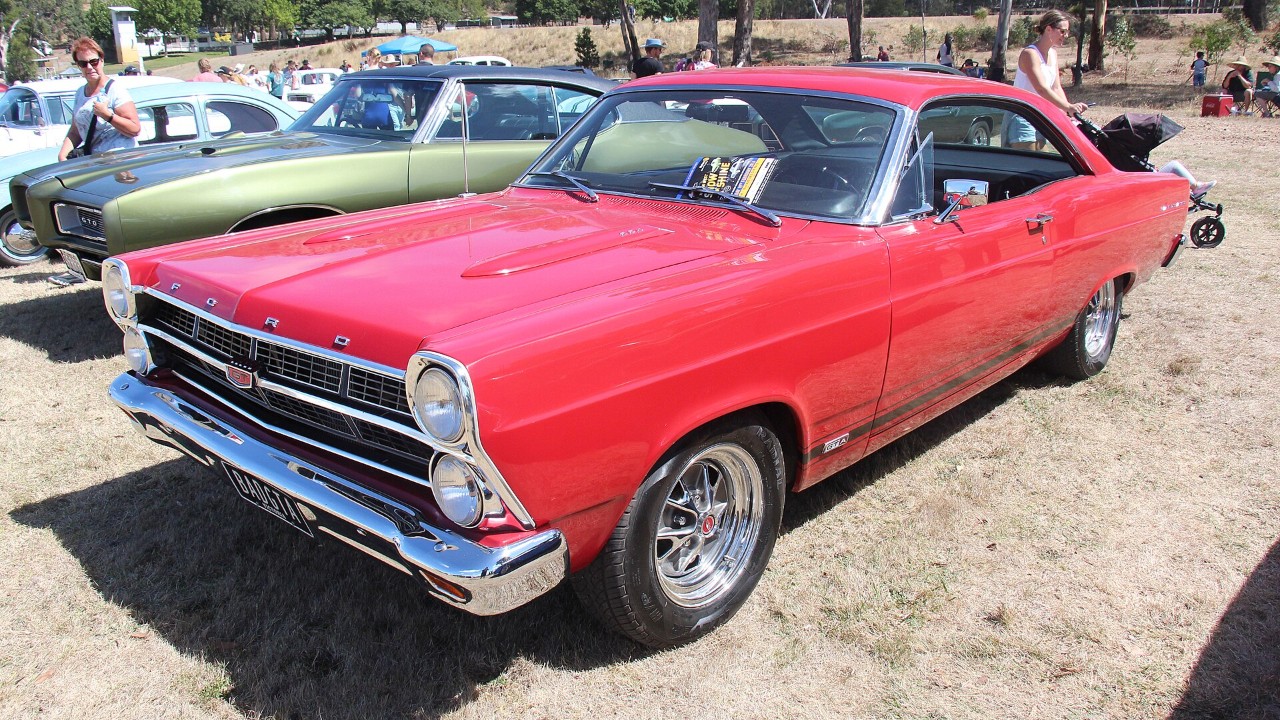
Ford introduced the GT and GTA packages for 1966 on the redesigned Fairlane. Both also came with the 390-cubic-inch FE V8 as standard. The letter at the end mattered, though. A Barn Finds look at a 1967 Fairlane GTA sums it up as “GT = 4-speed, GTA = automatic.” The A pointed to Ford’s SportShift Cruise-O-Matic automatic.
The same write-up notes that the cars changed little for 1967. That is good news for the eye, because a 1967 hardtop looks just as sharp as the first-year car. Meanwhile, under the hood, a 390 gives it the torque to back up the looks.
Our take: the GT/A is the Fairlane for people who want muscle-car presence without rowing gears in traffic. It also opens the door to the bigger story of Ford’s 390 intermediates. We explored that story in Ford’s 1967 Fairlane GT with a 390 V8. Park one with the hood up, and expect a line of people waiting to talk.
2. 1967 Ford Fairlane 500 XL
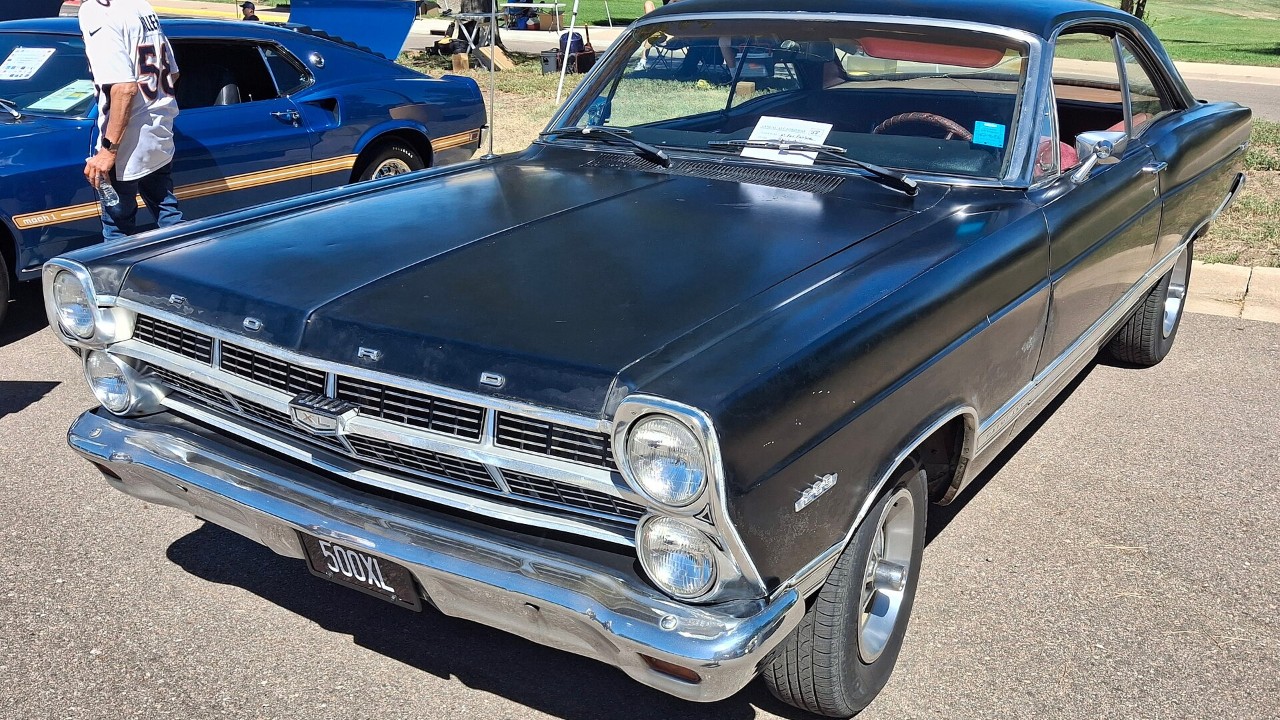
Ford added the XL package to the Fairlane in 1966. According to an RM Sotheby’s catalog entry for a 1967 Fairlane 500XL, the XL served as a companion to the GT. It carried more luxury trim and put less emphasis on sport. Inside, buyers also got all-vinyl bucket seats and a center console, plus special rocker panel moldings outside.
Convertibles were scarce. That same catalog says Ford produced just 1,943 of them for 1967. The car RM offered carried the extra-cost 320-hp, 390-cubic-inch V8 and a four-speed manual. It sold for $36,300 at the Auburn Spring auction in 2014.
In our view, the 500 XL is the Fairlane that rewards a close look. From across the parking lot, it reads as just a tidy mid-size Ford. Up close, however, the buckets, console and trim tell you someone checked the expensive boxes on the order form. Painted black, it looks especially formal.
3. 1955 Ford Fairlane Crown Victoria Skyliner
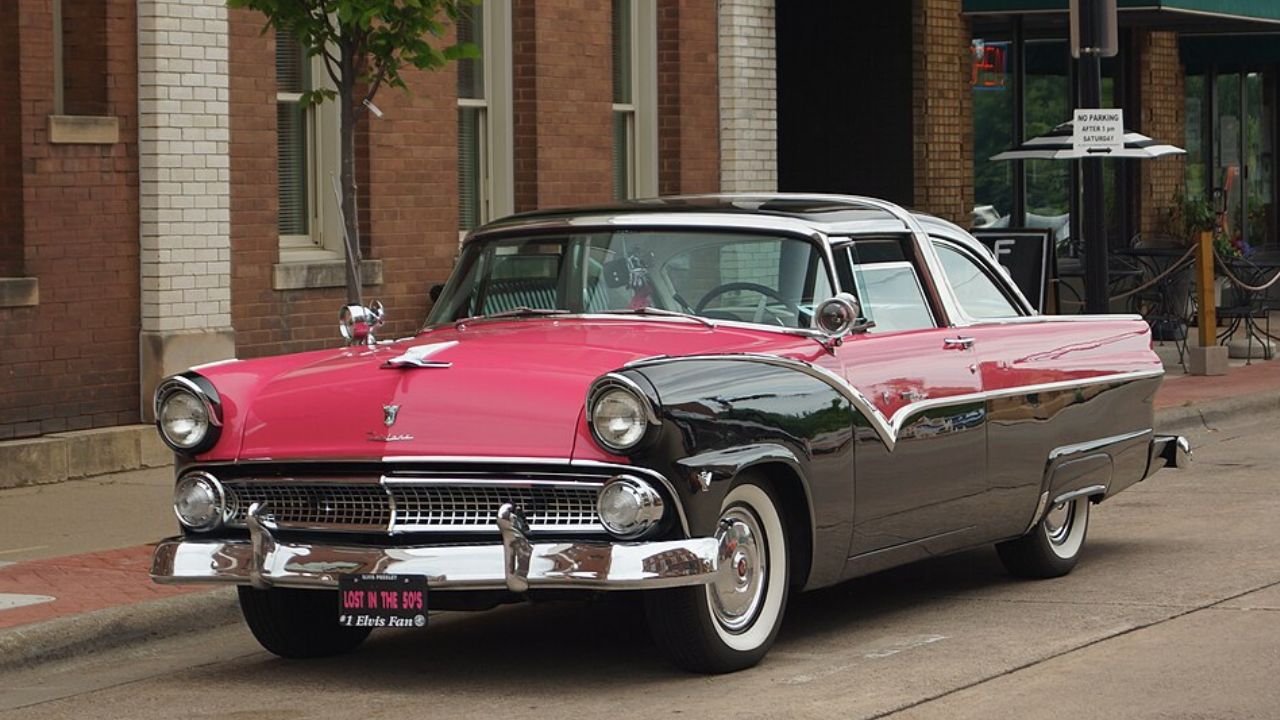
The Crown Victoria already stood out in 1955 thanks to its chrome “basket handle” band across the roof. Ford then went further and offered a transparent top. The Martin Auto Museum’s record for its 1955 Crown Victoria describes a green-tinted, quarter-inch-thick molded acrylic roof panel. That option cost $69.49 when the car sold new for about $2,700.
Still, very few buyers ticked the box. According to the museum, Ford built 33,165 Crown Victorias in 1955, but only 1,999 of them had the transparent top. The museum’s car uses a 272-cubic-inch V8 rated at 182 horsepower with a three-speed Fordomatic automatic. In other words, the mechanicals were ordinary Ford, while the roof was pure showmanship.
Our take: no Fairlane draws more questions per minute. Expect people to peer down into the cabin and ask how hot it gets in July. The car never gets old, and neither does that conversation. If you love 1950s styling, this is the one to find.
4. 1957 Ford Fairlane 500 Skyliner
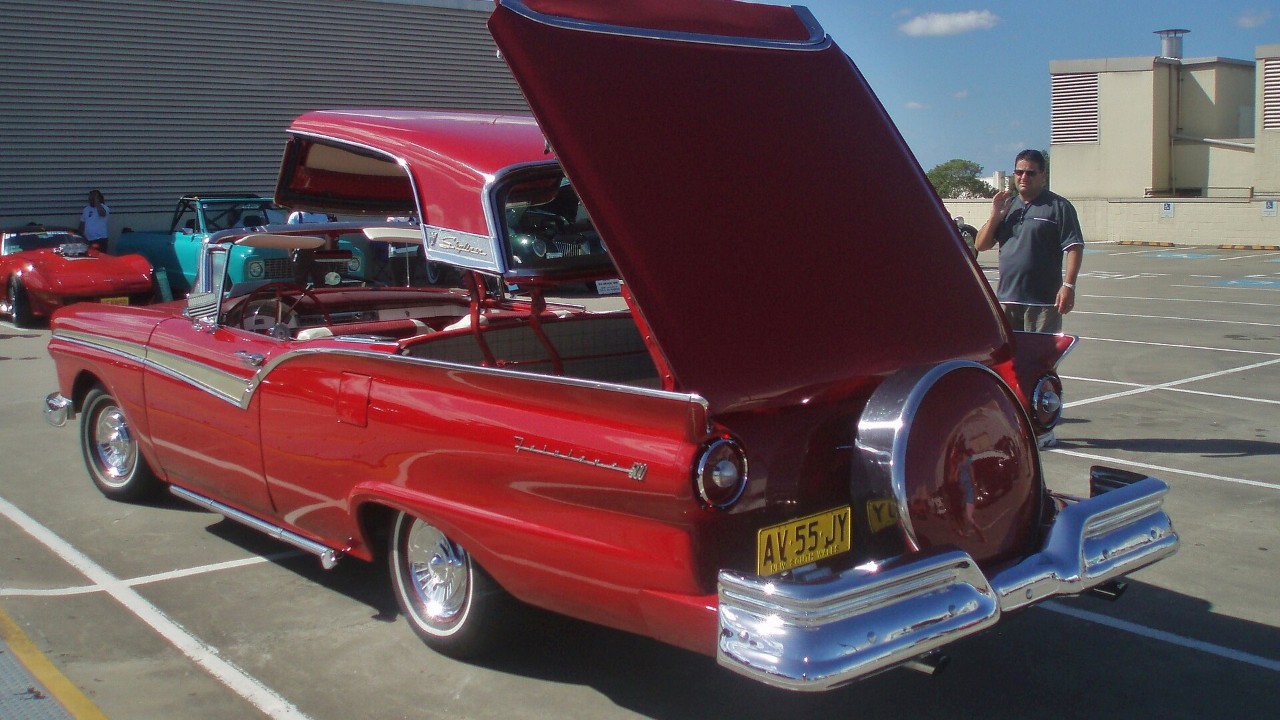
The 1957 Skyliner took a different approach to open-air driving. Instead of fabric, it used a solid roof that folded and disappeared into the trunk at the touch of a button. For example, an RM Sotheby’s lot description for a 1957 Skyliner lists the parts. It counts 600 feet of wire, five motors, 10 solenoids, nine circuit breakers and 13 switches.
The same catalog says Ford sold 20,766 Fairlane 500 Retractables in 1957. Sales then fell to 14,713 in 1958 and 12,915 in 1959, according to the Martin Auto Museum. The car RM offered had a 292-cubic-inch V8 rated at 190 hp and an automatic. It sold for $33,000 at the 2014 California auction.
In our opinion, the roof cycle is the best show on any classic car field. Crowds gather the moment the trunk lid starts to rise. We have covered open-air Fords before in 7 Fairlanes that defined open-air enjoyment. Even so, this car belongs here, because it stops traffic every time the top moves.
5. 1968 Ford Fairlane 500 fastback
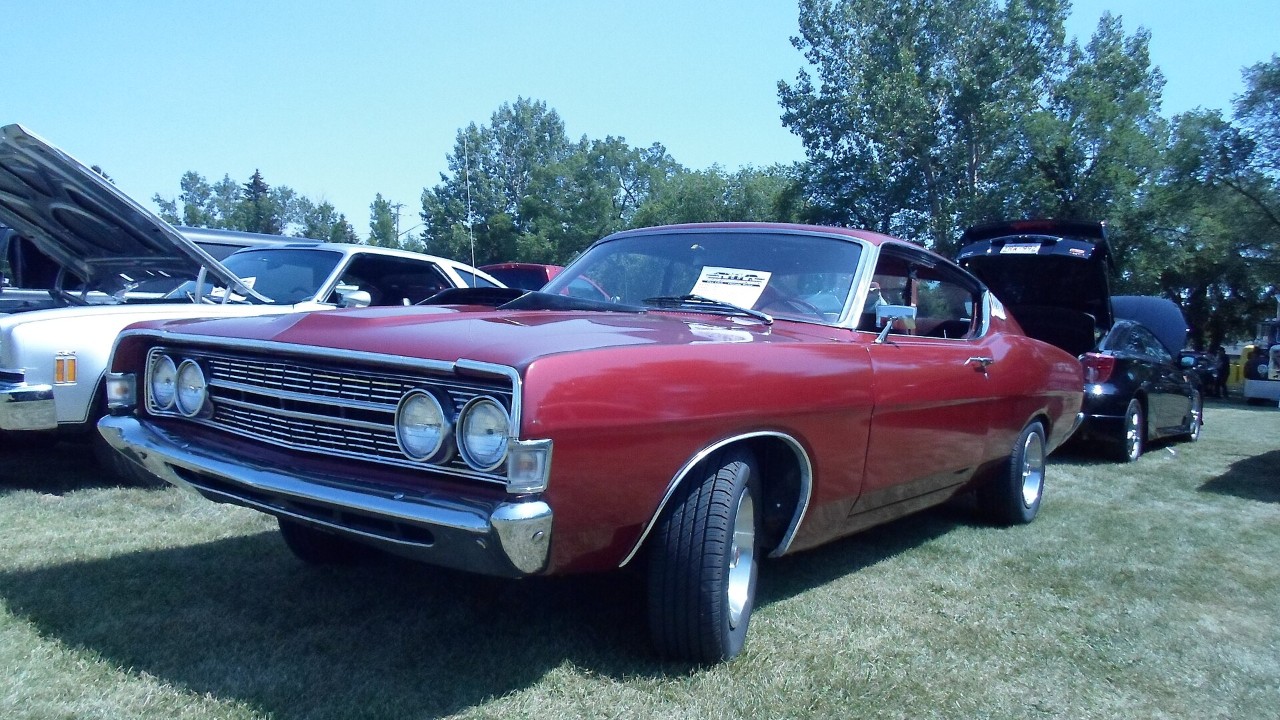
Ford reskinned its intermediates for 1968 under styling vice president Gene Bordinat. Buyers could pick a conventional Sport Coupe or a slant-roofed Fastback, and Ford later renamed the fastback the SportsRoof. A Mac’s Motor City Garage history of the 1968 fastbacks says the two Fairlane 500 versions then sold in nearly equal numbers.
A 1968 Fairlane-Torino fact sheet from Over Drive magazine gives the split. It puts fastback output at 32,452 in the Fairlane 500 line and 74,135 in the Torino GT line. The 1968 cars kept a 116-inch wheelbase but grew about four inches longer. Engines ranged from a 200-cubic-inch six to the 428 Cobra Jet, which became available from April 1, 1968.
Our take: the Fairlane 500 fastback is the sleeper of this list. Most people assume they are looking at a Torino GT. Then they spot the Fairlane script and do a double take. That long roofline looks fast standing still. We would take one with a 390 and leave the badges exactly as Ford installed them.
6. 1964 Ford Fairlane 500 Sports Coupe
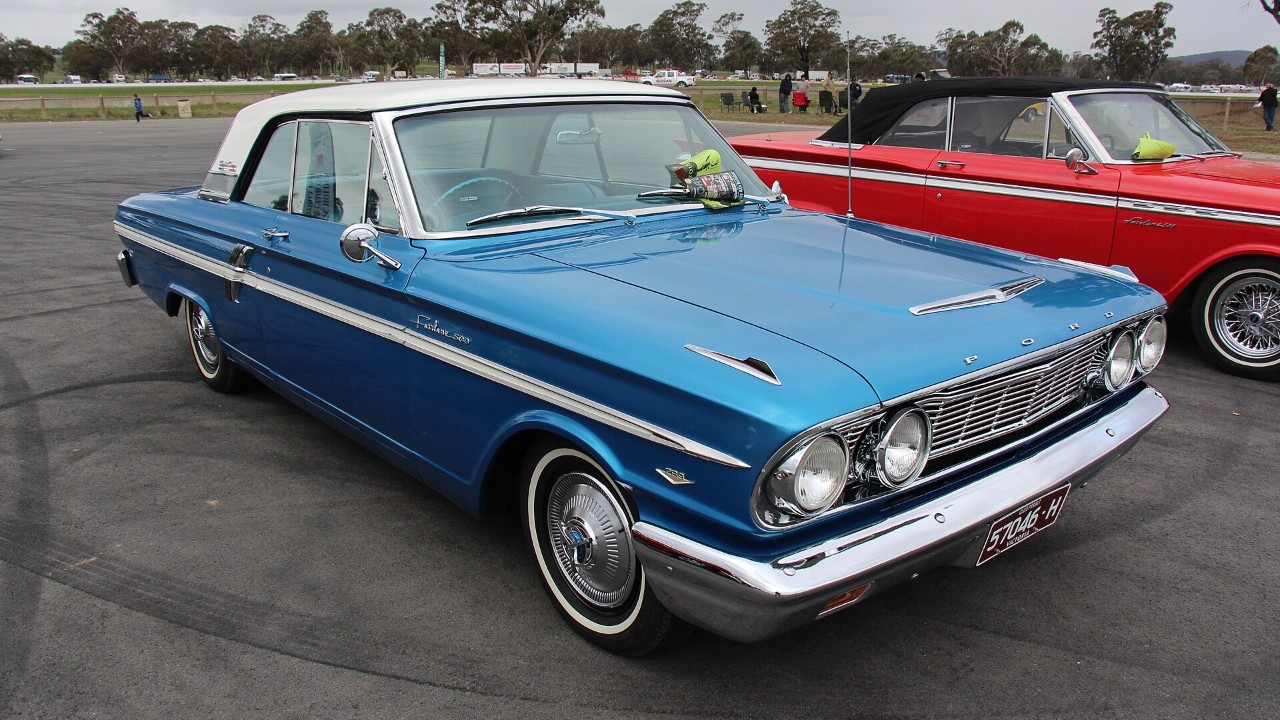
Ford introduced the Sports Coupe option on the Fairlane 500 partway through 1962. It brought bucket seats and a console to Ford’s new intermediate. By 1964, buyers could also order the 271-horsepower “K-code” 289 V8, which gained dual exhausts that year. A milder 195-hp, two-barrel 289 joined the range in 1964 as well.
In our view, the K-code is the version to chase. For example, RM Sotheby’s sold a 1963 Fairlane 500 Sports Coupe with the 289 High Performance V8 in 2018. It brought $25,300 at the Auburn Spring sale. That car also had bucket seats and a console, the features that defined the package.
Overall, the 1964 Sports Coupe is the most understated car here. It has none of the fins or chrome of the 1950s Fairlanes, and none of the fastback drama of 1968. Instead, it has crisp lines and the right proportions. Show-goers who know Fords tend to circle back for a second look. That is especially true when the hood is open and a 289 HiPo sits inside.
7. 1959 Ford Fairlane 500 Galaxie
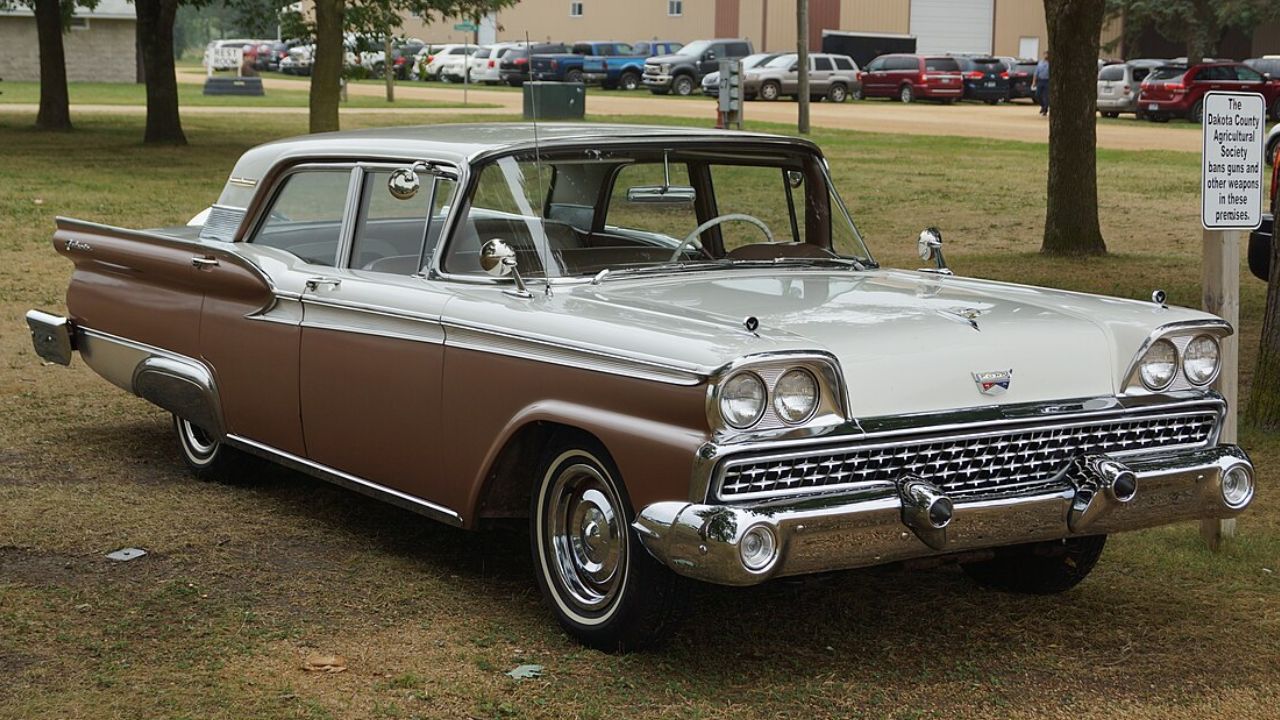
Ford added the Galaxie as a new top-of-the-line series partway through the 1959 model year. Because the change came mid-stream, the first Galaxies wore two names. According to the Martin Auto Museum’s 1959 Galaxie Skyliner record, the cars carried both. “Fairlane 500” badges sat on the rear, while “Galaxie” badges sat on the sides.
The museum lists a 292-cubic-inch, two-barrel V8 rated at 200 horsepower as the standard engine. It also lists a 352-cubic-inch V8 rated at 300 horsepower. Ford paired these with a two-speed Fordomatic or three-speed Cruise-O-Matic. As a result, a well-optioned Galaxie could feel quite brisk for a big 1959 car.
Our take: the dual badging is the detail that makes enthusiasts lean in. It marks the exact moment Ford’s flagship changed names. For more on how the 1959 Ford stacked up, see our comparison of the 1959 Ford Fairlane and 1959 Chevrolet Biscayne. For a show car that starts conversations, look for a Galaxie with both sets of badges intact.
More from Fast Lane Only