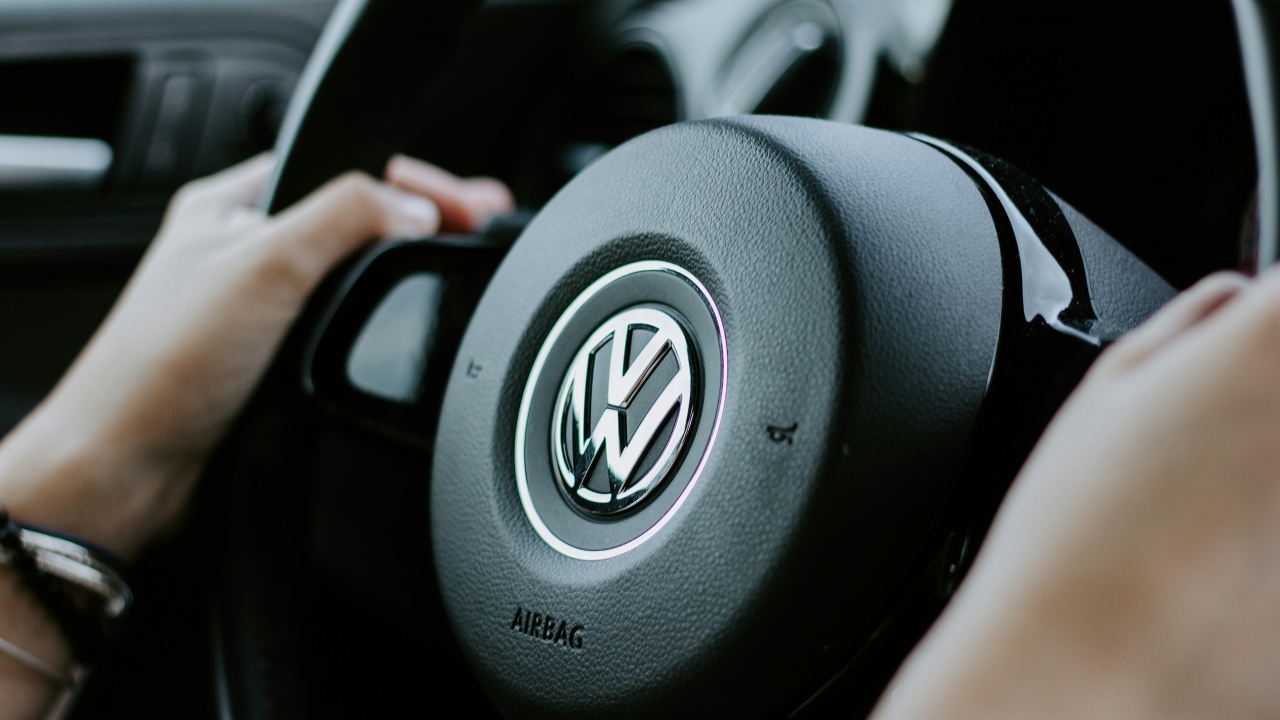
Volkswagen and Porsche are recalling more than half a million vehicles in the United States after regulators flagged a defect that can cause rearview camera images to fail when drivers shift into reverse. The sweeping action affects a wide range of luxury models and underscores how a single software glitch in a driver assistance system can trigger a massive safety response. At its core, the campaign is about a simple but critical question: whether drivers can reliably see what is behind them when backing up.
How a camera glitch triggered a massive recall
The recalls center on problems with rearview camera systems that can prevent the image from appearing on the dashboard display, even though the vehicle is in reverse. I see this as a textbook example of how modern cars, packed with software and digital interfaces, can develop safety issues that are less about mechanical failure and more about code and integration. Regulators treat the rear camera as a key crash prevention tool, so any defect that interrupts that image is treated as a serious safety risk rather than a minor annoyance.
Volkswagen Group of America has acknowledged that the defect can cause the backup view to cut out or never appear, prompting a recall that covers multiple brands under its umbrella. One report notes that the company is recalling 356,649 Audi vehicles in the United States after the National Highway Traffic Safety Administration, formally referenced as National Highway Traffic Safety, identified the rear camera malfunction as a safety defect. Another filing describes how Problems with the rearview mirror display led Porsche and Volkswagen to extend similar action to their own lineups, pushing the combined total above 500,000 affected vehicles in one of Volkswagen’s key markets.
Which Volkswagen, Audi and Porsche models are affected
The scale of the campaign becomes clearer when I look at the individual brand tallies. For Audi, Volkswagen Group of America is recalling 356,649 vehicles, a figure that covers a broad mix of SUVs and performance models. The affected Audi lineup includes popular nameplates such as the Q5, Q7 and Q8, as well as higher performance variants like the SQ8, with model years stretching from 2020 through 2026 according to recall summaries. These vehicles share similar infotainment and driver assistance architectures, which helps explain why a single camera software issue can ripple across so many distinct models.
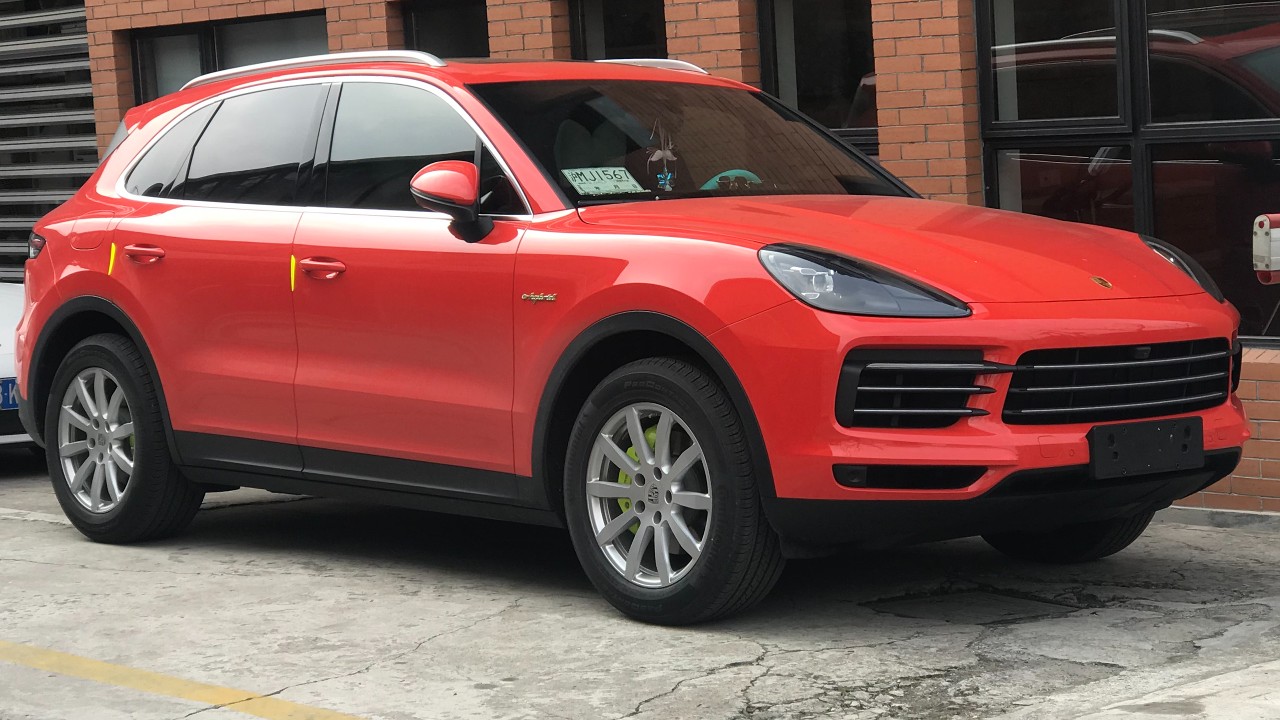
Porsche is facing a similarly wide ranging fix, although on a smaller absolute scale. The company is recalling 173,538 vehicles in the United States because the rearview camera image may fail to display when the car is shifted into reverse, a defect that regulators say increases the risk of a crash. That tally spans luxury SUVs and sports cars, including the Porsche Cayenne SUV and other high end models that share the same camera and display logic. Additional reporting notes that Volkswagen and Porsche together are recalling more than 500,000 vehicles in the U.S. market, a figure that aligns with the 500,000 plus total cited by The National Highway in its summaries of the campaign.
What regulators say about the safety risk
Rearview cameras are not just convenience features, they are embedded in federal safety rules that aim to prevent backover crashes, particularly those involving children and pedestrians. When I read through the defect descriptions, the concern from National Highway Traffic Safety is straightforward: if the image does not appear, drivers lose a critical layer of visibility that regulators have come to expect as standard. The agency has linked the malfunction to an increased risk of collisions while reversing, especially in tight spaces like driveways, parking lots and garages where drivers rely heavily on the camera view.
In its recall documentation, National Highway Traffic Safety describes how the software issue can cause the display to remain blank or freeze, even though the vehicle is in reverse and the camera should be active. That behavior violates federal performance requirements for rear visibility systems, which is why the agency pressed Volkswagen Group of America, Audi and Porsche to act. Separate coverage of the Porsche campaign notes that the defect can occur intermittently, which is arguably more dangerous than a complete failure, because drivers may not realize that the system has stopped working until they are already backing up.
How owners will be notified and what fixes are planned
For owners, the most important question is what happens next and whether they will have to pay for the repair. The answer, based on recall notices, is that Dealers will update the driver assistance software free of charge. The fix focuses on reprogramming the control units that manage the rearview camera and infotainment display so that the image reliably appears whenever the transmission is shifted into reverse. Because the issue is software based, most vehicles should not require new hardware, which helps speed up the repair process and reduces the risk of parts shortages.
Automakers are preparing to send Interim letters to affected customers explaining the safety risk and outlining the steps needed to schedule a service appointment. Owners are being directed to check their vehicle identification numbers on the National Highway Traffic Safety recall portal, which will list whether a specific car is covered and confirm when the remedy is available. In parallel, Volkswagen, Porsche and Audi dealers are being instructed on how to apply the software update and verify that the rearview camera image appears correctly after the fix, a step that regulators will monitor closely.
Why this recall matters for high tech cars
I see this recall as part of a broader pattern in which software glitches, rather than mechanical failures, are driving some of the largest safety campaigns in the auto industry. Modern vehicles rely on complex code to coordinate cameras, sensors and digital dashboards, and a small error in that stack can have outsized consequences. The fact that Volkswagen Group brands are recalling more than half a million vehicles in the US because the rearview cameras could fail to display an image shows how regulators and manufacturers are treating digital visibility tools as core safety equipment, not optional extras.
The episode also lands in a regulatory environment that is already focused on advanced driver assistance and new vehicle categories. Separate reporting has highlighted how Trump has approved tiny Kei cars for US manufacturing, while also noting that safety rules could halt rollout if these compact vehicles cannot meet federal standards. That context underscores why Volkswagen, Porsche and Audi are moving quickly to address the rearview camera defect: as cars become more software defined and as new formats like Kei inspired models enter the conversation, companies that operate in the U.S. market will be judged on how reliably their technology supports basic safety functions such as seeing what is behind the vehicle.
More from Fast Lane Only: