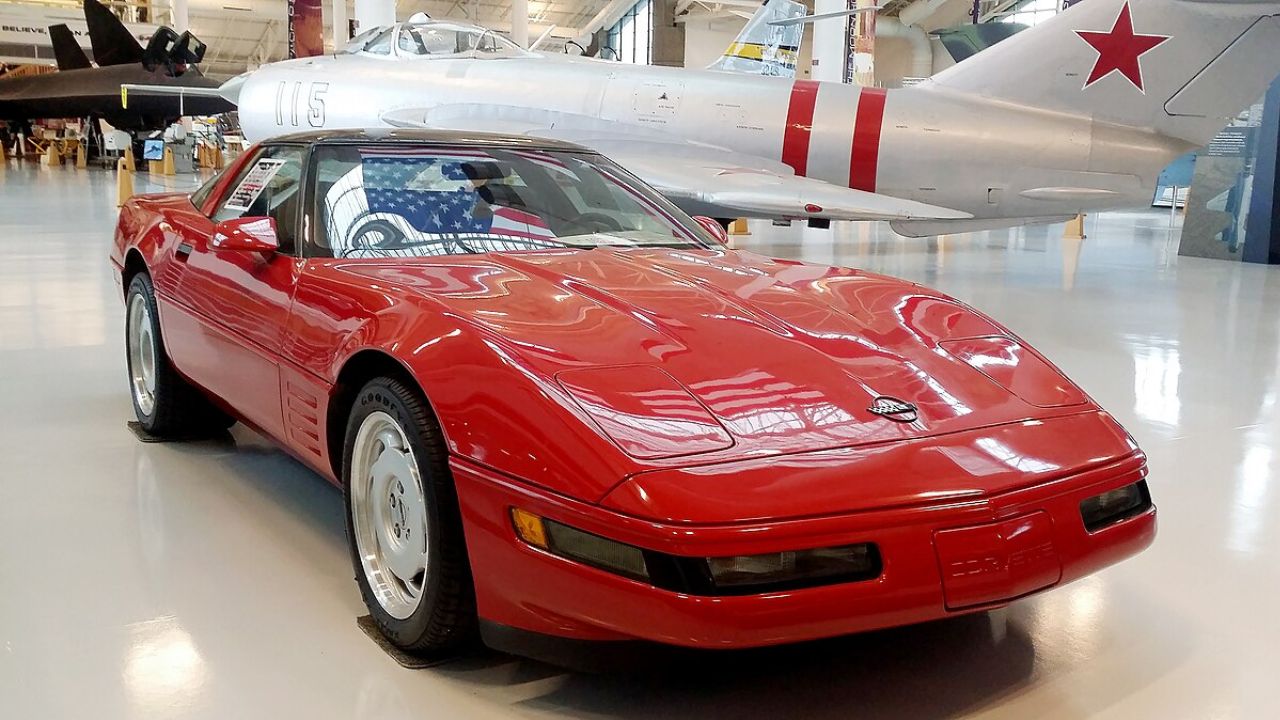
Owners of the 1990 Chevrolet Corvette ZR-1 tend to treat certain parts like they’re irreplaceable—because in many cases, they practically are. This isn’t just typical “don’t touch my classic” behavior; it’s a reaction to how the ZR-1 was engineered, how it was built, and how its specialty components were supplied. The result is a car where originality can hinge on a handful of items that aren’t shared with a regular C4 Corvette.
Why the ZR-1’s engineering makes some components hard to substitute
The 1990 ZR-1 launched with the LT5, a 32-valve, dual overhead-cam V8 that was very different from the pushrod small-blocks Corvette buyers were used to. Even though it lived in a C4 chassis, much of what made the ZR-1 special sat under the hood and didn’t cross over with mainstream Corvette parts. When a component is unique to a low-volume performance variant, owners know that “I’ll just replace it later” can turn into an expensive scavenger hunt.
That uniqueness goes beyond the engine itself. The ZR-1 package included specific hardware and supporting systems designed around the LT5’s needs and packaging. Because the car is a blend of standard C4 structure and specialized ZR-1 content, it’s common for owners to preserve anything that helps prove the car is still authentically ZR-1 rather than a mix of convenient substitutions.
Low production and attrition make original pieces matter
Even among Corvettes, the ZR-1 was a niche model, and 1990 was its first model year. Limited production runs tend to thin out the parts ecosystem over time, especially for items that are easily damaged, discarded, or swapped during repairs. If a piece was only made for that specific variant and wasn’t stocked in large numbers for decades, it naturally becomes something people try to save rather than replace.
Attrition matters, too. Performance cars often live harder lives, and ZR-1s were frequently driven like the flagship they were. That means original exhaust pieces, cooling components, sensors, trim, and other specialized items may have been used up, modified, or removed long ago—making a truly original survivor more dependent on careful preservation by today’s owners.
The LT5’s specialty supply chain encourages “save what you’ve got” behavior
The LT5’s story is part of what drives the preservation mindset. It wasn’t just another GM small-block variant; it was a specialized engine program with its own development and manufacturing path. Engines and engine-specific components tied to unusual manufacturing arrangements often don’t have the same long-term parts support as high-volume powerplants, and that reality shapes owner behavior in a big way.
Over the years, some LT5-related parts have been available through specialist channels, rebuilders, and enthusiast networks, but availability can vary. That uncertainty is exactly why owners will carefully box up removed original components—even if they upgrade something for drivability—because the factory-correct piece might be difficult to source again if they ever want to return the car to stock or document its originality.
Exterior identifiers are easy to disturb and hard to replicate correctly
ZR-1s have visual cues that owners tend to protect because they’re central to the car’s identity. Things like the distinctive wide rear bodywork and ZR-1-specific badging can be damaged by minor impacts, poor paintwork, or careless disassembly. Even when replacement parts exist, getting the fit, finish, and correct details right can be challenging decades later.
Owners also know that outward details are what judges, buyers, and fellow enthusiasts notice first. A car can have the right engine and options, but if the unique ZR-1 exterior pieces look off—wrong finish, incorrect placement, questionable reproduction quality—it can raise doubts. Preserving original trim, emblems, and related hardware is a simple way to keep the car’s story consistent.
Originality affects value, but it also affects credibility
Collectors often talk about value, but for many ZR-1 owners, the bigger issue is credibility: being able to show that the car still reflects how it left the factory. The ZR-1 has been popular enough that it’s not unusual to see cars with a mix of correct and incorrect parts after decades of repairs and owner changes. Keeping unique original pieces—especially ones commonly swapped or lost—helps an owner avoid the “nice car, but what’s been changed?” conversation.
This is especially true with parts that are hard to verify at a glance. A careful owner will keep documentation, removed original components, and any factory-correct items that might be replaced for convenience. It’s not necessarily about creating a museum piece; it’s about maintaining a clear chain of evidence that the car remains a proper, intact example of a historically important Corvette variant.
Enthusiast culture rewards careful stewardship of uncommon hardware
The ZR-1 community has long been detail-oriented, and that culture encourages preservation. Owners trade notes on correct finishes, proper fasteners, production quirks, and component variations that are easy to overlook if you treat the car like a standard C4. When a community cares about those details, it naturally nudges owners toward saving original pieces instead of discarding them during upgrades or restorations.
That stewardship also reflects how the 1990 ZR-1 is viewed today: not just as a fast Corvette, but as a milestone in the model’s performance and engineering arc. Preserving unique parts is a way of preserving the car’s “point in time” character—the things that made it stand apart when it was new, and the things that still make it recognizable now.