Volvo is betting that a new breed of long‑range plug‑in hybrids can quiet one of the loudest doubts about electric cars: the fear of running out of charge. By targeting roughly 100 miles of electric driving before the engine ever wakes up, the company is trying to give hesitant buyers a way to live with an EV‑like experience while keeping a fuel safety net in reserve. The strategy sits alongside, not instead of, Volvo’s aggressive battery‑electric rollout, and it reveals how the brand thinks the transition to full electrification will actually unfold on real roads.
Rather than treating plug‑in hybrids as a half‑step that should quietly fade away, Volvo is reimagining them as electric vehicles first, with combustion power demoted to a supporting role. That shift in emphasis, backed by specific range targets and new powertrain layouts, could reshape how drivers view hybrids and how quickly they are willing to leave pure gasoline behind.
From compliance hybrid to “electric car with backup”
Volvo executives have been unusually blunt about the shortcomings of today’s plug‑in hybrids. The company’s CEO has acknowledged that current PHEV technology is not especially impressive for efficiency or for the customer experience, a candid assessment that reflects how often owners treat these vehicles as conventional gasoline cars with a small battery on the side. That pattern undermines both emissions benefits and driver satisfaction, and it is the starting point for what Volvo describes as a second generation of plug‑in systems that must feel fundamentally different.
The internal target is that future plug‑ins should behave like “an electric vehicle with a backup engine,” in the words attributed to Volvo Chief St in reporting on The Next Generation of the company’s electrified lineup. That framing flips the script: the battery and electric motor are meant to handle the vast majority of daily driving, while the combustion engine is relegated to occasional long‑distance support. It is a philosophical shift, but it is also a technical one, because it demands much larger usable battery capacity and control software that prioritizes electric operation instead of preserving charge for later.
Why 100 miles matters for range‑anxious drivers
The centerpiece of Volvo’s plan is a family of plug‑in hybrids targeting roughly a 100‑mile electric range, a figure the company has floated repeatedly as it outlines its next steps. In coverage of Volvo Proposes 100‑Mile plug‑in hybrids as a Bridge for Drivers with Range Anxiety, that specific “100-Mile” benchmark is presented as the sweet spot that allows most commutes, school runs, and errands to be completed without burning fuel at all. For drivers who worry that today’s 30‑ to 40‑mile plug‑in ranges are too easy to blow through, trip after trip, the psychological effect of seeing a three‑digit electric estimate on the dash could be significant.
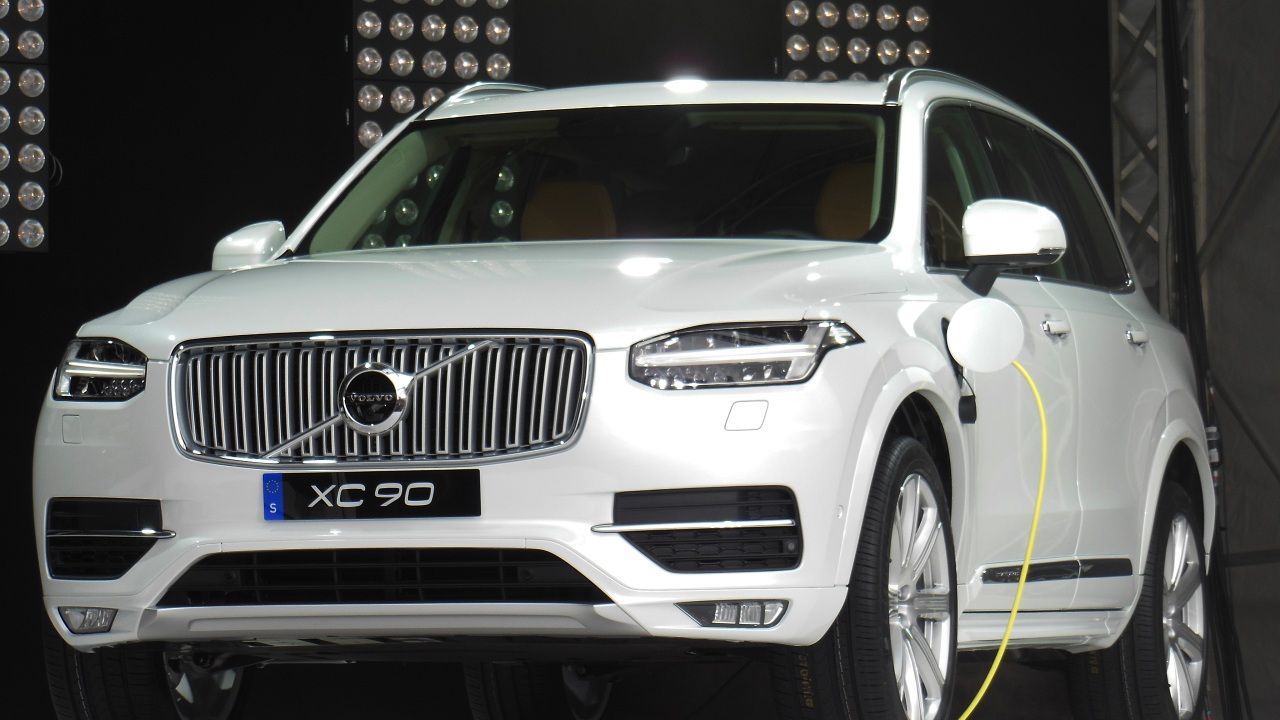
Volvo’s own experience with existing models supports the idea that more electric range changes behavior. Dealer material from Bob Penkhus Volvo Cars, for example, frames the question “Is the 2026 Volvo XC90 Plug-in Hybrid’s Electric Range Enough for Daily Driving” around whether the current XC90 Plug‑in Hybrid can cover typical Colorado Springs commutes on electricity alone. That sales pitch leans on the notion that if a driver can complete a normal day without the engine, the hybrid begins to feel like a true EV in daily life. Extending that concept to roughly 100 miles of electric range, and positioning it explicitly as a Bridge for Drivers with Range Anxiety, is Volvo’s attempt to make that EV‑first reality accessible to a much larger share of buyers.
Engineering a PHEV that behaves like an EV
Delivering that kind of electric range requires more than a bigger battery. Volvo’s next‑generation plug‑ins are being described as having no mechanical connection, or even the ability to clutch in, to drive the wheels directly with the gas engine. Reporting on the new concept notes that There is instead a dedicated electric drive, with the combustion unit acting as a generator and backup power source. In practice, that means the car always moves under electric power, and the engine’s role is to feed the battery when needed rather than to turn the wheels itself.
That layout is a deliberate attempt to make the driving experience indistinguishable from a battery‑electric vehicle in most situations. The Next Generation of Volvo plug‑ins, as outlined by Volvo Chief St, is meant to prioritize smooth, quiet electric acceleration, with the engine starting only when the battery is depleted or when sustained high‑speed travel demands extra energy. By avoiding direct mechanical coupling, Volvo can tune the engine to run in its most efficient range when it does operate, which should help address the CEO’s criticism that current PHEV systems are not particularly strong on real‑world efficiency.
Keeping hybrids while doubling down on full EVs
Volvo’s plug‑in push does not signal a retreat from pure electric vehicles. On the contrary, the company is simultaneously rolling out long‑range battery‑electric models such as the EX60, which is being introduced with a headline figure of 503.3-miles of range in its top P12 configuration. Separate reporting on the EX60 notes that the SUV offers 503 miles of maximum range under the WLTP standard, which should translate to “400-plus” miles in U.S. testing, and describes the model’s performance as approaching Supercar territory. Those numbers are meant to show that Volvo can already build EVs that erase traditional range anxiety for buyers willing to go fully electric.
The plug‑in hybrids, by contrast, are framed as a pragmatic complement. While the new EX60 was being introduced, Volvo’s chief strategy officer Michael Fleiss told assembled media that the company is working on PHEVs with about a 100‑mile electric range, and that these vehicles should be seen as a second generation of plug‑ins rather than as classic range‑extender designs. In a separate roundtable, Volvo’s Chief Strategy and Product Officer Michael Fleiss clarified that these hybrids will not be pure range‑extender cars, underscoring that they are intended to operate primarily as EVs with a combustion backup rather than as gasoline cars that happen to carry a plug. That nuance matters for regulators and for customers who want to cut fuel use without fully committing to a charging‑only lifestyle.
A long transition, not a sudden switch
Volvo’s leadership has also signaled that these advanced plug‑in hybrids are not a short‑term stopgap. Samuelsson, who started his second stint as CEO after replacing Rowan, has been described as less bullish about battery‑electric vehicles than some rivals because acceptance of the powertrain shift has been slower than early forecasts suggested. In that context, he has indicated that second‑generation plug‑in hybrids are likely to remain in the lineup into the 2030s, reflecting a belief that many markets will need a longer on‑ramp to full electrification.
That stance aligns with the company’s broader product cadence. While the EX60 and other long‑range EVs aim to satisfy early adopters and drivers with access to robust charging, the planned 100‑mile plug‑in hybrids are designed for households that lack home chargers, live in colder climates, or simply want the reassurance of a fuel tank. By offering both Class‑Leading Volvo Electric Range in pure EVs and significantly extended electric capability in hybrids, Volvo is effectively hedging against uneven infrastructure build‑out and varied consumer readiness. The company is not abandoning its electric ambitions, but it is acknowledging, through concrete products and range targets, that the road to a fully electric future will be paved with a lot of very capable plug‑in hybrids.
More from Fast Lane Only