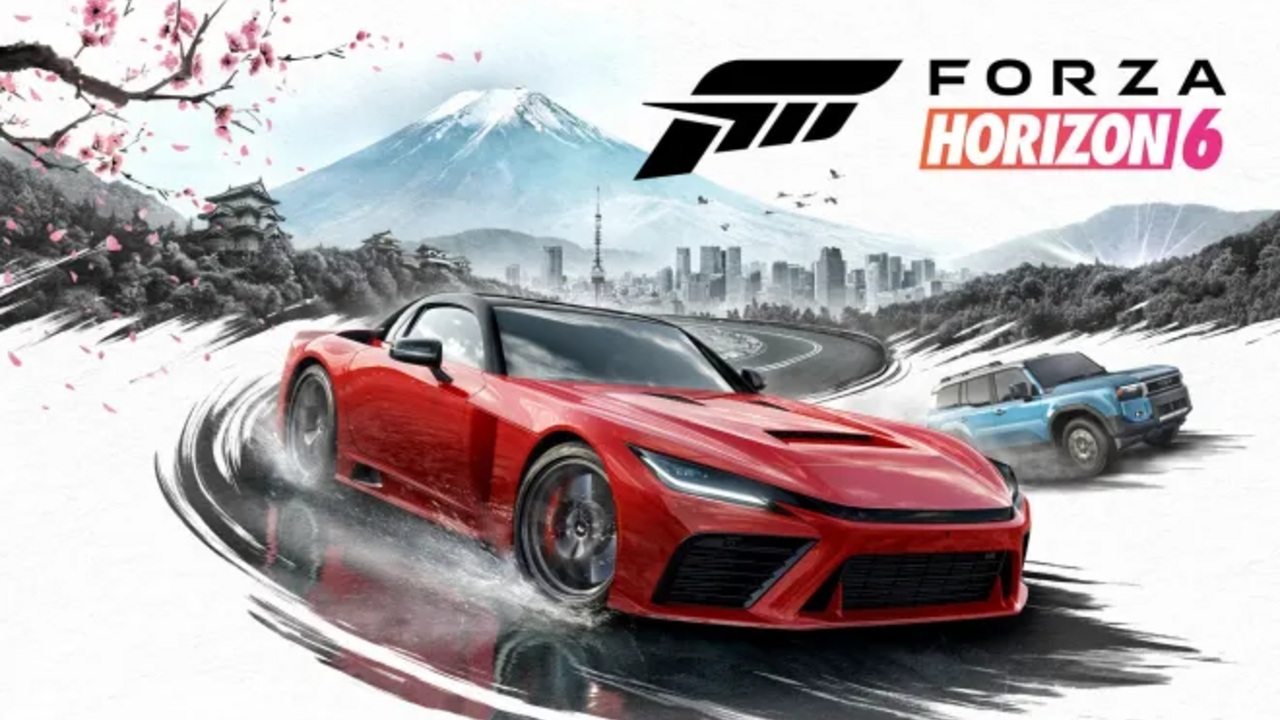
Forza Horizon 6 is shaping up as the series’ boldest pivot yet, pairing a deepened car list and tuning suite with a dense open world built around Japanese streets, circuits, and mountain passes. Early details and leaks point to a game that not only expands the garage, but also leans hard into custom builds and a celebration of JDM culture that fans have been requesting for years.
With a spring launch locked in for Xbox Series X|S and PC, Playground Games is promising more freedom in progression, more expressive modification tools, and a map that trades empty expanses for vertical, tightly packed driving playgrounds. The result, if it holds together, could be the most ambitious evolution of Forza Horizon since the franchise began.
A spring launch and a denser Horizon
Forza Horizon 6 is scheduled to arrive in spring 2026 on Xbox Series X|S and PC via the Microsoft Store and Steam, with early access tied to premium editions. Reporting on the release plans notes that the new entry is positioned as a major tentpole for the Xbox ecosystem, with the main launch set for May 19 and early access beginning on May 15 for players who opt into higher tiers. Platform details consistently describe the game as targeting Xbox Series hardware and PC storefronts such as the Microsoft Store and Ste, with no verified confirmation of any additional platforms based on available sources.
Alongside the date, Playground Games is emphasizing a structural shift toward a more compact but richer map. Coverage of the first gameplay breakdown describes Forza Horizon 6 as the series’ most dense world yet, with a focus on verticality, varied biomes, and a layout that keeps players close to events and points of interest rather than sending them across long stretches of empty road. That design philosophy dovetails with the new progression approach outlined by the studio, which aims to give players more freedom in how they move through the festival, where they invest time, and how they unlock new areas and activities.
Japan as a living, seasonal playground
The decision to set Forza Horizon 6 in Japan is more than a change of scenery, it is a statement about what kind of car culture the game wants to foreground. Developers have described how their process begins with the “essence of the place,” and in this case that means dense urban districts, coastal docklands, and rural regions that echo real Japanese landscapes. Early looks at the map highlight a mix of neon-lit city streets, industrial waterfronts, and countryside routes that frame iconic views of Mount Fuji, reinforcing that the setting is meant to be instantly recognizable to anyone who has followed Japanese automotive culture.
Seasonal change is also being treated as a core part of the experience rather than a simple visual filter. In the Xbox Developer Direct presentation, the team stressed that seasonal shifts in Japan are dramatic and deeply woven into local traditions, and that Forza Horizon 6 is capturing those rhythms in how the world looks and drives. That means cherry blossoms and clear skies in spring, heavy rain and slick tarmac in the wet season, and snow-capped vistas around Mount Fuji in winter, all of which are intended to alter both the atmosphere and the handling characteristics of the roads. The result is a map that does not just cycle through weather presets, but instead reflects how Japanese regions transform across the year.
More cars, deeper builds, and wild JDM tuning
On the garage side, Playground Games is positioning Forza Horizon 6 as a step up in both breadth and depth. Official previews describe a car roster built to support multiple play styles, from high-end supercars to off-road trucks and classic icons, while also giving players more freedom in how they progress with their collections. The studio has highlighted that the game is designed to let players focus on the cars and disciplines they care about most, rather than forcing a linear march through prescribed event types, which should make the expanded car list feel more personal and less like a checklist.
Leaked and early car lists suggest that the mix will be particularly generous to fans of Japanese and track-focused machinery. Community compilations of vehicles tied to Forza Horizon 6 mention models such as the Mitsubishi GTO Series 1 and a Ferrari J50 Special Edition, alongside a broader spread of performance cars that hint at a garage tuned for both street builds and circuit racing. Another list that surfaced online includes detailed entries for Porsche models like the 1997 Porsche 911 GT1 Strassenversion, the 2019 Porsche 911 Carrera S, and the 2023 Porsche 911 GT3 RS, as well as off-road machinery such as the 2021 RJ Anderson #37 Pro truck, underscoring that the game is not abandoning its eclectic roots even as it leans into JDM culture.
Under the hood, the modification suite is being overhauled to match that ambition. A developer segment focused on customization describes “never-before-seen car modifications” for the series, including new body kits, expanded aero options, and the ability to paint liveries on windows. The team has also spoken about a full overhaul of the upgrade and tuning systems, which should give players more granular control over how their builds look and perform. For fans who have spent years recreating real-world drift cars or time-attack specials, these additions signal that Forza Horizon 6 intends to be a more serious canvas for creative and competitive tuning alike.
Japanese car culture at the heart of the festival
Setting the game in Japan naturally pulls its car culture to the forefront, and early reporting makes clear that Playground Games is leaning into that opportunity. Previews describe a world that celebrates everything from high-speed expressway runs to tight touge battles, with road layouts and event types that echo the country’s real automotive scenes. The inclusion of dramatic mountain roads, urban expressways, and industrial docklands is not incidental, it is a deliberate nod to the environments where Japanese car culture has flourished, from late-night highway cruises to drift sessions on secluded passes.
Visual and environmental details are being used to reinforce that focus. Coverage of the first hands-off demonstrations notes that players will encounter sweeping views of Mount Fuji, neon signage, and architecture that mirrors real Japanese cities, all wrapped in the series’ trademark festival aesthetic. The seasonal system, with its emphasis on how Japan’s climate and celebrations shift across the year, further grounds the game in a specific cultural context rather than a generic open world. Together, these choices suggest that Forza Horizon 6 is not just borrowing JDM cars, it is attempting to embed players in the broader culture that produced them.
Player freedom, shared builds, and the road ahead
Beyond the cars and the map, Forza Horizon 6 is also rethinking how players inhabit its world. Early gameplay breakdowns describe a structure that gives drivers more agency over which stories they pursue, which houses they unlock, and how they move across the map. One new feature, a destination referred to as The Estate, is positioned as a high-end hub that combines vehicle storage, fast travel, and access to new activities, effectively turning progression milestones into tangible spaces within the world. This approach aligns with the broader goal of making the festival feel like a lived-in place rather than a menu of events.
Social and collaborative features are being expanded alongside that structural shift. Reporting on the game’s systems highlights new ways for players to build together, including shared projects and community-focused tools that let groups of friends contribute to the same creations. Combined with the overhauled tuning and livery options, those systems point toward a Horizon where standout builds are not just personal trophies but shared cultural artifacts within the community. If Playground Games can deliver on the promise of a dense Japanese world, a richer car list, and deeper customization, Forza Horizon 6 could mark a turning point for the series, transforming it from a festival of cars into a more fully realized celebration of global automotive culture.
More from Fast Lane Only