Washington just rewrote a key piece of its auto retail rulebook, clearing a path for Rivian and Lucid to sell electric vehicles directly to consumers instead of relying on franchised dealers. The shift puts the two luxury EV makers on the same footing as Tesla, which had already secured a carveout that let it bypass traditional showrooms in the state.
The new law caps a yearslong fight between startup automakers eager to control their sales experience and dealer groups determined to preserve the franchise model. It also signals that Washington is willing to adjust decades-old rules to accelerate its electric transition.
How Tesla’s carveout opened the door
For years, Tesla has been the exception in Washington. While legacy brands such as Ford and Toyota had to sell through independent dealers, Tesla built its own stores and online channels and completed sales directly with buyers. That structure, anchored on the company’s official Tesla site and retail locations, gave it a cost and branding advantage that rivals wanted to copy.
Washington’s franchise protections date back to the 1930s, when lawmakers tried to keep powerful manufacturers from squeezing small local dealers. As electric vehicles moved from niche to mainstream, those old rules collided with a new class of manufacturers that never planned to create dealer networks at all. Tesla pushed first, and after it won the right to operate company-owned stores, its success became the benchmark for every EV startup trying to enter the state.
Rivian and Lucid argued that they were in essentially the same position as Tesla: new companies with no legacy dealers to protect and business plans built around factory-direct sales and service. Yet the law still treated them differently, which meant Tesla could open branded locations while its competitors were stuck in legal limbo or forced to rely on out-of-state deliveries.
What Senate Bill 6354 actually does
The legislative fix arrived in the form of Senate Bill 6354. The Senate on Tuesday approved Senate Bill 6354 with 46 yeas and three Democrats voting no, a lopsided vote that reflected how much political ground had shifted toward electric vehicles.
The bill gives Rivian and Lucid the same direct sales latitude that Tesla already enjoys. It allows them to own and operate showrooms, complete transactions without a franchise intermediary, and handle delivery and service in-house. A news release from supporters of the measure described it as a Liias bill expanding direct electric vehicle sales in Washington, a reference to legislative backers who framed the change as a pro-consumer, pro-climate move supported by the state’s broader decarbonization goals.
In practical terms, the law means a shopper can walk into a Rivian or Lucid branded space in Washington, place an order, and take delivery through the company rather than a third party. That structure mirrors the online-first experience that customers already expect when they visit the official Rivian storefront.
Lawmakers also limited the scope of the change. The measure focuses on manufacturers that produce only electric vehicles and that, like Tesla, never built a legacy franchise network. Major automakers that already rely on dealers do not gain new rights under the statute, which helped ease some of the political tension with the franchise lobby.
Rivian’s hardball strategy pays off
Rivian did not quietly wait for the law to change. The company spent years pressing its case in Olympia and eventually threatened a ballot initiative that would have taken the question directly to voters. According to one summary, Rivian Automotive won a yearslong battle in Washington state to sell vehicles directly to consumers after threatening ballot initiatives, seeking to expand its model beyond the handful of states where direct sales were already legal.
The prospect of a costly, high-profile ballot fight appeared to concentrate minds in the legislature. Dealer groups that had long resisted any erosion of franchise protections suddenly faced the risk that voters might approve a far broader rewrite of the rules. Negotiating a narrower bill that applied only to pure EV makers looked safer than gambling on a statewide campaign.
By the time the Senate moved on SB 6354, the politics had flipped. Lawmakers who once hesitated to cross dealers now had cover to argue that Rivian and Lucid were simply asking for parity with Tesla, not a revolution in how every car is sold.
Lucid finally gets a green light
Lucid, which targets the high-end luxury segment with its Air sedan and upcoming Gravity SUV, had been effectively locked out of direct sales in Washington while Tesla built brand recognition and Rivian lined up preorders. The new law changes that overnight.
Shortly after the measure cleared its final hurdles, Lucid announced clearance for direct sales in Washington amid new law, telling customers that its upcoming retail presence would mirror the company’s existing model in other states. The company framed the change as a win for buyers who want to configure vehicles online, then pick up or service them through Lucid-controlled locations. That message was amplified through multiple digital channels, including coverage on Lucid Announces Clearance and linked social feeds.
For Lucid, the timing matters. The luxury EV segment is becoming more crowded as Mercedes, BMW, and others roll out long-range electric sedans and SUVs. Direct sales in Washington let Lucid present a tightly managed showroom experience that aligns with its premium pricing, instead of asking traditional dealers to sell its cars alongside gasoline models.
The governor’s role and political context
The legislation landed on the desk of Gov Ferguson after clearing both chambers, and his signature turned the bill into law. The measure arrived in a broader context of climate and consumer policy in Washington, where leaders have promoted aggressive emissions targets and clean energy investments. The governor, whose background can be traced through public records on Bob Ferguson, faced a choice that blended environmental priorities with a direct challenge to a politically active dealer lobby.
Supporters of SB 6354 framed the law as consistent with Washington’s climate commitments. They argued that easing access to premium EVs would help accelerate adoption, especially among early adopters who influence broader buying trends. Opponents warned that the shift could weaken the franchise system and eventually open the door to direct sales by large legacy manufacturers, which could leave some rural dealers vulnerable.
The overwhelming Senate vote, combined with similar momentum in the House, suggested that the political center of gravity had moved toward the startups. Once Tesla’s exception was on the books, keeping rivals out looked less like defending a principle and more like protecting a single company’s advantage.
Why dealers fought so hard
Dealer associations in Washington argued that the franchise system protects consumers by separating sales from manufacturing. They pointed to warranty disputes, recall work, and local service as areas where independent dealers can advocate for buyers. They also stressed their role as local employers that sponsor youth sports teams, pay property taxes, and support community events.
Those arguments carried weight for decades, but the rise of software-heavy EVs has weakened some of the old assumptions. Tesla, Rivian, and Lucid all design vehicles that receive frequent over-the-air updates. They pitch direct access to engineers and centralized service planning as reasons to keep sales and service under one corporate roof instead of outsourcing them to independent retailers.
Dealer groups also saw a slippery slope. If Rivian and Lucid could join Tesla under a direct sales carveout, they feared that other manufacturers would eventually demand similar treatment. That concern shaped the narrow drafting of SB 6354, which ties eligibility to companies that sell only electric vehicles and have no existing franchise footprint in the state.
What changes for Washington EV shoppers
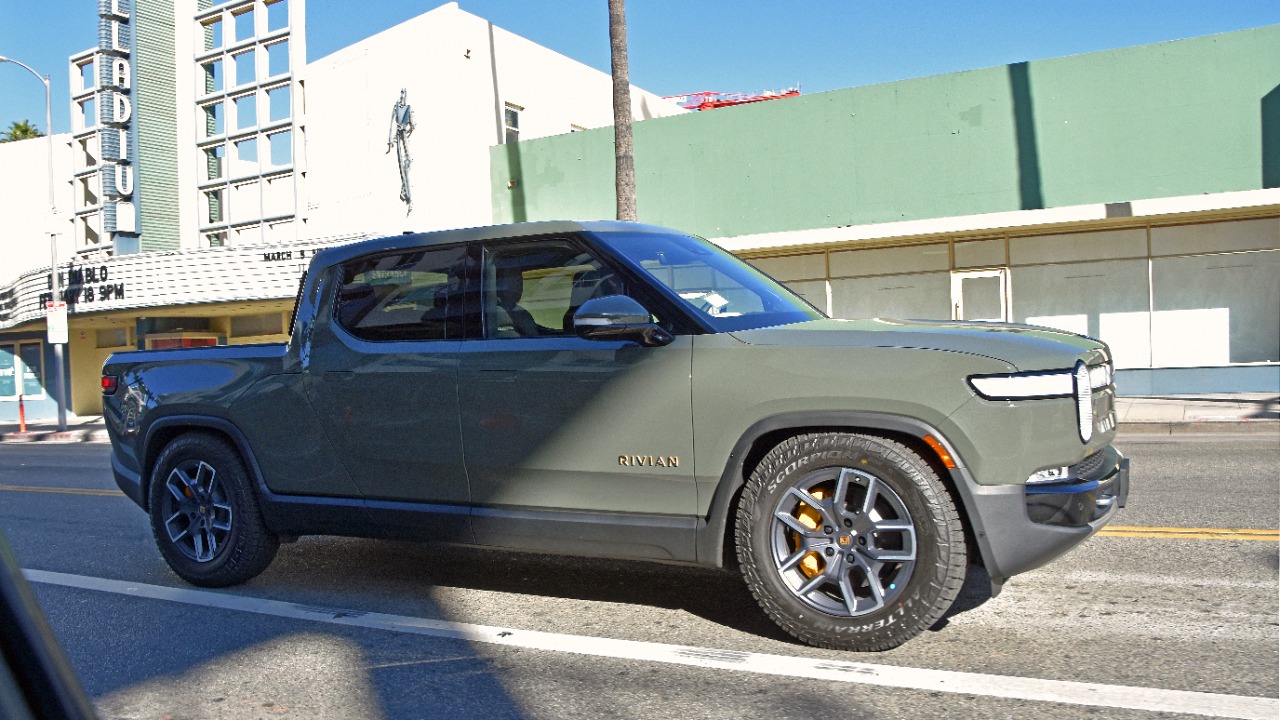
For consumers, the most immediate change is choice. Until now, a Washington buyer who wanted a Tesla could visit a branded showroom or order online, while someone interested in a Rivian R1T pickup or Lucid Air often had to navigate out-of-state deliveries or complex third-party arrangements. With the new law in place, Rivian and Lucid can open showrooms and delivery centers that operate much like Tesla’s existing model.
That means more consistent pricing, since direct sellers typically post fixed, no-haggle prices instead of negotiating on a lot. It also means a closer link between the manufacturer and the customer for software updates, warranty claims, and trade-in offers. Advocates say this structure reduces friction and gives buyers clearer information about what they are paying for.
Traditional dealers counter that direct sales can limit competition on price because buyers cannot play multiple retailers against each other. They also warn that manufacturers might prioritize high-margin urban markets for company-owned stores, leaving rural areas underserved. Whether those fears materialize will depend on how aggressively Rivian and Lucid build out their physical presence beyond flagship locations in Seattle and other population centers.
Washington’s broader EV policy shift
The direct sales fight is part of a larger inflection point in Washington’s EV policy. Commentators have described how Washington’s EV sales laws just took a big turn as lawmakers revisit assumptions that were baked into statutes long before batteries and software became central to vehicle design. The new law sits alongside incentives for charging infrastructure, fleet electrification, and clean power, creating a more complete ecosystem for electric adoption.
By opening its direct sales loophole to Rivian and Lucid, Washington also signals to other states that the political cost of defying dealer lobbies might be falling. A detailed breakdown of the Washington Direct EV Sales Law noted that Rivian and Lucid win SB 6354 access after Rivian threatened a ballot measure, and that Washington just opened its direct sales door wider than before. That narrative will not be lost on policymakers in states where similar bills are pending.
Industry watchers already see signs that more legislatures are considering carveouts for pure EV makers. Some may copy Washington’s narrow approach, tying eligibility to zero-emission fleets and the absence of existing franchise contracts. Others could push for broader reforms that let any manufacturer choose between direct and franchise sales models.
How Tesla, Rivian, and Lucid now compete
With the law in place, Washington becomes one of the few states where Tesla, Rivian, and Lucid can all execute their preferred sales strategies side by side. Tesla retains its first-mover advantage, a strong charging network, and a loyal customer base that has grown accustomed to ordering through the company’s digital and physical channels. Rivian brings adventure-focused trucks and SUVs that appeal to outdoor-oriented buyers, while Lucid targets luxury shoppers who prioritize range and interior comfort.
Direct sales give all three brands tighter control over pricing, inventory, and customer data. They can experiment with online reservation systems, subscription-style features, and software upsells in ways that are harder to coordinate through independent dealers. For example, Rivian can integrate its membership services, charging access, and over-the-air feature unlocks directly into the purchase flow, while Lucid can bundle premium driver assistance packages with financing at its own stores.
More from Fast Lane Only