On December 1, 1963, Wendell Scott drove a 1962 Chevrolet to the finish of the Jacksonville 200 two laps ahead of everyone else. Still, he never saw a checkered flag that afternoon. Instead, officials named Buck Baker the winner and handed him the trophy in victory lane.
Hours later, after the crowd had gone home, the record changed. Scott, a former Danville, Virginia, cab driver, had won a race in NASCAR’s top series. No Black driver had done that before.
Here’s what happened at that half-mile track in Florida, and why it took his family until 2021 to receive a trophy for it.
Who Wendell Scott was before Jacksonville
Scott was born on August 29, 1921, in Danville. His father was a skilled mechanic, and the son picked up the trade early. By 18, he owned his own taxi. Later, the Army drafted him in 1943, and he spent two years as a mechanic with the Red Ball Express.
His racing career began almost by accident. In 1952, promoters at Danville Fairgrounds Speedway wanted to draw Black fans, so they asked the local police to recommend a driver. The police pointed to Scott. On May 23, 1952, he finished third in his first race and earned $50, according to Encyclopedia Virginia.
That made him the first Black driver to race against white drivers in southern stock car racing. However, NASCAR events in North Carolina turned him away at first. So he raced locally in Virginia, and he won the 1959 Virginia State Sportsman championship.
Then came the big step. Scott made his Grand National debut on March 4, 1961, in Spartanburg, South Carolina. An engine failure left him 17th of 18 that day. In fact, he was only the second Black driver to start a race in the series, after Elias Bowie’s single start in 1955.
A season of slammed doors
Scott faced more than tough competition. Encyclopedia Virginia records that he was barred from whites-only hotels and restaurants. Some white merchants would not sell him gas. Meanwhile, promoters withheld expense money, and rivals used slurs and deliberate bumping on track.
Even the awards went against him. In 1961, NASCAR named white driver Woodie Wilson Rookie of the Year, despite Scott’s stronger season. For example, Scott made 23 starts that year and scored five top-10 finishes. His best result was seventh at Winston-Salem.
Even so, he kept showing up. In 1964 alone, he started 56 of the season’s 62 races and finished in the top 10 twenty-five times.
The Jacksonville 200 on December 1, 1963
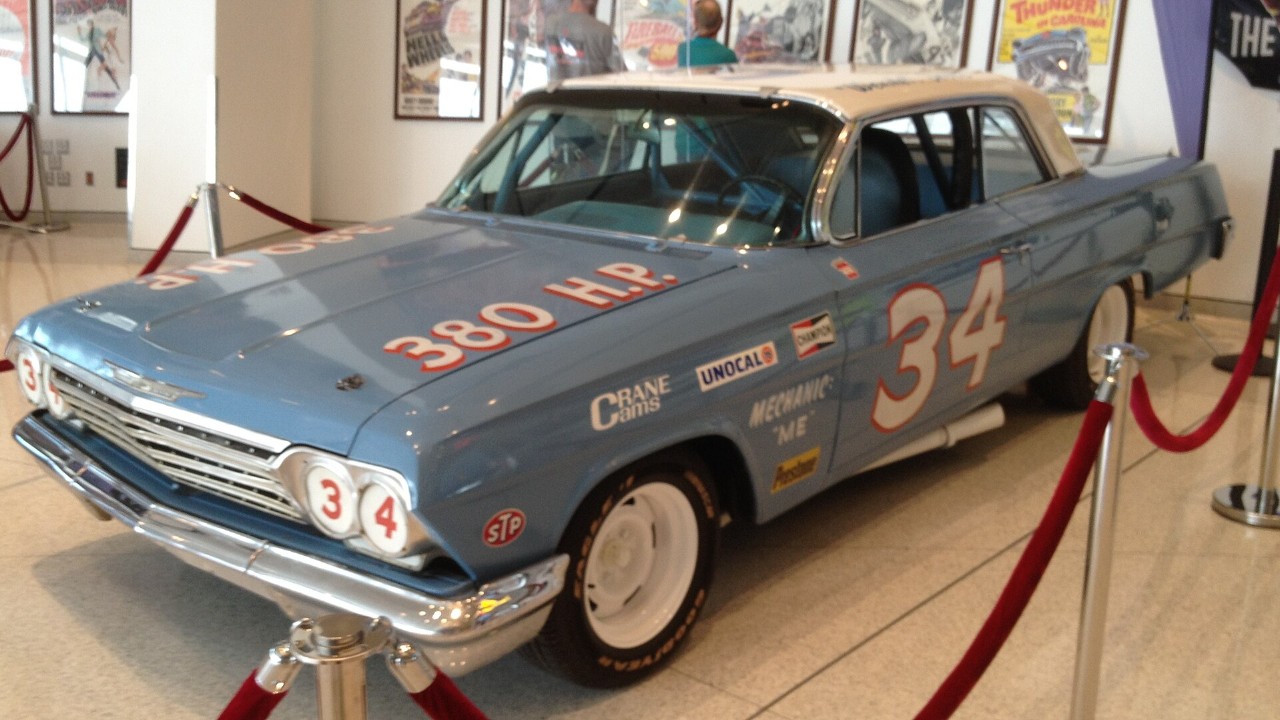
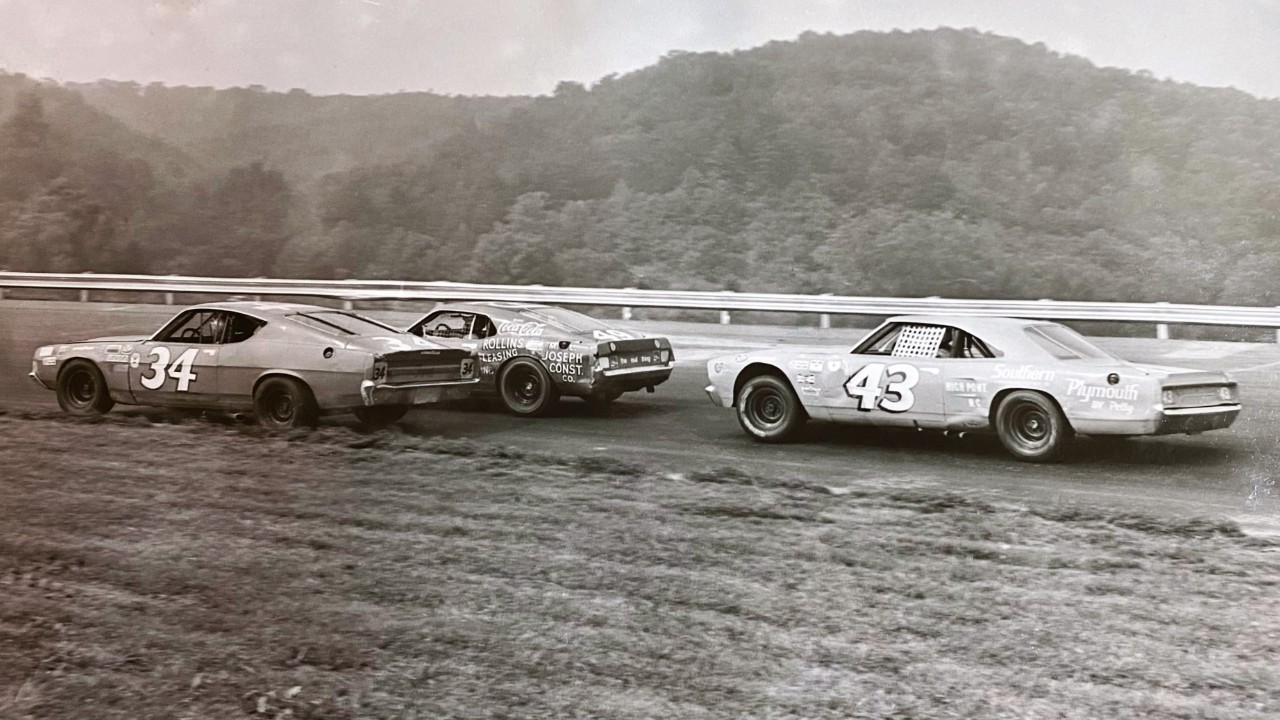
The race ran at Speedway Park, a half-mile track on Jacksonville’s Westside, as The Coastal describes it. Scott drove his own No. 34 Chevrolet, a 1962 model. He started 15th in a 200-lap race.
Richard Petty led for almost half the distance. Then Petty’s engine failed on lap 175, according to Encyclopedia Virginia. Scott took over at the front with 25 laps left, as the Associated Press later reported.
Next came the confusion. Scott’s number disappeared from the scoreboard, and the scorers counted him a lap down. As a result, officials named Baker, who finished second, the winner and gave him the trophy. Scott never saw a flag, so he kept driving two extra laps. At first, officials listed him third.
Then, hours later, about 5,000 fans had left. Baker had already taken the trophy. Only after that did NASCAR officials declare Scott the true winner. They blamed a “clerical error,” The Coastal reports. Both accounts credit Scott with 202 laps in the 200-lap race.
Why the Wendell Scott trophy went missing
Scott received the $1,000 winner’s check. Yet he never got the trophy, and he never got the traditional victory-lane kiss from a young white woman. According to Encyclopedia Virginia, Scott’s team and others at the track believed officials wanted to avoid that photo. That belief is theirs, and the record of the day backs up only the outcome.
Either way, the Jacksonville 200 remained the only win of his top-level career. Encyclopedia Virginia counts 495 races at NASCAR’s top level, with 1 win, 20 top-five finishes and 147 top-10s. His last start came on October 7, 1973, at Charlotte Motor Speedway, where he finished 12th.
His story later reached movie screens. The 1977 film Greased Lightning starred Richard Pryor as Scott. Scott worked as a consultant on the film but, according to Encyclopedia Virginia, he earned nothing from it.
How NASCAR finally made it right
Wendell Scott died of spinal cancer on December 23, 1990, at age 69. Later, NASCAR inducted him into its Hall of Fame in 2015. Earlier honors had included the International Motorsports Hall of Fame in 1999.
The trophy took longer. In August 2021, NASCAR President Steve Phelps presented a custom trophy to Scott’s son, Frank, on stage at Daytona International Speedway, as the AP reported via WFAE. NASCAR picked the Cup Series regular-season finale for two reasons. Daytona sits close to Jacksonville, and the race fell one day before Scott’s 100th birthday.
“It matters because my father earned it and it was something he had to labor on,” Frank Scott told the AP. Driver Bubba Wallace joined the family on stage. Meanwhile, grandson Warrick Scott kissed the new trophy rather than hoisting it.
As for the original, it never reached the family. Baker later claimed he never had it, according to Encyclopedia Virginia. So the trophy now in the Scott family’s hands is the one NASCAR presented at Daytona in August 2021, nearly 58 years after the race.
More from Fast Lane Only