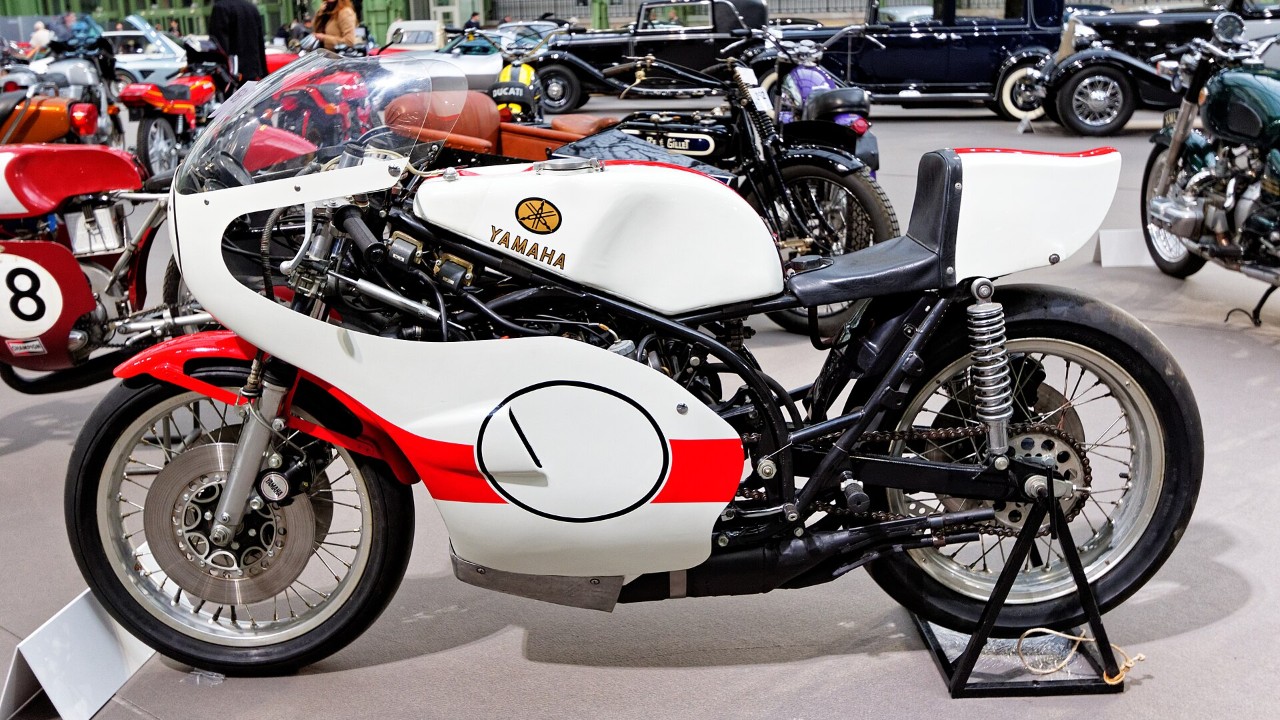
Yamaha built nothing but two-strokes from its founding in 1955 until the Yamaha XS-1 arrived for 1970. That one twin opened a door, and the company never closed it. Over the next five decades, the tuning-fork badge turned up on road racers, drag-strip brawlers, superbikes and a fat-tired trail bike.
Plenty of Yamahas sold well and faded away. A few did something harder. They changed what riders expected from a class, or they hung around long enough to become part of the scenery. Some arrived loud. Others earned their reputation one commute, one race and one decade at a time.
These are our picks, eight Yamaha motorcycles that grew into icons. The verdict is our opinion. The years, engines and race results come from Yamaha’s own heritage records and the reference sources we checked. We kept the list to bikes you can picture, from the Yamaha XS-1 twin to the first R1.
1. 1970 Yamaha XS-1
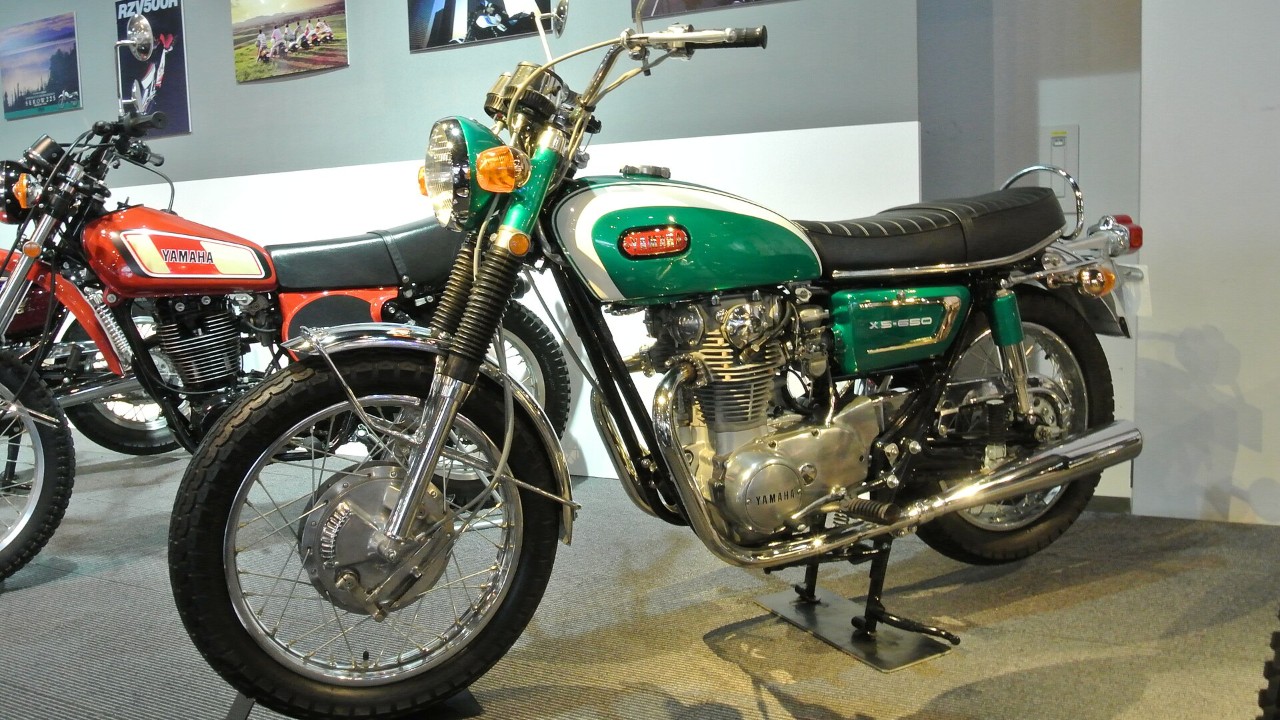
Here is where the four-stroke story starts. According to Yamaha’s Communication Plaza collection, the XS-1 was the company’s first model with a four-stroke engine. Before it, Yamaha had built only two-strokes since 1955. The Yamaha XS-1 used a 653 cc air-cooled overhead-cam parallel twin rated at 53 PS at 7,000 rpm.
Yamaha wanted a slim, light, compact big bike, so it hung the twin in a slender double-cradle frame. The result weighed 185 kg. Fans even gave it a nickname, “Peke-S.” The bigger story came later, because the 650 twin became a long-running family. In fact, the US kept getting XS650 models through 1983.
The engine also found a second life on dirt ovals. AMA Pro Dirt Track champion Kenny Roberts raced with it, which gave a road-going twin real credibility. Our take: the Yamaha XS-1 is the hinge in Yamaha history. Without it, there is no XS Eleven, no V-Max and no R1. In other words, every big four-stroke Yamaha owes something to this twin. A tidy, original Yamaha XS-1 is worth seeking out for that reason alone, especially with its first-year paint and badges intact.
2. 1989 Yamaha V-Max
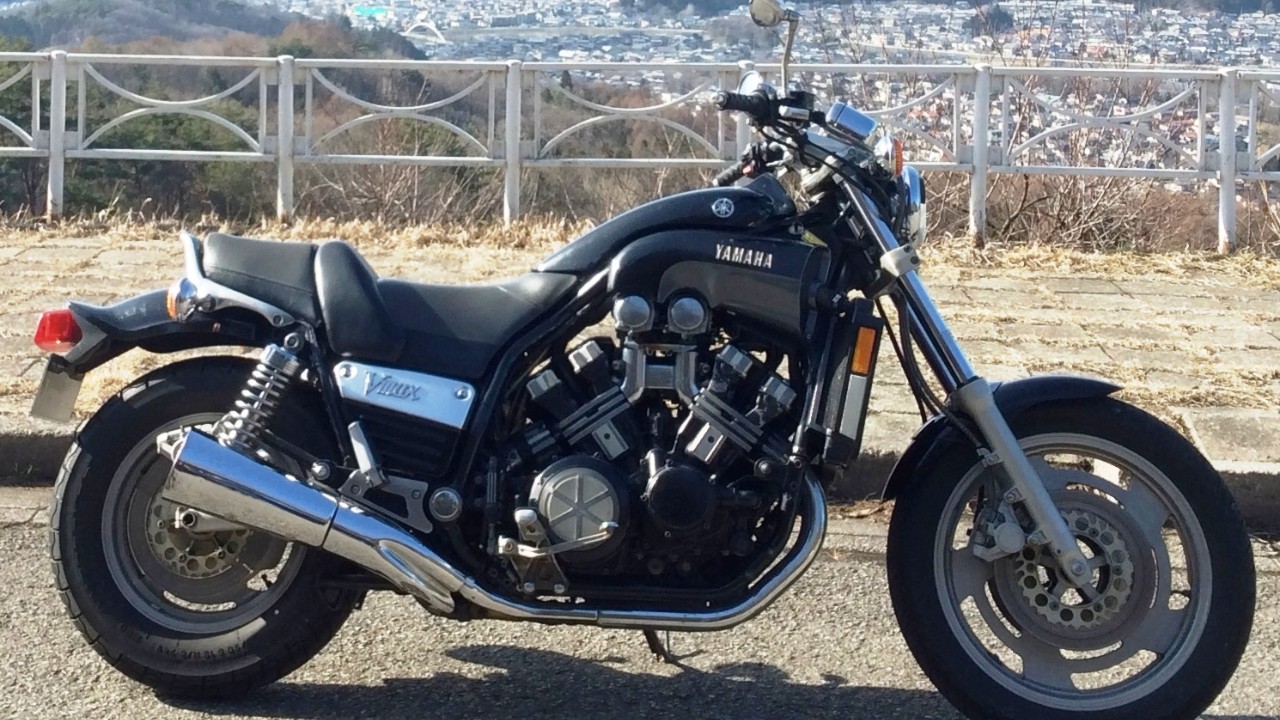
The V-Max took an engine from a touring bike and turned it into a street dragster. Its 1,197 cc liquid-cooled V4, set at 70 degrees, was a tuned version of the Venture’s engine. Cycle Guide named it Bike of the Year for 1985, its first season.
The trick was V-Boost. Butterfly valves in the intake manifold started opening at 5,750 rpm and were fully open by 8,000 rpm. The system added about 10 percent to the base engine’s top power. Then there was the shaft drive, an odd choice for a muscle bike, but one that kept maintenance simple.
Critics loved the acceleration but complained about soft suspension and poor cornering. Yamaha answered in 1993 with a thicker fork to cut high-speed wobble and four-piston brake calipers. Otherwise, it left the bike almost alone until the 2007 model year. That long, mostly unchanged run tells you how right the formula felt. We included the V-Max in our list of motorcycles that proved more durable than expected, too. In our view, few bikes have a silhouette so easy to recognize from a block away. The big scoops and stubby tail all say the same thing: straight lines matter most here.
3. 1998 Yamaha YZF-R1
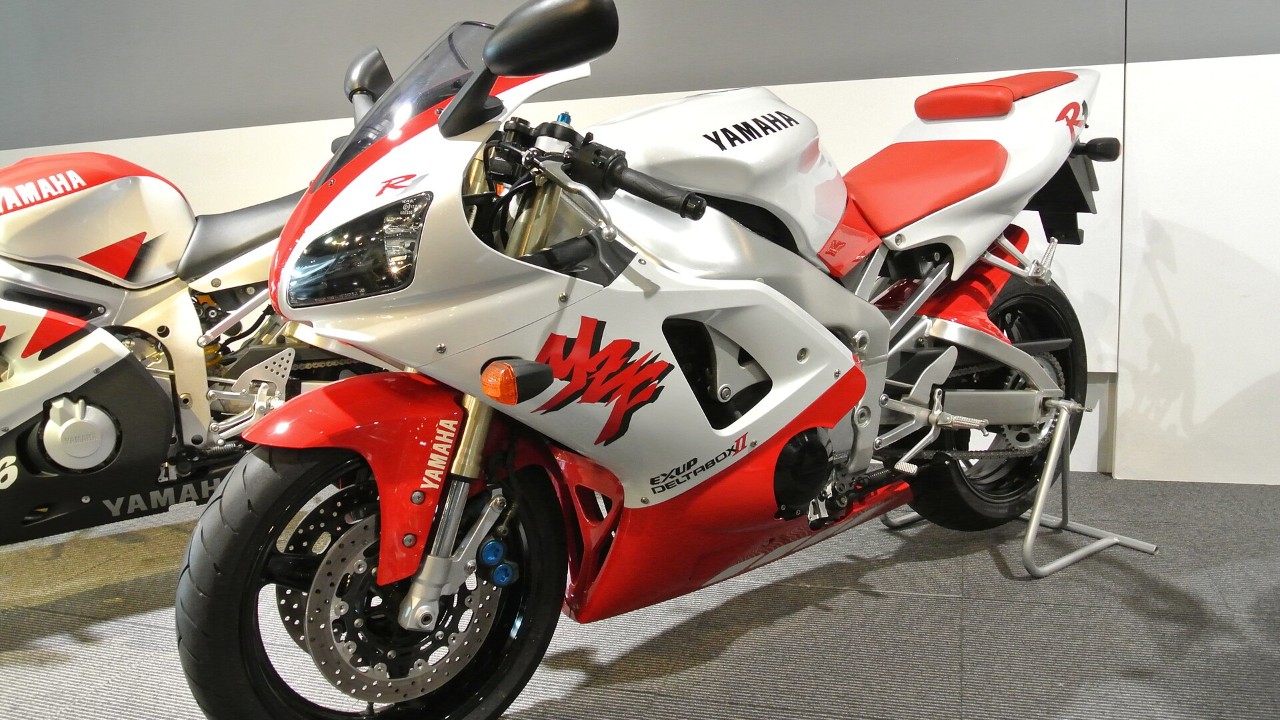
In 1998, the big sport-bike class meant heavy liter bikes or racy 750s. Yamaha’s own heritage page says the R1 changed that segment and opened a new era for superbikes. It paired a light, compact 998 cc inline four with Yamaha’s Deltabox II frame.
Yamaha rated the liquid-cooled, five-valve-per-cylinder engine at 150 PS at 10,000 rpm. However, the clever part was packaging. Engineers raised the gearbox input shaft and tucked the output shaft beneath it. This stacked layout made the engine shorter from front to back.
That freed up space. As a result, the R1 got a short wheelbase, a better-placed center of gravity and a longer swingarm. Other manufacturers later borrowed the stacked gearbox idea. So the R1’s real legacy sits inside rival engines, not only in its own sales.
Our take: the first R1 is the bike that made the modern liter superbike feel normal. If you want one, look for an unmodified example and check for signs of track-day use. Original bodywork and exhaust make a big difference to how collectors see these bikes.
4. 1974 Yamaha TZ750
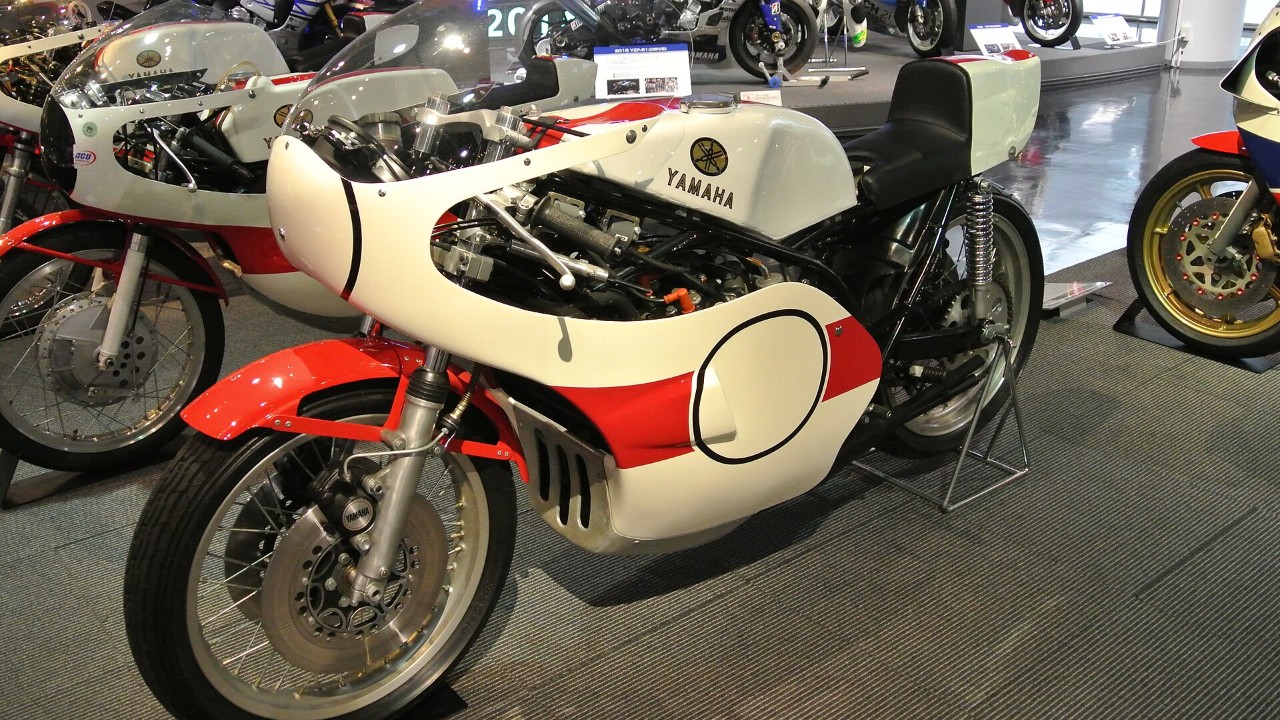
No Yamaha did more winning. According to Yamaha’s TZ750 heritage page, the engine joined two liquid-cooled, two-stroke TZ350 twin blocks into one four-cylinder unit. The first production version displaced 694 cc and made 90 PS at 10,000 rpm through a six-speed gearbox.
The factory-spec version, the 0W19, won its very first race, the 1974 Daytona 200, with Giacomo Agostini aboard. That kicked off a streak of nine consecutive Daytona 200 wins. Motorcyclist later called the TZ750 the most notorious and successful road racer of the 1970s. Joey Dunlop also won the 1980 Classic TT on one.
Speed records followed. Twin TZ750 engines powered the Silver Bird streamliner, the first motorcycle to break 300 mph. Meanwhile, Yamaha built these racers in small batches, with 213 of the first A model.
We picked it because the TZ750 proved a production racer could beat the factory specials. It also earned a spot in our roundup of classic bikes you’ve probably never seen in person. In our view, it is the most important racing machine Yamaha ever sold over the counter. Expect to see survivors at vintage race paddocks and museums rather than on the street.
5. 2010 Yamaha TW200
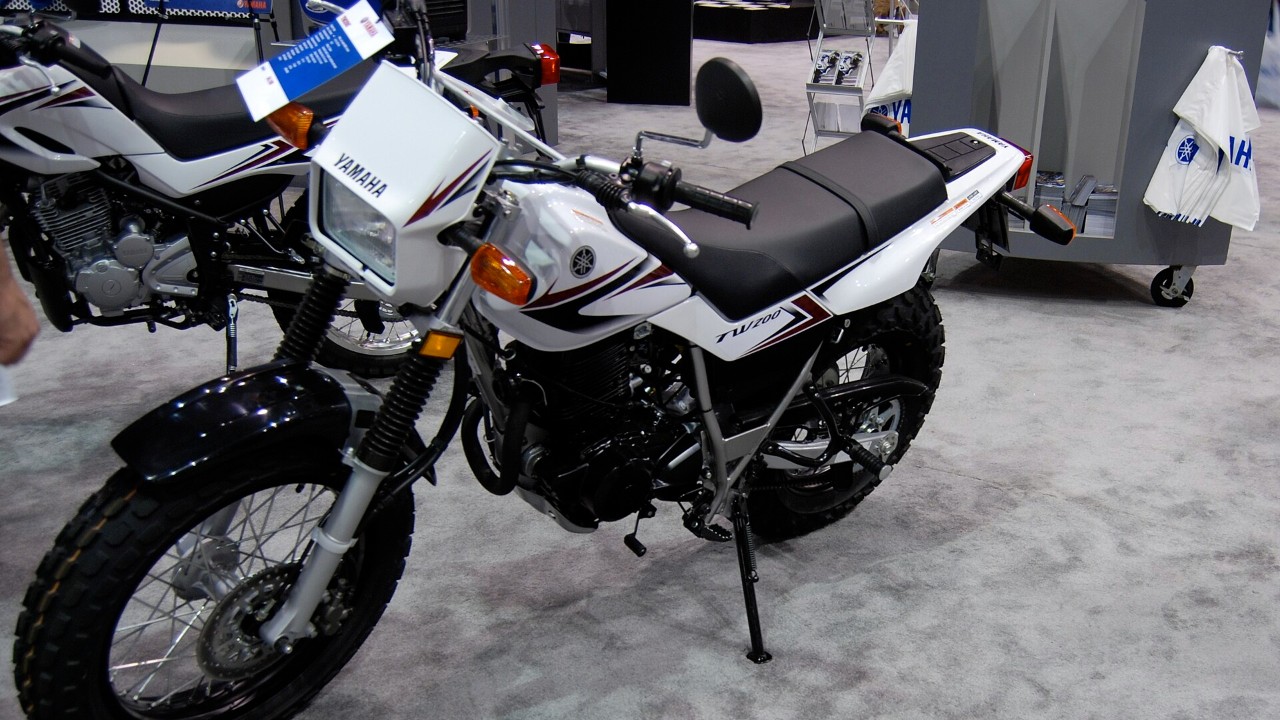
The TW200 looks like a cartoon until you ride it somewhere difficult. Yamaha has sold this 196 cc single-cylinder dual-sport since 1987, and it remained in the range in 2010. TW stands for Trail Way, which is exactly where the bike is happiest.
Those tires explain everything. The front wears a 130/80-18, and the rear rolls on a fat 180/80-14. Because the balloon-like rubber floats over sand, mud and snow, writers have compared the TW to a “two-wheeled quad.” It weighs about 279 pounds wet, so even new riders can pick it up after a tip-over.
The 2010 bike also carried an update from 2001. That year, a front disc brake replaced the old drum, and the kick starter disappeared from the standard spec. Otherwise, Yamaha has changed very little. Fuel economy is a strength too, with figures around 78 mpg.
Our take: the TW200 became an icon by refusing to chase trends. Some listings even class it as an agricultural bike as well as a dual-sport. If you’re shopping for one, check the rear sprocket and chain, since cheap maintenance is the whole point. A clean used example is about as easygoing as motorcycling gets.
6. Yamaha RD350
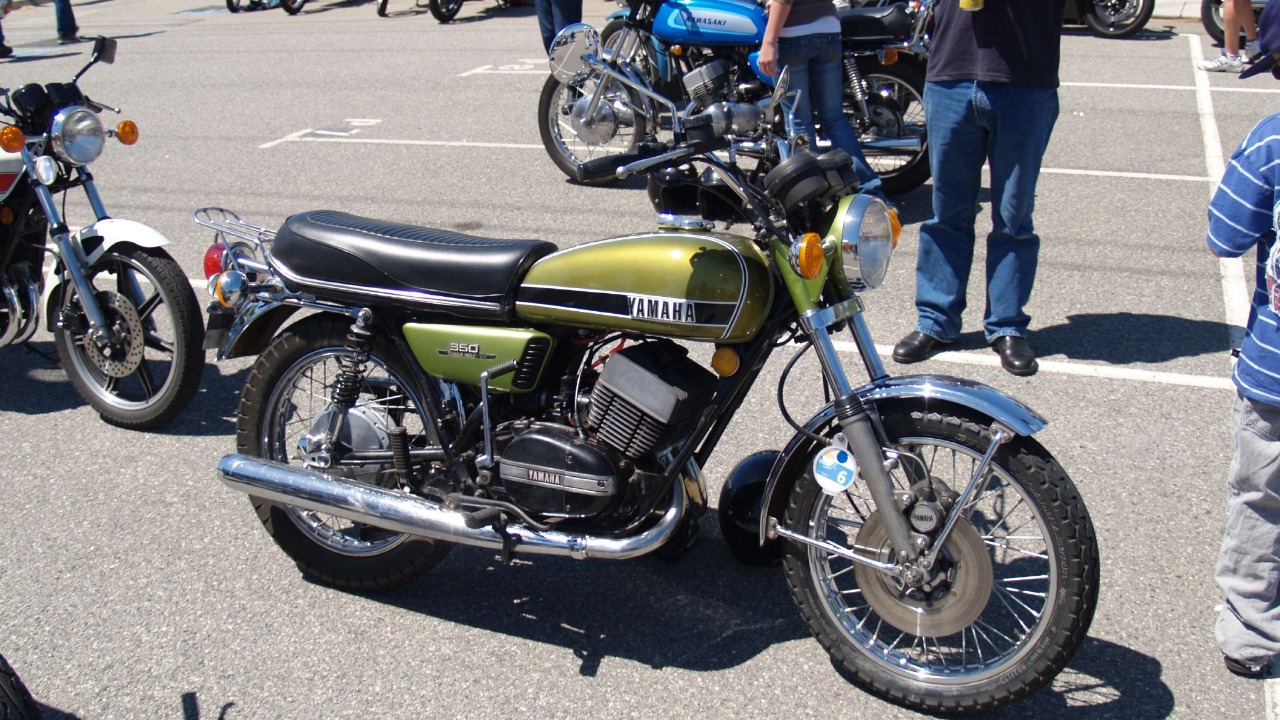
The RD350 replaced the R5 and added the parts that made it a favorite. Its predecessor, the R5, had five speeds and a front drum brake. The RD350, built from 1973 to 1975, brought a six-speed gearbox and a front disc.
Its 347 cc air-cooled two-stroke twin used reed-valve intake and made 39 bhp at 7,500 rpm. That doesn’t sound like much today. Yet the bike weighed only about 342 pounds wet, so it could embarrass bigger four-strokes on a twisty road. The frame also shared its basic design with Yamaha’s TZ250 and TZ350 racers, though the street bike was much heavier.
The RD’s influence ran far beyond America and Europe. In India, the RD350 enjoys cult status, with many RD clubs keeping the bikes alive. Then, in 1976, Yamaha replaced it with the RD400, a cleaner-running and more refined successor.
We’ve mentioned the RD before in our look at classic bikes that won’t stay affordable much longer. In our view, it is the bike that taught a generation what a light, revvy twin could do. Look for original expansion chambers, since period parts are getting harder to find.
7. 1985 Yamaha RZ350
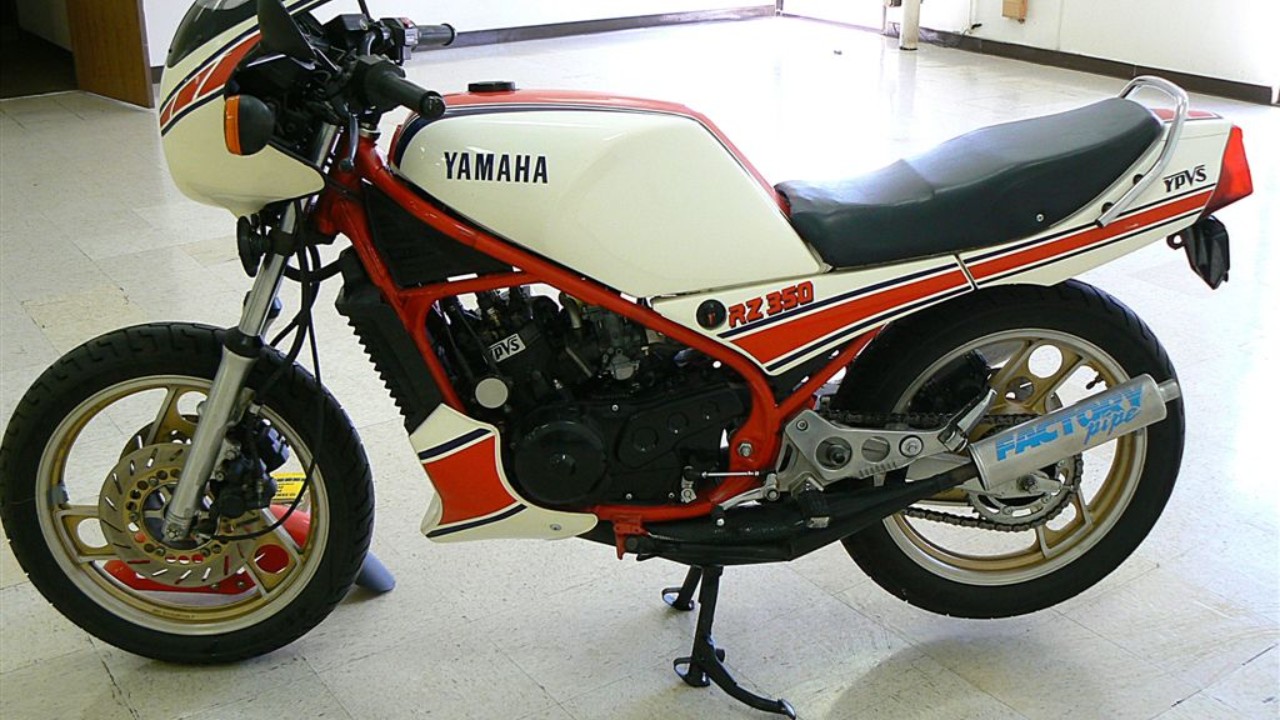
By the 1980s, emissions rules were closing in on two-stroke street bikes. The RZ350 fought back with technology. It used a liquid-cooled 347 cc parallel twin with reed-valve induction and twin carburetors.
Its key part was YPVS, the Yamaha Power Valve System. This valve changed the height of the exhaust port with engine speed. So the engine gained low-rpm torque without losing its top-end rush. For American buyers, Yamaha also fitted catalytic converters, a rare step for a motorcycle at the time.
The look matters as much as the hardware. US bikes for 1984 wore yellow and black as the “Kenny Roberts Special.” For 1985, Yamaha kept the same graphics, signature included, but switched to red, white and blue with a red frame. California’s 1985 RZ350NC added an evaporative canister and an extra converter in the exhaust header.
The RZ only lasted a few years in the US, roughly 1983 to 1985. Still, that short run left a deep mark on two-stroke fans. Our take: the RZ350 is the last great two-stroke road bike most Americans could buy new. Find a 1985 bike in its original colors? Then keep the factory exhaust parts, even if you never fit them.
8. 1981 Yamaha XS1100 Midnight Special
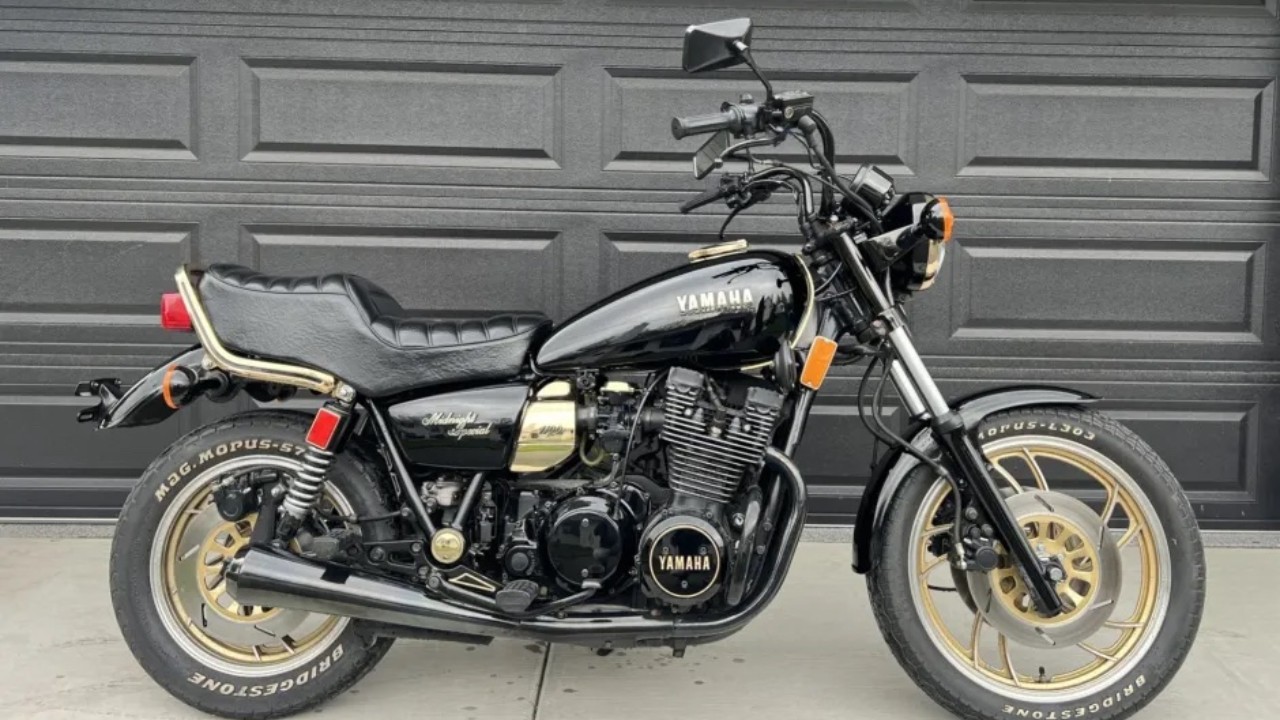
The XS Eleven debuted in September 1977 as a 1978 model. It used a 1,101 cc air-cooled DOHC inline four, mounted across the frame. Shaft drive turned the rear wheel. Yamaha claimed 95 hp at 8,000 rpm and 66.5 lb-ft of torque at 6,500 rpm.
Those figures turned into real speed. In a 1978 test, Cycle World ran the quarter mile in 11.78 seconds at 114.21 mph. It also saw a 135 mph top speed. That made the shaft-drive XS a surprising drag-strip threat, even though it weighed around 603 pounds wet.
The Midnight Special came along in 1980 for all world markets, including the US. It was an all-black and gold version of the XS Eleven Special cruiser. Yamaha built it from 1980 to 1982, and in far greater numbers than Europe’s limited editions. Meanwhile, a touring Venturer version with a full fairing joined the range for 1981.
Our pick is the 1981 Midnight Special because it captures early-1980s style perfectly. Black paint, gold trim and a big four made it look fast even at a standstill. It also backed the look up, because the XS Eleven’s 1978 Cycle World test time stood at 11.78 seconds.
More from Fast Lane Only