The automobile industry has witnessed the rise and fall of numerous brands over the decades, with Plymouth and Mercury being two of the most notable casualties. These once-popular American automotive marques experienced a decline due to a combination of market shifts, strategic missteps, and external pressures. Let’s delve into the factors that led to their eventual demise.
The Historical Context
Plymouth was introduced by the Chrysler Corporation in 1928 as an affordable option for American families, aiming to compete with established brands like Ford and Chevrolet. It quickly gained popularity, thanks to its innovative features, such as hydraulic brakes, which were considered advanced for the time. Mercury, on the other hand, was launched by Ford in 1938, positioned as a premium option bridging the gap between the mainstream Ford models and the luxury Lincoln line.
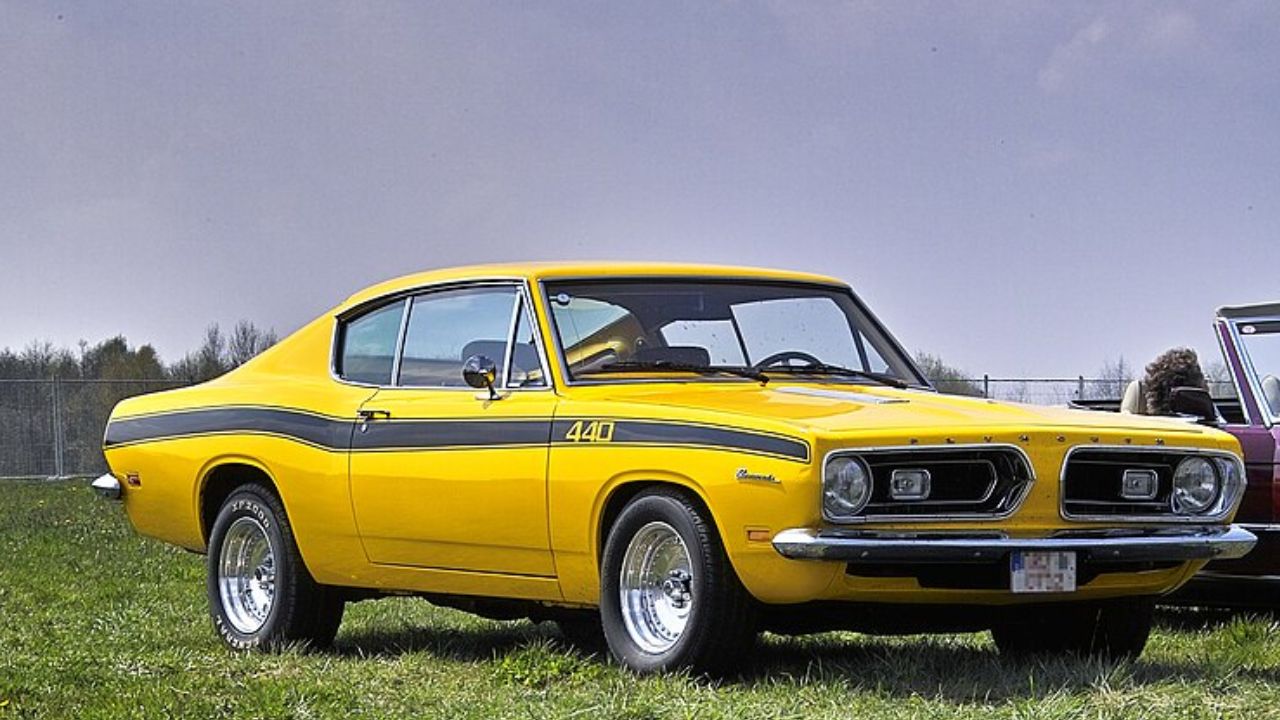
Throughout the 20th century, both brands navigated a rapidly changing automotive landscape. As World War II concluded, the demand for cars surged, leading to significant growth for both Plymouth and Mercury. They capitalized on post-war prosperity with models that offered style and performance. Notable achievements included the Plymouth Barracuda, a pioneer in the muscle car segment, and the Mercury Cougar, which was well-received for its design and sporty features.
Market Changes and Consumer Preferences
As the decades passed, consumer preferences began to shift dramatically. The 1970s and 1980s saw an influx of imported vehicles from Japan and Europe, which offered better fuel efficiency and reliability. Brands like Honda and Toyota gained a foothold, appealing to American consumers looking for economical options amid rising fuel prices. This shift in demand put pressure on domestic brands like Plymouth and Mercury, which struggled to compete in terms of both price and quality.
The evolution of automotive technology further influenced consumer choices. The introduction of advanced safety features, fuel injection systems, and improved engine designs made some domestic models seem outdated. Additionally, the 1990s saw a growing preference for SUVs and trucks, which offered versatility and ruggedness. Brands that were heavily sedan-centric, like Plymouth and Mercury, found it increasingly challenging to adapt to these changing preferences, losing market share to more versatile competitors.

Corporate Decisions and Strategies
Management decisions at Chrysler and Ford played a significant role in the challenges faced by Plymouth and Mercury. Chrysler’s focus on cost-cutting in the 1990s led to a reduction in the number of models offered under Plymouth, eventually relegating it to a secondary brand status. The decision to make Plymouth a sub-brand under Chrysler rather than nurturing its unique identity contributed to its decline.
Similarly, Ford’s strategy for Mercury lacked clear direction. Attempts to differentiate Mercury from Ford often resulted in badge-engineered models that did not offer significant value beyond their Ford counterparts. This approach failed to attract new buyers and retain existing customers, leading to dwindling sales. Additionally, branding and marketing efforts for both Plymouth and Mercury fell short, unable to resonate with a new generation of car buyers more interested in innovation and distinctiveness.
Economic and Environmental Factors
The economic environment of the late 20th and early 21st centuries also played a crucial role in the fate of Plymouth and Mercury. Economic downturns, such as the recession in the early 1990s and the financial crisis of 2008, significantly affected consumer purchasing power. During these periods, many consumers opted for smaller, more economical vehicles, which were not the primary focus of either brand.
Environmental regulations became increasingly stringent, with a growing emphasis on fuel efficiency and emissions standards. Brands like Plymouth and Mercury, with older manufacturing platforms and less investment in new technologies, struggled to meet these new requirements. Meanwhile, foreign automakers were better positioned to address these challenges, having already invested in fuel-efficient technologies and smaller vehicle platforms. The competitive edge gained by Japanese and European brands in this regard further eroded the market position of Plymouth and Mercury.
Legacy and Impact
Despite their eventual demise, Plymouth and Mercury left a lasting legacy in the American automotive industry. Plymouth’s contributions to the muscle car era with models like the Barracuda and Road Runner are still celebrated by enthusiasts. Mercury’s focus on style and performance with models like the Cougar and Marauder has maintained a dedicated fan base among collectors and classic car aficionados.
Modern automakers can glean important lessons from the rise and fall of these brands. The importance of innovation, adaptability, and understanding consumer trends cannot be overstated. Plymouth and Mercury serve as reminders of the need for a clear brand identity and strategic foresight in a competitive industry. Their stories highlight the potential pitfalls of neglecting these crucial aspects.
The nostalgia surrounding Plymouth and Mercury has also contributed to a vibrant collector culture. Classic models from these brands continue to attract interest at car shows and auctions, with enthusiasts appreciating their unique place in automotive history. This enduring appeal underscores the emotional connection many have with these brands, even years after their production ceased.