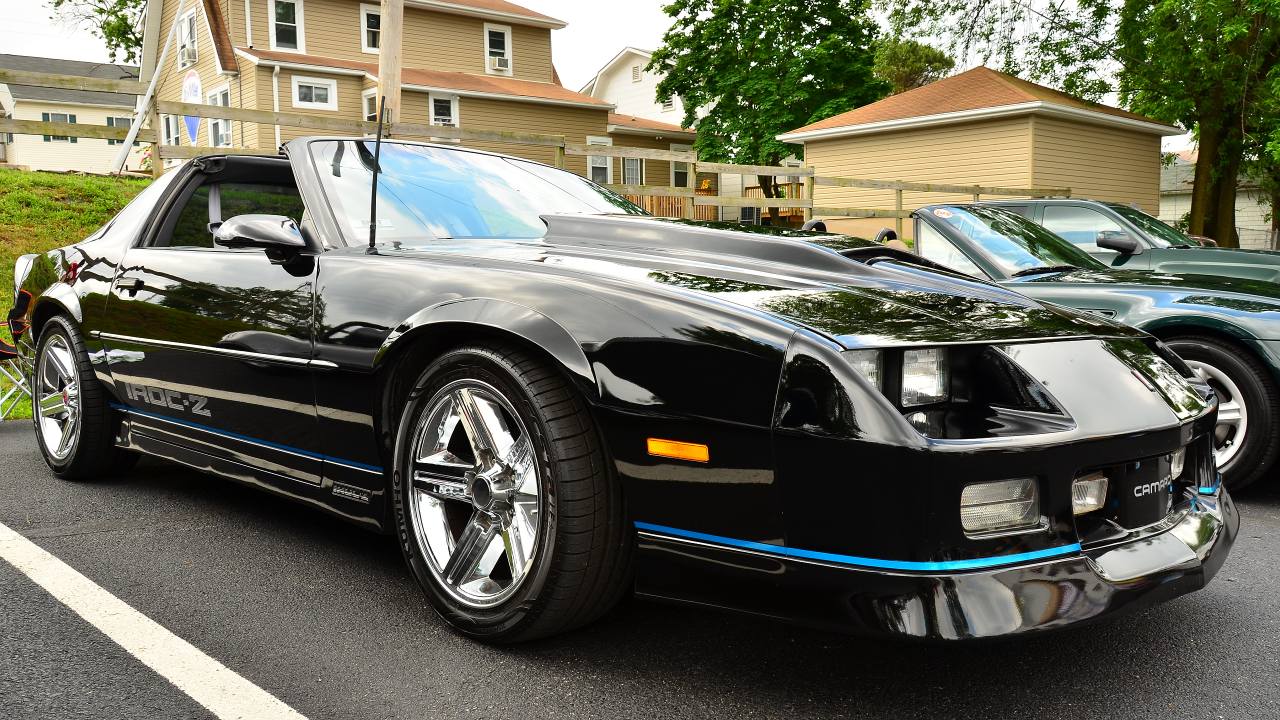
The Camaro IROC-Z 5.7 occupies a narrow but coveted slice of third-generation Camaro history, combining the International Race of Champions image with Chevrolet’s strongest small-block of the era. For collectors and shoppers today, understanding exactly which years that 5.7 liter package was offered, and what it costs on the market now, is essential to separating a merely nice IROC from a truly top-spec car. I will walk through the production timeline, how the 5.7 fit into the broader IROC story, and what current valuation data says about prices you can expect to pay.
Because the IROC-Z has become a shorthand for 1980s performance, prices have climbed sharply, especially for clean 5.7 cars with documented options. Recent valuation tools and market trackers show a clear premium for well kept examples, and they also reveal how much more buyers are willing to spend for the best years and configurations compared with driver-grade cars.
When Chevrolet built the Camaro IROC-Z and how the 5.7 fit in
The IROC-Z package arrived in the mid 1980s as a performance-focused evolution of the Z28, and it quickly became the Camaro’s halo model. One detailed comparison of Camaro trims notes that The IROC package ran from 1985 to 1990 and was generally regarded as the Camaro’s main performance model in that period. That six-year window is the key backdrop for understanding when the 5.7 liter V8 appeared, because the larger engine did not arrive on day one.
Within that broader run, the 5.7 liter, or 350 cubic inch, engine joined the IROC lineup later in the decade. A technical overview of the third-generation Camaro explains that for 1987, the 350 TPI engine with an automatic transmission and the 305 TPI engine with a 5-speed manual were both offered in the IROC. That means the 5.7 liter (350) IROC-Z first became available for the 1987 model year, and it was paired specifically with an automatic, while the smaller 5.0 liter (305) TPI covered manual-transmission buyers.
The exact years the Camaro IROC-Z 5.7 was sold
Once the 350 TPI arrived in 1987, it remained part of the IROC-Z story through the end of the package’s production. The same third-generation overview that documents the 1987 engine lineup also notes that the IROC continued through the 1990 model year, which aligns with the broader summary that the Chevrolet Camaro IROC ran from 1985 to 1990. Taken together, those details indicate that the 5.7 liter IROC-Z was offered from 1987 through 1990, nested inside the longer 1985 to 1990 IROC production span.
Other period details help confirm that late-1980s window. A general history of the Camaro points out that in 1987 the L98 350 TPI engine became available, and that same era saw regulatory changes such as National Highway Traffic Safety Administration Regulations requiring a CHMSL, or Center High Mounted Stop Lamp, which appeared on third-generation cars as the decade progressed. Those references to the L98 350 and the evolving safety equipment support the view that the 5.7 liter IROC-Z belongs squarely in the late 1980s through 1990, rather than the earlier years of the third generation that lacked that engine option.
How the 5.7 IROC-Z compares within the third-generation lineup
Within the third-generation Camaro family, the 5.7 liter IROC-Z sat at the top of the performance hierarchy. The same technical breakdown that lists the 350 and 305 TPI options makes clear that the larger engine was reserved for automatic-equipped IROC models, while the 305 TPI covered a broader mix of trims and transmissions. That separation helped turn the 5.7 IROC-Z into a kind of flagship, combining the most powerful small-block with the suspension and cosmetic upgrades that defined the package.
Enthusiast retrospectives reinforce that hierarchy. A detailed look at 1987 to 1990 IROC-Z models describes them as a timeless classic that still appeals to 1980s performance fans, and it notes that the stronger engines and handling upgrades were considered serious hardware at the time. When I compare that sentiment with the technical data on the TPI engines and the broader note that Quick Answer assessments see the IROC as the main performance model, it is clear why the 5.7 liter cars are now treated as the most desirable configuration of an already performance-focused trim.
Market overview: what IROC-Zs are bringing today
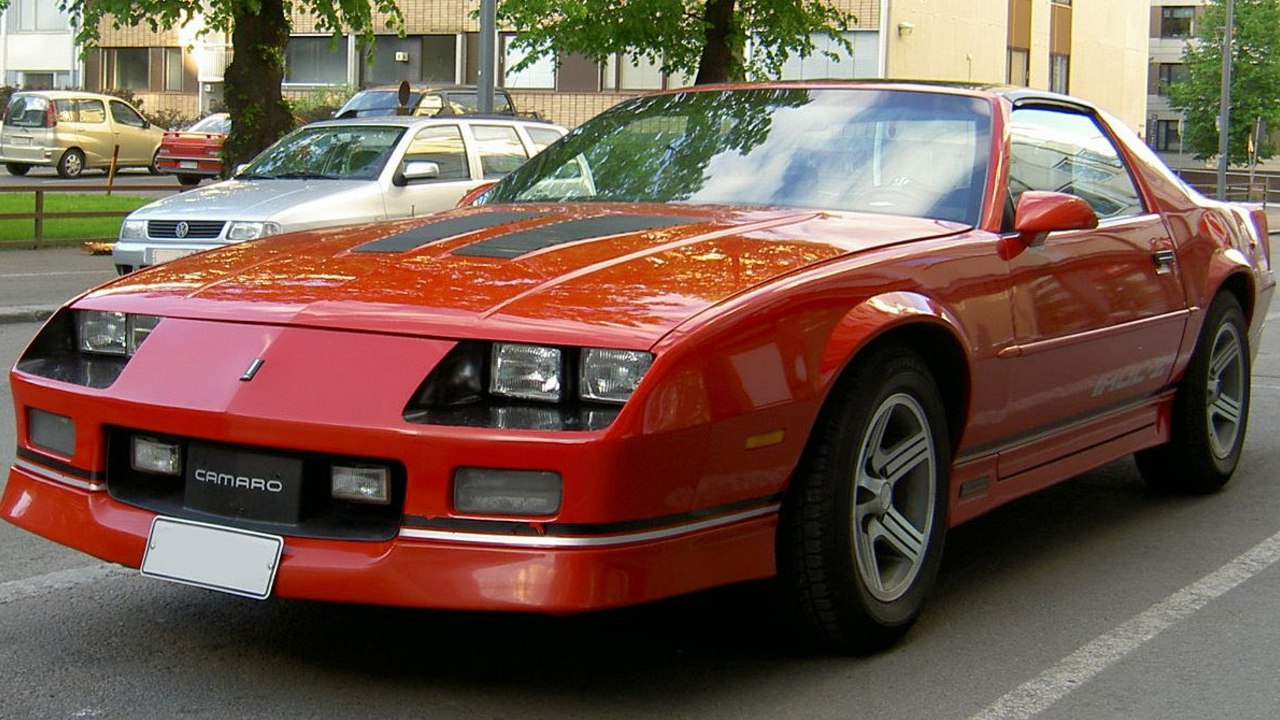
On the market today, the IROC-Z name alone carries a premium, and the 5.7 liter cars sit at the upper end of that curve. A dedicated market tracker for the Chevrolet Camaro IROC shows that it covers model years 1985 to 1990 and highlights a highest recorded sale price that underscores how far top examples have climbed. While that data aggregates all IROC-Zs, not just 5.7 cars, it is reasonable to see the 1987 to 1990 350 TPI models as the most likely candidates for those headline numbers, given their position at the top of the performance range.
Valuation tools that drill down by year give a clearer sense of what buyers are paying. One such tool focused on the 1987 Chevrolet Camaro IROC-Z reports that Typically, you can expect to pay around $18,125 for a 1987 Chevrolet Camaro IROC-Z in good condition with average specification. The same source notes a much higher top sale in recent years, which reflects the reality that low-mileage, highly original cars with desirable options can sell for several times the price of a solid driver.
Year-specific values: 1987 through 1990 IROC-Z 5.7 pricing
Looking specifically at the 1987 to 1990 window, the valuation picture varies by year and condition but follows a consistent pattern. The 1987 figures, with that $18,125 benchmark for a good car, suggest that an entry point into 5.7 IROC ownership is still within reach for many buyers, provided they are comfortable with a driver-quality example. As condition improves toward excellent or concours, the same tools show values rising sharply, which aligns with the broader market data that highlights a very high recent sale for the model.
For the final 1990 model year, a separate valuation entry for the 1990 Chevrolet Camaro IROC notes that prices can vary greatly depending on condition, mileage, options, and originality. That spread is visible in real-world listings and enthusiast discussions, where some high-mileage 1990 IROC-Zs are still traded as affordable projects, while clean, well documented examples command strong money. A social media post highlighting a 1990 IROC Z28 Camaro with 155,000 miles and deferred maintenance illustrates how far condition can pull a car away from the top of the valuation charts, even when it shares the same model year and basic specification as more valuable examples.
Why the IROC-Z 5.7 has become a modern collectible
The IROC-Z 5.7’s rise in value is not just about numbers on a spec sheet, it is also about image and nostalgia. A feature on the IROC-Z’s legacy describes how the car was Born from racing heritage and notes that the iconic IROC-Z28 continues to influence modern wheel designs and styling cues. That same piece frames the Legacy of the IROC as something that extends beyond its production years, which helps explain why buyers today are willing to pay a premium for well preserved examples, especially those with the top engine.
Recent commentary on 1987 to 1990 IROC-Zs reinforces that they remain desirable to enthusiasts who grew up with these cars and now have the means to buy the versions they once saw in magazines. One analysis published on Jan 18, 2025, notes that these late-1980s IROC-Zs are still worth owning and that values have increased on average, reflecting renewed interest in analog, rear-wheel-drive performance cars from that era. When I combine that sentiment with the concrete valuation figures for 1987 and 1990 and the broader market data for the Chevrolet Camaro IROC, the picture that emerges is of a model that has firmly crossed from used car to collectible, with the 5.7 liter variants leading the way.