The Ford Mustang SVO arrived in the mid‑1980s as a turbocharged counterpoint to Detroit’s V8 muscle, and it has since evolved from quirky outlier to a quietly appreciated modern classic. Collectors now look back on this short‑run experiment to ask two questions: exactly when did Ford build it, and what should they expect to pay for one today.
By tracing its production window, performance specs, and current market data, I can map how this once‑niche model has moved from showroom curiosity to a car with a defined value curve in today’s enthusiast marketplace.
How the Mustang SVO fit into the Fox‑body era
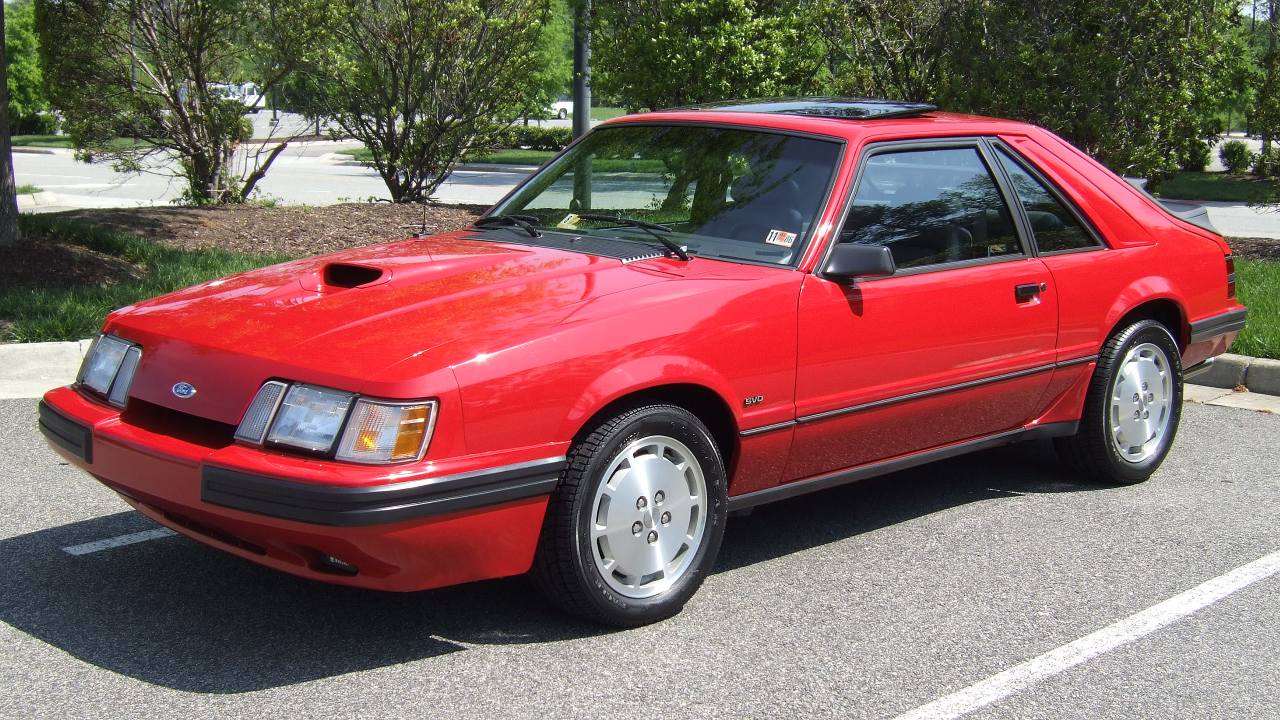
The Ford Mustang SVO was conceived as a high‑tech alternative within the third‑generation Mustang lineup, aimed at drivers who valued balance and sophistication over brute displacement. Rather than simply turning up the wick on the familiar 5.0‑liter V8, Ford created a limited‑production variant with a turbocharged four‑cylinder, upgraded suspension, and distinctive styling cues that set it apart from mainstream Fox‑body models. According to reporting on the Ford Mustang SVO, The Mustang SVO was a special version of the third generation Ford Mustang that focused on technology derived from motorsports rather than traditional muscle‑car formulas.
That positioning made the SVO an outlier even within its own showroom. While the broader third‑generation Mustang range spanned the 1979 to 1986 model years, the SVO occupied a much narrower slice of that timeline and targeted buyers who might otherwise have considered European or Japanese performance coupes. Contemporary analysis of Ford performance history notes that the SVO was launched for 1984 to compete with cars such as the Porsche 944 and Toyota Supra, underscoring how far it sat from the traditional pony‑car template.
When Ford produced the Mustang SVO Turbo
To understand the SVO’s appeal today, I first need to pin down its production window. The most consistent reporting indicates that the Ford Mustang SVO was sold from 1984 to 1986, a tight three‑model‑year run inside the broader Fox‑body era. Coverage of the Ford Mustang SVO explicitly describes The Mustang SVO as a limited‑production version of the third generation Ford Mustang sold from 1984 to 1986, and other historical overviews of the 1984‑86 SVO align with that timeframe.
That short span matters because it helps explain both the car’s rarity and its current pricing. A detailed feature on the SVO’s legacy notes that it was launched for 1984 as a technology showcase for Ford, and later production wrapped up by the middle of the decade as the market shifted back toward V8 power. Another retrospective on The Ford Mustang SVO, described as The Turbocharged Outlier That Redefined Pony Car Performance, reinforces that the model’s years of production were confined to that early‑to‑mid‑1980s window and that total output remained under 10,000 units, which keeps supply tight today.
What made the SVO Turbo different under the skin
From a mechanical standpoint, the SVO’s defining trait was its turbocharged four‑cylinder engine, which aimed to deliver V8‑like performance with a more sophisticated character. Rather than chasing headline displacement, engineers focused on a 2.3‑liter turbocharged unit whose Horsepower output evolved over the car’s brief life. Market data compiled for the third‑generation SVO notes that Horsepower ranged from 175 to 205 horsepower across the run, figures that placed it squarely in the hunt with contemporary imports it was designed to challenge.
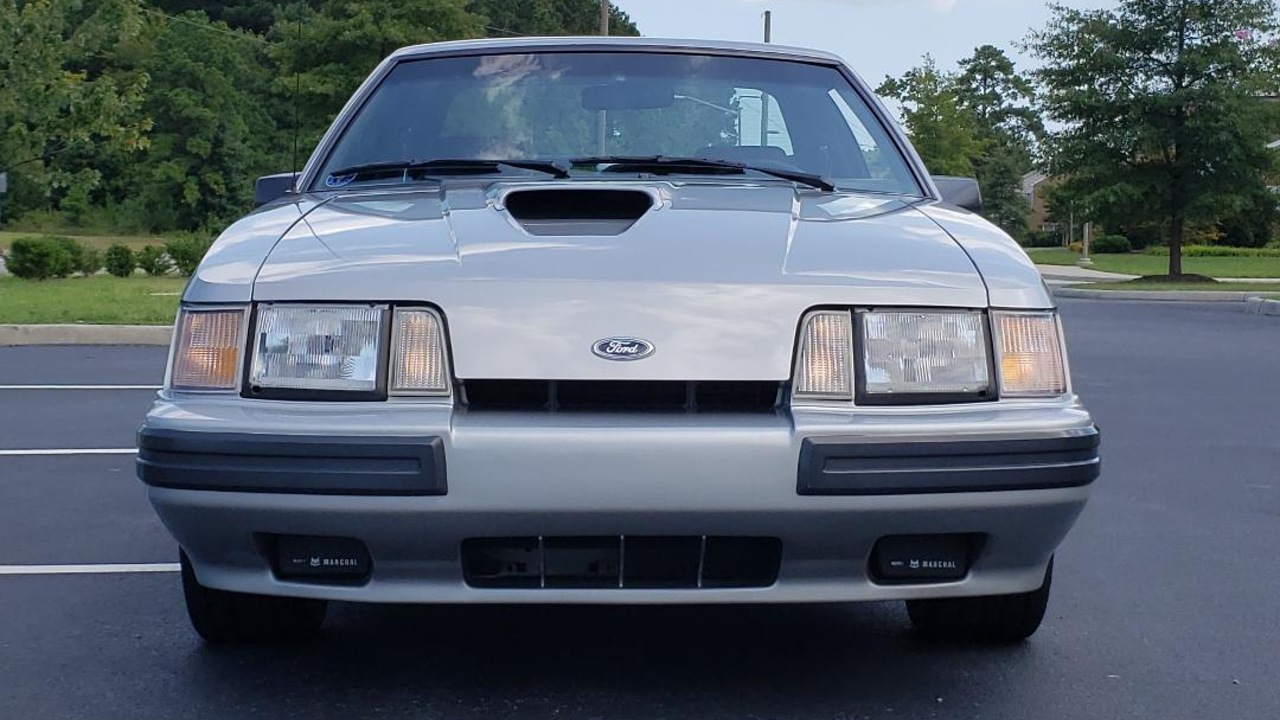
The chassis and equipment list were just as important to the SVO’s identity as the engine. The car received upgraded suspension tuning, four‑wheel disc brakes, and unique aero pieces, and buyers could even opt for a Competition package that stripped out certain amenities in the name of weight savings. Market notes on the third‑generation SVO highlight that this optional Competition package removed comfort features, likely for weight benefits, reinforcing how seriously Ford treated the car’s track‑day credentials. Later analysis of How Ford pursued High Tech performance in the SVO era underscores that this model was intended as a technology leader rather than a simple trim level.
How values have moved from used‑car bargain to collectible
With production limited and performance credentials now better appreciated, the SVO’s price trajectory has shifted from overlooked used car to recognized niche collectible. Earlier coverage of the 1984‑86 SVO noted that by Sep 24, 2018, Popular pricing guides were already showing that the SVO had been creeping up in value, with average‑condition examples selling for noticeably more than they had a decade prior and the best cars commanding significantly higher prices. That same analysis pointed out that the top SVOs in the market were already trading in the low‑to‑mid five‑figure range, signaling that collectors were starting to recognize the car’s importance.
Since then, more granular valuation tools have helped quantify where the SVO sits relative to other Fox‑body Mustangs. A dedicated valuation page for the 1986 Ford Mustang SVO tracks condition‑based pricing and confirms that the model has carved out its own tier in the broader third‑generation Mustang market. Data compiled on the 1986 SVO shows that well‑kept cars now command a premium over tired drivers, and that the spread between average and excellent examples has widened as collectors chase low‑mile, original‑spec cars. At the same time, aggregated sales records for the third‑generation SVO indicate that the average transaction price for the model sits in the mid‑teens, with one summary pegging the typical sale for an SVO, 3rd Gen at about $15,496, which aligns with the idea of a car that is collectible but still accessible.
What buyers are actually paying in today’s market
Headline valuation numbers only tell part of the story, so I also look at how real‑world buyers and sellers talk about SVO pricing. Enthusiast discussions around an “86 SVO” show that asking prices can vary widely depending on condition, originality, and location. In one widely shared Comments Section dated Nov 1, 2023, a poster jokingly suggested that a rough example might be worth “maybe $500,” before acknowledging that realistic figures for a presentable car would be several times higher. That kind of banter underscores how the SVO still straddles the line between cult favorite and mainstream classic, with some enthusiasts treating it as a bargain Fox‑body and others pricing it closer to a limited‑production homologation special.
Against that backdrop, structured market data provides a clearer baseline. Aggregated sales tracking for the third‑generation SVO indicates that the model’s average sale price, at about $15,496, reflects a mix of driver‑quality cars and higher‑end examples, while condition‑based guides for the 1986 SVO show that top‑flight cars can still reach well into the five‑figure range. Earlier reporting from Sep 24, 2018 on SVO pricing mentioned standout sales around $22,000 for the best of the bunch, and more recent valuation tools suggest that figure remains a reasonable benchmark for exceptional, low‑mile cars. For buyers today, that means a realistic budget spans from mid‑teens for a solid driver to the low‑twenties for a truly top‑tier example, with project cars and modified survivors trading below those averages depending on their needs.
Why the SVO’s story still matters to collectors
Beyond raw numbers, the SVO’s appeal in the current market rests on its role as a bridge between analog muscle and modern performance engineering. Owners who bought these cars new have watched Ford’s performance lineup evolve over four decades, and some still daily‑drive or track their original SVOs. A profile of one such owner, Frahm, published on Dec 16, 2024, describes how that early turbo Mustang inspired a stable of modern performance Fords and illustrates how the car’s mix of practicality and innovation still resonates. Stories like that help explain why collectors are increasingly willing to pay a premium for clean, original SVOs rather than treating them as disposable used cars.
At the same time, the SVO’s narrative has been reframed by modern perspectives on turbocharging and chassis tuning. A detailed retrospective published on Jun 21, 2025 under the banner of The Ford Mustang SVO, described as The Turbocharged Outlier That Redefined Pony Car Performance, emphasizes How Ford used High Tech engineering to push the Mustang into new territory. That lens makes the SVO look less like an oddball and more like a precursor to today’s turbocharged performance cars. For collectors weighing where to put their money, that combination of historical significance, limited production from 1984 to 1986, and steadily rising valuations suggests the SVO has moved firmly into the realm of recognized modern classics, with prices that reflect both its rarity and its influence.