
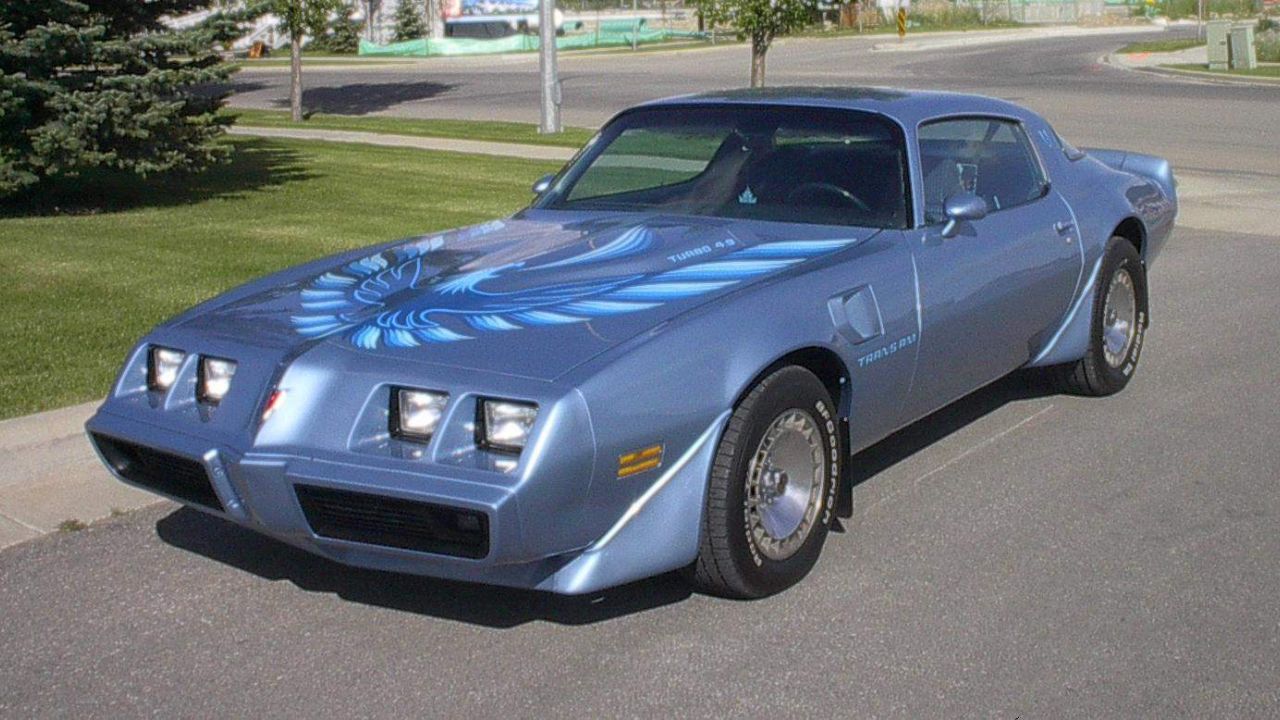
The Pontiac 301 Turbo is a unique piece of automotive history, known for its brief yet impactful presence in the muscle car world. Understanding the significance of the 301 Turbo requires a journey through its origins, production years, and market value today. This exploration delves into the years this turbocharged engine was in production and examines its current status among collectors.
Background of the Pontiac 301 Turbo
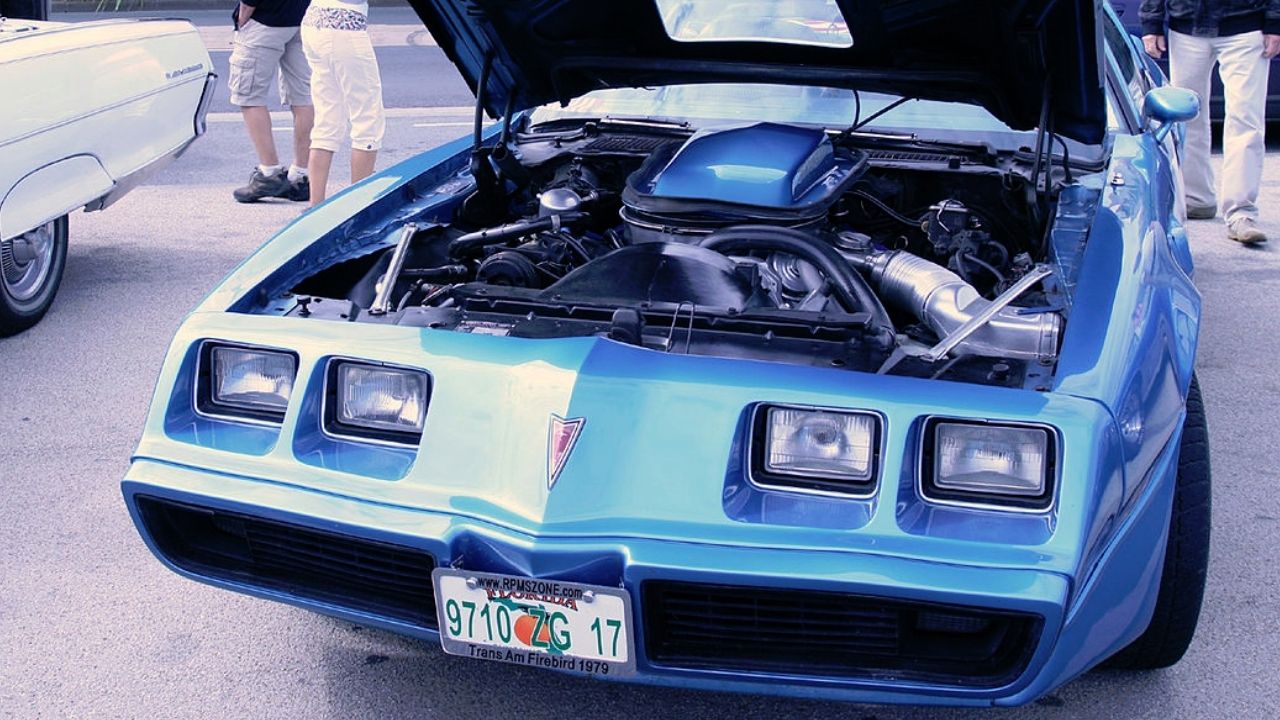
The Pontiac 301 Turbo emerged as a response to the fuel crisis of the 1970s, a period marked by a significant shift in the automotive industry towards more fuel-efficient engines. Developed by Pontiac, the 301 Turbo was introduced as an innovative solution to maintain the performance car brand’s reputation while adapting to new market demands. It represented a bold step for Pontiac, integrating turbocharging technology to enhance output without significantly increasing engine size.
Technically, the 301 Turbo was a marvel of its time. The engine’s design incorporated a unique turbocharging system that set it apart from other engines of the era. With a displacement of 4.9 liters, the engine was designed to produce respectable horsepower while maintaining efficiency. It utilized a single turbocharger, which was a novel approach for American manufacturers in the late 70s and early 80s. This setup allowed the 301 Turbo to fit into Pontiac’s lineup as a middle ground between traditional V8 power and the emerging need for fuel economy.
In terms of market position, the 301 Turbo was situated as a high-performance option amid shrinking engine sizes and tightening emissions regulations. It was a strategic attempt by Pontiac to cater to enthusiasts who still desired the thrill of a powerful engine despite the era’s constraints. This placed the 301 Turbo in a unique spot within the broader automotive market during its time, appealing to a niche segment of performance-minded consumers.
Production Years and Models
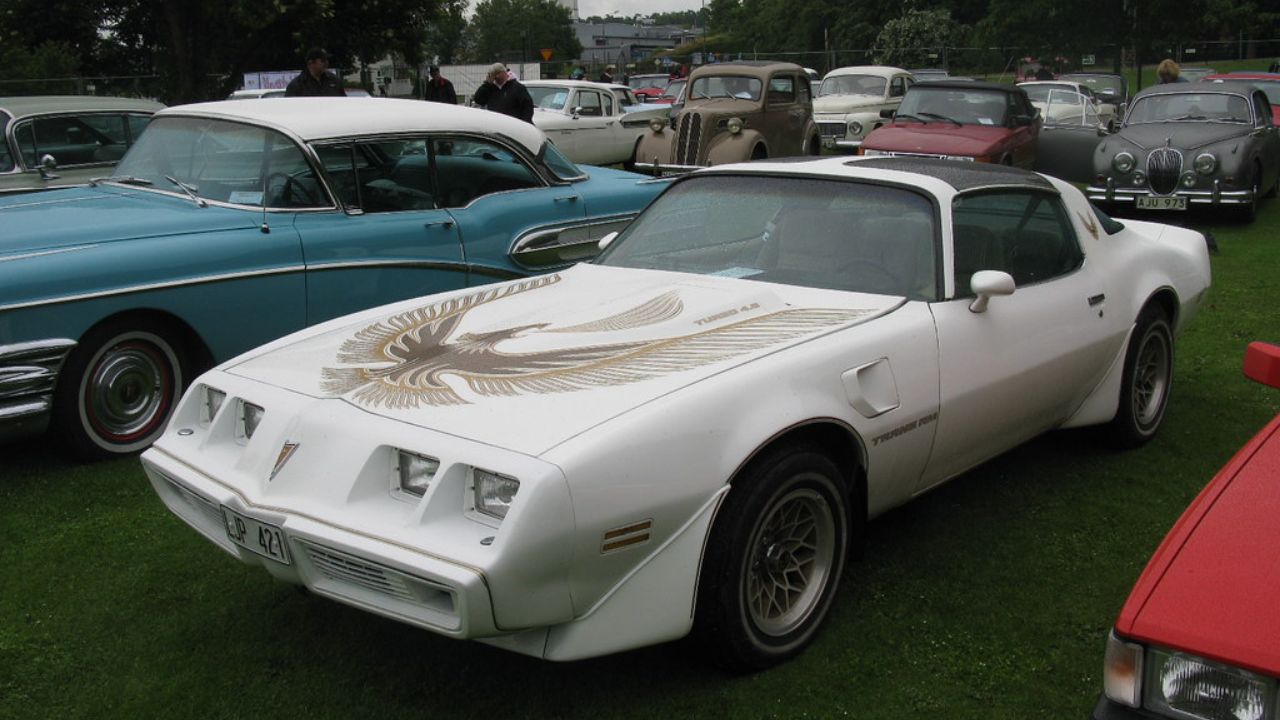
The official production timeline for the Pontiac 301 Turbo was relatively short, spanning from 1980 to 1981. During this period, the engine underwent minor adjustments but remained largely consistent in its core specifications. The brevity of its production run adds to its allure among collectors today, marking it as a rare and distinctive piece of automotive history.
Several Pontiac models were graced with the 301 Turbo engine, most notably the Firebird Trans Am. The inclusion of this engine in such an iconic model further solidified its status and desirability. However, the production of the 301 Turbo was not without its challenges. Manufacturing issues, particularly related to the turbocharging system, occasionally impacted the engine’s reliability and performance, contributing to its brief production window.
Performance and Legacy

The performance metrics of the 301 Turbo were impressive for its time, with the engine producing around 210 horsepower and 345 lb-ft of torque. These figures enabled the cars equipped with this engine to deliver exciting performance levels, although it was often criticized for its lack of refinement compared to naturally aspirated V8s. Despite this, the 301 Turbo managed to carve out a unique space in the market, attracting a dedicated following.
Public and critical reception of the 301 Turbo was mixed. While some praised its innovative approach to the challenges of the era, others were less enthusiastic about its execution and performance quirks. Nevertheless, the engine’s legacy endures, influencing subsequent developments in turbocharging technology and contributing to Pontiac’s storied history.
The lasting impact of the 301 Turbo is evident in its status as a cult classic among car enthusiasts. It paved the way for future turbocharged engines and demonstrated the potential of forced induction in enhancing performance while addressing fuel economy concerns. As such, it remains a significant chapter in Pontiac’s legacy and the broader automotive landscape.
Current Collector Values
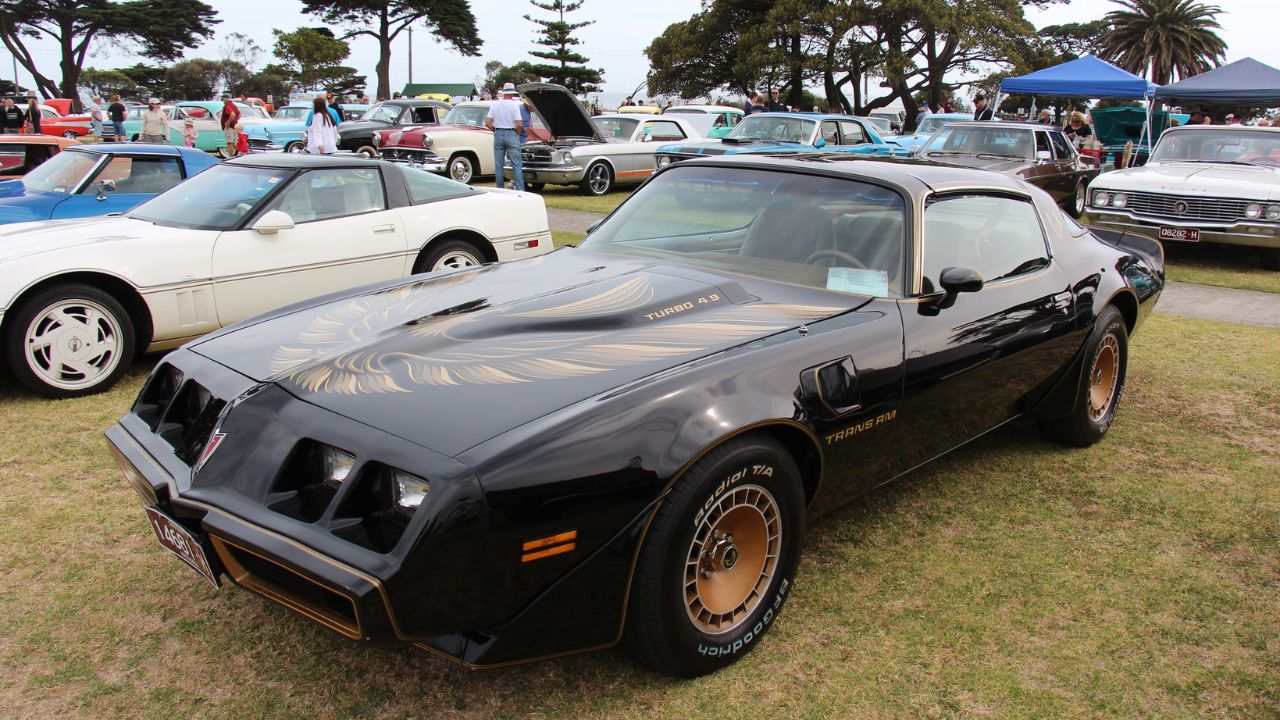
Today, the market demand for vehicles equipped with the 301 Turbo is on the rise. Collectors and enthusiasts have increasingly recognized its historical significance and rarity, leading to a steady appreciation in value. The trend indicates a growing interest in classic American muscle cars, particularly those with unique and innovative features like the 301 Turbo.
Several factors influence the value of a 301 Turbo today. Rarity is a primary consideration, with the limited production run enhancing its desirability. The condition and originality of the vehicle also play crucial roles, as well-preserved examples with original parts tend to command higher prices. Enthusiasts are particularly drawn to models that maintain their factory specifications and appearance.
Regarding investment potential, the 301 Turbo presents a compelling opportunity. Its appeal to enthusiasts and investors alike is accentuated by its historical importance and the ongoing interest in classic cars. However, prospective buyers should consider the challenges associated with restoring and maintaining these vehicles, as discussed in further detail below.
Restoration and Maintenance
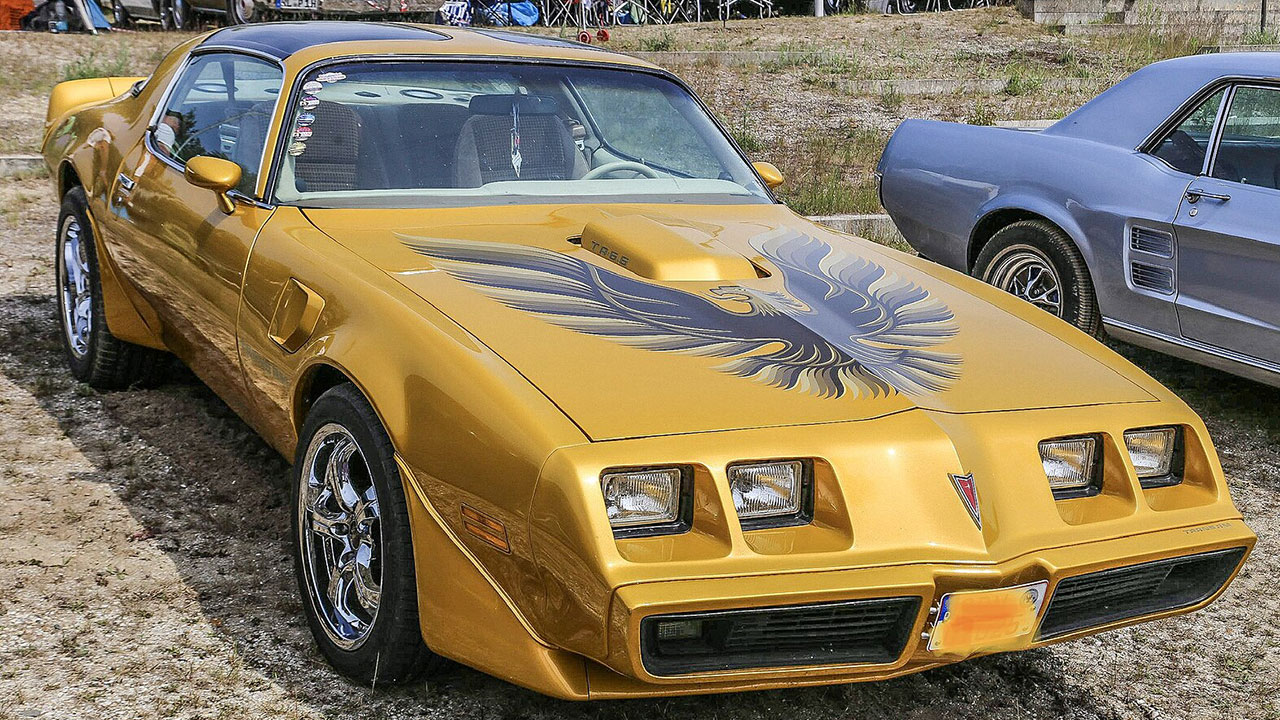
Restoring a 301 Turbo engine can be challenging due to the limited availability of parts and the specialized nature of the turbocharging system. Enthusiasts often rely on dedicated communities and online resources to source components and share knowledge.
Maintenance of a 301 Turbo requires attention to detail and a thorough understanding of its unique components. Regular checks on the turbocharger’s condition and the engine’s overall health are essential to preserving performance and value. Owners are advised to consult the wealth of knowledge available in publications like the Pontiac Enthusiast’s Guide for maintenance tips and technical insights.
Enthusiast communities and resources play a critical role in supporting owners and restorers of 301 Turbo vehicles. They offer a sense of camaraderie and shared passion that helps keep the legacy of this unique engine alive. For those considering a 301 Turbo restoration project, tapping into these networks can provide invaluable assistance and motivation.
Like Fast Lane Only’s content? Be sure to follow us.
Here’s more from us:
*Created with AI assistance and editor review.






Leave a Reply