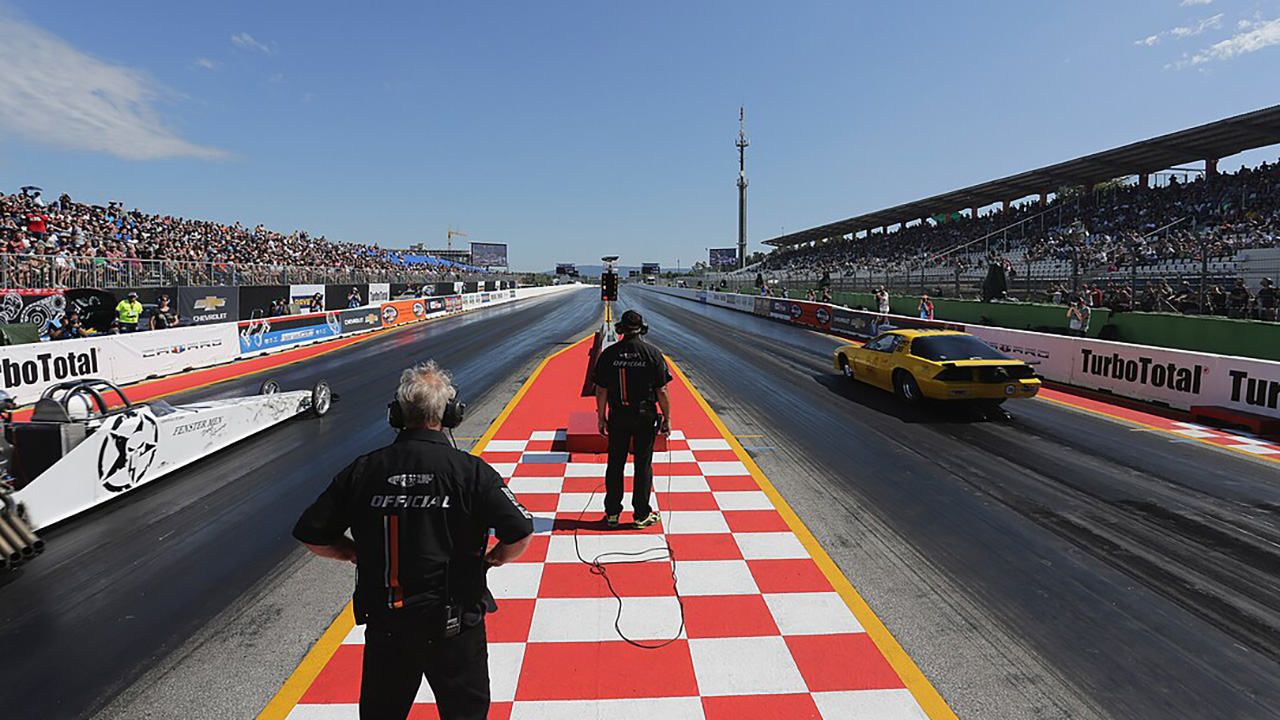
Drag racing is more than just a straight-line sprint; it is a complex interplay of engineering, strategy, and skill. In a quarter-mile drag race, drivers push their vehicles to the limit, aiming to cover 1,320 feet as quickly as possible. This exploration delves into the intricacies of what truly happens during these high-octane events.
The Science of Speed

At the heart of drag racing is the science of speed, where aerodynamics plays a pivotal role in performance. The forces of drag, lift, and downforce are crucial in determining how quickly a car can accelerate. Drag is the resistance a car faces as it moves through air, while lift and downforce affect the vehicle’s stability. Engineers strive to minimize drag and optimize downforce to keep the car glued to the track, ensuring maximum traction and speed. The impact of aerodynamics can be seen in cars like the Bugatti Chiron Super Sport, which is designed to cut through air with minimal resistance.
Another critical factor in drag racing is the power-to-weight ratio. By reducing the weight of the car and enhancing engine power, racers can significantly improve their times. This delicate balance of power and mass is a defining aspect of competition, with vehicles like the McLaren designed to showcase the importance of this ratio. Moreover, tire technology plays a significant role in achieving faster times. High-performance tires provide essential grip and traction, allowing the car to harness the engine’s power effectively. The compound and tread pattern of these tires are optimized for the drag strip, ensuring that every bit of power is translated into forward motion.
The Machines: A Technical Overview

The machinery in drag racing is as varied as it is powerful. Engine specifications are a key differentiator, with naturally aspirated engines offering a different performance profile compared to turbocharged and supercharged setups. Naturally aspirated engines, like those in some classic muscle cars, rely on atmospheric pressure to draw in air, providing a linear power delivery. In contrast, turbocharged and supercharged engines compress air before it enters the combustion chamber, significantly boosting power output.
Transmission choices also play a crucial role in a car’s performance on the strip. The debate between manual and automatic gearboxes is ongoing, with each offering distinct advantages. Manual transmissions provide drivers with direct control over gear changes, allowing for precise timing. However, advanced automatic transmissions, with their rapid and consistent shifts, have become increasingly popular, as seen in many modern dragsters. Suspension and chassis dynamics are also vital, with modifications improving a car’s stability and control during a race. Adjustments to the suspension system can enhance weight transfer and traction, crucial for achieving a successful launch.
The Role of the Driver

While the machines are impressive, the driver’s role cannot be understated. Reaction time is critical in drag racing, as the race can be lost in the split second it takes to launch the car. A quick start is often the deciding factor, making the difference between victory and defeat. Launch techniques are equally important, with drivers employing various strategies to maximize acceleration from a standstill. Techniques such as pre-loading the drivetrain and optimizing throttle input can provide a competitive edge.
Mental and physical preparation is also essential for drivers, who must maintain intense focus and sharp reflexes during their high-speed runs. The demands on the driver are considerable, requiring a blend of skill, concentration, and experience. The ability to remain calm and composed under pressure is what separates the best from the rest in this high-octane sport.
Race Day Strategies
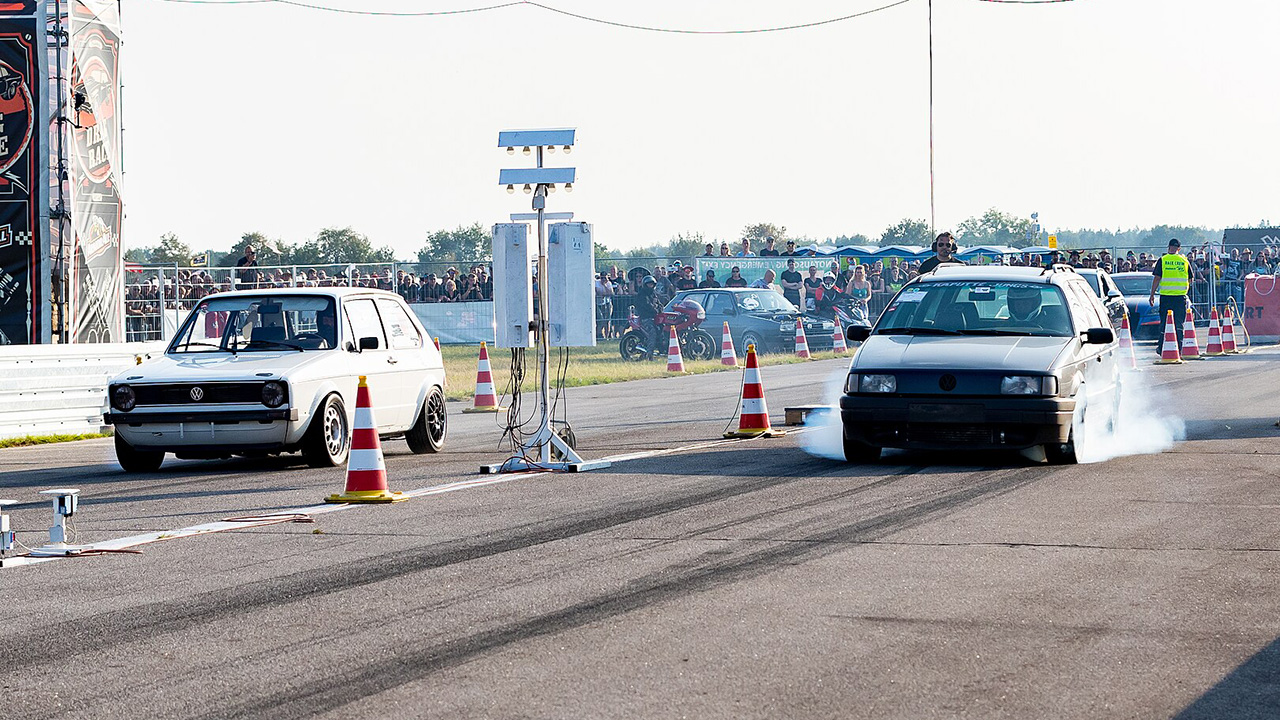
On race day, teams employ a variety of strategies to gain an advantage. Tuning and adjustments made before the race can significantly impact performance. Alterations to the engine, suspension, and tire pressure are just a few of the adjustments teams make in their quest for speed. Weather conditions also play a crucial role, as temperature, humidity, and wind can all affect a car’s performance and strategy. Teams must adapt to changing conditions, making real-time decisions to optimize their vehicle’s performance.
Analyzing the competition is another key aspect of race day strategy. Understanding rival tactics and capabilities allows drivers to fine-tune their approach and gain an edge on the strip. This competitive analysis is a strategic component that can determine the outcome of closely contested races. The interplay of these factors makes for an exhilarating and unpredictable spectacle, where every race tells a unique story.
The Evolution of Drag Racing
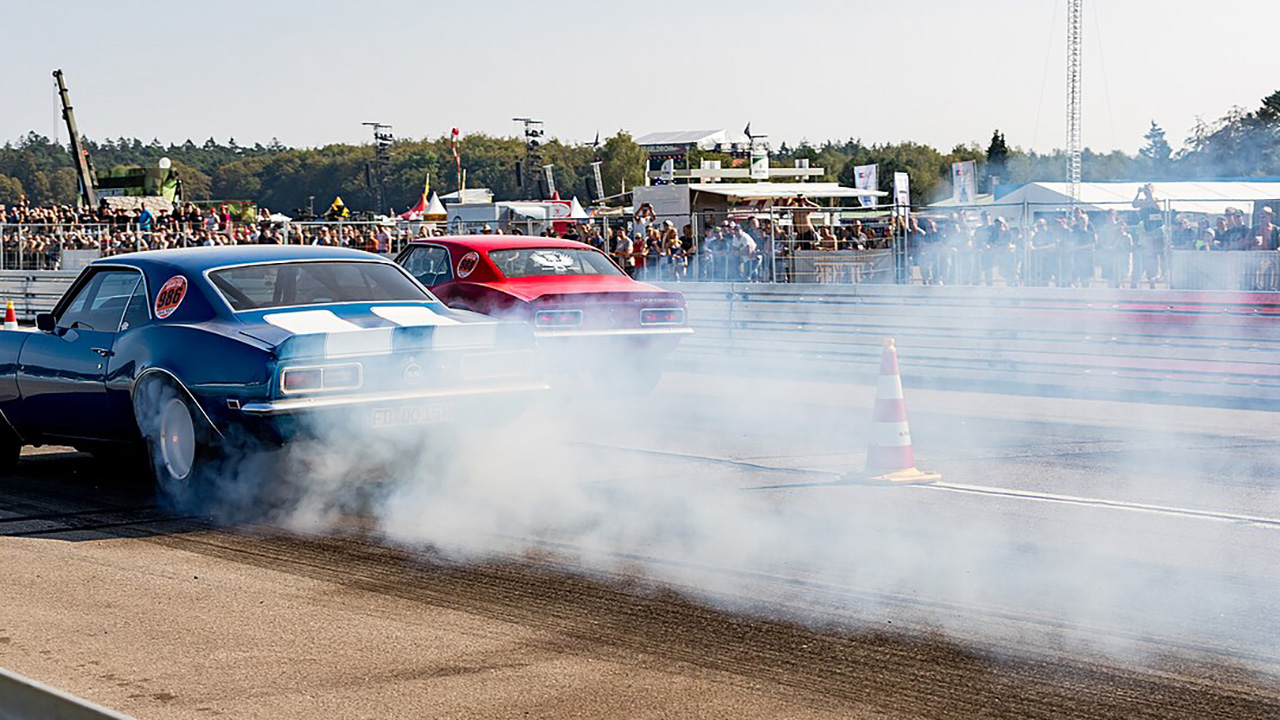
Drag racing has a rich history, with numerous historical milestones shaping the sport over the years. From its grassroots beginnings to the highly organized events of today, drag racing has evolved significantly. Key developments, such as the introduction of electronic timing systems and the establishment of professional racing leagues, have transformed the sport. Modern innovations continue to push the boundaries of speed and safety, with advancements in materials, technology, and engineering.
The future of drag racing looks promising, with emerging trends poised to redefine the sport. Electric vehicles, for instance, are beginning to make their mark on the strip, offering a new dimension of performance and sustainability. As technology continues to evolve, the next generation of racers and machines will undoubtedly push the limits of what is possible. The potential for innovation is immense, ensuring that drag racing will remain an exciting and dynamic sport for years to come.
Like Fast Lane Only’s content? Be sure to follow us.
Here’s more from us:
*Created with AI assistance and editor review.