Engine temperature looks simple on the dashboard, yet the system behind that gauge does complex work every second. A healthy radiator keeps combustion heat under control, protects expensive components, and gives the engine a long, efficient life.
I see the radiator as the quiet middleman that moves heat out of the engine and into the air before trouble starts. When that middleman falters, small warning signs quickly turn into warped metal, blown head gaskets, and repair bills that rival the value of an older car.
How the radiator actually keeps your engine alive
Every modern engine turns fuel into motion and a huge amount of heat, and the radiator manages that thermal load. Coolant absorbs heat inside the block and cylinder head, then flows through thin tubes and fins where passing air strips that heat away. I view the radiator as a controlled heat dump that lets the engine stay in a narrow temperature window instead of cooking itself.
Designers pair the radiator with a thermostat, water pump, cooling fan, and pressure cap so the system works as one loop. The pump pushes coolant, the thermostat meters flow, and the fan pulls air when the car sits in traffic. Many guides on cooling systems explain that stable temperature protects metal parts, engine oil, and emissions hardware, which all suffer when heat spikes.
Key parts that make the radiator system work
Several small parts around the radiator decide whether the system runs smoothly or fails at the worst moment. The radiator cap holds pressure so coolant can run hotter without boiling, which raises the safety margin on summer highway drives. I treat a weak cap as a hidden failure point, because it can let coolant escape or boil even when the core looks fine.
Hoses, clamps, and the thermostat also shape how well the radiator can do its job. Rubber hoses age from the inside and can collapse or crack, which starves the radiator of flow and leads to overheating. Safety agencies that track cooling related recalls often point to hose or clamp defects, not just the radiator core, which shows how much these supporting parts matter.
Early warning signs your radiator is in trouble
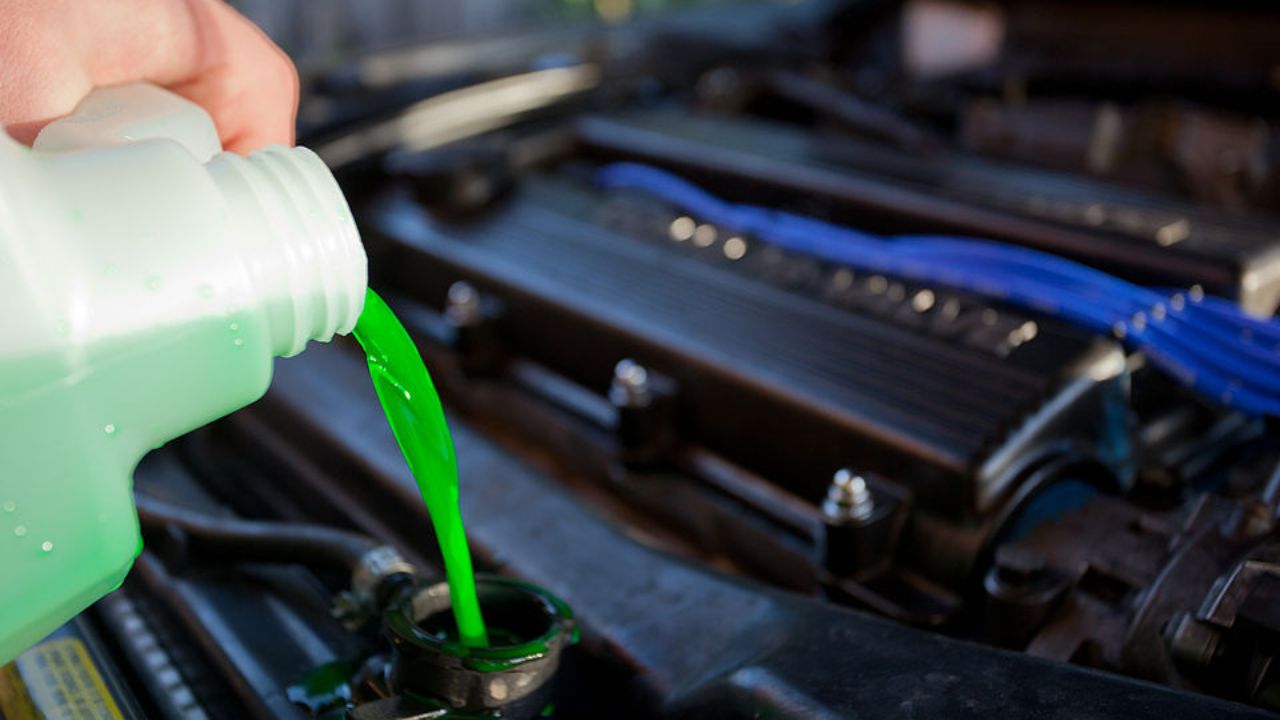
Most failing radiators whisper before they scream, and those early hints are easy to miss. A temperature gauge that creeps higher during long climbs or heavy traffic often signals restricted flow through the core. I pay close attention when the gauge rises under load but drops again on the highway, because that pattern suggests the radiator is losing efficiency.
Visible coolant leaks around the front of the engine bay also point toward trouble. Small green, orange, or pink puddles under the nose of a car can come from cracked plastic tanks, corroded seams, or loose fittings. Regulators who document coolant handling stress that ethylene glycol is toxic, so even slow leaks deserve quick attention for both safety and environmental reasons.
Serious symptoms that mean the radiator may be failing
Once the radiator loses too much capacity, the symptoms become hard to ignore and far more expensive. Engines that overheat repeatedly can warp aluminum cylinder heads, damage head gaskets, and contaminate engine oil with coolant. I see any red zone temperature event as a mechanical emergency, not an inconvenience, because each spike can shorten engine life.
Discolored coolant or sludge inside the reservoir often reveals internal corrosion or contamination. Rust, oil, or mineral buildup can clog the narrow tubes inside the radiator, which cuts heat transfer and raises operating temperature. Technical bulletins that cover cooling issues on specific models frequently mention clogged passages and poor maintenance as root causes, not just age.
How to spot leaks, clogs, and corrosion before they escalate
Regular visual checks around the radiator can catch problems long before the engine overheats. I look for white or green crust on hose connections, damp spots on the radiator tanks, and stains on the undertray or splash shield. These marks usually show where coolant has seeped out and dried, even if the car has not left a fresh puddle on the driveway.
Coolant level and condition inside the overflow bottle also tell a clear story. A steady drop in level without an obvious leak suggests a slow seep or internal loss, while brown or milky fluid hints at contamination. Service schedules that cover coolant replacement recommend periodic flushes, which help prevent the corrosion and deposits that clog radiator tubes and heater cores.
When repair is enough and when replacement makes more sense
Not every radiator problem requires a full replacement, but patch jobs have limits. Small leaks at hose connections or around the cap often respond to new clamps, fresh hoses, or a replacement cap. I treat those fixes as first steps, then watch the temperature gauge and coolant level closely over the next few drives.
Cracked plastic end tanks, heavy corrosion, or repeated overheating usually push the decision toward a new radiator. Many modern units use plastic and aluminum construction that does not lend itself to durable repairs. Owners who check service histories on older sedans often find that a radiator swap around the ten year mark is common, especially in hot climates or where road salt accelerates corrosion.
Simple habits that extend radiator and cooling system life
Consistent maintenance keeps the radiator from becoming an emergency expense. I follow the factory coolant change interval, use the specified coolant type, and avoid mixing formulas that may react badly. Fresh coolant carries corrosion inhibitors that protect aluminum and steel surfaces inside the radiator and engine.
Driving habits also matter more than many owners realize. Long climbs at full throttle, heavy towing, and extended idling all load the cooling system, especially in older vehicles. Guidance on efficient driving notes that smoother acceleration and moderate speeds reduce heat and stress on the engine, which indirectly helps the radiator stay within its comfort zone.