The Chevy SS came and went with barely a whisper outside the car world, but those who know, know. Under its plain clothes was a proper rear-drive performance sedan powered by a Corvette-sourced V8. Built in Australia and sold in the U.S. from 2014 to 2017, the SS was never flashy—but that was the point. Here are ten reasons this sleeper sedan still deserves respect.
Corvette Power Under the Hood
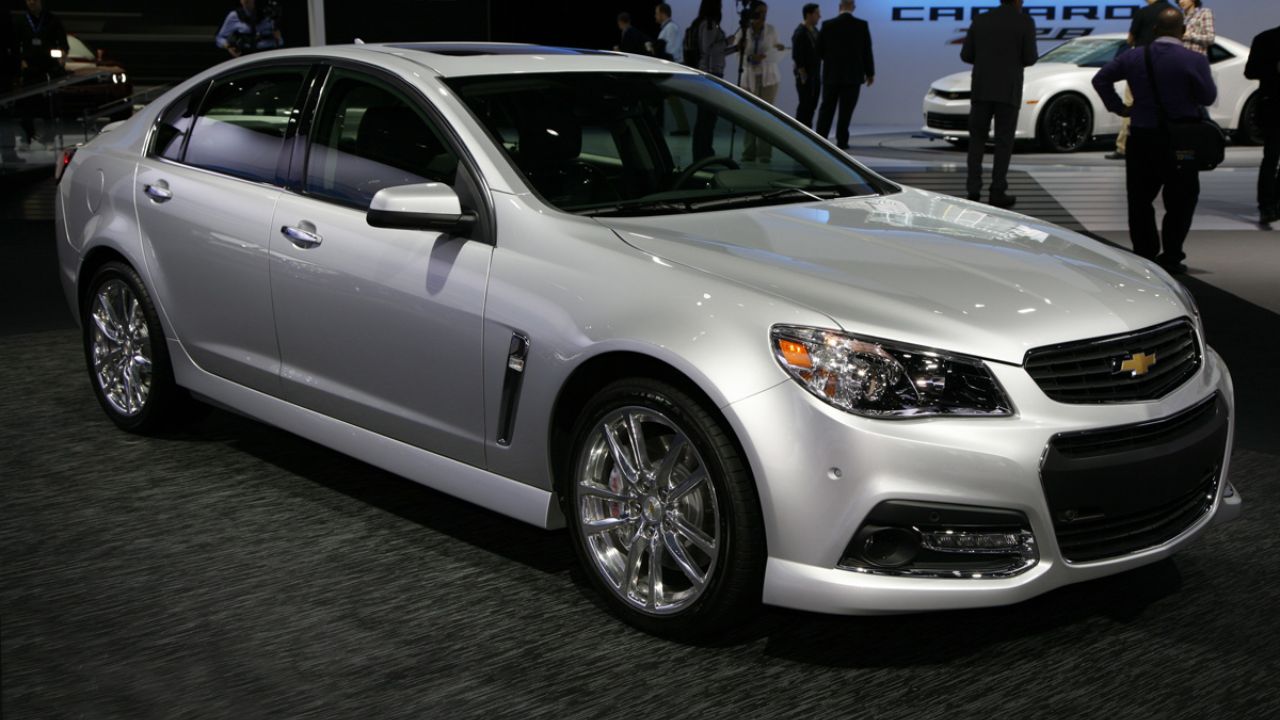
The 2014–2015 Chevy SS used the LS3 6.2-liter V8 straight out of the C6 Corvette. It made 415 horsepower and 415 lb-ft of torque, enough to push the 3,975-pound sedan from 0 to 60 mph in about 4.7 seconds.
It came standard with a six-speed automatic, but in 2015 Chevy added a proper six-speed manual option. The SS wasn’t about hype—it just worked. You got all the performance of a muscle coupe in a four-door you could take to work.
Magnetic Ride Was Standard
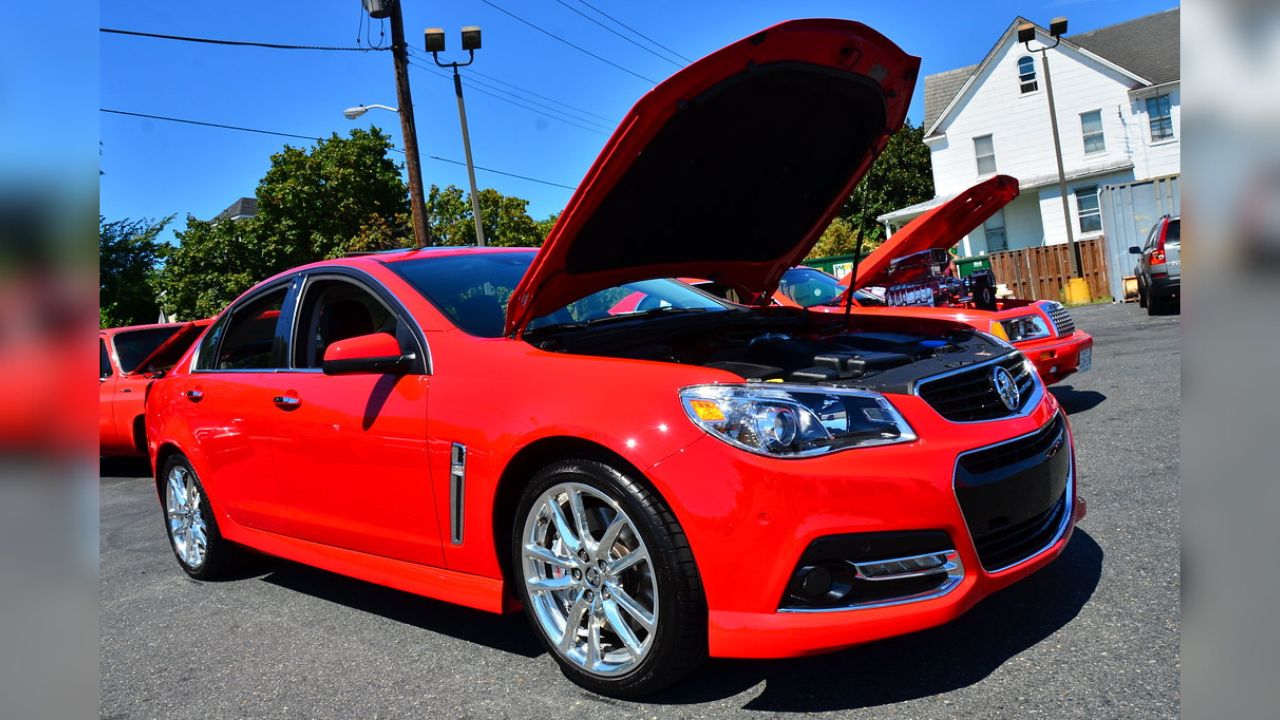
By 2015, the SS got GM’s Magnetic Ride Control suspension, the same tech used in the Corvette and Cadillac V models. It adjusted damping on the fly, giving the SS a surprisingly comfortable ride without killing cornering ability.
This wasn’t a stiff, punishing setup. You could actually daily drive the SS without hating every pothole. Switch to Sport mode, and it would tighten up for spirited backroad runs. For a sedan with a big V8, it handled its weight well.
Brembo Brakes All Around
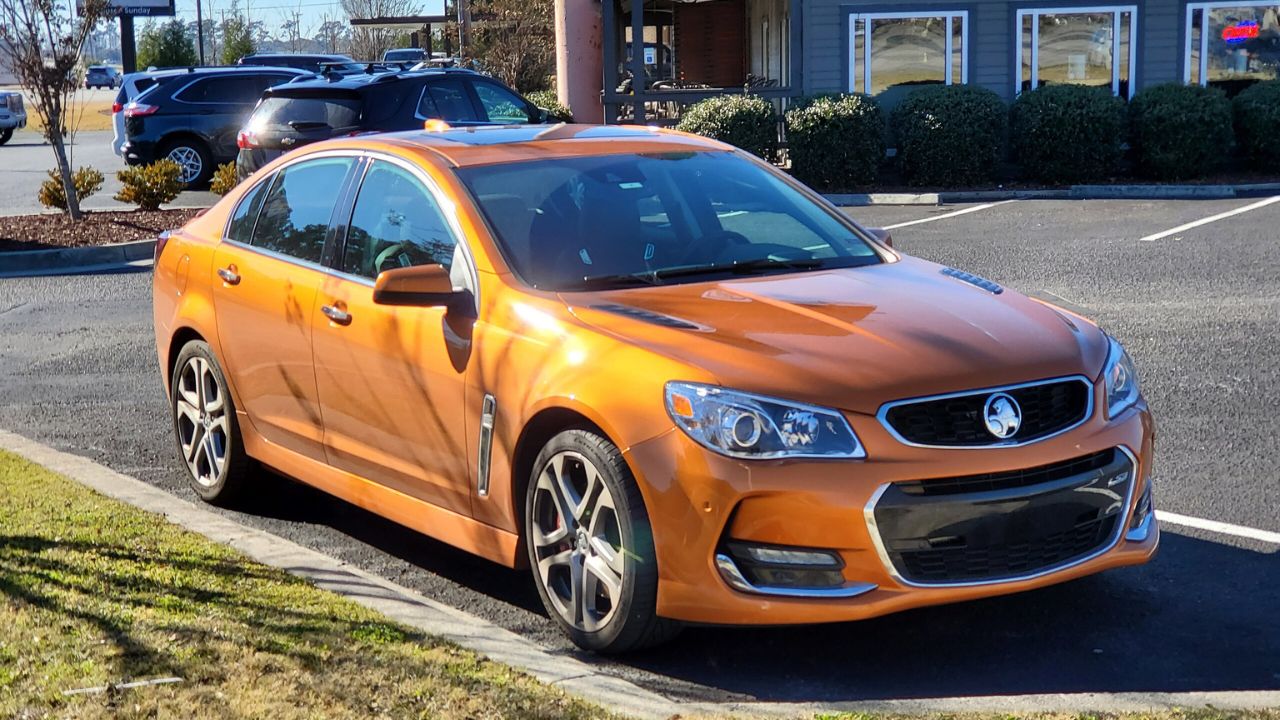
Unlike some sporty sedans that only get upgraded front brakes, the SS came with four-piston Brembos at all corners. They clamped 14-inch front rotors and 13-inch rears—serious stopping power for a nearly two-ton sedan.
These brakes gave the SS confidence in both street and track use. Fade resistance was solid, and pedal feel stayed consistent even after repeated hard stops. It didn’t just go fast—it could stop hard too.
It Came Fully Loaded—No Packages Needed
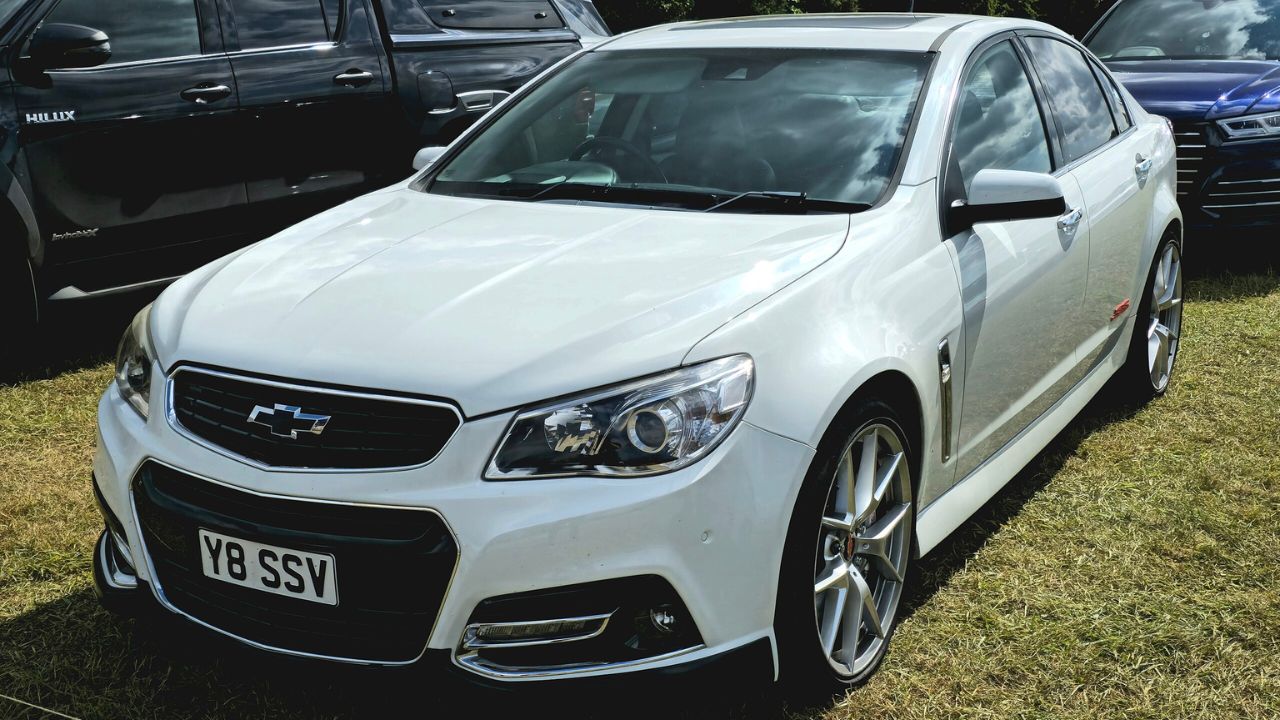
The SS wasn’t a stripped-out base model you had to option up. It came standard with leather sport seats, dual-zone climate, a head-up display, navigation, heated and cooled seats, and a Bose audio system.
That meant you didn’t have to dig through an options list or worry about trim levels. You got everything in one shot. The only real options were the manual transmission, sunroof, and a spare tire instead of a compressor.
Subtle Styling Hid Its Capabilities
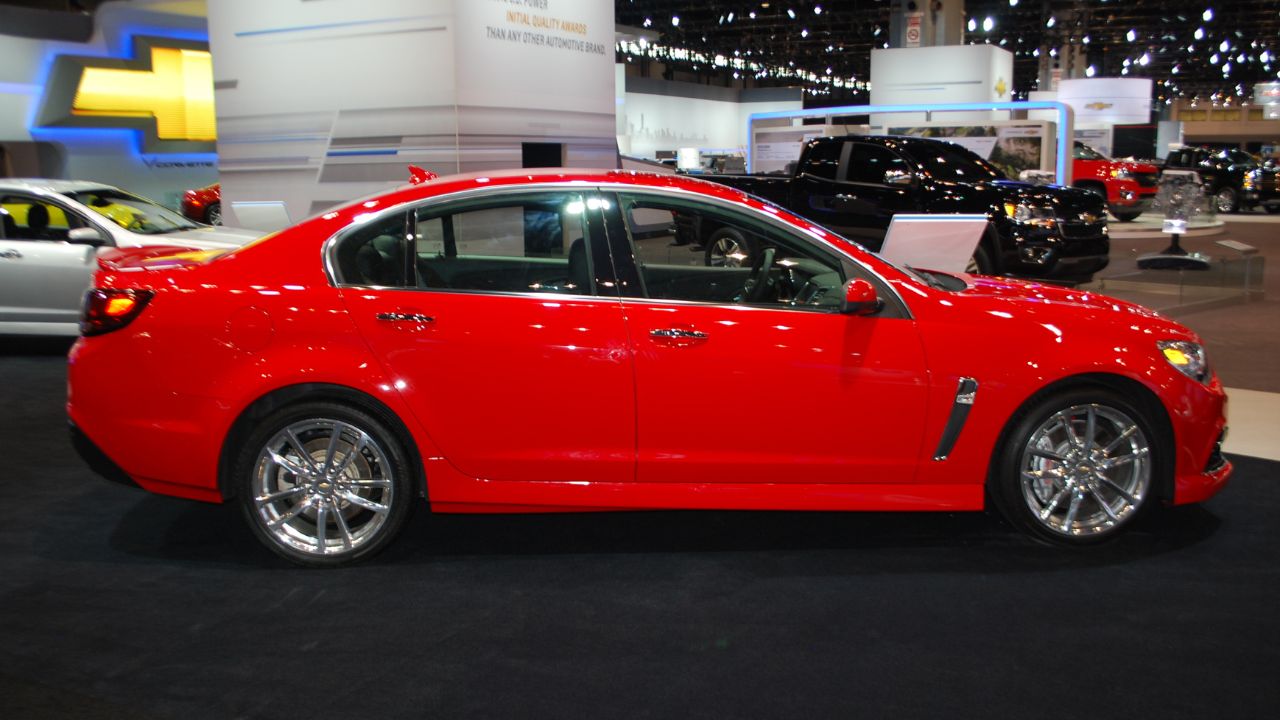
The SS never shouted about its performance. No giant wings, no flared fenders, and no outrageous graphics. Just clean lines, a subtle hood bulge, and quad exhaust tips if you looked closely.
That low-key design helped it blend in. You could park it anywhere and not draw attention—until you hit the gas. In an era of look-at-me design, the SS stuck to business. It was a muscle car in a business suit.
Built by Holden in Australia
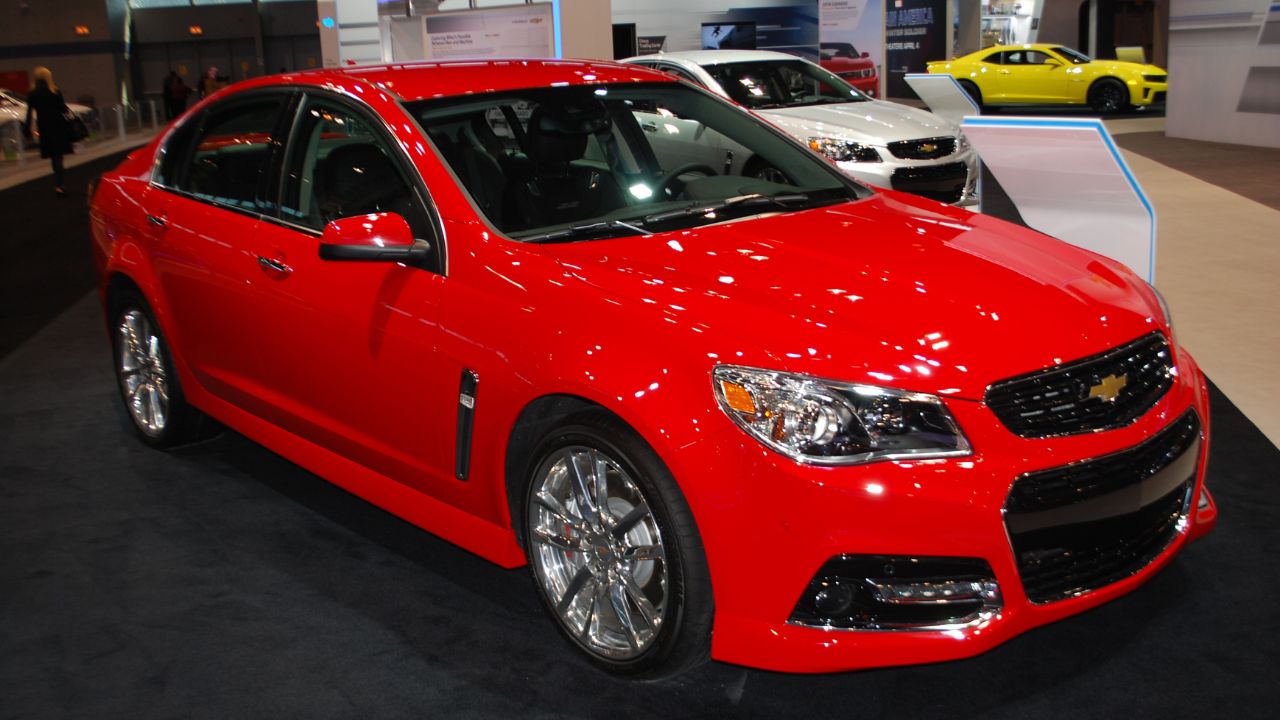
The Chevy SS was a rebadged Holden VF Commodore, built in Elizabeth, South Australia. It shared its underpinnings with the Pontiac G8, but with more refinement and better tech across the board.
When Holden ceased production in 2017, so did the SS. That makes it one of the last full-size, rear-drive V8 sedans GM ever offered. The Aussie connection gave it a different personality—less polished than a BMW, but more raw in a good way.
Rear-Wheel Drive Wasn’t Just for Burnouts
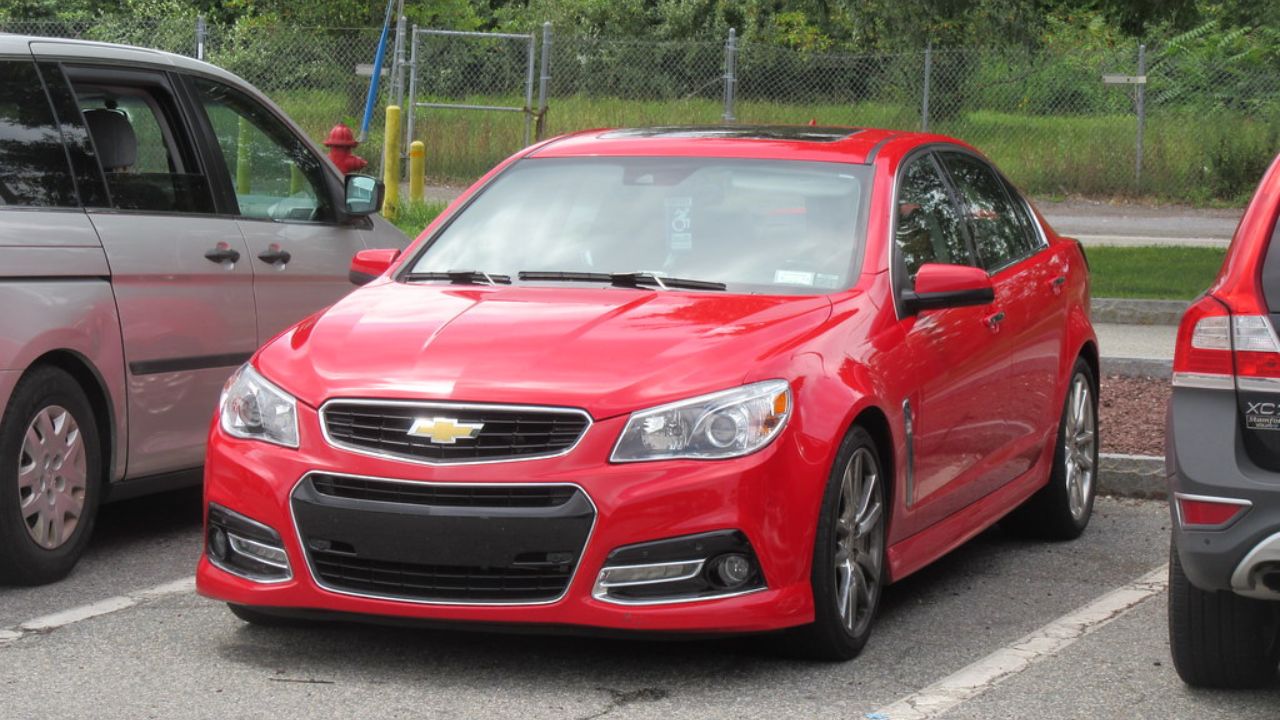
In a sea of front-drive sedans, the SS stood out with its traditional rear-drive layout. That gave it better weight balance, better throttle response, and a more connected feel through corners.
It also meant you could steer it with the throttle. The limited-slip differential came standard, helping put the power down cleanly when you got on it. It wasn’t just about doing smoky burnouts—it was about real driving engagement.
Manual Transmission Option Was Rare
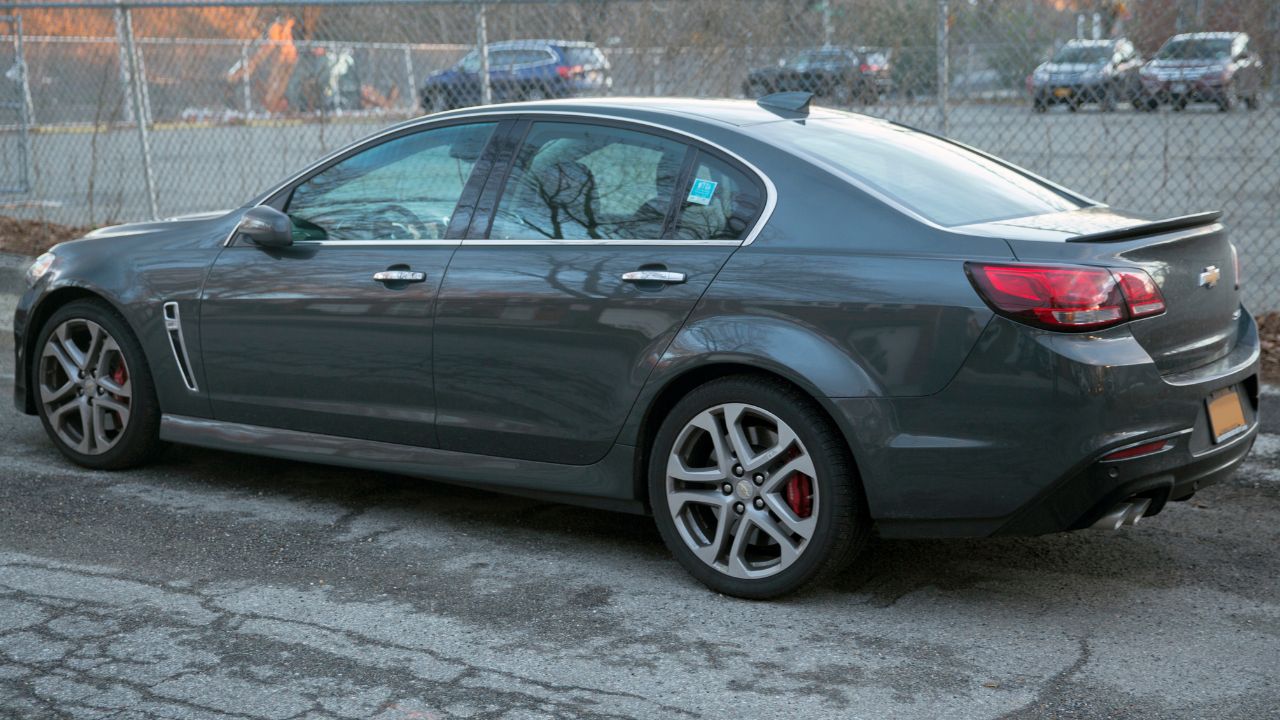
Only around 1,500 Chevy SS sedans were built with the six-speed manual, making it one of the rarest factory stick-shift V8 sedans of the era. It came with automatic rev-matching and a beefy clutch.
The manual changed the character of the car. It gave you more control and added to the sleeper appeal. You didn’t expect to see a full-size four-door with a proper third pedal—and that’s exactly what made it special.
Sales Were Always Low
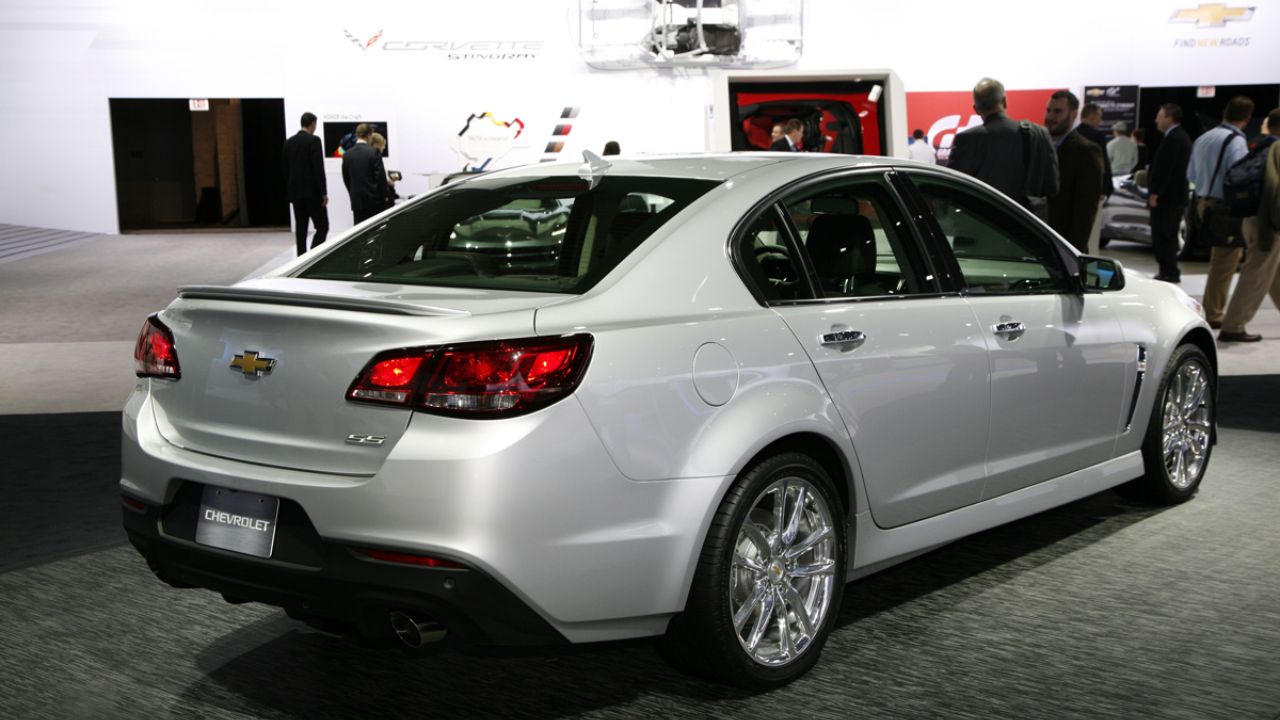
Between 2014 and 2017, Chevy sold just under 13,000 SS sedans in the U.S. That’s fewer than some special-edition Camaros sell in a single year. It was never heavily marketed and rarely seen in showrooms.
Low sales had nothing to do with quality or performance. The SS just didn’t fit GM’s marketing playbook. It was too fast for the Malibu crowd and too subtle for the muscle car faithful. But today, that rarity adds to its appeal.
It’s Already a Collector Sleeper
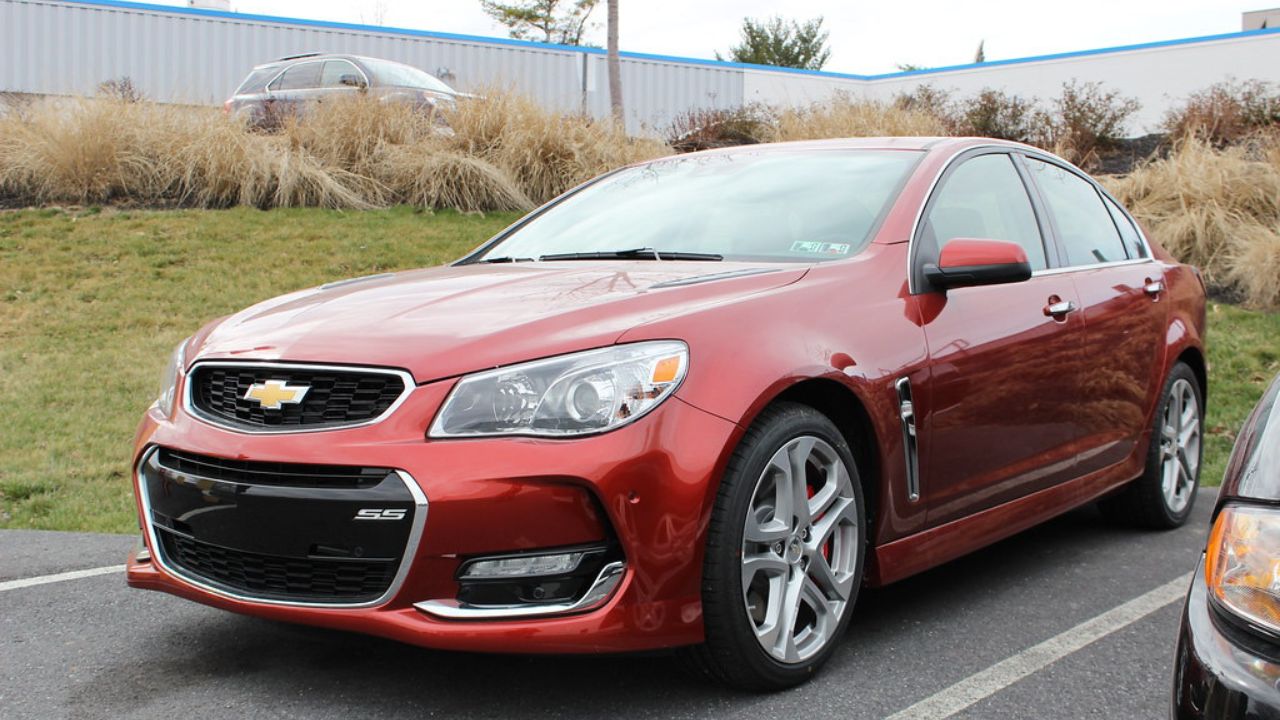
Because of its low production numbers, Australian roots, and raw capability, the SS is gaining attention as a modern collectible. Clean manual examples are already creeping past $50,000 on the used market.
It’s one of the few recent cars that balances performance, practicality, and rarity without being overhyped. The SS wasn’t built to be flashy—but it’s aging well. People who drove them knew what they had, and those who didn’t are finally starting to catch on.
Like Fast Lane Only’s content? Be sure to follow us.
Here’s more from us:
*Created with AI assistance and editor review.