The station wagon, once the quintessential family vehicle, has faded into the background as SUVs have taken center stage. The golden age of station wagons was marked by their distinctive appeal, combining style, practicality, and a unique sense of cool that many modern SUVs struggle to replicate.
The Rise of the Station Wagon: A Cultural Icon
Station wagons became the family car of choice in the mid-20th century, symbolizing freedom and adventure for countless families. With their spacious interiors and ability to carry both passengers and cargo, they quickly gained popularity. Models like the Ford Country Squire and the Chrysler Town & Country showcased innovative features such as tailgates and foldable third-row seats, making them practical for family outings and road trips.
The design of these vehicles was equally noteworthy. The classic wood paneling and sleek lines set them apart from other cars on the road. They became symbols of family life and leisure, often featured in movies and television shows. Films like “National Lampoon’s Vacation” and shows like “The Brady Bunch” prominently featured station wagons, solidifying their status as cultural icons.
Practicality and Versatility of Station Wagons
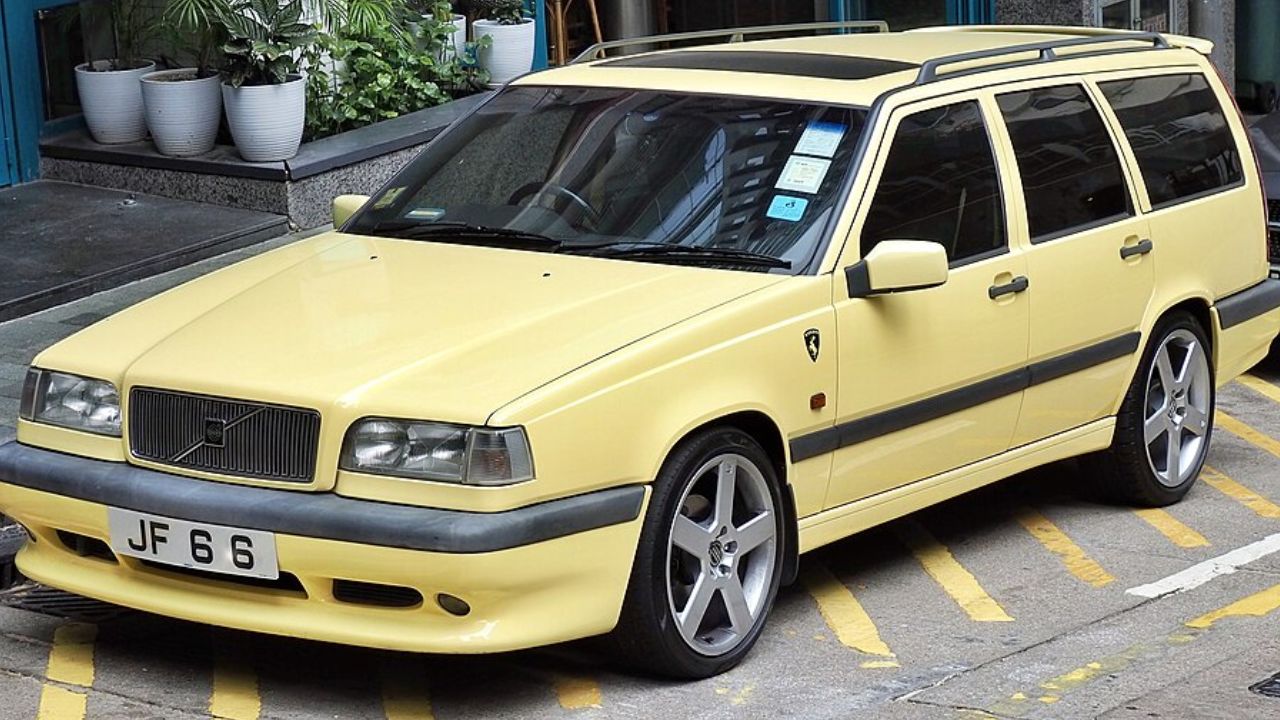
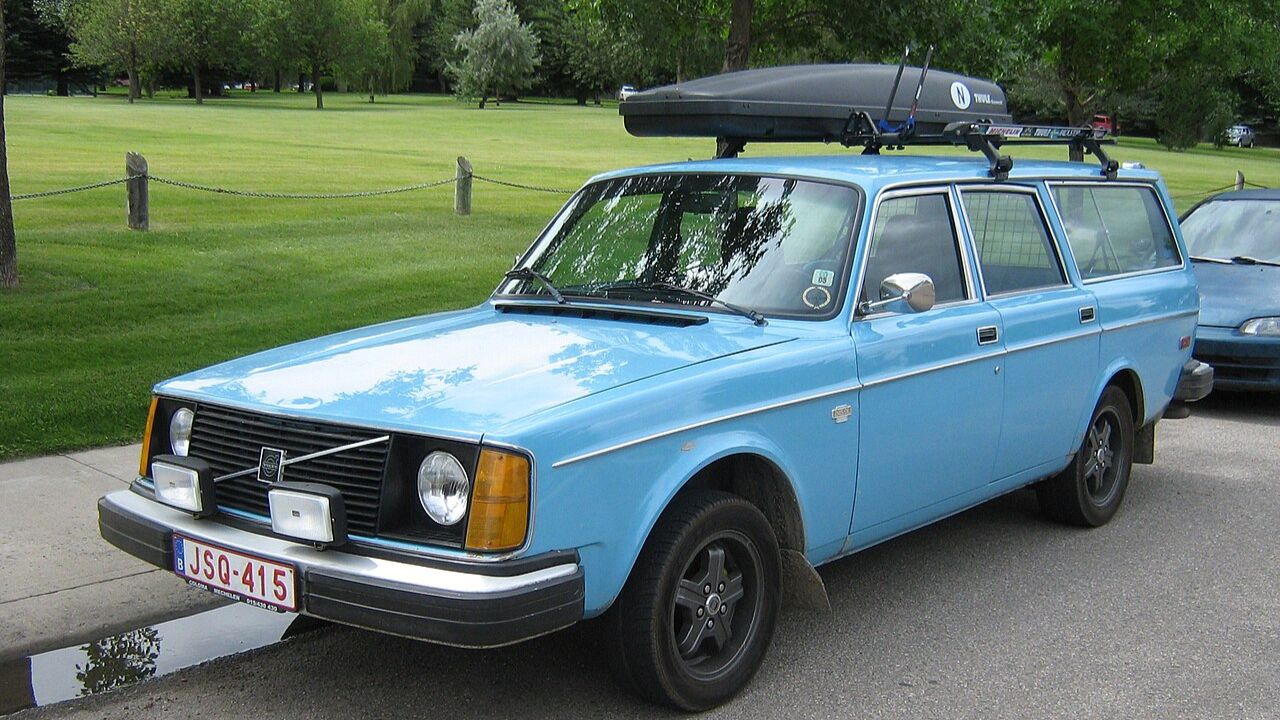
When it comes to practicality, station wagons offer a unique advantage over SUVs, particularly in terms of cargo space and accessibility. Many station wagons, like the Volvo V70, provide ample room for gear while maintaining lower loading heights. This makes it easier for families to load and unload, especially when dealing with children and bulky items.
Fuel efficiency is another area where station wagons often outshine their SUV counterparts. Models such as the Honda Accord Wagon have been known to deliver better miles per gallon, making them a more economical choice for families concerned about rising fuel costs. Additionally, the driving dynamics of station wagons typically offer better handling and ride comfort, making everyday driving a more pleasant experience.
Station Wagons vs. SUVs: A Style Showdown
The aesthetic appeal of station wagons is undeniable, with their sleek lines and elegant designs providing a stark contrast to the bulkiness of many SUVs. Classic station wagons, like the 1970s Chevrolet Malibu, exuded a distinctive style that many modern SUVs have yet to achieve. The customization options available for station wagons also appealed to car enthusiasts, allowing for personalized touches that made each vehicle unique.

Nostalgia plays a significant role in the allure of station wagons. Many people have fond memories of family road trips and adventures in these iconic vehicles. The emotional connection to station wagons often surpasses the more utilitarian feel of SUVs, which can sometimes lack character. It’s not uncommon for individuals to reminisce about the family station wagon that took them on countless adventures, highlighting the lasting impact these vehicles have had on our lives.
The Decline of the Station Wagon and the Rise of SUVs
As the late 1990s and early 2000s rolled around, consumer preferences began to shift dramatically from station wagons to SUVs. The rise in popularity of vehicles like the Ford Explorer and Chevrolet Tahoe marked a new era where larger, more rugged cars were marketed as the ideal family vehicle. This shift was influenced by changing lifestyles, with families seeking more versatile and adventurous options.
Advertising played a crucial role in this transition. SUV marketing often emphasized a sense of adventure and ruggedness, appealing to consumers’ desires for an active lifestyle. As a result, station wagons fell out of favor, leading to a significant decline in their production. However, there have been recent attempts to revive the station wagon concept, with models like the Volkswagen Golf SportWagen and the Volvo V60 trying to blend the best attributes of both station wagons and SUVs, yet the iconic status of the classic wagon remains unmatched.