The evolution of Chrysler’s fins is a fascinating tale of automotive design and cultural trends. As a hallmark of 1950s American cars, the increasing height of these fins not only reflected changing aesthetics but also the shifting perceptions of power, speed, and futuristic innovation in the automobile industry.
Historical Context of Chrysler’s Fins
The 1950s marked a transformative period in the automotive landscape, characterized by a surge in consumerism and technological advancement post-World War II. Tail fins emerged as a prominent design trend, signifying not only style but also a newfound sense of optimism and ambition. Chrysler, under the innovative leadership of designer Virgil Exner, embraced this trend wholeheartedly, integrating bold, aerodynamic fins into their models.
Exner’s vision was heavily influenced by the aesthetics of the jet age and the excitement surrounding space exploration. The sleek lines of aircraft and rockets inspired automotive designers, leading to the incorporation of fins that evoked the imagery of flight. Chrysler’s designs, particularly those featuring exaggerated tail fins, became synonymous with modernity and adventure, capturing the imagination of the American public.
The Evolution of Fins Through the Years
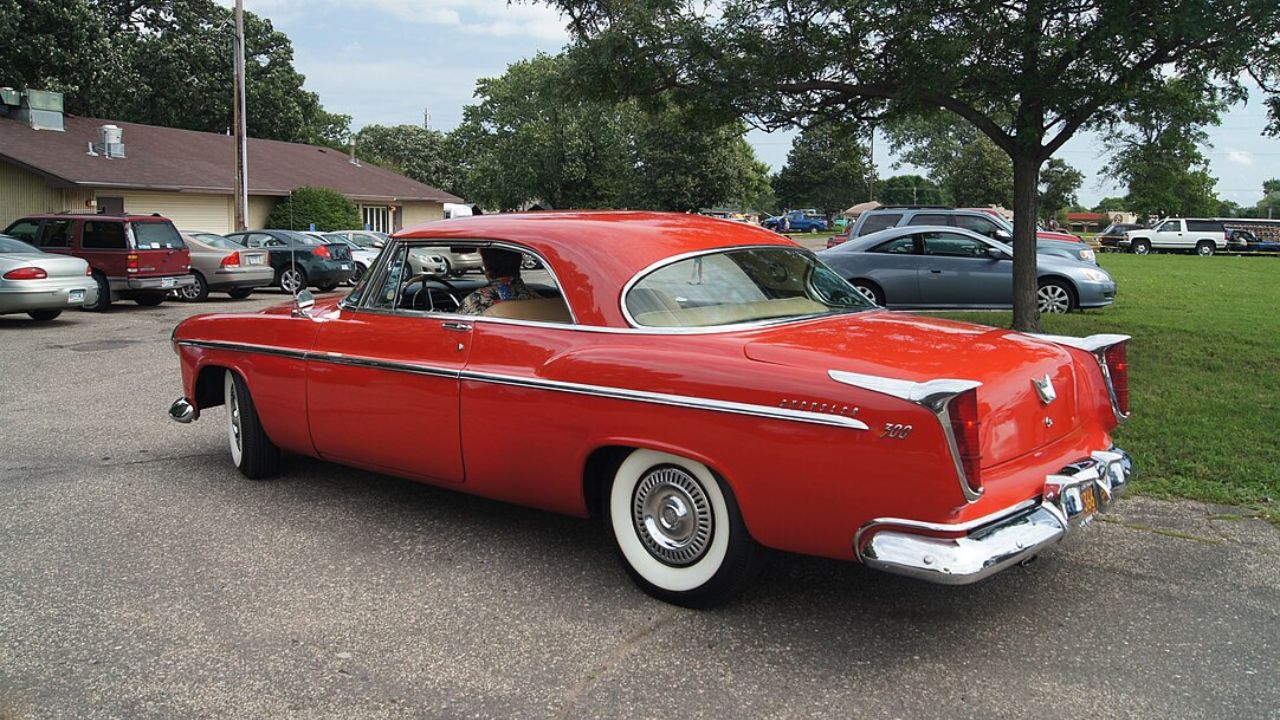
From the early 1950s to the late 1960s, Chrysler’s fin designs underwent a remarkable evolution. The 1955 Chrysler 300 introduced a more subtle fin, blending seamlessly into the car’s body. However, by 1957, the Chrysler 300C showcased a more pronounced and dramatic fin, towering above the rear fenders and exuding an air of dominance on the road. This model set the stage for a series of increasingly taller fins, reflecting both design trends and consumer preferences for boldness.
By 1960, the Chrysler Newport further pushed the boundaries of fin design, with a sharper, more aggressive profile. In comparison to competitors like Cadillac, which also featured tail fins but with more restrained designs, Chrysler’s approach was audacious. The fins not only distinguished Chrysler from its rivals but also cemented its reputation as an innovator in automotive design.
Symbolism and Cultural Significance
The rise of taller fins on Chrysler vehicles symbolized more than just design; they represented power, status, and the aspirations of the American Dream during the post-war era. As families sought to embrace a new lifestyle filled with freedom and possibility, these cars became a symbol of prosperity and success. The fins served as a visual metaphor for speed and modernity, echoing the excitement of a nation moving forward.
Advertising played a crucial role in popularizing the fin designs and amplifying their cultural significance. Marketing campaigns highlighted the sleekness and futuristic aspects of Chrysler’s cars, appealing to consumers’ desires for success and adventure. The imagery of fins cutting through the air became a staple in promotions, reinforcing the idea that owning a Chrysler meant embracing the future.
Decline of the Fin Era and Legacy
As the 1960s progressed, several factors contributed to the decline of the tail fin trend. Changing consumer preferences, rising fuel costs, and a shift towards more practical, fuel-efficient designs led to a reevaluation of automotive aesthetics. By 1962, Chrysler began transitioning away from the flamboyant fins that had defined its identity, opting instead for more streamlined and functional designs.
Despite the decline of the fin era, the legacy of Chrysler’s tail fins remains evident in contemporary vehicle aesthetics. The boldness and creativity of those designs have influenced modern automotive styling, encouraging a blend of nostalgia and innovation. Today, automotive designers continue to draw inspiration from this iconic period, ensuring that the spirit of Chrysler’s fins lives on in the world of car design.