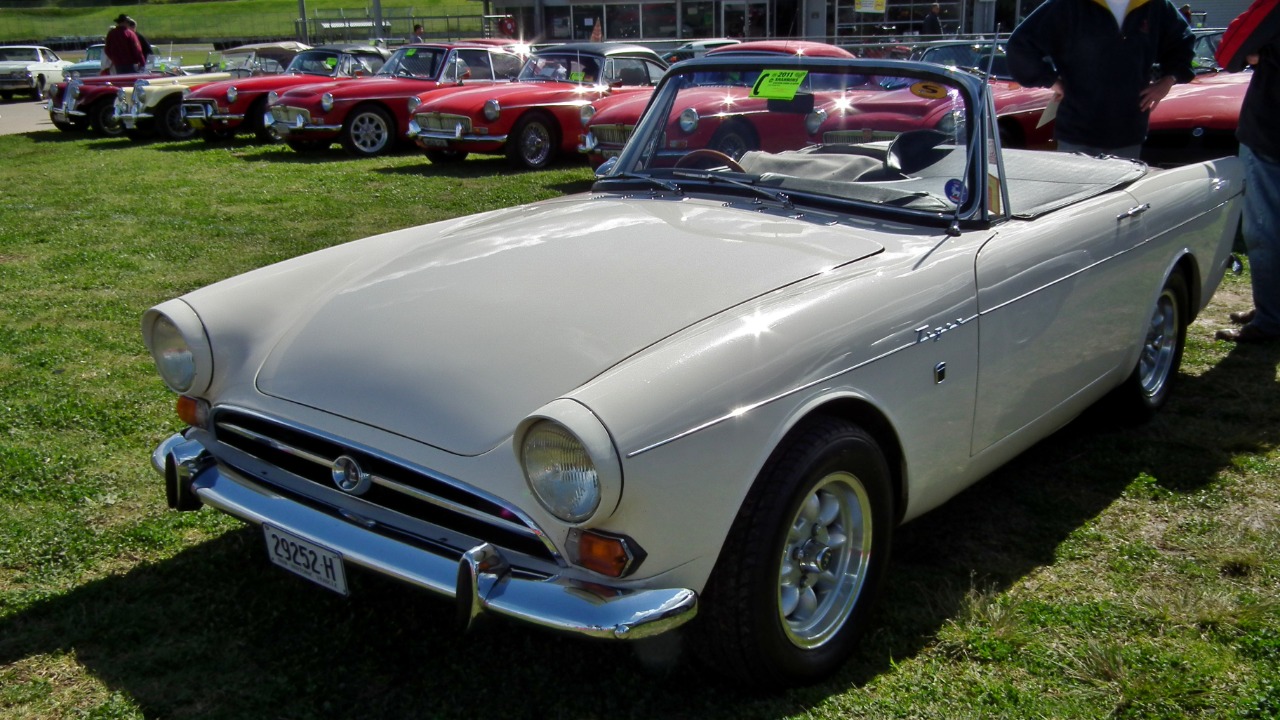
The Sunbeam Tiger did not just arrive quietly in the mid‑1960s, it landed like a small British thunderclap with an American accent. When production began in 1964, the compact roadster suddenly had the kind of V8 punch that could startle drivers used to polite four‑cylinder sports cars, and that jolt of power still feels vivid today.
Looking back now, I see the Tiger as one of those rare moments when a company took a bold shortcut to performance and actually pulled it off. The car’s story is short, intense, and full of character, which is exactly what you would expect from a machine that stuffed a big Detroit heart into a tidy English body.
The moment the Tiger roared to life
The turning point came when the Sunbeam Tiger went into production in 1964, transforming a modest British roadster into a genuine performance threat almost overnight. Less than a year after Carroll Shelby completed the prototype, the car moved from idea to assembly line, a pace that still feels audacious for a project that involved re‑engineering a chassis around a V8. That compressed timeline is part of why the Tiger feels so electric in hindsight, as if the industry briefly dropped its caution and let hot‑rod instincts lead.
What fascinates me is how quickly that decision reshaped the car’s identity. The earlier Alpine had charm, but the Tiger arrived with a sense of purpose that matched the era’s growing appetite for speed and power. When I picture that first production run, I imagine engineers and test drivers realizing in real time that this compact machine, born in Jun of 1964, had crossed a line from touring car to street brawler the moment the Sunbeam Tiger with Carroll Shelby’s fingerprints on it rolled out of the factory.
With The Sunbeam Tiger, it was All About the Engine
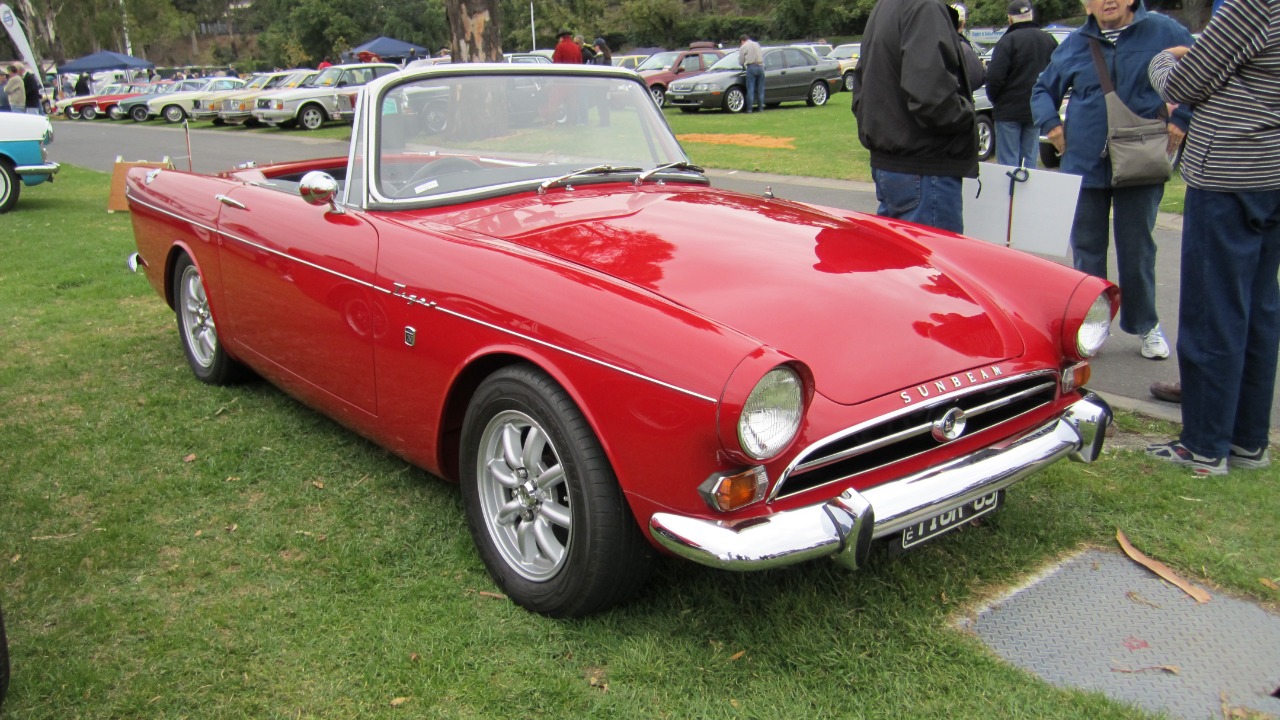
Under the hood, the Tiger’s personality was defined by a single, unapologetic choice: a Ford V8 that turned a mild‑mannered roadster into a serious performer. The 260 cubic inch unit was not exotic, but in a light British shell it became transformative, giving the car a 0 to 60 m sprint of about 8.4 seconds that put it in the same conversation as far more expensive sports cars. I like how straightforward that formula is, because it strips away marketing fluff and leaves you with a simple equation of displacement, gearing, and nerve.
Driving a car like that, you are always aware that the engine is the main character and everything else is supporting cast. The steering, brakes, and chassis all have their say, but the moment you lean into the throttle you understand why enthusiasts still repeat the phrase With The Sunbeam Tiger, It’s All About the Engine. That 260, the way it hauls the car to 60 m in 8.4 seconds, is the shock that turned a pleasant convertible into something that could genuinely surprise a Corvette driver at a stoplight.
Production numbers and the brief Tiger era
For all its impact, the Tiger’s time in the spotlight was remarkably short, which only adds to its mystique. There were a total of 7,083 examples built between their introduction in 1964 and the end of production a few years later, a modest figure even by the standards of niche sports cars. When I think about that number, I picture a tight club of owners scattered across decades, each one holding a small piece of a story that never had the chance to become routine.
The end of the line came when the Rootes Group, the company behind the project, was taken over and priorities shifted away from this Anglo‑American hybrid. In that context, the Tiger feels like a snapshot of a particular corporate mood, a moment when leadership was willing to green‑light a car that was arguably more passion project than long‑term product plan. The fact that There were exactly 7,083 built before the Rootes Group changed hands gives the Tiger a clear beginning and end, like a limited‑run experiment that just happened to leave a lasting cultural footprint.
How the V8 shock still resonates with enthusiasts
What keeps drawing me back to the Tiger is how modern its core idea still feels. The notion of dropping a big, torquey engine into a compact chassis is now a familiar recipe, from BMW M cars to American pony cars, but in the mid‑1960s this British roadster made that concept feel almost rebellious. The V8 shock was not just about straight‑line speed, it was about the thrill of seeing a conservative brand suddenly behave like a hot‑rod shop, and that attitude still resonates every time someone fires up one of these cars at a weekend meet.
Among enthusiasts, the Tiger’s appeal sits at the intersection of rarity, performance, and story. You get the charm of a small European convertible, the grunt of a Detroit V8, and the narrative of Carroll Shelby helping to bend a cautious manufacturer toward something bolder. When I talk to owners, what stands out is how they describe the car in emotional terms first and technical terms second, as if the numbers are just a way to justify what they already feel when that 260 wakes up and the little Sunbeam lunges forward harder than anyone expects from a tidy 1960s runabout.
Why the 1964 Tiger still matters in a V8 world
In a landscape crowded with modern V8s, from supercharged muscle cars to luxury SUVs, it might be tempting to see the Tiger as a quaint ancestor. I do not see it that way. To me, the 1964 model represents a turning point where a relatively small manufacturer proved that you did not need a huge budget or a clean‑sheet design to deliver a genuine performance shock. You just needed the nerve to combine existing pieces in a way that challenged expectations, and the Tiger did exactly that by pairing a compact British body with a 260 that could hustle to 60 m in 8.4 seconds.
That is why the car still matters today, beyond its value at auctions or its appearances at classic shows. The Tiger reminds me that innovation in the car world is often less about inventing something entirely new and more about having the imagination to see familiar components in a different configuration. When I think about that first production run in Jun of 1964, the limited total of 7,083 cars, and the role of Carroll Shelby in nudging the project into reality, I see a blueprint for how a single bold decision can echo for generations of enthusiasts who still crave that same V8 shock in a small, eager package.
More from Fast Lane Only: