Deciding whether to buy a hybrid vehicle can be a significant decision influenced by various factors. From environmental impact to driving habits, different aspects can determine if a hybrid is the right choice for you. Below, I explore who should consider buying a hybrid and who might want to reconsider.
Environmental Enthusiasts
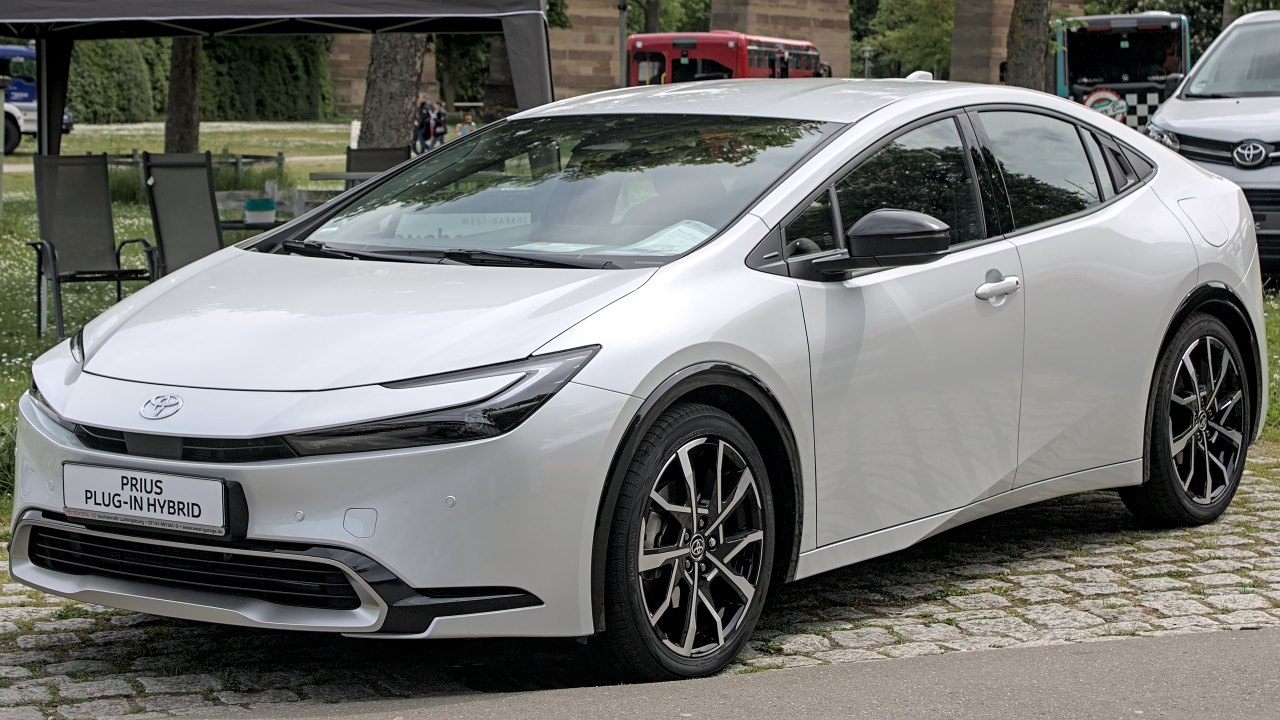
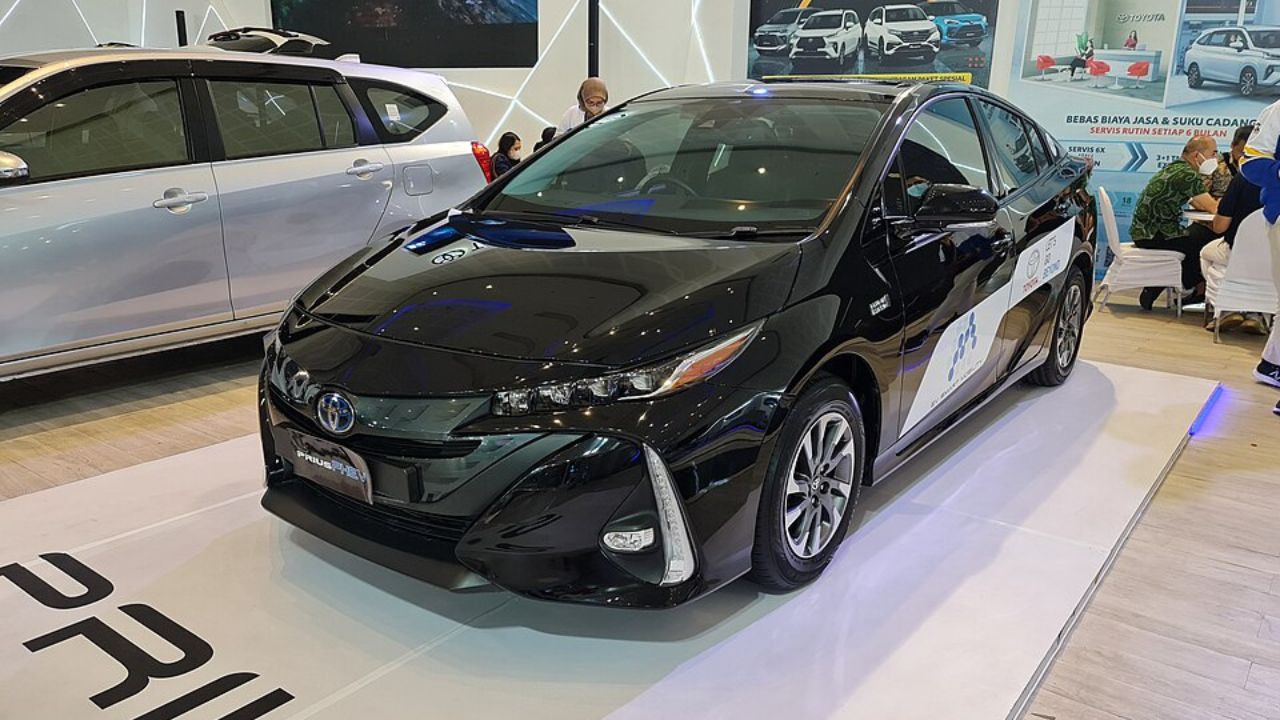
If you’re passionate about reducing your carbon footprint, a hybrid vehicle could be a perfect match. Hybrids like the Toyota Prius or the Honda Insight offer lower emissions compared to traditional gasoline cars, making them appealing to those who prioritize sustainability. With advancements in hybrid technology, these vehicles not only emit less CO2 but also help conserve fuel, contributing to a cleaner planet.
However, it’s worth noting that the environmental benefits of hybrids can vary based on how they’re used. City driving often maximizes these advantages due to the frequent stop-and-go traffic that allows the electric motor to take precedence. If eco-friendliness is a top concern, it’s crucial to consider your typical driving patterns to fully leverage a hybrid’s benefits.
City Commuters
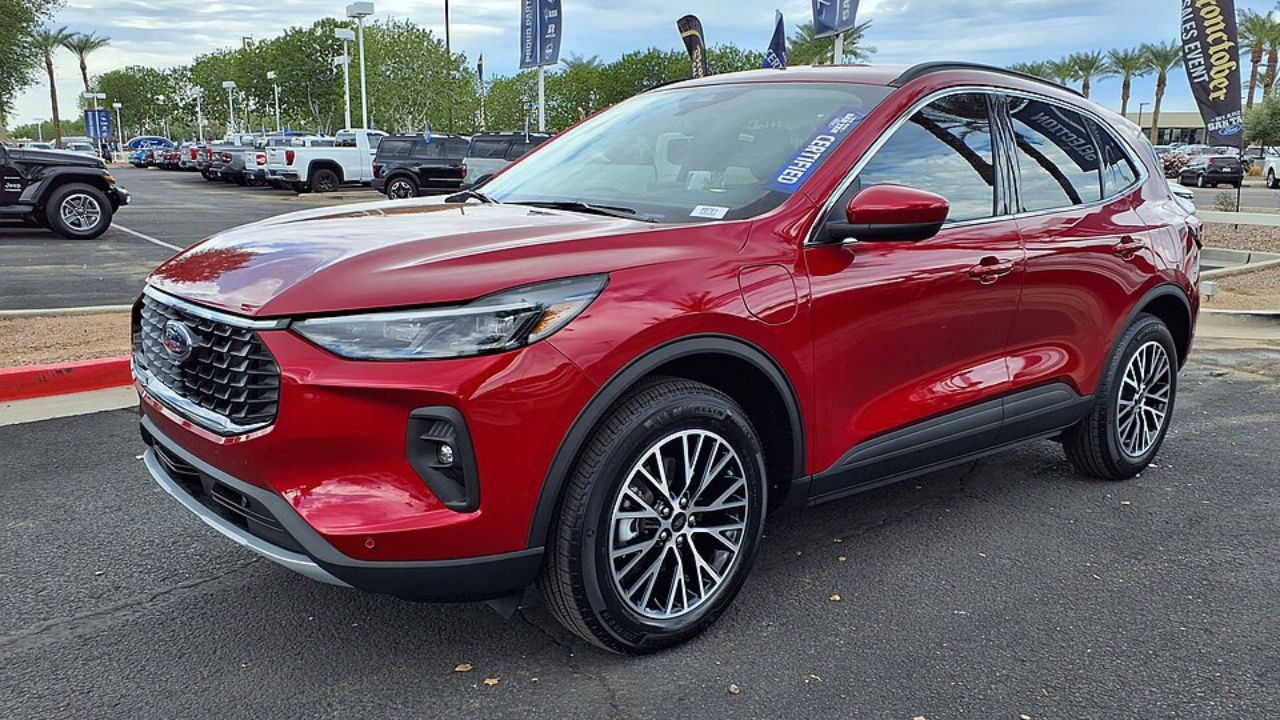
For city dwellers facing daily stop-and-go traffic, hybrids provide an excellent solution. Vehicles like the Ford Escape Hybrid excel in urban settings where the electric motor can frequently take over, improving fuel efficiency and reducing emissions. The regenerative braking system in hybrids also helps in recharging the battery, making them more efficient in city commutes.
However, if your commute involves longer highway stretches, the benefits might diminish slightly, as hybrids typically shine in urban environments. Therefore, city commuters can truly appreciate the cost and environmental savings a hybrid offers, while those frequently on highways might not realize as much benefit.
Long-Distance Drivers
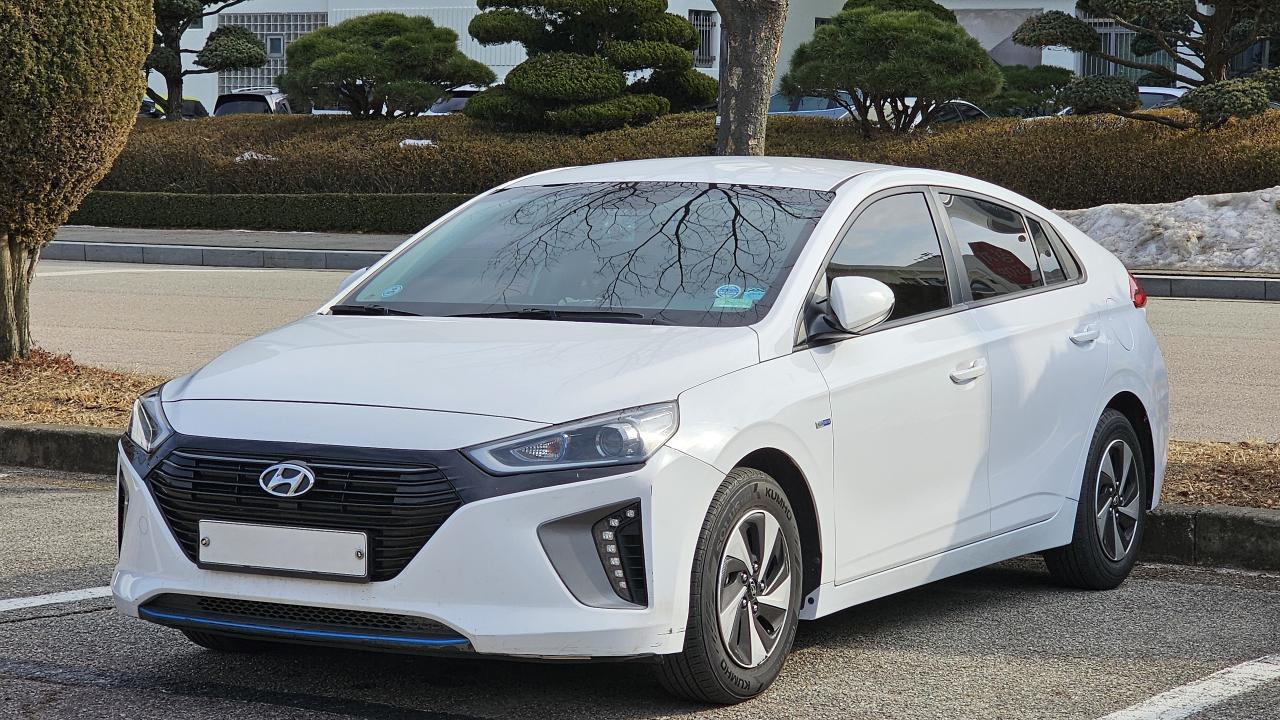
Long-distance drivers might face a trade-off when considering hybrids. While models like the Hyundai Ioniq Hybrid offer excellent fuel efficiency, the benefits of a hybrid can be less pronounced on highways. Traditional gasoline engines often achieve similar mileage on long trips, and hybrids may require more frequent stops for fuel compared to diesel options with larger tanks.
Moreover, the initial higher cost of purchasing a hybrid may not be offset quickly by fuel savings if you primarily drive long distances. It’s vital to calculate potential savings against the purchase price to determine if a hybrid makes financial sense for extensive highway driving.
Budget-Conscious Buyers
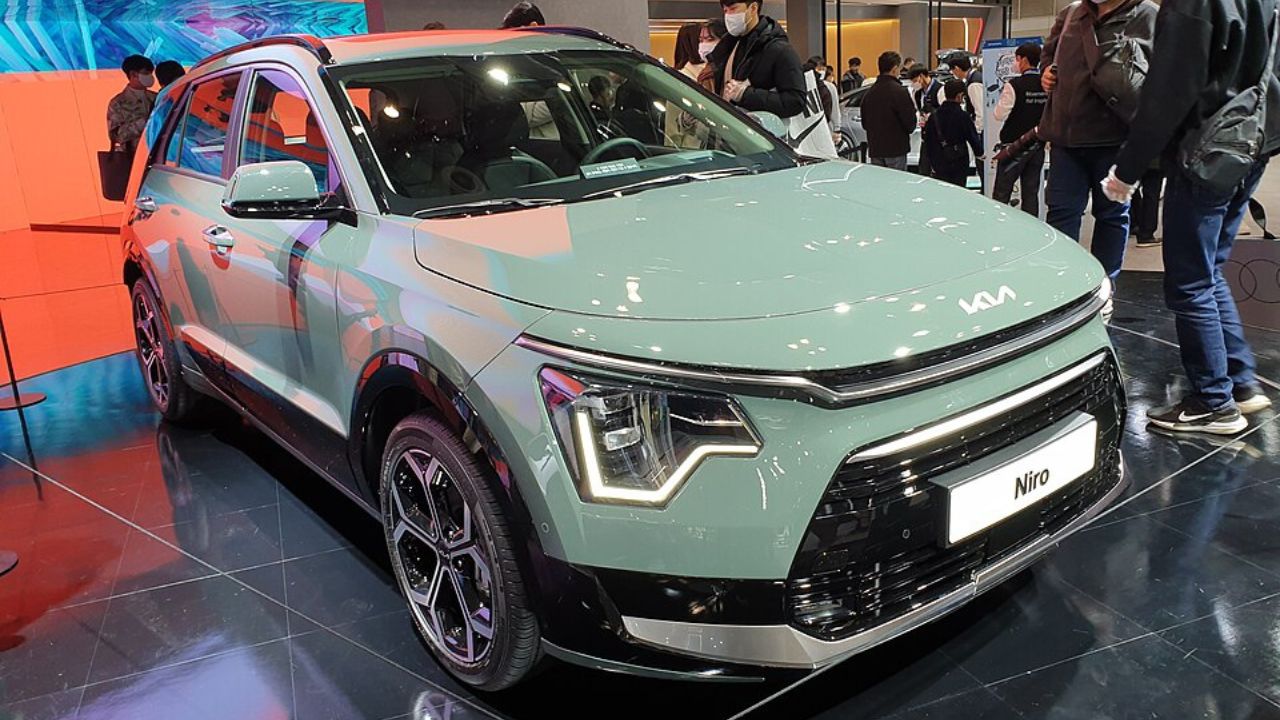
For those focused on cost savings, hybrids can offer significant fuel economy over time, particularly if you drive mainly in urban areas. Models like the Kia Niro Hybrid provide a good balance between initial investment and long-term savings due to their impressive fuel efficiency.
However, it’s important to consider the upfront cost, which is typically higher than that of conventional vehicles. Additionally, maintenance costs, including battery replacement, can be a concern. Budget-conscious buyers need to weigh these factors against potential savings at the pump to ensure a hybrid aligns with their financial goals.
Performance Seekers
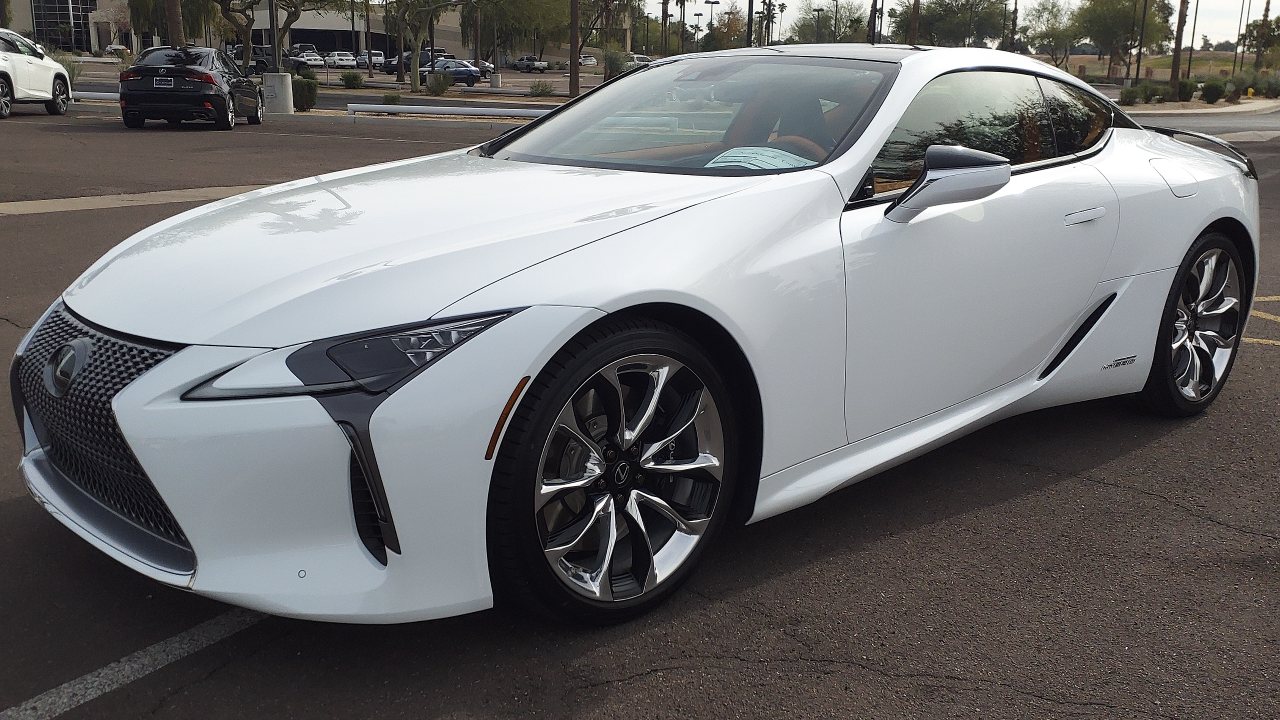
While hybrids are known for their efficiency and sustainability, they may not satisfy those seeking high performance. Many hybrids prioritize fuel economy over speed and handling, which can be a downside for those who enjoy a more spirited driving experience. That said, models like the Lexus LC 500h are pushing boundaries, offering a blend of performance and efficiency.
However, if acceleration and handling are your primary concerns, you may find traditional sports cars or high-performance electric vehicles more appealing. While hybrids are advancing, they often can’t match the raw performance of dedicated sports models.