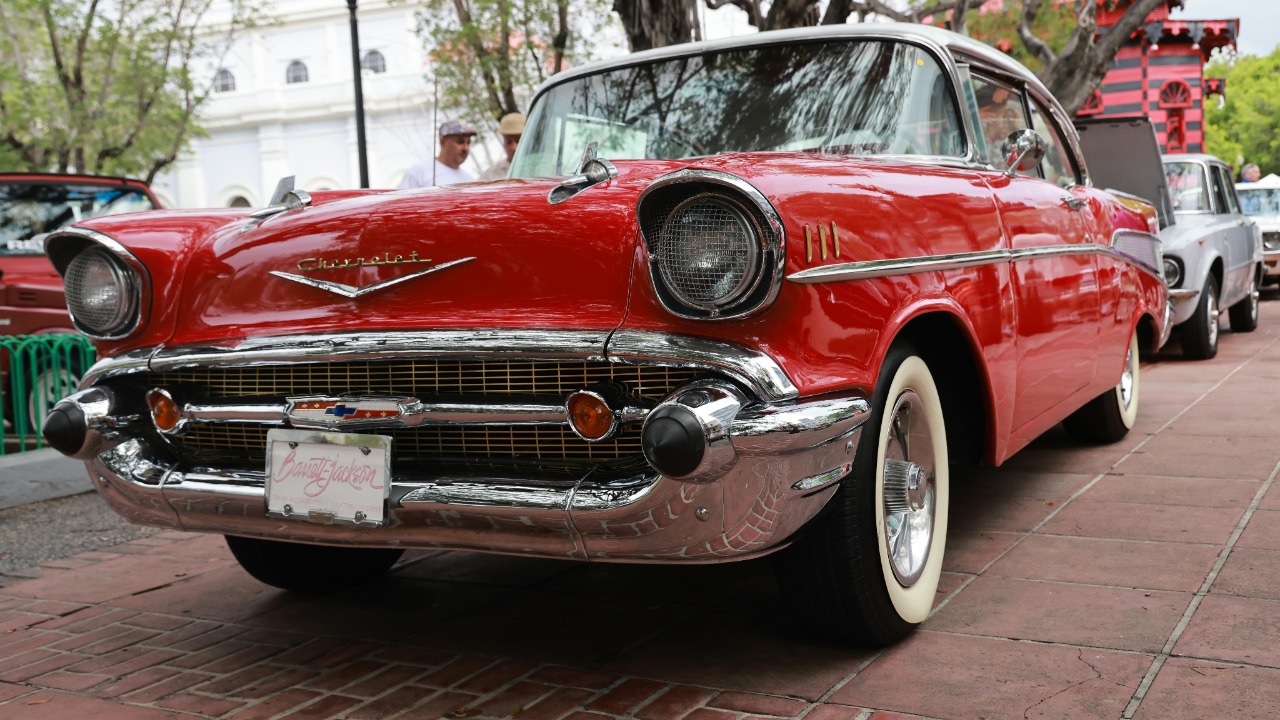
The cars of the 1950s were more than transportation; they were rolling sculptures that turned postwar optimism into chrome, color, and curves. Even now, when I look at a modern crossover or an electric hatchback, I can still see the ghost of a tail fin, the sweep of a wraparound windshield, or the stance of a boulevard cruiser hiding in the sheet metal. The influence of those mid‑century machines is not nostalgia alone, it is baked into how designers think about proportion, personality, and the emotional pull of a car.
The 1950s as a design turning point
To understand why those shapes still echo today, I start with the simple fact that the 1950s marked a break from purely utilitarian cars into expressive objects. In the United States, the decade became a pivotal moment for the automotive scene, with new models reflecting the optimism of the time and the confidence of a booming middle class that suddenly had money to spend on style as much as on function, a shift captured in period overviews of the best American cars. Designers were no longer just engineers in disguise; they were storytellers, using tail fins, two‑tone paint, and panoramic glass to sell a vision of the future that felt as bold as the jet age and as domestic as a new ranch house in the suburbs.
That creative leap was possible because the industry itself had become enormous and intensely competitive, with styling cycles speeding up and visual novelty turning into a business strategy rather than a side benefit. Accounts of the period describe the 1950s as a golden age of auto design, when the car business grew into the largest industrial segment in the country and companies poured resources into annual facelifts, chrome flourishes, and dramatic grilles to keep buyers coming back, a pattern that helped define the golden age of auto design. Once styling became central to the business model, the language invented in that decade, from low rooflines to exaggerated rear ends, set a template that later generations still reference, even when the materials and powertrains have changed completely.
Car culture, identity, and the birth of “cool” on wheels
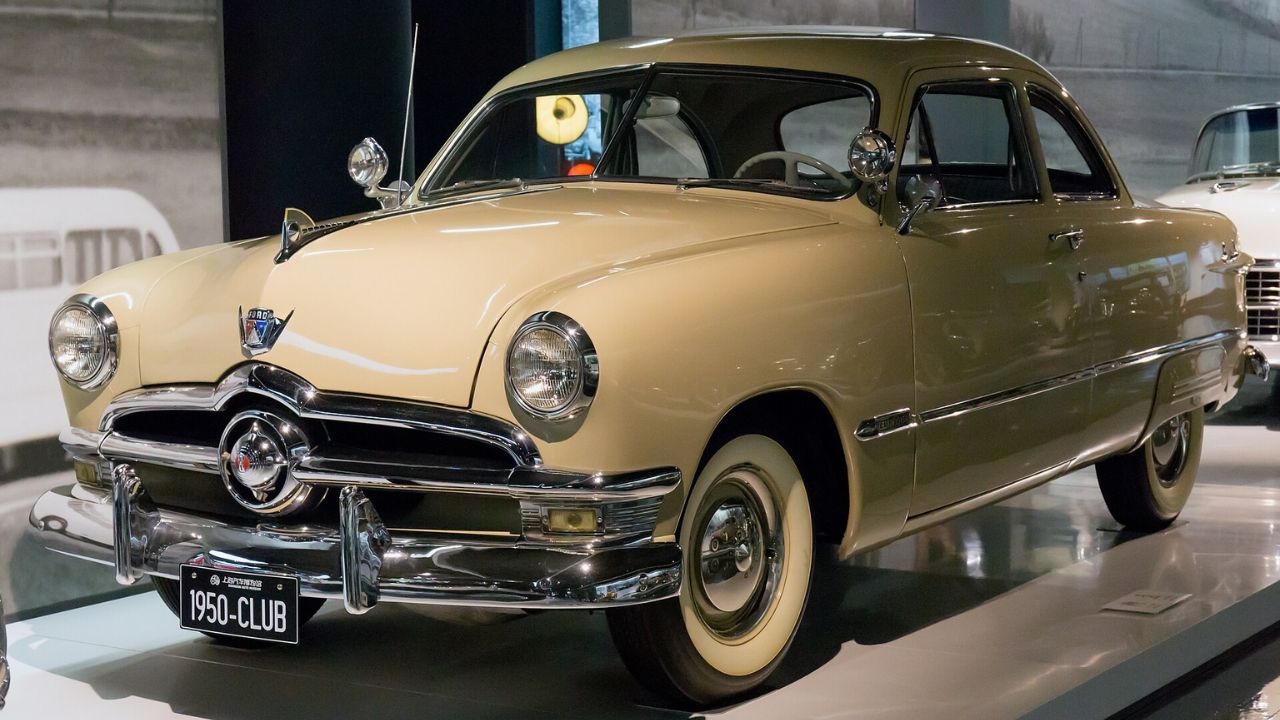
Design does not live in a vacuum, and what keeps 1950s cars relevant is how deeply they were woven into everyday life. As suburbanization accelerated and highways spread, the car turned into a social stage, a place where teenagers dated, families took road trips, and workers commuted from new subdivisions, a shift that reshaped how people related to their vehicles and is captured in detailed histories of How Did Car Culture Change. Customizers chopped roofs, flamed hoods, and shaved door handles, turning factory sedans into personal statements, and that idea, that a car should reflect who you are, still drives the way modern brands talk about trims, color palettes, and lifestyle packages.
At the same time, the mainstream market embraced a kind of everyday glamour that made even a family sedan feel aspirational, and that emotional charge has proved remarkably durable. Contemporary commentators often point to the way 1950s machines fused luxury cues with accessible pricing, creating what some now describe as Ultra, Luxurious Sedans that still look like design masterpieces. When I see a modern SUV with a floating roofline or a compact EV with a contrasting roof and bright trim, I recognize the same instinct: give everyday buyers a taste of drama, and they will form a stronger bond with the product.
Styling cycles, tail fins, and the power of visual drama
One reason 1950s design language lingers is that the decade perfected the art of the yearly makeover, a rhythm that still shapes how automakers plan their lineups. Commenters looking back at the period note that, Because American brands lived in a protected market with limited foreign competition, they could afford to change cars in the most minor ways from year to year, tweaking grilles, lights, and trim to signal newness even when the underlying engineering barely moved, a pattern summed up in the phrase Because American. That habit trained buyers to read visual cues as a kind of calendar, and even now, when platforms last longer and facelifts are more subtle, designers still rely on lighting signatures, wheel designs, and bumper shapes to mark out each model year.
The 1950s also turned flamboyant details into mainstream expectations, especially in the United States, where the decade has been described as the age of tail fins and chrome, with some owners treating their cars with a near religious intensity that went far beyond simple transportation, a mood captured in research on the American automobile industry. When I look at the sculpted LED light bars and bold character lines on current crossovers, I see a direct descendant of that appetite for drama: the materials have shifted from chrome spears to plastic cladding and light signatures, but the underlying goal, to make a car instantly recognizable from a distance, is straight out of the 1950s playbook.
Retro cues and the modern design toolbox
Designers today are not simply copying old shapes; they are selectively sampling them, and the 1950s supply a particularly rich library of cues. Analyses of classic influence on current styling point out that Timeless Aesthetics, such as long hoods, clean side profiles, and simple, confident surfacing, continue to guide how studios sketch new models, with One of the clearest links being the way modern cars use horizontal lines and brightwork to suggest width and stability, a strategy that echoes the stance of mid‑century cruisers, as explored in a look at how classic cars influenced modern design. When I see a contemporary coupe with a fastback roof or a compact SUV with a wraparound rear window, I recognize those moves as respectful nods to a time when glass and metal were pushed to their expressive limits.
The appetite for retro has also produced direct homages, from small city cars with rounded fenders to muscle cars that revive long‑dormant nameplates, and the 1950s and 1960s are the decades most often mined for that inspiration. Commentaries on retro cars describe how the 1950s and 1960s were the golden years of car design, when manufacturers like Chevrolet, Ford, and Cadillac were pushing the boundaries of automotive aesthetics, and that heritage now fuels a major resurgence of classic‑inspired models that borrow everything from color palettes to rooflines, a trend mapped in discussions of retro cars. As a driver, I feel that influence every time a new model launches with a familiar badge and a silhouette that seems half memory, half modern engineering.
Why brands keep resurrecting the past, and where the line is
Automakers are acutely aware that nostalgia sells, which is why they keep reaching back to mid‑century icons when they want to stir emotion. One of the clearest examples is the way Volkswagen, that most mainstream of car brands, could not let its 21 million selling Beetle rest, choosing to revive the shape almost 60 years after the original with a modern pastiche called the New Beetle, a case study in how a single silhouette can carry enormous cultural weight, as explored in reporting on why car designers resurrect old models. When I look at that car, or at other revivals, I see how 1950s simplicity and friendliness still resonate in an era of complex regulations and digital dashboards.
Yet there are limits to how literally the past can be recreated, and that tension explains why some beloved 1950s shapes remain museum pieces rather than showroom products. Analysts of the collision and restoration world point out that, As times evolve, so too does design, and that modern safety, emissions, and manufacturing standards make it impractical to remake classic cars exactly as they were 50 or more years ago, a reality that helps explain why companies rarely build true replicas of their mid‑century hits, as discussed in arguments about why car companies do not remake classics. Instead, designers translate the spirit of 1950s optimism into modern forms, using safer structures, cleaner aerodynamics, and digital lighting to evoke the same sense of occasion without copying every fin and flourish.
From convertibles to cocoons: what we kept and what we lost
When I compare a low‑slung 1950s convertible to a modern crossover, the contrast can feel stark, yet the lineage is still there if you know where to look. Commentators who trace the arc from open‑air cruisers to today’s enclosed cabins argue that people often remember the 1960s as wild and the 1950s as conservative, but in car design the earlier decade was already experimenting with bold forms, wraparound glass, and dramatic color, setting the stage for later excess even as safety concerns and changing tastes gradually pushed the market from convertibles to what some now call cocoons, a shift unpacked in video essays on what happened to car design. Modern cars may be taller and more protective, but their panoramic roofs, bright interiors, and sculpted dashboards still chase the same feeling of freedom that a 1950s drop‑top promised on a summer night.
That continuity is why I think 1950s cars continue to shape the way designers and drivers imagine what a car should be, even in an era of electrification and autonomy. The decade’s blend of optimism, theatrical styling, and everyday practicality created a visual language that has proved remarkably adaptable, surviving oil crises, safety revolutions, and digital disruption without losing its emotional charge, a resilience that also shows up in broader reflections on how the 1950s and 1960s became the golden years of design. When I watch a new EV concept roll onto an auto show stage with a pastel paint job, a simple grille‑less face, and a sweeping side profile, I see not just the future of mobility, but a quiet salute to the decade that first taught the car to dream in chrome and color.