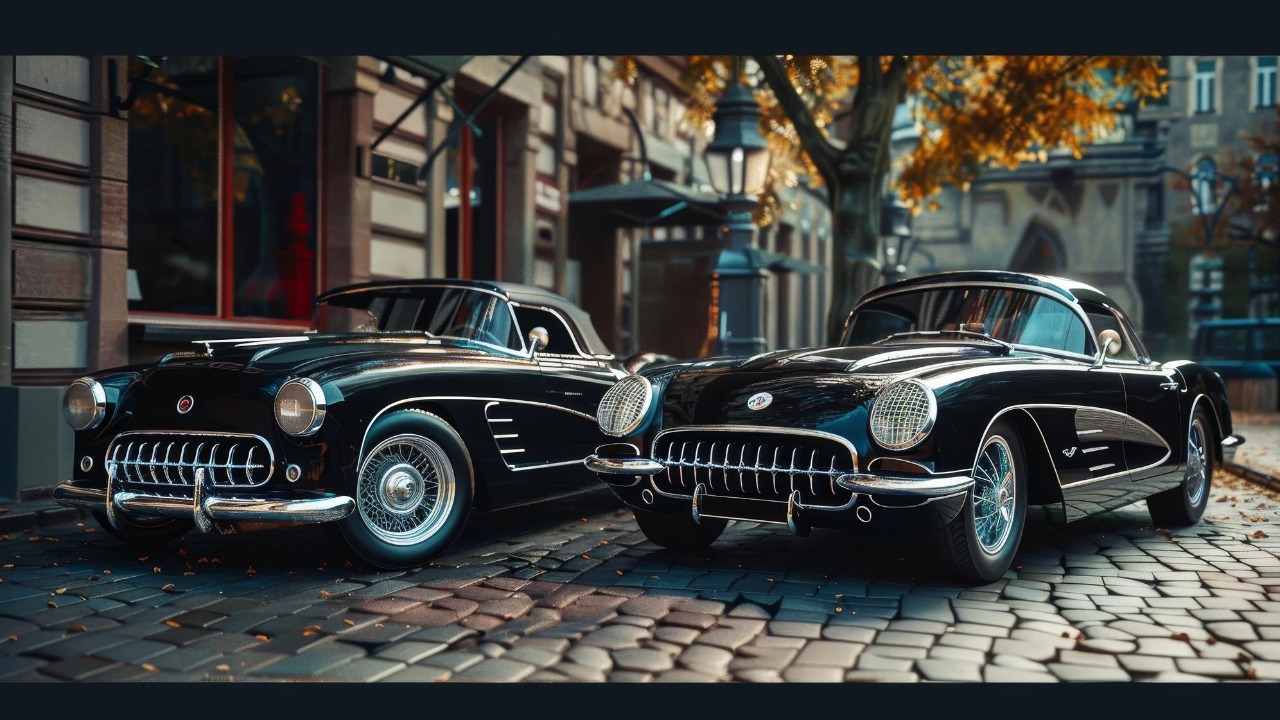
In the 1950s, American luxury cars did more than move people from driveway to downtown, they broadcast status in chrome, tailfins, and acres of steel. The decade’s most opulent machines turned highways into rolling fashion shows, setting design and engineering benchmarks that still shape how I think about high-end cars today. To understand why those models still command attention, and often staggering prices, it helps to look at how they ruled the road, the culture, and the collector market all at once.
The new American idea of luxury
Luxury motoring did not start in Detroit. European makers had already defined the concept, with European brands such as Rolls, Royce, and Bugatti building ultra expensive cars Before World War II for royalty and industrialists. What changed in the 1950s was that the United States took that rarefied idea and scaled it for a booming middle class, turning luxury from a niche indulgence into a mass aspiration. Instead of a handful of coachbuilt limousines, American streets filled with long, low sedans that borrowed the glamour of Rolls and Bugatti but wrapped it in V8 power and suburban practicality.
At the top of this new hierarchy sat the domestic prestige divisions. A detailed breakdown of the era’s automotive class system shows how America organized its brands, with Chevrolet, Ford, and Plymo handling the entry level while Cadillac, Lincoln, and Imperial became the aspirational peaks. Those upper tiers were not just nicer trims, they had exclusive engines, longer wheelbases, and styling cues that instantly signaled wealth. In that landscape, owning a Cadillac or an Imperial meant you had arrived, and the cars themselves were engineered to make sure everyone around you knew it.
Cadillac’s tailfin kingdom
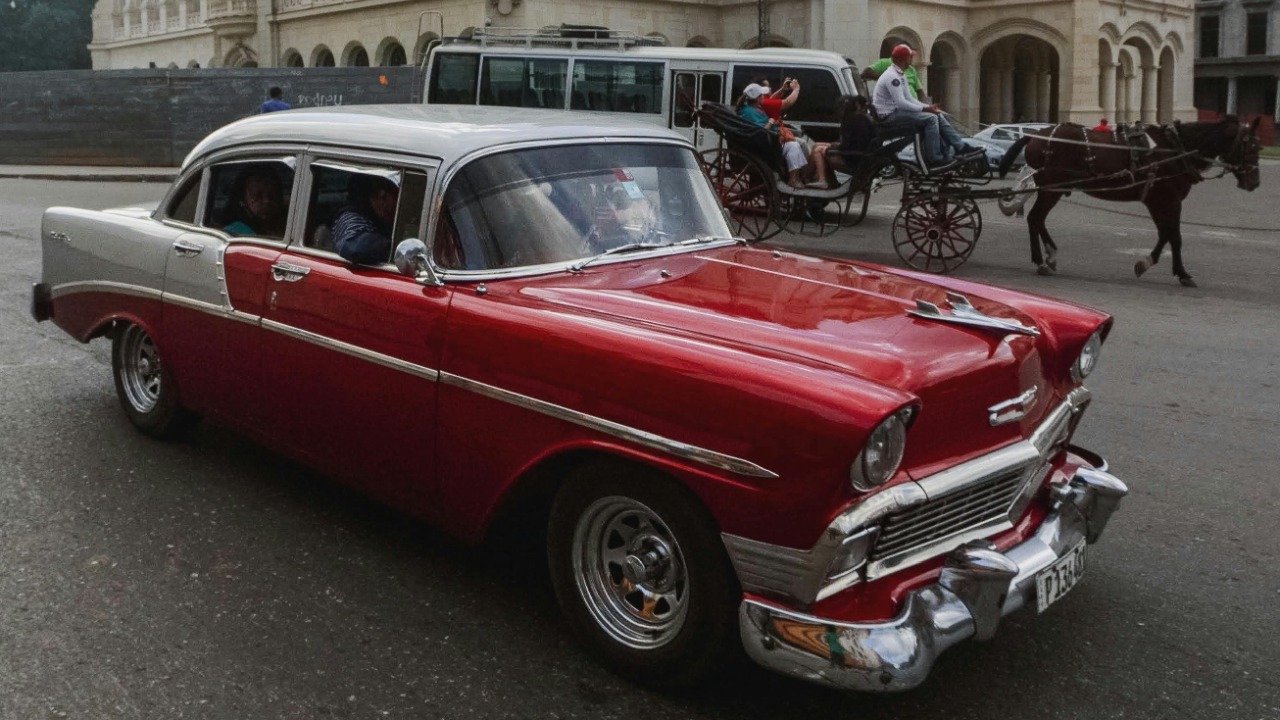
No nameplate captured 1950s American excess quite like Cadillac. The company had already been a symbol of success, but in that decade it leaned into spectacle, culminating in the towering tailfins that still define the era in popular memory. When I picture the period, I see a pastel convertible gliding past neon signs, its rear fenders stretching into the distance. That image is not accidental, it reflects how Cadillac used design to turn its cars into moving billboards for prosperity.
One of the most vivid examples is the bright pink Cadillac Fleetwood that so many people associate with 1950s glamour. When enthusiasts talk about that car, they often highlight how celebrities loved being seen in it, and how its styling distilled the decade’s optimism into sheet metal. A separate look at iconic 1950s models singles out Cadillac again, this time for an Eldorado with huge tailfins that turned high-end status into a literal design feature. Those fins were not just decoration, they were a promise that the owner was on the cutting edge of style and technology, riding the crest of postwar confidence.
Lincoln, Continental and the quiet kind of wealth
Not every luxury buyer in the 1950s wanted chrome by the pound. Some preferred a quieter expression of money, and Lincoln’s Continental division tried to meet that desire with one of the most ambitious American cars ever built. The 1956 Continental Mark II was priced and positioned to compete with the world’s finest, and it did so by rejecting the era’s more flamboyant cues. Instead of fins and heavy ornamentation, it relied on clean lines and impeccable proportions.
Contemporary descriptions of The Mark II emphasize that Its appeal depended not on chrome but on flawless quality control and extensive hand finishing, to the point that it was often described as the most expensive American car you could buy. Later analysis of the collector market notes that the Continental division was supposed to sit above Lincoln, and that the These Are The Most Valuable American Collector Cars, According To Hagerty list still treats the Continental Mark II and Ford Thunderbird as benchmarks for mid 1950s prestige. That combination of understated styling and extreme cost means the Mark II now occupies a special place in history, a reminder that quiet luxury has always had its own devoted audience.
The Big Three Brands and the ladder of aspiration
While halo cars like the Mark II and Eldorado grabbed headlines, the broader luxury story in 1950s America unfolded across entire corporate families. The Big Three Brands built carefully tiered lineups that let buyers climb from basic transportation to full luxury as their incomes grew. A detailed overview of The Big Three Brands explains how General Motors used Chevrolet, Oldsmobile, Buick, and Cadillac to cover every rung of the market, with each step up bringing more power, more features, and more prestige. That structure turned the purchase of a Buick or Cadillac into a visible milestone, a way to show that you had moved beyond the entry level.
Ford and Chrysler mirrored that approach, with Ford, Mercury, and Lincoln on one side and Dodge, DeSoto, Chrysler, and Imperial on the other. A closer look at the period’s brand ladder shows how Chevrolet, Ford, and Plymo handled volume while Cadillac, Lincoln, and Imperial sat at the top as the Big Three’s luxury brands, with features and engines that were exclusive to the brand. In practice, that meant a family might start in a Chevrolet, move to an Oldsmobile or Buick as fortunes improved, and eventually dream of a Cadillac. The cars that ruled the decade did not exist in isolation, they were the glittering peaks of a carefully engineered mountain of aspiration.
Icons, outliers and the collector market
Some of the most fascinating 1950s luxury cars were not the obvious flagships but the stylish outliers that have since become cult favorites. Enthusiast lists of iconic 1950s models highlight how the Chevrolet Bel Air, especially the 1950 Chevrolet Bel Air, blurred the line between family car and status symbol, turning a mainstream nameplate into a style leader. One detailed rundown of The Most Iconic Collector Vehicles from the 50s notes that The Chevrolet Bel Air became a staple of 1950s Amer culture, while the Cadillac Eldorado, first introduced in that era, combined dramatic styling with impressive performance for its time. Those cars show how luxury in the 1950s was as much about presence and perception as it was about price tags.
There were also niche players that pushed design in unexpected directions. A survey of Other American models from the decade points to the 1954 Kaiser Darrin, the 1957 Dual Ghia, the 1950s Pontiac Chieftain, the 1950 Nash Rambler, and the 1957 Darrin as examples of how even smaller brands chased high-end buyers. The Kaiser Darrin, with its sliding doors, and the Dual Ghia, with its celebrity clientele, may not have matched Cadillac in volume, but they added richness to the luxury landscape. Today, collectors still debate which of these cars best captures the spirit of the era, and those debates are reflected in the market values that keep rising for the most distinctive designs.
Why 1950s luxury still commands big money
Seven decades later, the cars that once lined country club parking lots now dominate auction catalogs and enthusiast wish lists. A focused look at the The Crown Jewels of 1950s America identifies Top 7 Valuable Collector Cars and digs into What Drives the Value, from limited production runs to cultural impact. That analysis underlines why these machines still matter: they represent a moment when design, technology, and national confidence all peaked at once. When I look at a 1950s luxury car, I see more than chrome, I see a snapshot of a country that believed the future would always be bigger, faster, and more glamorous.
Modern enthusiasts have turned that nostalgia into serious money. A video exploration of Most Expensive American Cars of the 1950s in America walks through how certain models, including ultra rare convertibles and limited run coupes, now command prices that would have stunned their original buyers. Collector guides that track American Collector Cars, According To Hagerty, reinforce the same point: the right 1950s luxury car is no longer just a weekend toy, it is a financial asset. When I see a Continental Mark II or a finned Eldorado cross the block for a small fortune, it feels like a final confirmation that the cars which ruled American roads in the 1950s still rule the imagination today, their influence stretching from museum floors to modern luxury SUVs that quietly borrow their cues.