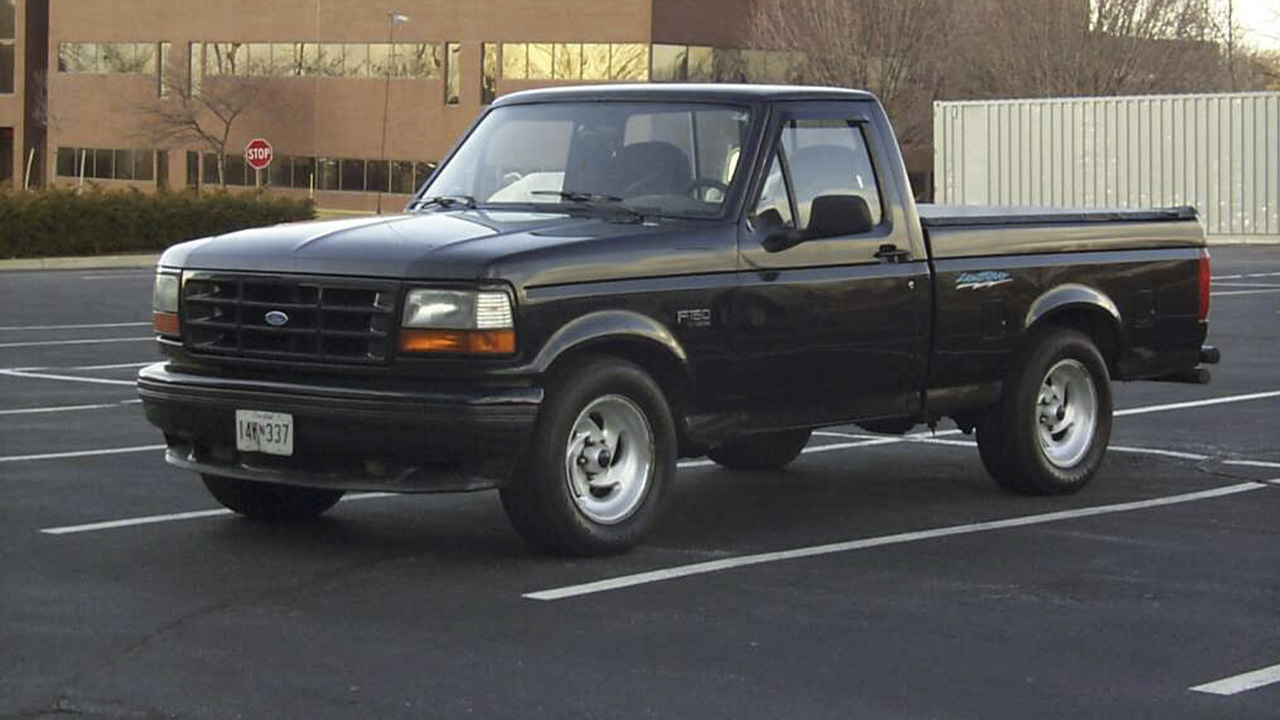
The 1993 Ford SVT Lightning sits in a sweet spot for enthusiasts: it’s special enough to preserve, old enough to need real care, and usable enough that owners still want to drive it often. That mix tends to push maintenance to the top of the list, even for people who normally jump straight to pulleys, exhaust, or suspension tweaks. When you’re starting with a 30-plus-year-old performance truck, getting the basics right isn’t just being cautious—it’s often the quickest way to make it feel fast again.
Preserving what makes the early SVT trucks unique
Part of the Lightning’s appeal is that it wasn’t a dealer dress-up package; it was a factory-engineered SVT effort with a specific formula. Owners often treat that original configuration as a feature worth protecting, especially since clean, unmolested examples are harder to find than ones that have been modified repeatedly over the decades. That mindset naturally leads to addressing age-related wear and deferred service before changing parts that define the truck’s character.
There’s also a practical angle: it’s easier to evaluate any future upgrades when the truck is running as intended. If the ignition system is tired, the fuel system is dirty, or sensors are out of spec, a modification can mask problems or create new variables. A solid baseline makes every later decision clearer.
The 5.8L Windsor responds well to “boring” maintenance
The 1993 Lightning’s 5.8L Windsor is a well-known platform, but even robust engines don’t love decades of heat cycles, old gaskets, and neglected tune-up parts. Owners often start with ignition components, vacuum line condition, and general under-hood inspection because small issues can add up to rough idle, weak throttle response, or inconsistent power. It’s not glamorous, but restoring the engine to a healthy state can feel like a performance mod on its own.
Fuel delivery is another area where time matters. Aging fuel filters, tired pumps, and dirty injectors can cause lean conditions, hesitation, or hard starting, and those symptoms can get blamed on “needing more power” rather than needing service. Bringing the engine back to a predictable, well-tuned state is often the safest first step before any airflow or calibration changes.
Cooling, sealing, and rubber parts become the real limiting factors
With an older performance vehicle, the parts most likely to strand you aren’t always the “go-fast” components. Cooling systems, hoses, belts, and gaskets are common focus areas because rubber and seals deteriorate with age regardless of mileage. A minor seep or soft hose might be tolerable on a casual cruiser, but a truck that gets driven hard can turn that small issue into a big one quickly.
Suspension and steering rubber deserves the same respect. Worn bushings, aging shocks, and tired steering components can make the truck feel less precise, and that can be mistaken for a need for aftermarket upgrades when it’s really a need for refresh. Replacing worn factory-equivalent parts often restores the crispness owners remember, without changing the original driving feel.
Transmission, driveline, and brakes are the foundation for any extra power
The Lightning was built to be quick for its day, but it’s still a street truck that relies on healthy driveline and brake components. Owners commonly prioritize fluid condition, service history, and wear items—especially when they don’t know how the truck was treated by prior owners. A strong-running engine isn’t much fun if the transmission shifts poorly, the driveshaft support components are worn, or the rear end is noisy.
Brakes and tires also tend to move up the list because they’re immediate, confidence-building improvements. Fresh pads, properly functioning calipers, good fluid, and quality tires can transform how the truck feels on real roads. That kind of improvement often scratches the “upgrade itch” while still counting as responsible maintenance.
Age, originality, and parts choices shape the mod path
Another reason maintenance comes first is that owners often want to avoid modifications that create a parts scavenger hunt later. On a vehicle from the early 1990s, some components and trim pieces aren’t as easy to replace as they once were, and the best option may be to preserve what’s already there. Even when aftermarket support exists, it’s common to see owners choose reversible changes only after the truck is mechanically sorted.
There’s also a community aspect: Lightning owners tend to share what works, what fails, and what’s worth doing early. Over time, a pattern emerges—fix the known wear points, get the truck reliable, then modify with a plan. That approach helps keep the truck enjoyable rather than turning it into a project that’s always “almost done.”
For many 1993 SVT Lightning owners, maintenance isn’t the opposite of enthusiasm—it’s the starting line. Once the engine runs clean, the cooling system is trustworthy, the driveline is healthy, and the chassis feels tight, modifications become more predictable and more satisfying. The result is a truck that still feels true to its era, but drives the way an SVT badge implies it should.