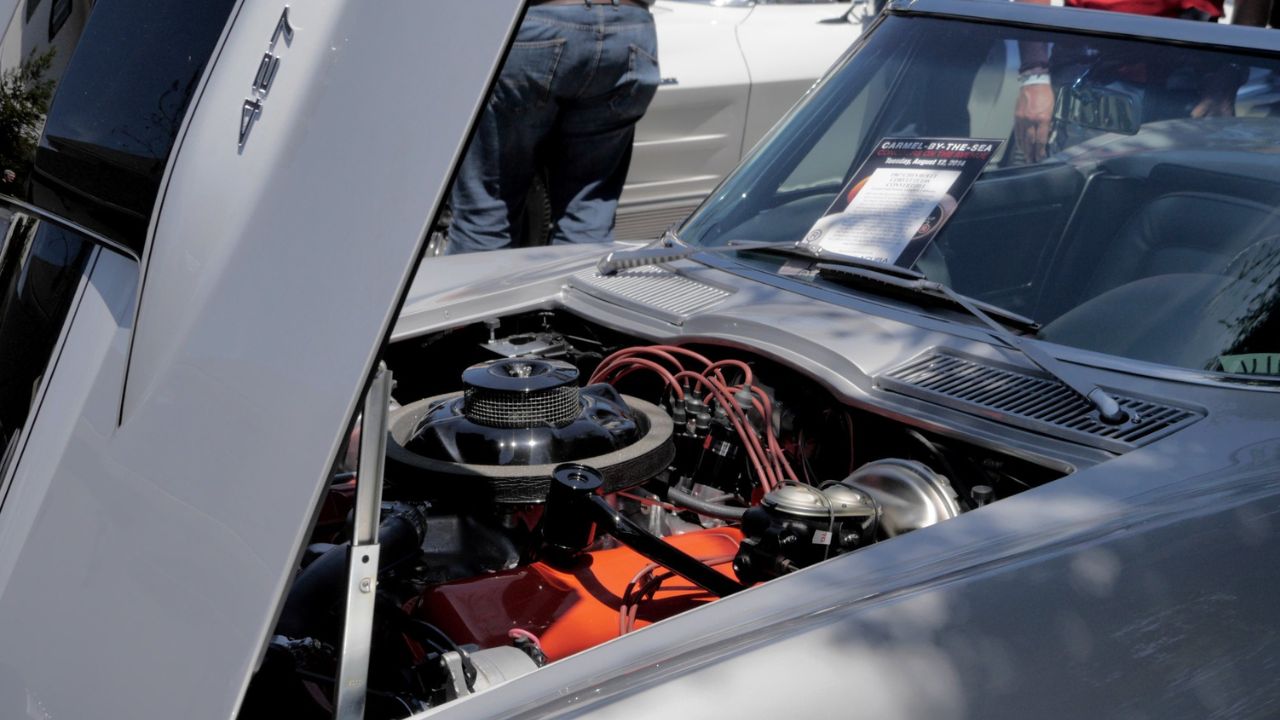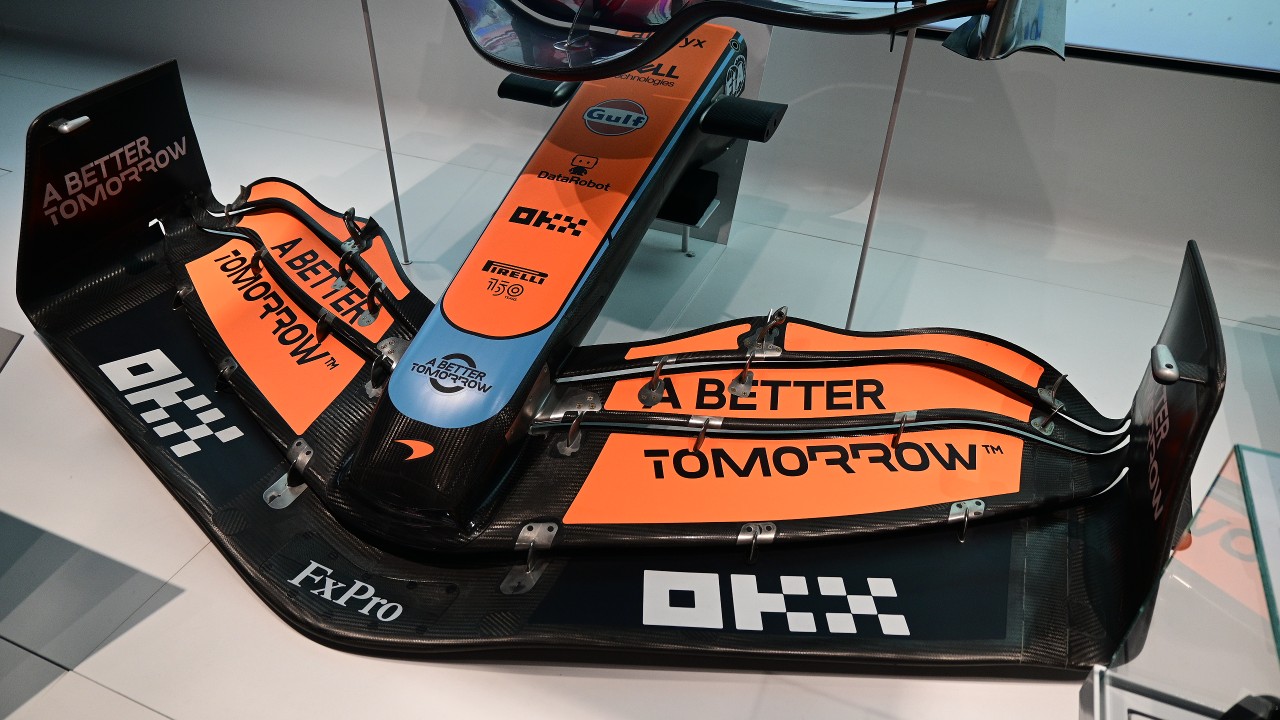
Motorsport has quietly shifted its arms race. Where engineers once bragged about raw horsepower, the real gains now come from how cleanly a car slices through the air and how cleverly it bends airflow to its will. The next big performance leap, on track and on the road, is not just about making more power, it is about teaching the bodywork to work harder and smarter at every speed.
That is why active aerodynamics, the art of moving wings, flaps, and body panels in real time, is starting to look like the new battleground. From Formula 1’s coming rules reset to electric family cars chasing extra range, the smartest teams and brands are treating air as a resource to be managed, not a problem to be muscled through.
The power war has moved from engines to air
I see the clearest sign of this shift in how top-level racing now talks about performance. The old Enzo Ferrari worldview, where engines were everything and bodywork was an afterthought, has been overtaken by a generation that treats airflow as the primary performance currency. Modern designers openly acknowledge that the world of motorsport and automotive design has moved on from that engine-first era, and that teams now prioritize aerodynamics to achieve optimal performance, a change that would have sounded radical in Enzo Ferrari’s time.
That evolution is not just philosophical, it is baked into regulations. When Ross Brawn argued that rule changes would shift emphasis away from power units and back toward the chassis, he was really pointing to aero as the differentiator. That logic has only deepened as series like Formula 1 have tightened engine formulas and fuel limits, forcing teams to chase lap time through drag reduction, downforce efficiency, and clever packaging instead of simply adding more power.
Formula 1’s 2026 reset makes active aero the main battlefield
The clearest formal endorsement of this new war comes from Formula 1’s next rule cycle. The governing body has already confirmed that all-new active aerodynamics systems, involving movable front and rear wings, will be introduced in 2026. These systems are designed to let cars switch between higher downforce in corners and lower drag on straights, with specific wing angles deployed depending on the phase of the lap, which effectively turns the bodywork into a dynamic, software-managed performance tool rather than a fixed compromise.
Teams are already preparing for that future by chasing packaging and aero efficiency rather than peak downforce numbers. Reporting on the 2026 reset notes that Formula 1 teams are focusing on small sidepods, tight bodywork, and overall cleaner shapes to reduce drag and improve how the car works with the new power units. In that context, the movable wings are not a gimmick, they are the logical extension of a philosophy where every square centimeter of surface is optimized, and where the next big lap time gains will come from how seamlessly the car can transition between drag-cutting and grip-building modes.
From supercars to EVs, active aero is becoming everyday tech
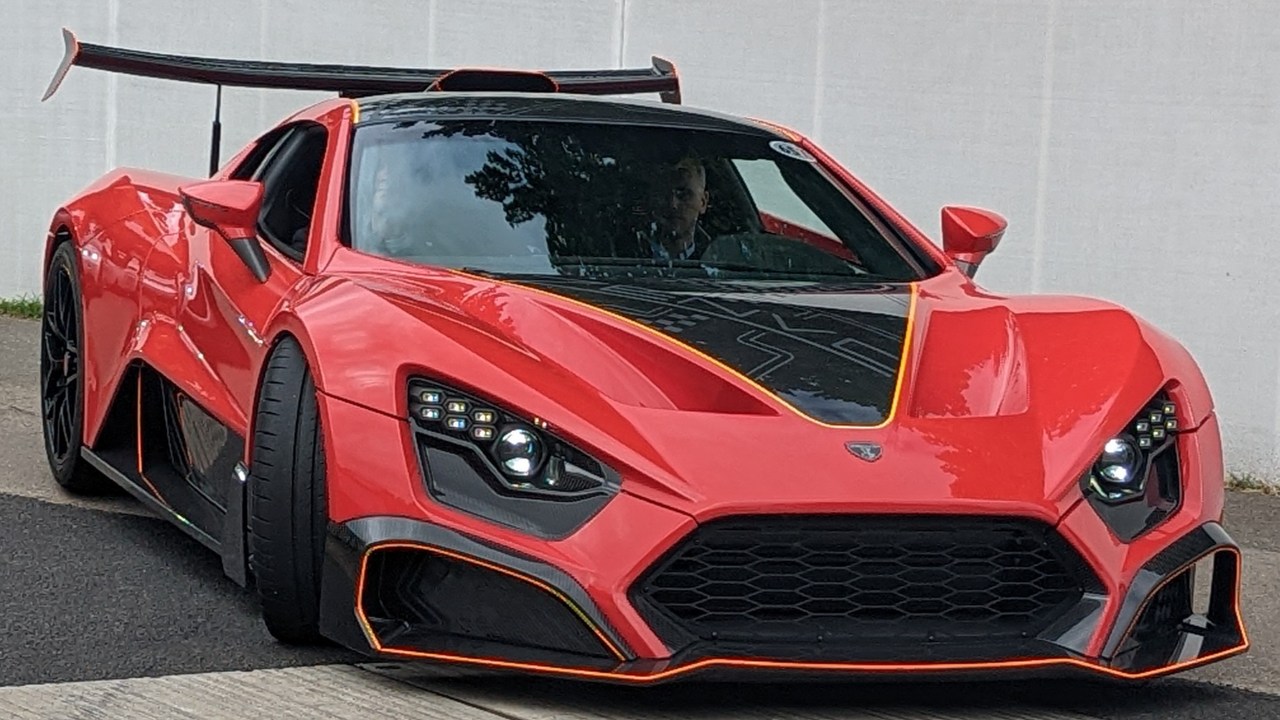
What starts in racing rarely stays there, and active aero is already following the familiar path from pit lane to showroom. High-end performance brands have been experimenting with movable wings and flaps for decades, from the Thema 8.32 sedan that shared its heart with a Ferrari V8 to the Porsche 959 supercar that played with adjustable aerodynamics to enhance stability and speed. More recently, niche makers like Zenvo have taken active systems to the next level with wildly tilting rear wings that manage cornering loads as much as straight-line drag, proving that the technology can be both dramatic and effective.
What is changing now is that this kind of hardware is no longer confined to exotic toys. Analysts tracking the airfoil market point out that, in the automotive industry, airfoils are employed to improve vehicle aerodynamics, reduce drag, and enhance fuel efficiency, especially in segments where aerodynamic efficiency can significantly impact range. That logic is particularly powerful for electric vehicles, where every bit of drag matters. Technical work on EV design shows that at high speeds on the highway, a 10% drag improvement can deliver about an 8% increase in range, a gain that is hard to match with battery tweaks alone. It is no surprise that guides on how to Improve Your Vehicle Performance Using Active Aerodynamics Active now talk as much about extending electric range as they do about top speed.
Why moving wings matter more than more power
The reason active aero feels like the new horsepower war is simple: the returns are better. Once engines and motors reach a certain efficiency and power density, each extra kilowatt gets more expensive, heavier, and harder to cool. By contrast, reshaping airflow can unlock multiple benefits at once. Technical analysis of EVs shows that improving design to cut drag is one of the most effective ways to address limited range at highway speeds, because aerodynamic resistance dominates energy use there. A movable spoiler that drops into a low-drag position on the motorway and rises for stability under braking can, in effect, give you both a more efficient cruiser and a more planted sports car in one package.
That same logic applies on track. Discussions among racers about whether active aero would actually create an advantage tend to circle back to how it can manage body roll, tire contact, and transient behavior. One detailed breakdown notes that with lots of negative camber and less body roll, a car is less likely to get the pendulum effect that can unsettle it in quick direction changes, and that active systems could help the car slow down and reset more predictably. In other words, movable aero is not just about peak downforce numbers, it is about how consistently the car can stay in its sweet spot, lap after lap, corner after corner.
From track tricks to mainstream efficiency
For me, the most intriguing part of this shift is how quickly active aero is being reframed as an efficiency tool rather than a party trick. Technical features on road-car tech now argue that supercar-style active aerodynamics could help squeeze more range out of your car, with the reminder that better mileage is not just for hypermilers. The idea is straightforward: at low speeds, you can afford more drag to gain grip and stability, but at highway speeds, you want the cleanest possible shape. A car that can change its profile on the fly can live in both worlds without forcing the driver to choose.
That is exactly the kind of transfer that long-running analyses of motorsport innovation describe. Under the banner of Advanced Aerodynamics Aerodynamic development, they point to active spoilers, underbody designs, and airflow management that improve stability, reduce drag, and enhance fuel efficiency in everyday cars, from sports models to electric saloons. Market research on airfoils reinforces that, noting that in the automotive industry, these components are employed wherever aerodynamic efficiency can significantly impact range, which increasingly describes the mainstream EV and hybrid segments rather than a handful of halo cars.
The next decade’s bragging rights
When I look across these threads, from Formula 1’s 2026 rules to the way EV engineers talk about drag, it is hard to escape the conclusion that the next decade’s bragging rights will be written in coefficients, not cylinders. The FIA’s decision to mandate active front and rear wings, with specific angles deployed for different phases of the lap, effectively forces teams to master dynamic aero management if they want to stay competitive. At the same time, road-car designers are learning that a 10% drag improvement that yields an 8% range gain at highway speeds is a far more compelling sales pitch than a marginal bump in peak power that most drivers will never fully use.
That does not mean engines and motors stop mattering, or that the romance of big horsepower disappears. It means the smartest engineers are now treating power as one piece of a larger system, where the real magic lies in how efficiently that power is turned into speed, stability, and usable range. From the Thema 8.32 and Porsche 959 to the latest EV saloons with hidden spoilers and adaptive shutters, the story is the same: the air around the car is no longer an enemy to be punched through, it is a partner to be choreographed. In that partnership, active aero is quickly becoming the star performer, and the new measure of who is really ahead.