Hybrid supercars have quietly crossed a tipping point. What started as a compliance exercise to meet emissions rules has turned into a new performance frontier, with electric motors now working alongside high-revving engines to make cars quicker, sharper and, in some cases, easier to live with than their purely petrol predecessors.
I see the latest wave of electrified exotics as a clear rebuttal to the idea that the internal combustion engine is on borrowed time. From Italian V6s and V12s to British twin-turbo V8s, the most advanced performance cars are using batteries and motors to amplify, not erase, the drama of burning fuel.
The hybrid supercar moment has arrived
The clearest sign that this is a real shift, not a niche experiment, is how many flagship performance models now rely on a mix of petrol and electric power. Hybridized line leaders from brands such as BMW, Corvette, Ferrari and Porsche are aimed squarely at driving enthusiasts, not early adopters chasing tax breaks. Reporting on these Hybridized models makes it clear that electric assistance is being used to sharpen throttle response, fill in torque and unlock new packaging tricks, rather than to mute the character of the engines they support.
At the very top of the market, the shift is even more pronounced. Analysts tracking Hypercars expect the segment to grow strongly over the next few years, driven in large part by hybrid and electric flagships that redefine what a road car can do. The same reporting notes that new players and technologies are reshaping the next generation of high performance vehicles, which tells me that the hybrid formula is not a stopgap on the way to full battery power, but a competitive arena in its own right.
Ferrari and Lamborghini are rewriting the supercar rulebook
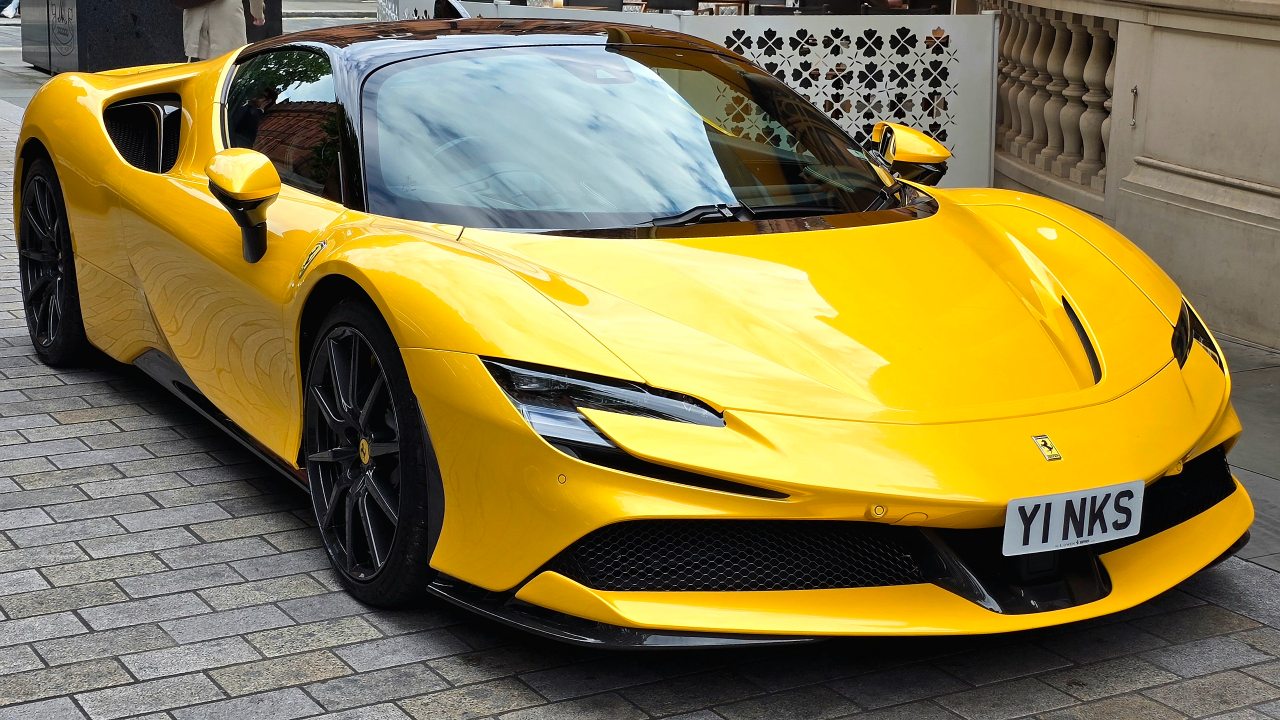
When brands built on the romance of high revs and high octane embrace batteries, it sends a powerful signal. In Maranello, Ferrari executives have been explicit that each car’s technical architecture is being rethought around hybrid power, with sales and marketing chief Enrico Galliera describing how the company is tailoring the mix of combustion and electric power to each model’s character. That approach is visible in the plug-in 296 G GTB, which pairs a 3.0 liter V6 with a 122-kW electric motor sandwiched between the engine and transmission. That layout is straight out of the racing playbook, and it lets the car glide silently through cities before unleashing its full hybrid punch on open roads.
The same philosophy is evident in the new Ferrari F80, an 895 kW hybrid V6 supercar whose powertrain is inspired by technology used in Formula One and endurance racing. Ferrari has integrated an electric turbocharger for the first time, a move that shows how lessons from Modern Formula 1 hybrid power units are now shaping road cars. On the other side of the Italian supercar rivalry, Lamborghini is also turning to hybrid architectures for its most powerful models, with reporting on the company’s latest projects highlighting complex multi motor setups that push total output beyond 1,050 hp while keeping a charismatic combustion engine at the core.
McLaren’s Artura proves hybrid can feel pure
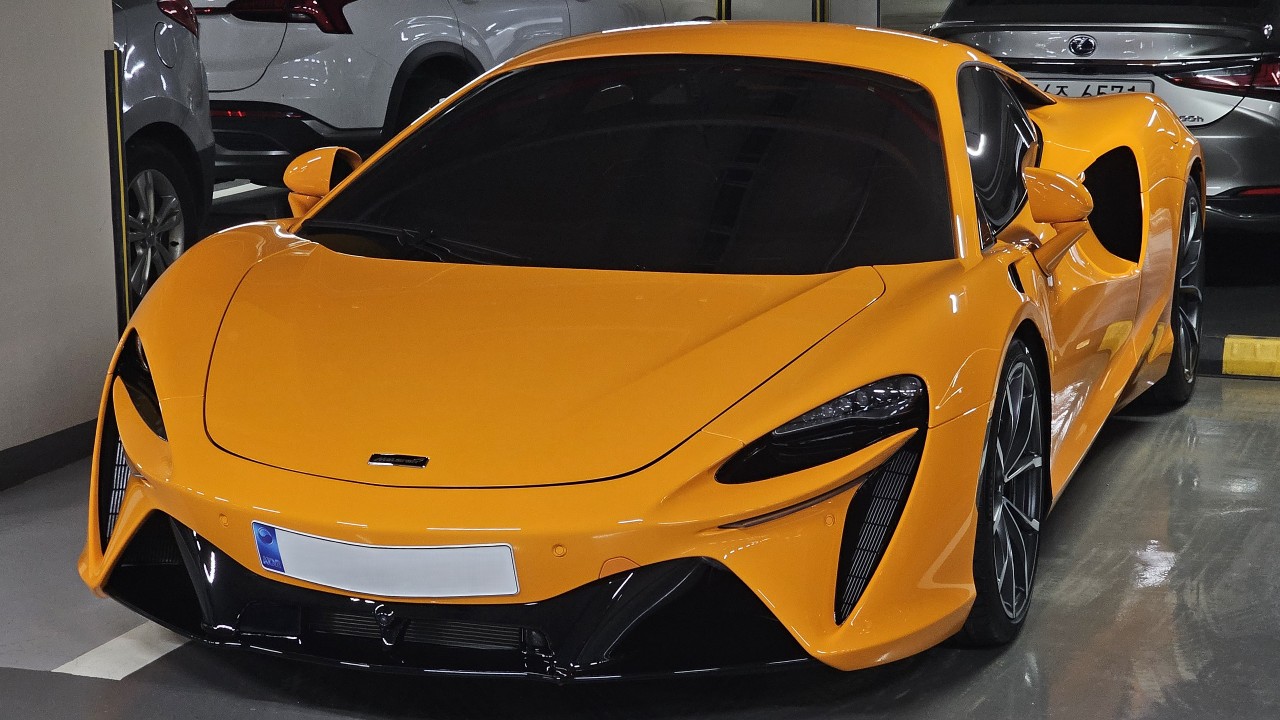
For drivers who care as much about steering feel as spec sheets, the most convincing case for hybrids might be coming from Woking. The Artura is pitched as McLaren’s pinnacle Hybrid supercar, built around a twin turbo V6 and a compact electric motor. The car’s structure and powertrain were designed together so the battery and motor could be placed low and central, which helps preserve the brand’s trademark agility while adding instant electric torque out of slow corners.
The open top Artura Spider takes that formula and adds a layer of everyday usability that would have been unthinkable in an old school supercar. Reviewers who were initially skeptical about hybrids have come away impressed by how the Artura Spider can run as a quiet, electric only commuter before transforming into a full blooded performance machine. That dual personality, rooted in the same Artura hardware, underlines how hybrid systems can enhance the emotional side of driving rather than diluting it.
From pit lane to plug socket: racing tech hits the road
The hybrid revolution in supercars is not happening in isolation. It is the road going expression of a transformation that has already taken place in top tier motorsport, where Modern Formula 1 engines are described as sophisticated hybrid power units that set efficiency and performance standards that seemed impossible just a few decades ago. Those systems harvest energy under braking and from exhaust heat, then redeploy it for bursts of acceleration, a pattern that is now mirrored in the way supercar hybrids use regenerative braking and electric boost on the street.
Ferrari’s decision to base the F80 hybrid system on Formula One and endurance racing technology is a direct example of that trickle down. The use of an electric turbocharger in a road car shows how energy management strategies once confined to pit walls are now being packaged for customers who want both track pace and low speed refinement. When I look at the broader field of Most premium manufacturers, the pattern repeats, with fast plug in hybrids typically sitting at the top of their ranges as the quickest and most technically advanced variants.
Hybrids are reshaping performance and practicality
What makes this new generation of supercars so compelling to me is how they blend outrageous numbers with real world usability. Coverage of the latest performance hybrids notes that they can deliver silent running in city centers, instant torque for overtakes and, in some cases, lower running costs through incentives such as favourable Benefit In Kind rates for company car drivers, as highlighted in guides to the best hybrid cars from outlets like Evo. That mix of speed and sensibility is a big part of why electrified models are no longer a hard sell to buyers who might once have insisted on a naturally aspirated engine at all costs.
At the sharpest end of the spectrum, video reviews of cars like the 2025 Lamborghini Revoto, which replaces the Aventador, underline how hybrid assistance is being used to push performance into new territory while keeping the sensory fireworks of a large capacity engine. One such review describes the car’s 6.5 liter V12 working in concert with electric power to deliver a total output in the region of 1,001 hp, a figure that would have been unthinkable for a series production Lamborghini not long ago. The same broader conversation about performance hybrids, reflected in discussions of whether drivers like this new direction in Dec, suggests that while some purists remain wary, many enthusiasts are discovering that a well tuned hybrid can feel more vivid, not less.
The gas engine’s second act
Stepping back from the spec sheets, I see hybrid supercars as the combustion engine’s second act rather than its farewell tour. Reports on the fastest Apr hybrid models show that, in most premium lineups, the quickest variant is now a plug in that uses electric power to complement, not replace, a petrol heart. That pattern, combined with the projected growth in Hypercars, suggests that the most exciting combustion engines of the next decade will almost all be paired with batteries and motors.
From the plug in Ferrari GTB and the F80, to McLaren’s Artura family and Lamborghini’s latest V12 hybrid, the message from the top of the market is consistent. Electric motors are not replacing the thrill of a great engine, they area giving it new ways to shine, whether that means sharper responses, higher outputs or the ability to slip through town in near silence before roaring to life on the open road.