Modern cars are no longer bar fights between big engines and bigger egos. They are quiet negotiations with physics, where the shape of the sheet metal often matters more than how many liters are hiding under the hood. As traffic, fuel prices, and emissions rules all tighten the screws, the real performance divide is shifting from displacement bragging rights to how cleanly a car slices through the air.
That shift is not just about saving a few cents at the pump, it is about how fast a car accelerates, how stable it feels at speed, and how far an electric vehicle can go before you start hunting for a charger. In other words, aerodynamics has moved from the fine print to the headline act.
From “no replacement for displacement” to “please, just cut through the air”
I grew up in the era when the loudest voice in any parking lot belonged to the person quoting cubic inches, not drag coefficients. There was a time when, as one explanation of engine displacement puts it, bragging rights were measured in how much air and fuel you could cram into a block of metal. Bigger engines meant more power, and if the car pushed a hole through the air like a brick in a hurricane, you simply added more cylinders and called it character.
That mindset had a patron saint in Enzo Ferrari, who famously dismissed aerodynamics as something for people who could not build engines. That line made sense when fuel was cheap, regulations were loose, and raw horsepower could paper over a lot of inefficiency. Today, with turbochargers, superchargers, and electric assistance helping smaller engines punch far above their weight, the old displacement arms race looks more like nostalgia than strategy. The real gains now come from reducing the work the powertrain has to do in the first place, and that starts with how the car meets the air.
Why the air is your car’s real opponent
Once a car gets past city speeds, the main thing slowing it down is not the weight of the engine or the size of the wheels, it is the invisible wall of air in front of it. As one breakdown of how aerodynamics work explains, a car that is shaped with airflow in mind has less trouble accelerating and can reach a higher top speed because it wastes less energy pushing through that wall. At highway pace, aerodynamic drag climbs so quickly that even a modest improvement in shape can feel like you secretly added horsepower.
That same logic shows up in everyday driving, not just on racetracks. Guidance on car aerodynamics notes that most drivers do not realize how much of their fuel is burned just to shove air out of the way instead of moving the car forward. The more slippery the body, the more of the engine’s effort goes into actual motion rather than stirring up turbulence. That is why a sleek sedan with a modest engine can feel surprisingly eager, while a boxy SUV with a big displacement unit can feel like it is towing an invisible parachute.
Speed, stability, and the strange magic of wings
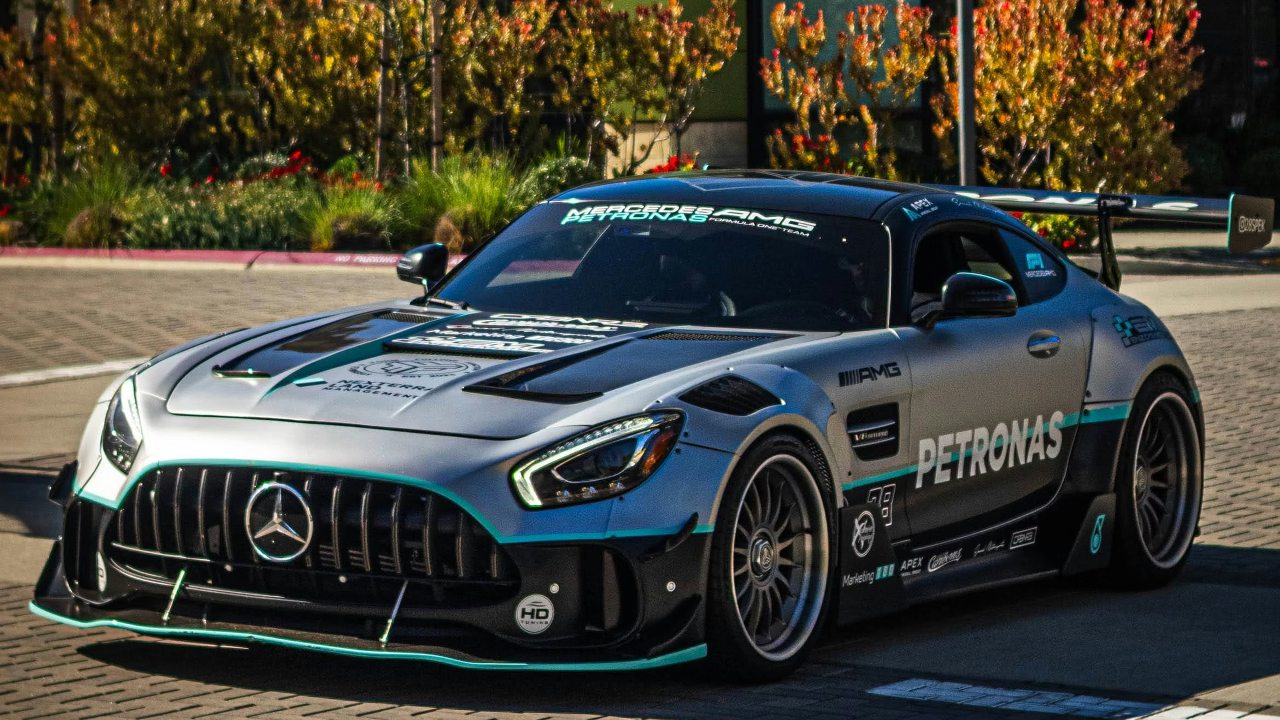
At higher speeds, aerodynamics stops being a quiet efficiency trick and becomes the main character in the handling story. In racing, explanations of dirty air point out that how air flows over a race car is essential to making it go faster, because the wings and bodywork generate downforce that presses the tires into the track. When a car follows another too closely, the disturbed air robs it of that grip, which is why drivers complain about losing front-end bite in traffic. The lesson for road cars is simple: the way air sticks to or separates from the body can either glue the car to the asphalt or turn it into a nervous kite.
That same principle shows up in more approachable language in a discussion of vehicle aerodynamics questions, which notes that a simple flip of an airfoil shape can turn a lift-generating airplane wing into a downforce-generating racing wing. The profile looks similar, but one wants to go up and the other wants to stay very much down. On a fast road car, even subtle spoilers, diffusers, and underbody panels are doing their own quiet version of that trick, trading a bit of drag for a lot of stability. You can bolt a huge engine into a car, but if the air is trying to peel it off the road at speed, all that displacement just gets you into trouble faster.

Efficiency: where aero quietly beats cubic inches
When I look at fuel economy numbers, I see a scoreboard where aerodynamics is quietly running up the points while displacement sits on the bench. One explanation of the role of aerodynamics in your car’s performance notes that better airflow directly improves fuel efficiency, top speed, and stability, because the engine does not have to work as hard to overcome drag. That means lower fuel consumption without touching the displacement figure on the spec sheet. In practical terms, a well-shaped 2.0 liter turbo can deliver the same real-world pace as a bluff 3.5 liter engine, while burning less fuel and emitting less CO₂.
Another overview of aerodynamics in car design underlines that point by tying airflow directly to the power required to overcome air resistance. At highway speeds, a large share of the engine’s output is simply paying the drag bill, so a lower drag coefficient effectively gives you free power. That is why a slippery family hatchback can feel lively with a small engine, while a tall, square vehicle with a bigger displacement unit can feel strangely lethargic once the speedometer climbs. The shape, not the size of the cylinders, is doing the heavy lifting.
Electric cars: when every watt counts
Electric vehicles have turned the aerodynamics conversation from a nice-to-have into a survival strategy. In a widely shared discussion of why EVs chase low drag so aggressively, one commenter points out that electric drivetrains are MUCH more efficient than gasoline engines, which means aerodynamic losses make up a larger slice of the total energy wasted. Therefore, every bit of drag you shave off translates directly into more range, while simply adding more battery capacity makes the car heavier and more expensive.
That is why so many modern EVs wear the same wind-cheating silhouette, with smooth noses, tapered tails, and carefully managed airflow around the wheels and underbody. Guidance on air resistance explains that the more energy you can direct into actual movement instead of stirring up turbulence, the farther you can travel on a given amount of stored energy. For an EV driver watching the remaining range tick down on a cold night, the difference between a sleek body and a boxy one is not theoretical, it is the difference between arriving with a buffer and arriving with clenched teeth.
Designing for the wind, not just the dyno
All of this has pushed car designers to treat the wind tunnel as seriously as the engine lab. A breakdown of aerodynamic design notes that airflow now shapes everything from the angle of the windshield to the contour of the mirrors, because each detail either adds to or subtracts from the drag bill. Even the underbody, once an afterthought, is now carefully smoothed to keep air attached and reduce turbulence. The result is that two cars with similar power outputs can feel completely different on the road, simply because one is working with the air and the other is fighting it.
Technical explainers on aerodynamic efficiency make it clear that this is not just about slippery shapes for their own sake. A well designed body can reduce wind noise, improve high speed stability, and even help keep the car cleaner by managing where dirt and spray go. When I look at a modern compact SUV with a modest displacement engine and a carefully sculpted body, I see a quiet admission from the industry: the days of simply adding more liters to fix a bad shape are over. The wind has become the real judge, and it is not impressed by big numbers on the tailgate.
So when someone at a stoplight leans out and proudly announces how many cubic centimeters their engine has, I smile and glance at the profile of their car instead. Displacement still matters, of course, but in a world of tight efficiency targets and electric range anxiety, the smarter flex is how little air your car disturbs on its way down the road. The future of performance belongs less to the size of the bang in each cylinder and more to the quiet, relentless work of slicing through the sky.