Automatic engine stop‑start was sold as a painless way to cut emissions and fuel bills, a tiny software trick that would shut the engine off at red lights and fire it back up when the driver lifted off the brake. A decade later, the feature has become one of the most complained‑about technologies in new cars, and regulators and automakers are now moving to dial it back. The shift says as much about the changing politics of fuel economy as it does about drivers who are tired of feeling their engines stumble awake at every intersection.
What is happening to start‑stop is not a single policy change or a sudden engineering breakthrough, but a convergence of forces: a new stance from the Environmental Protection Agency, a wave of driver frustration, and a broader pivot toward hybrids and electric vehicles that make the old workaround look obsolete.
From compliance trick to political target
Start‑stop systems were never just a gadget, they were a compliance tool. Automakers leaned on them to squeeze out small gains in fuel economy and tailpipe emissions so they could meet federal rules without redesigning entire powertrains. Representative Doug LaMalfa’s proposed ESSENTIAL Act explicitly targets those federal rules that have been pushing manufacturers to install systems that shut engines off at stoplights or in traffic, underscoring how deeply this technology was woven into regulatory math rather than driver demand. These systems, which automatically shut off and restart engines at stoplights or in traffic, have been part of compliance with federal standards set by the Environmental Protection Agency and the National Highway Traffic Safety Administration.
That regulatory logic is now being rewritten. The EPA is moving to phase out credits and incentives tied to start‑stop, with the agency’s leadership signaling that the feature no longer fits its strategy for cutting emissions. In one policy shift, the EPA is described as pulling the plug on controversial start‑stop technology, a move framed as ending drivers’ red‑light frustrations and redirecting focus toward more substantial efficiency gains. EPA administrator Lee Zeldin has also been quoted criticizing the feature as one “where your car dies at every red light so companies get a climate participation trophy,” a pointed way of saying the agency no longer sees the marginal benefit as worth the political and consumer cost.
Drivers never really bought in
For all the engineering effort that went into making start‑stop seamless, drivers have consistently described it as anything but. Owners complain about the slight shudder when the engine cuts, the hesitation when it restarts, and the unnerving feeling of a car that appears to stall in the middle of traffic. Consumer explainers on automatic engine shutoff list a “slight delay at restarts” as a core concern, noting that the engine may take a second to turn back on when the driver presses the accelerator, which can feel jarring in stop‑and‑go conditions. Some drivers perceive stop‑start as intrusive, particularly in extreme temperatures or with early implementations that were rougher and noisier, and that perception has stuck even as the hardware improved.
That annoyance has translated into behavior. Many owners stab the dashboard button to disable the system every time they start the car, and some have gone further, installing aftermarket devices that remember their preference despite warnings about potential warranty issues. Enthusiast forums are filled with posts from drivers who say they would pay extra to delete the feature entirely, and one discussion of decreasing regulations notes that adding the necessary button and chip to control the logic adds only a few dollars per car to the bill of materials, which makes the persistence of the feature feel even more like a regulatory imposition than a customer benefit. When a technology is widely seen as something to be defeated rather than enjoyed, it becomes an easy target for policymakers looking to show they are listening to motorists.
The hidden costs under the hood
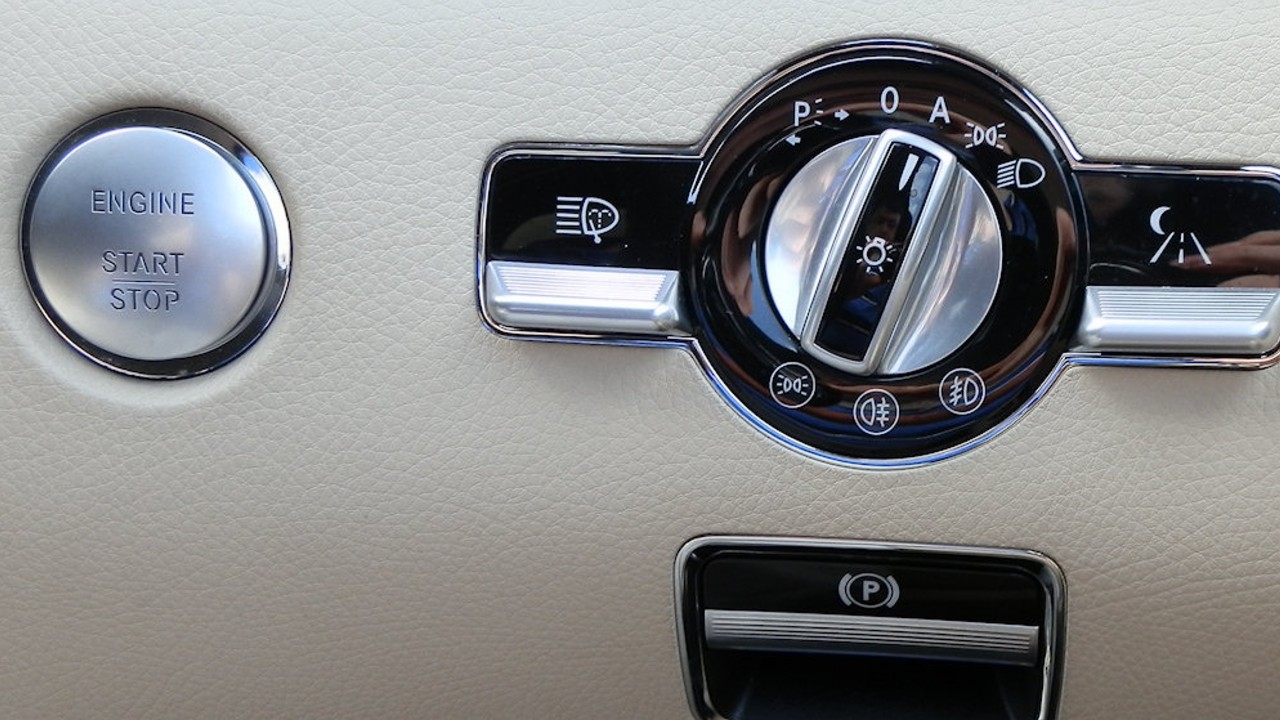
Start‑stop was marketed as a simple software tweak, but the reality under the hood is more complex and more expensive. To survive thousands of extra start cycles, engines need beefed‑up starters, reinforced timing components, and batteries designed for frequent deep discharge and recharge. Battery specialists warn that installing the wrong type of battery in a car with start‑stop, for example a conventional starter battery instead of an enhanced flooded or AGM unit, can lead to failure within a short period, especially in short‑distance, stop‑and‑go driving. Depending on the driving profile, a conventional starter battery will be defective within a few months if it is used in a vehicle with an engine start‑stop function, and selecting the wrong battery may even cause the start‑stop system to fail altogether.
Those stresses are not limited to the battery. Guides on common breakdowns note that repeated hot starts and short trips can lead to excessive and premature wear on engine parts such as the camshaft, valves, and piston assemblies, eventually causing breakdowns and expensive repairs. Critics of start‑stop have seized on that kind of wear pattern, arguing that cycling an engine on and off in traffic accelerates the same kinds of failures. In one discussion of the technology, commenters point out that the EPA has acknowledged concerns that start‑stop can kill batteries and starters more quickly, even if the agency stops short of blaming the systems for every failure. When the promised fuel savings are modest but the potential repair bills run into four figures, the cost‑benefit equation looks far less attractive to both drivers and regulators.
Hybrids and EVs made the workaround obsolete
The other reason start‑stop is losing its grip is that the industry has moved on to more elegant solutions. Hybrids inherently shut their engines off at low speeds and during idling, but they do so with electric motors and high‑voltage batteries that keep the car moving and the cabin powered without the jolts and delays of a conventional starter. Analysts have noted that hybrids essentially incorporate stop‑start as part of their operation, but their more powerful electric systems and smoother transitions make the experience far less intrusive than the basic systems bolted onto traditional gasoline cars. In that context, a 12‑volt starter clunking to life at every light looks like a half‑measure from an earlier era.
At the same time, automakers are pouring capital into full electrification, which eliminates idling emissions entirely. Luxury brands such as Rolls‑Royce are already on record that all future models will be electric, and broader industry reporting describes how most automakers are phasing out internal combustion engines and switching to battery‑electric drivetrains, even if some models still require piston power for now. Ford’s decision to stop building sedans in the United States and redirect resources toward SUVs, EVs, and software‑driven efficiency illustrates how companies are prioritizing platforms where energy management is baked into the architecture rather than tacked on as a feature. In that world, the marginal gains from start‑stop on a shrinking pool of conventional engines are harder to justify.
Regulators pivot as the market shifts
Regulatory pressure created start‑stop, and regulatory recalibration is now helping to unwind it. The EPA has signaled that it will phase out controversial start‑stop technology, a move that aligns with Lee Zeldin’s criticism of the feature and with broader efforts to focus on more impactful emissions reductions. Policy trackers describe how the agency is curtailing credits for start‑stop systems, effectively telling automakers that they will no longer earn the same compliance rewards for installing a feature that drivers dislike and that delivers relatively small fuel savings. LaMalfa’s ESSENTIAL Act, which aims to scrap federal rules pushing start‑stop systems in vehicles, adds a legislative front to that shift, reflecting a political climate that is more skeptical of incremental add‑ons and more focused on visible consumer benefits.
As those incentives fade, automakers are re‑evaluating where to spend their engineering budgets. Industry analysts note that some manufacturers are already de‑emphasizing start‑stop on new models, especially as they roll out hybrid variants that achieve better test‑cycle results without the same customer backlash. Commenters in enthusiast communities speculate that with regulations decreasing, manufacturers could start to drop the feature, especially since the hardware cost is relatively low and the compliance value is shrinking. When the EPA itself is described as trying to remove start‑stop on new vehicles, and when the agency’s own guidance on idling now highlights alternatives such as fuel‑operated heaters or direct‑fired heaters for heavy‑duty engines, it is clear that the official view of how best to cut emissions at a stoplight has changed.
What replaces the red‑light shudder
The demise of traditional start‑stop does not mean regulators or automakers are giving up on idling emissions, it means they are looking for cleaner and less aggravating tools. The EPA’s recommendations for propulsion engines now emphasize strategies like installing fuel‑operated or direct‑fired heaters so that drivers can stay warm without running the main engine, a solution that targets the same problem as start‑stop but without cycling the powertrain on and off. For passenger cars, the shift toward hybrids, plug‑in hybrids, and full EVs effectively bakes idle reduction into the vehicle’s DNA, turning what used to be a bolt‑on feature into a core characteristic of the drivetrain.
In the meantime, conventional gasoline models are likely to see a quieter retreat. Some will keep start‑stop but make it easier to disable, responding to years of complaints that manufacturers would not let drivers permanently shut the system off. Others may drop the feature entirely as they refresh platforms, especially if they can meet updated standards through aerodynamics, low‑rolling‑resistance tires, and more efficient engines. The throughline is that the political, technical, and consumer logic that once propped up start‑stop has eroded. What began as a clever workaround to satisfy regulators is being eclipsed by technologies that cut emissions more deeply and by a regulatory regime that no longer sees a car “dying at every red light” as a climate win worth defending.
More from Fast Lane Only: