The way automakers advertise horsepower has evolved significantly over the decades, reflecting changes in technology, consumer preferences, and regulatory standards. As I explore this transformation, it becomes evident that the focus has shifted from raw power to a more nuanced approach that considers efficiency, performance, and sustainability, mirroring the broader shifts in the automotive industry.
Historical Context of Horsepower Advertising
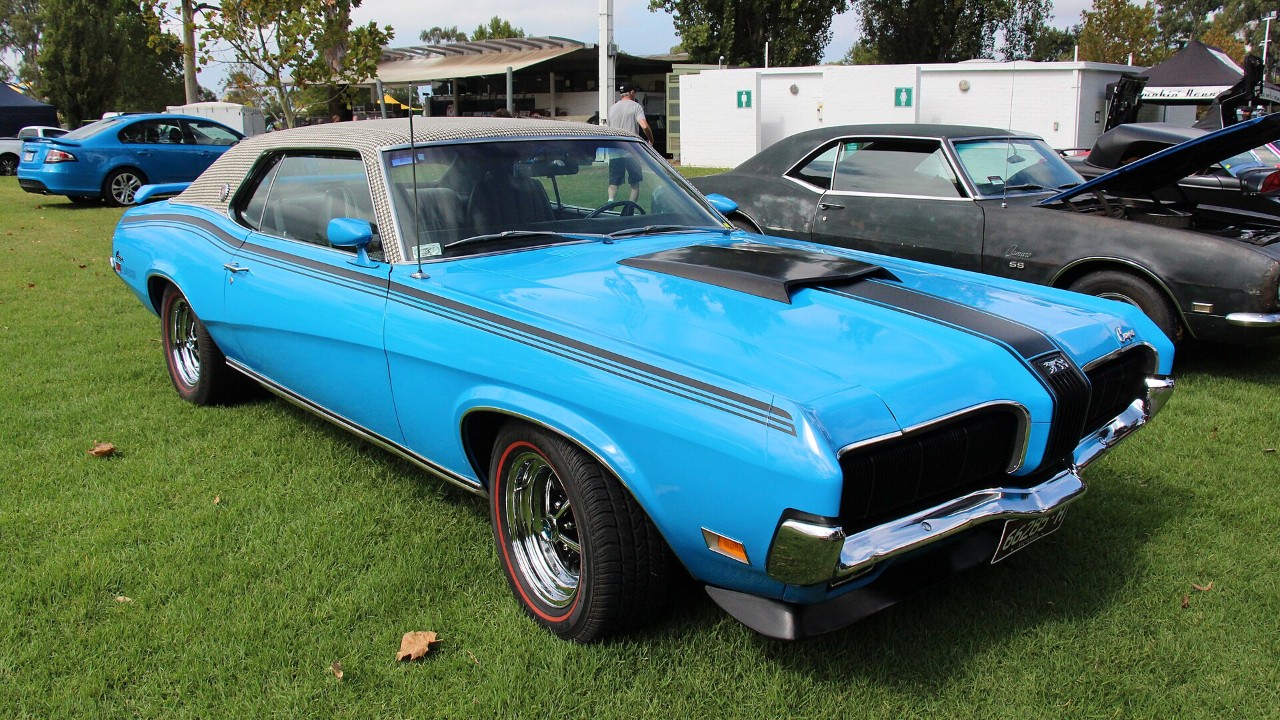
In the early days of automotive marketing, raw horsepower was the primary selling point for many vehicles. Advertisements prominently featured numbers that appealed to consumers’ desires for speed and performance. For instance, during the muscle car era of the 1960s and 70s, cars like the Ford Mustang and Chevrolet Camaro boasted impressive horsepower figures, positioning themselves as symbols of freedom and power on the open road. These vehicles were marketed not just as modes of transportation but as icons of American culture, with horsepower serving as a rallying cry for enthusiasts.
However, as the automotive landscape evolved, so did consumer expectations. The transition from the muscle car era to the more diverse offerings of today included a growing awareness of issues like fuel efficiency and environmental impact. With the advent of the oil crisis in the 1970s and increasing government regulations, automakers began to adjust their marketing strategies to reflect these new realities. This shift marked a significant change in how horsepower and performance metrics were communicated to consumers, paving the way for a more comprehensive approach to automotive advertising.
Technological Advancements and Their Impact
The introduction of new engine technologies has drastically changed how horsepower is measured and marketed. Turbocharging, for example, allows smaller engines to produce more power without sacrificing fuel efficiency, leading to innovative marketing strategies that emphasize both horsepower and economy. A prime example is the Ford EcoBoost engine, which has been marketed as a solution that delivers power without the excessive fuel consumption traditionally associated with high-performance vehicles.
The shift from traditional internal combustion engines to electric powertrains has further transformed the landscape. Brands like Tesla have redefined performance metrics, focusing on torque and acceleration rather than solely on horsepower. For instance, the Tesla Model S can achieve 0 to 60 mph in just 1.99 seconds, showcasing performance capabilities that challenge conventional notions of what power means. This transition has necessitated a new language in advertising, where figures like instantaneous torque and electric range take center stage, reshaping how consumers perceive vehicle performance.
Consumer Preferences and Market Trends
Modern consumers are increasingly prioritizing fuel efficiency and environmental impact, leading to a significant shift in the narrative surrounding horsepower. As awareness of climate change and sustainability grows, buyers are more inclined to consider how a vehicle’s performance contributes to their ecological footprint. Consequently, automakers have adapted their marketing strategies to highlight not just horsepower but also fuel economy and emissions ratings. Brands like Toyota have successfully marketed hybrids like the Prius, which emphasize low emissions and high fuel efficiency while still providing adequate performance.
The rise of social media and digital marketing has also changed how automakers present their vehicles. Instead of focusing solely on specifications, brands are increasingly telling stories that resonate with consumers’ lifestyles and aspirations. For example, the marketing campaigns for the Jeep Wrangler often emphasize adventure and outdoor experiences, appealing to consumers’ emotional connections rather than just horsepower figures. This shift illustrates how performance is perceived in the broader context of a consumer’s identity, where the car becomes a lifestyle choice rather than just a means of transportation.
Regulatory Changes and Their Influence
Emissions regulations have played a crucial role in reshaping how horsepower is marketed. Stricter guidelines have forced automakers to emphasize eco-friendliness and sustainability in their advertising. The shift towards electric and hybrid vehicles is not just a response to consumer demand but also a regulatory necessity. As automakers strive to meet government mandates for lower emissions, the marketing narrative around horsepower has evolved to include discussions of environmental impact and fuel efficiency. This change reflects a broader societal shift toward sustainability and responsible consumption.
Additionally, the standardization of measurement practices, such as the Society of Automotive Engineers (SAE) J1349 standard, has influenced how horsepower figures are communicated across brands. This standardization ensures that consumers can make more informed comparisons between different models and manufacturers, enhancing transparency in automotive advertising. Consumer advocacy has also pushed for more responsible marketing practices, encouraging automakers to provide clearer, more accurate information about vehicle performance, ensuring that horsepower is presented in a context that matters to the consumer.
The Future of Horsepower Advertising
Looking ahead, emerging technologies like autonomous driving and advanced driver-assistance systems are likely to further shift the focus from horsepower to overall vehicle capability. As vehicles become smarter and more automated, the conversation around performance will likely evolve to encompass features that enhance safety and convenience. For instance, the integration of systems like Tesla’s Autopilot will change how consumers evaluate a vehicle’s worth, moving beyond traditional metrics like horsepower to a broader understanding of what makes a car valuable.
Moreover, the potential for new metrics, such as electric range or smart features, to become benchmarks in automotive advertising is significant. As electric vehicles continue to gain traction, automakers will likely highlight capabilities like battery life and charging speed in their marketing strategies. The shift in consumer values toward sustainability and technological innovation will undoubtedly shape the future of automotive marketing, with a focus on performance that aligns with modern priorities.
The evolution of horsepower advertising reflects not just changes in technology and regulations but also the shifting landscape of consumer expectations and values. As we move forward, it will be fascinating to see how automakers adapt to these changes and how they communicate performance in a way that resonates with a new generation of environmentally conscious and tech-savvy buyers.
More from Fast Lane Only
- Unboxing the WWII Jeep in a Crate
- 15 rare Chevys collectors are quietly buying
- 10 underrated V8s still worth hunting down
- Police notice this before you even roll window down
*Research for this article included AI assistance, with all final content reviewed by human editors.