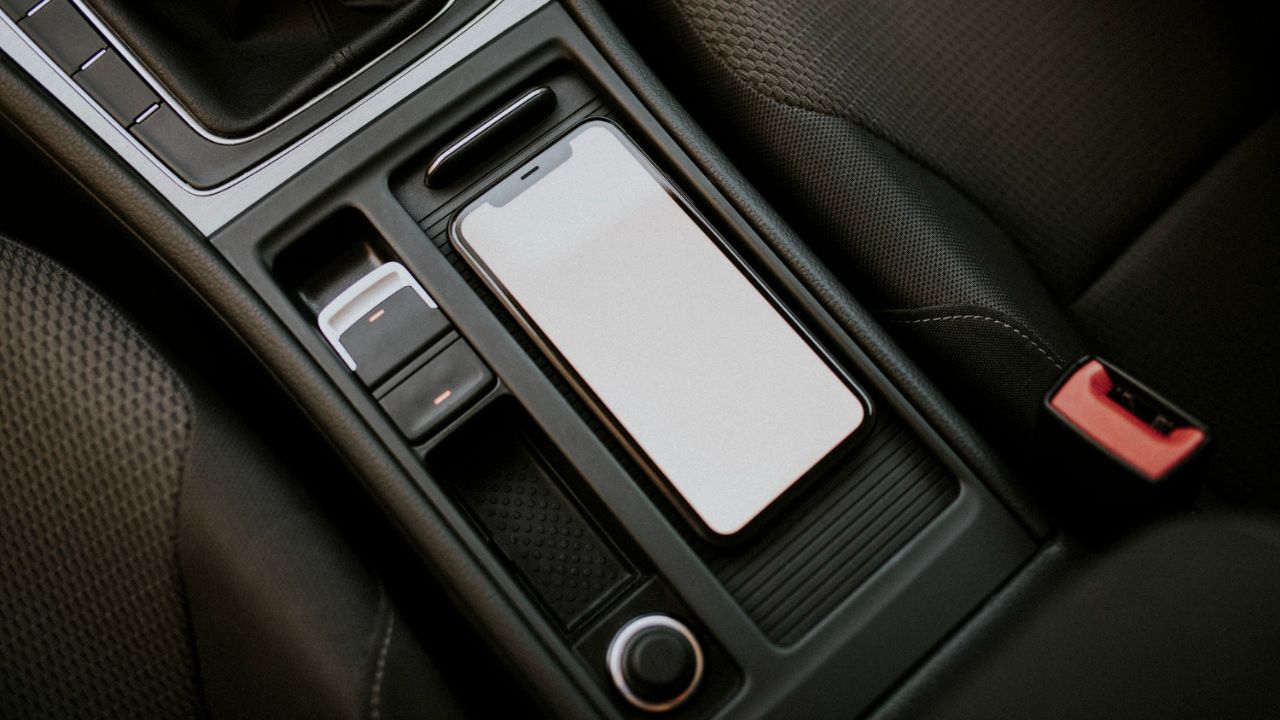
The integration of wireless charging pads in new cars is rapidly becoming a standard feature, offering a convenient solution for tech-savvy drivers. This trend reflects a growing consumer demand for seamless and cable-free technology in automobiles, enhancing the driving experience and safety.
Evolution of Wireless Charging Technology
Wireless charging technology traces its roots back to the early 20th century with the development of electromagnetic induction. However, it wasn’t until the last decade that this technology began to make significant strides, especially in consumer electronics. The introduction of the Qi standard by the Wireless Power Consortium in 2008 marked a pivotal moment, providing a universal framework that facilitated the integration of wireless charging across various devices. This standardization was crucial in transitioning the technology from household gadgets to automotive applications.
In the automotive sector, key technological advancements have made wireless charging increasingly feasible. Improvements in coil design, power management, and heat dissipation have all contributed to this progression. The automotive industry’s adoption of the Qi standard has been particularly influential, enabling manufacturers to offer wireless charging pads that are compatible with a wide range of smartphones and devices. Brands like Toyota and BMW have been at the forefront, integrating wireless charging as a standard or optional feature in models such as the 2023 Toyota Camry and the BMW 5 Series.
Benefits of Wireless Charging in Vehicles
One of the most significant benefits of wireless charging in vehicles is the convenience it offers. By eliminating the need for multiple cables, drivers can reduce clutter and create a more organized and aesthetically pleasing cabin space. This ease of use is particularly appealing to tech-savvy consumers who are accustomed to seamless, cable-free technology in their homes and workplaces.
Wireless charging also enhances safety by minimizing driver distractions. Managing charging cables can be a cumbersome task, especially while driving, and can lead to dangerous situations if the driver becomes distracted. Wireless charging pads allow drivers to simply place their devices on the pad, enabling them to focus more on the road. Furthermore, the growing compatibility with a wide range of devices contributes to a universal charging solution, ensuring that passengers can also benefit from this technology regardless of their device brand.
Market Trends and Consumer Demand
Recent statistics indicate a strong consumer preference for vehicles equipped with wireless charging features. According to a survey conducted by J.D. Power, nearly 60% of new car buyers expressed a desire for wireless charging technology in their next vehicle purchase. This growing demand has prompted automotive manufacturers to integrate wireless charging across various car models and trims, making it a key selling point in the competitive car market.
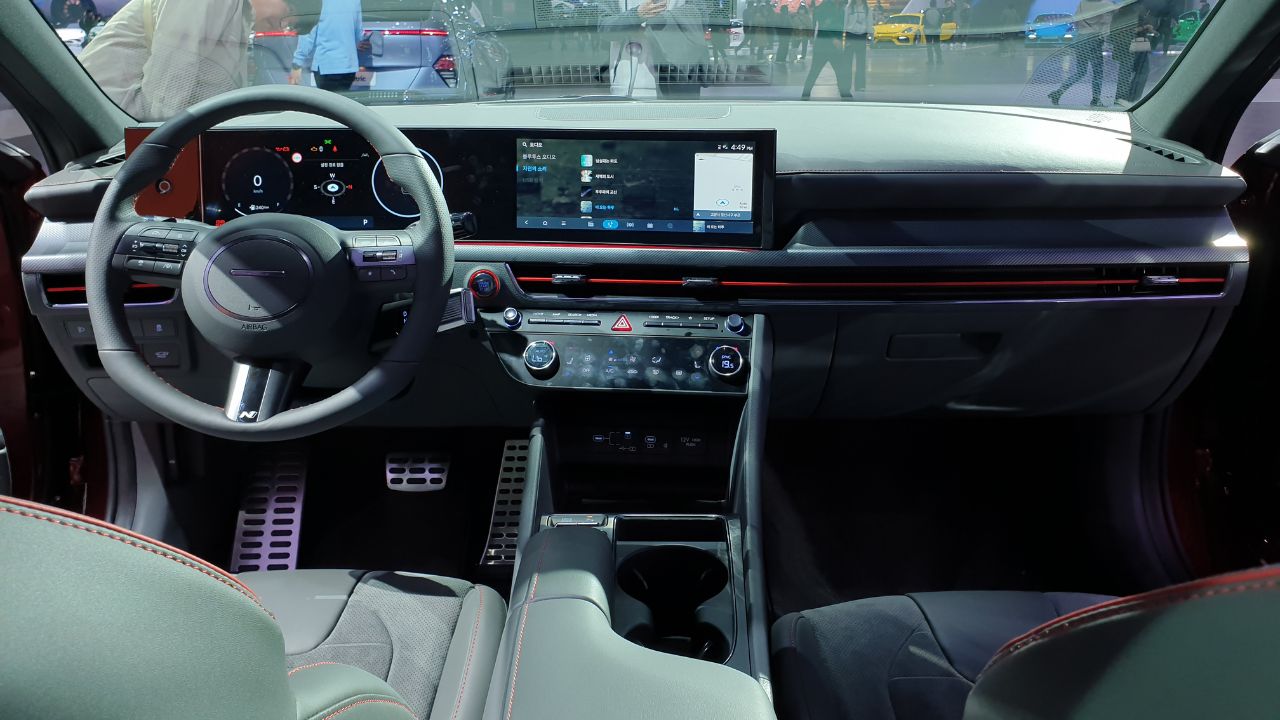
Manufacturers such as Hyundai and Ford have responded to this demand by offering wireless charging pads in popular models like the Hyundai Sonata and the Ford Escape. The inclusion of wireless charging not only enhances the appeal of these vehicles but also positively impacts their resale value and marketability. As a result, more consumers are prioritizing this feature when considering new car purchases, further driving its adoption across the industry.
Challenges and Limitations
Despite its numerous benefits, wireless charging technology in vehicles does face certain challenges and limitations. One of the primary concerns is the charging speed and efficiency compared to traditional wired charging. While wireless charging is convenient, it often delivers a lower power output, leading to longer charging times. This can be a significant drawback for users who require a quick charge during short trips.
Additionally, there are potential technical limitations related to interference with other electronic systems within the vehicle. The electromagnetic fields generated by wireless charging pads could potentially interfere with sensitive car electronics, although ongoing research and development aim to mitigate these risks. Cost implications also play a role, as the integration of wireless charging can increase the overall price of new car models, potentially limiting its accessibility to a broader range of consumers.
The Future of Wireless Charging in the Automotive Industry
Looking ahead, the future of wireless charging in the automotive industry appears promising. As technology continues to advance, improvements in charging speed and efficiency are expected, making wireless charging an even more attractive option for drivers. Additionally, the potential integration of wireless charging with other emerging technologies, such as autonomous driving systems, could further enhance the driving experience.
The role of wireless charging in the shift towards a more connected and sustainable automotive future cannot be overstated. As cars become increasingly digital and reliant on electronic systems, wireless charging will likely become an integral part of the automotive ecosystem. This trend is reflected in the development of new standards, such as the upcoming Qi2, which promises to bring even greater efficiency and interoperability to wireless charging technology.
Like Fast Lane Only’s content? Be sure to follow us.
Here’s more from us:
*Created with AI assistance and editor review.