The Buick Stage 1 455 is a legendary muscle car engine that almost never saw the light of day. Its journey from concept to production was fraught with challenges, including corporate decision-making, market trends, and engineering hurdles that nearly derailed its introduction.
Historical Context of the Muscle Car Era
The late 1960s and early 1970s marked a golden age for muscle cars in America, characterized by a fierce competition among automakers to produce the most powerful and stylish vehicles. This period saw the introduction of iconic models like the Chevrolet Camaro and the Ford Mustang, which captured the imagination of the driving public and set the stage for the performance wars. Buick, traditionally known for its more sedate offerings, sought to carve out its niche in this burgeoning market by introducing the Stage 1 455.
To position itself against giants like Chevy and Ford, Buick recognized the need for a powerful engine that could compete with the likes of the Chevrolet 396 and Ford’s 429. The Stage 1 455 was initially designed to deliver an impressive 360 horsepower, making it a formidable contender in the muscle car landscape. However, changing consumer preferences, coupled with new emissions regulations and rising fuel prices, created a challenging environment for muscle car production, putting the future of the Stage 1 455 in jeopardy.
The Development of the Stage 1 455 Engine
The engineering innovations behind the Stage 1 455 engine were groundbreaking for their time. Buick engineers focused on improving airflow within the engine, which resulted in a more efficient combustion process. Key features included a unique intake manifold, improved cylinder heads, and a higher compression ratio that allowed the engine to produce more power without sacrificing reliability. These innovations set the Stage 1 apart from its contemporaries and positioned it as a serious player in the muscle car segment.
However, the development process was not without its challenges. Engineers faced technical limitations that required creative problem-solving and resource allocation. For instance, the team had to work within a limited budget while still aiming to deliver a high-performance product. Insights from engineers who were involved in the project reveal that there were many late nights spent troubleshooting issues related to the engine’s design, and debates over various engineering approaches were common. The dedication of these engineers ultimately contributed to the creation of an engine that would leave a lasting impact on muscle car enthusiasts.
Corporate Decisions and Market Pressures
The influence of General Motors’ corporate strategy played a crucial role in shaping Buick’s product lineup during this era. As part of a larger conglomerate, Buick had to align its goals with those of GM, which often prioritized fuel efficiency and cost-cutting measures over performance. This corporate focus created tension within Buick, as some executives believed that the Stage 1 455 could be a game-changer in the muscle car market, while others were more skeptical. The internal debates reflected broader economic factors and market demand that shaped the decision to greenlight or shelve the engine project.
Furthermore, economic factors such as the oil crisis of 1973 and tightening emissions regulations created additional pressure on the automotive industry. As consumers began to shift their preferences toward smaller, more fuel-efficient vehicles, the muscle car segment faced significant challenges. Buick management found themselves at a crossroads, needing to balance the allure of high-performance engines like the Stage 1 455 with the realities of a changing market. These discussions ultimately influenced the decision-making process surrounding the engine’s production.
Production Challenges and Near-Cancellation
As the production phase of the Stage 1 455 approached, a series of specific hurdles emerged that threatened its viability. Supply chain issues, particularly in sourcing the necessary components for the engine, posed significant challenges. Additionally, budget constraints hampered the resources available for production, leading to a frantic scramble to meet deadlines and quality standards. The combined pressure of these challenges created an environment where the Stage 1 455’s future hung in the balance.
Adding to the complexity, external factors such as the oil crisis and increasingly stringent emissions regulations cast a shadow over the project. The oil crisis led to skyrocketing fuel prices, prompting consumers to rethink their preference for high-powered muscle cars. A small but passionate group of advocates within Buick recognized the potential of the Stage 1 455 and fought tirelessly to keep the project alive, arguing that its performance capabilities and unique engineering innovations were worth the investment. Their determination ultimately played a pivotal role in ensuring that the engine made it to production.
Legacy and Impact on Muscle Car Culture
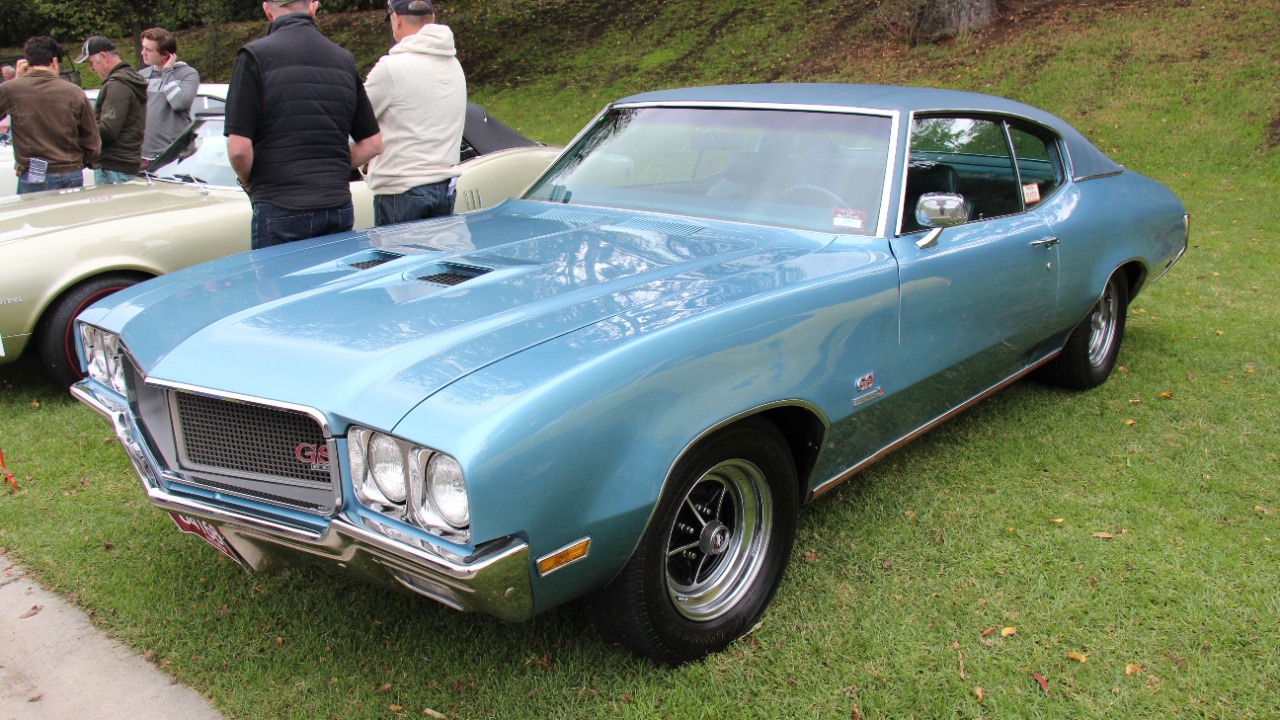
The significance of the Stage 1 455 in the broader context of automotive history cannot be understated. Released primarily in the 1970 Buick GS models, the engine not only helped define Buick’s identity as a performance brand but also laid the groundwork for future models. Its legacy endures among collectors and enthusiasts who appreciate its combination of power, engineering prowess, and the unique place it holds in the pantheon of American muscle cars. Today, the Stage 1 455 remains a sought-after engine, with enthusiasts often citing its performance as a key reason for its enduring appeal.
Moreover, the engine’s production and subsequent success influenced other manufacturers to prioritize performance in their offerings, ultimately shaping the future of American muscle cars. The Stage 1 455 stands as a testament to the era’s spirit of innovation and competition, reminding us of the excitement that defined muscle car culture in the 1970s. For those interested in delving deeper into the history of the Stage 1 455, resources such as MotorTrend and HotCars provide valuable insights into its design and impact.
More from Fast Lane Only
- Unboxing the WWII Jeep in a Crate
- 15 rare Chevys collectors are quietly buying
- 10 underrated V8s still worth hunting down
- Police notice this before you even roll window down
*Research for this article included AI assistance, with all final content reviewed by human editors.