The thrill of driving powerful cars often comes with an underlying sense of fear. For many, the sheer power and speed of certain car engines can evoke anxiety, stemming from their unpredictable nature and the potential for danger. This sentiment is particularly prominent among enthusiasts and casual drivers alike, who recognize that with great power comes great responsibility—and a hint of apprehension.
Understanding Powerplants: The Heart of Performance Cars
When discussing performance cars, the engine—often referred to as the powerplant—is at the core of the conversation. There are various types of car engines, each offering a unique driving experience. Traditional V8 engines are synonymous with muscle cars, providing a throaty growl and raw power that can be both exhilarating and intimidating. Turbocharged engines, found in models like the Ford Mustang EcoBoost, deliver impressive horsepower and torque from smaller displacements, making them agile and responsive. Electric engines, such as those in the Tesla Model S, offer instant torque and silent acceleration, redefining our understanding of speed.
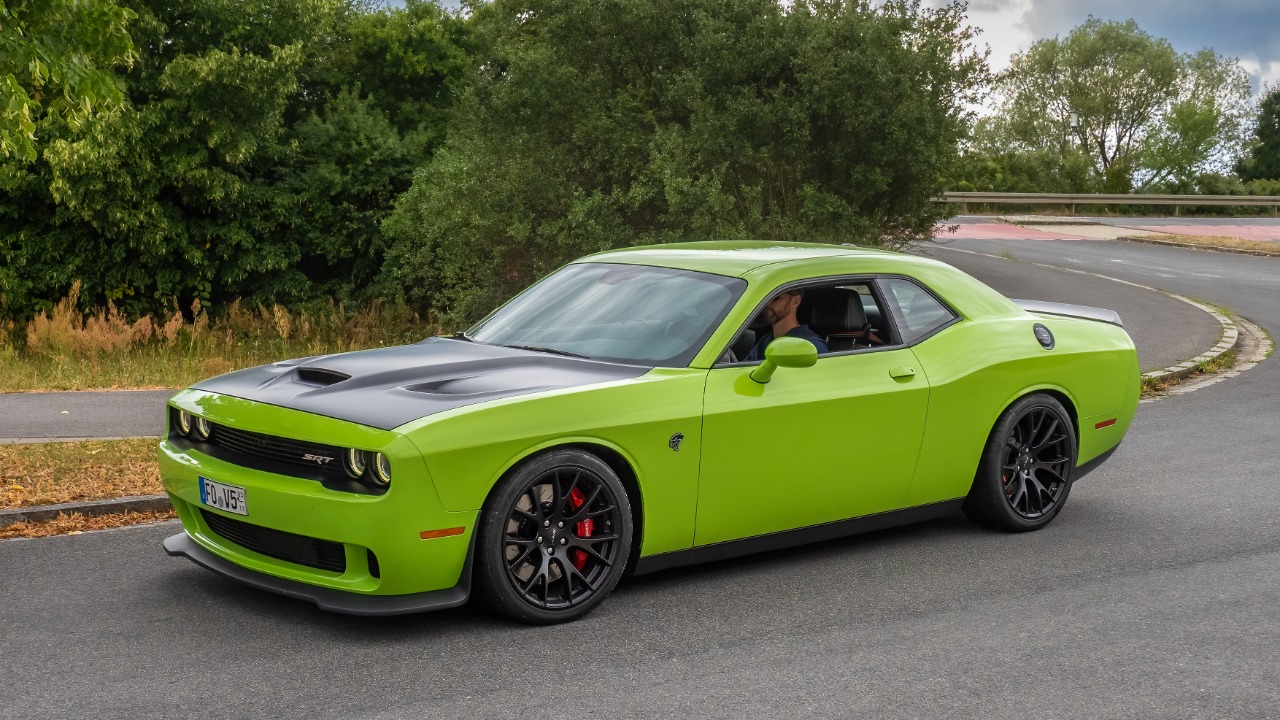
The relationship between engine size, horsepower, and torque is crucial in understanding why certain powerplants evoke fear. Generally, larger engines produce more power and torque, which translates to faster acceleration and higher top speeds. For instance, the Dodge Challenger Hellcat, equipped with a supercharged 6.2-liter HEMI V8, boasts a staggering 707 horsepower, making it one of the most powerful muscle cars on the market. This kind of sheer power can be thrilling, yet it can also induce anxiety in drivers who may not be accustomed to handling such performance capabilities.
Performance specifications play a significant role in shaping our feelings about these vehicles. The numerical values associated with a car’s horsepower and torque output can be intimidating, especially when you consider how quickly these machines can go from zero to sixty miles per hour. For many, understanding these figures is essential to grasping not just the potential joy of driving such cars but also the inherent risks involved.
The Psychology of Speed: Fear vs. Thrill
There’s an undeniable adrenaline rush that accompanies the experience of driving a powerful car. The sensation of rapid acceleration, the sound of the engine roaring, and the feeling of the road beneath the tires can create a euphoric thrill. However, this thrill can quickly turn to fear, particularly for those who are aware of the risks associated with high-speed driving. The psychological factors at play here are complex and deeply rooted in our perceptions of speed and control.
Past experiences play a significant role in shaping our attitudes towards driving fast cars. For instance, a person who has witnessed or experienced a car accident may develop a heightened sense of fear when behind the wheel of a powerful vehicle. Additionally, media portrayals of high-speed crashes and dangerous driving can further amplify these fears. Movies like “Fast & Furious” glamorize speed but also showcase the potential for disaster, creating a mixed message about the reality of driving powerful cars.
Furthermore, societal attitudes towards speed can contribute to the fear factor. In some cultures, driving fast is seen as reckless and irresponsible, while in others, it is celebrated as a sign of skill and bravery. This dichotomy can lead to internal conflicts for drivers, where the desire for thrill clashes with societal expectations and personal fears.
Safety Features and Their Limitations
Modern high-performance cars are equipped with an array of advanced safety technologies designed to mitigate risks. Features such as anti-lock braking systems (ABS), electronic stability control (ESC), and adaptive cruise control are now standard in many sports cars. For example, the Porsche 911 Carrera offers a suite of safety features that help maintain control during high-speed maneuvers, giving drivers a sense of security.
However, these safety features can sometimes create a false sense of security. Drivers may feel emboldened by the presence of these technologies and engage in riskier behavior, believing that the car will compensate for their actions. This phenomenon has been observed in various studies, indicating that the more advanced the safety features, the more likely drivers are to push the limits. Real-world statistics show that powerful vehicles are often involved in accidents, with research indicating that drivers of high-performance cars are more likely to engage in aggressive driving behaviors.
For instance, a report by the Insurance Institute for Highway Safety (IIHS) highlighted that sports cars are disproportionately represented in fatal crashes. The correlation between high horsepower and accident rates serves as a sobering reminder that safety features, while beneficial, cannot eliminate the risks associated with powerful engines.
Driving Culture: Influences and Behaviors
The culture surrounding cars and driving plays a significant role in shaping our attitudes toward powerplants. Car enthusiasts often form communities where the admiration for powerful engines and performance is celebrated. This camaraderie can foster a sense of belonging, but it can also lead to peer pressure to engage in risky behaviors, such as street racing or aggressive driving.
Motorsport, whether it’s Formula 1, NASCAR, or local drag racing events, greatly influences public perception of speed and power. The thrill of watching high-performance cars in action can create a desire to emulate that excitement on the road. Unfortunately, this can lead to dangerous behaviors as individuals attempt to replicate the stunts they see on the track. The allure of racing and the associated adrenaline can blur the lines between responsible driving and reckless behavior.
Moreover, social media platforms amplify this culture, with influencers and enthusiasts showcasing their powerful vehicles and high-speed antics. The desire to show off and gain recognition can lead to impulsive decisions behind the wheel, further perpetuating the cycle of fear and thrill associated with powerful engines.
Case Studies: Notorious Engines and Their Histories
Several engines have earned a notorious reputation for their intimidating power and the fear they instill in drivers and onlookers alike. The Dodge Hellcat, with its supercharged 6.2-liter V8, is often cited as one of the most fearsome engines in modern automotive history. Capable of producing 707 horsepower, it has garnered attention for both its remarkable performance and the numerous incidents associated with its power. High-profile accidents involving Hellcats have made headlines, reinforcing the idea that with such power comes potential peril.
Another example is the Ferrari F40, a legendary supercar known for its raw power and minimal electronic aids. The F40’s twin-turbocharged V8 engine, producing around 478 horsepower, can be a challenge to handle, particularly for inexperienced drivers. Its history includes numerous tales of drivers pushing the limits, leading to tragic accidents that have cemented its reputation as a car that demands respect and skill.
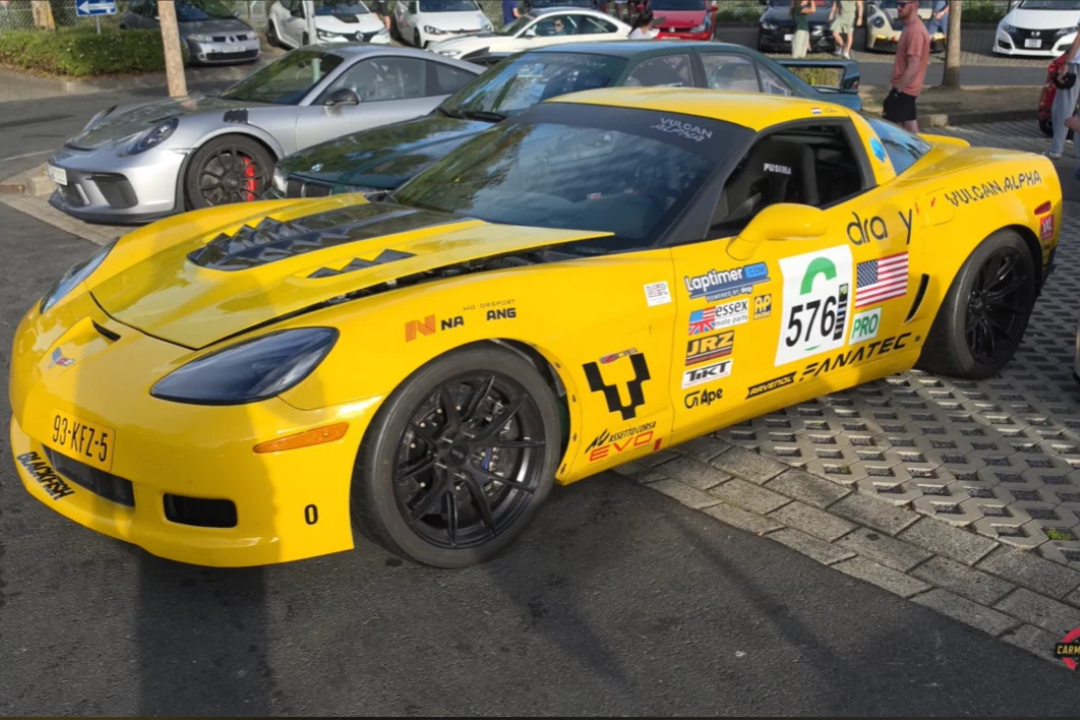
The evolution of certain powerplants also highlights the changing perceptions of speed and safety. For instance, the evolution of the Chevrolet Corvette, particularly the C7 generation introduced in 2014, has seen significant advancements in both performance and safety features. While the Corvette is celebrated for its power, it has also faced criticism for accidents linked to aggressive driving, illustrating that even modern engineering cannot fully mitigate the fears associated with high-performance vehicles.
Future of Powerplants: Trends and Innovations
As the automotive landscape continues to evolve, so does the conversation around powerplants. The rise of electric and hybrid engines presents a promising alternative to traditional internal combustion engines. Vehicles such as the Porsche Taycan and the Ford Mustang Mach-E showcase how electric power can deliver impressive performance without the same level of noise and perceived danger associated with powerful gasoline engines. The immediate torque provided by electric motors can create thrilling acceleration experiences while also promoting a quieter, more refined driving environment.
Advancements in technology are also changing how we perceive power and safety. With the development of autonomous driving features, the potential for reducing accidents associated with high-performance cars is significant. Companies like Tesla are at the forefront of integrating advanced driver-assistance systems (ADAS), which can help manage speed and reduce the risk of human error. This shift towards automation may alleviate some fears associated with powerful vehicles, as technology takes on a more prominent role in safety.
Furthermore, regulatory changes are likely to impact the future of powerplants. As governments around the world push for stricter emissions standards, the automotive industry is compelled to innovate. This may lead to a decline in traditional high-performance engines and a rise in more efficient, environmentally friendly alternatives. The perception of speed and power will inevitably shift as the industry adapts to these changes, potentially alleviating some of the fears associated with powerful cars.
More from Fast Lane Only
- Unboxing the WWII Jeep in a Crate
- 15 rare Chevys collectors are quietly buying
- 10 underrated V8s still worth hunting down
- Police notice this before you even roll window down
*Research for this article included AI assistance, with all final content reviewed by human editors.