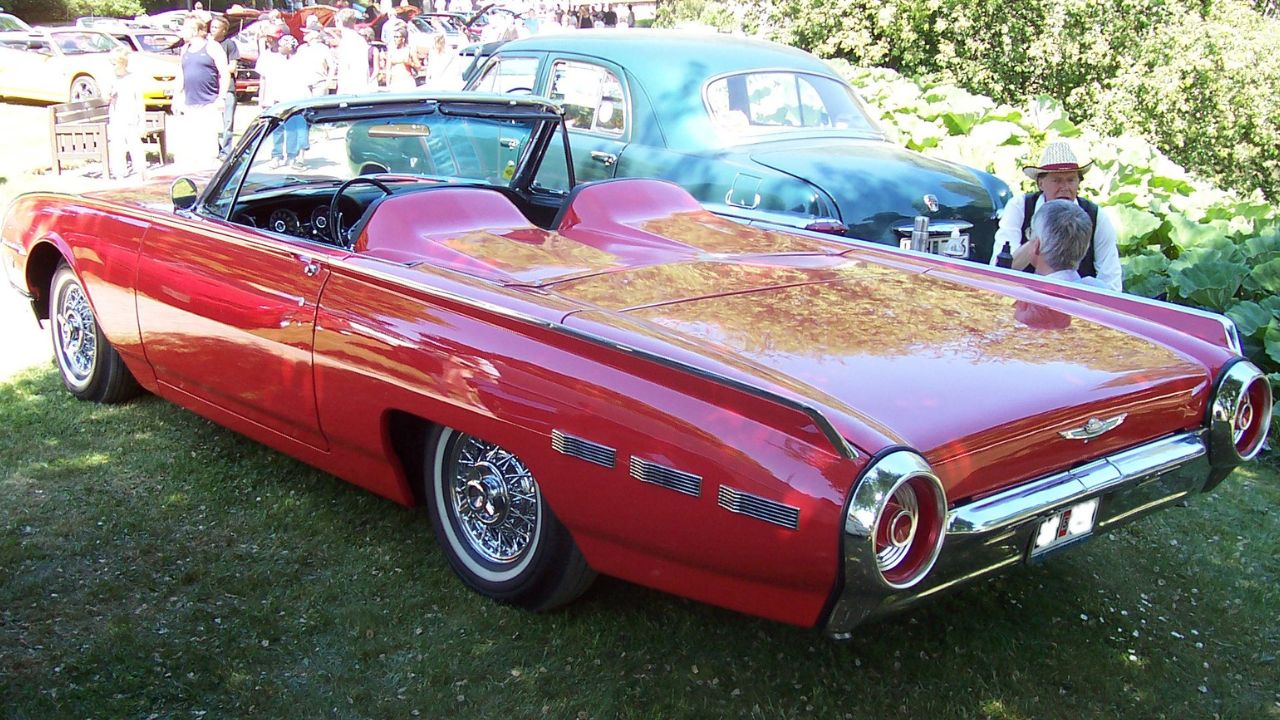
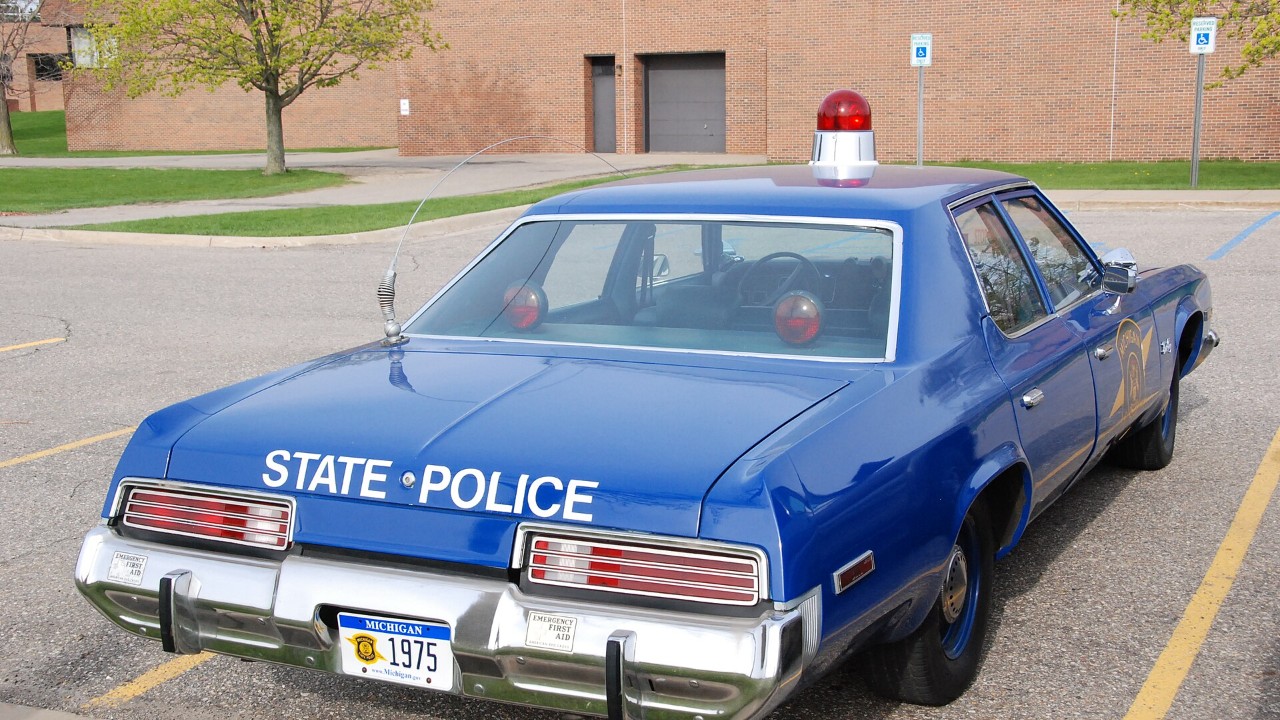
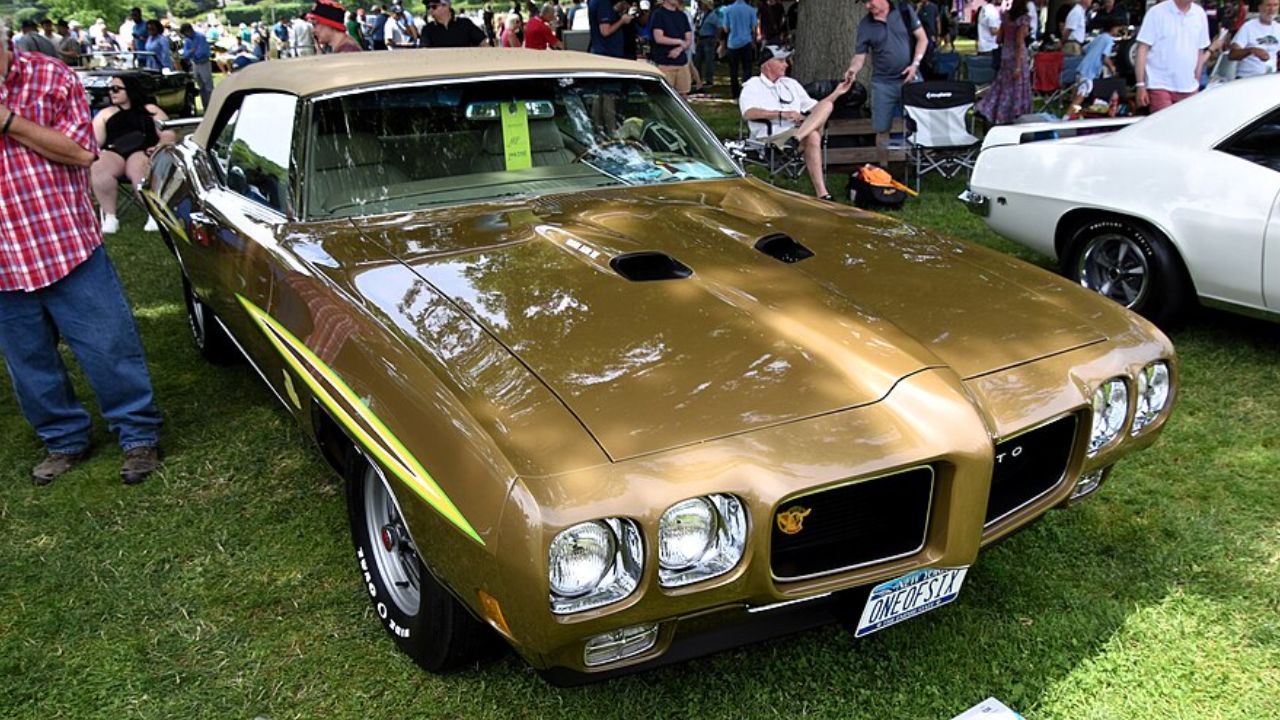
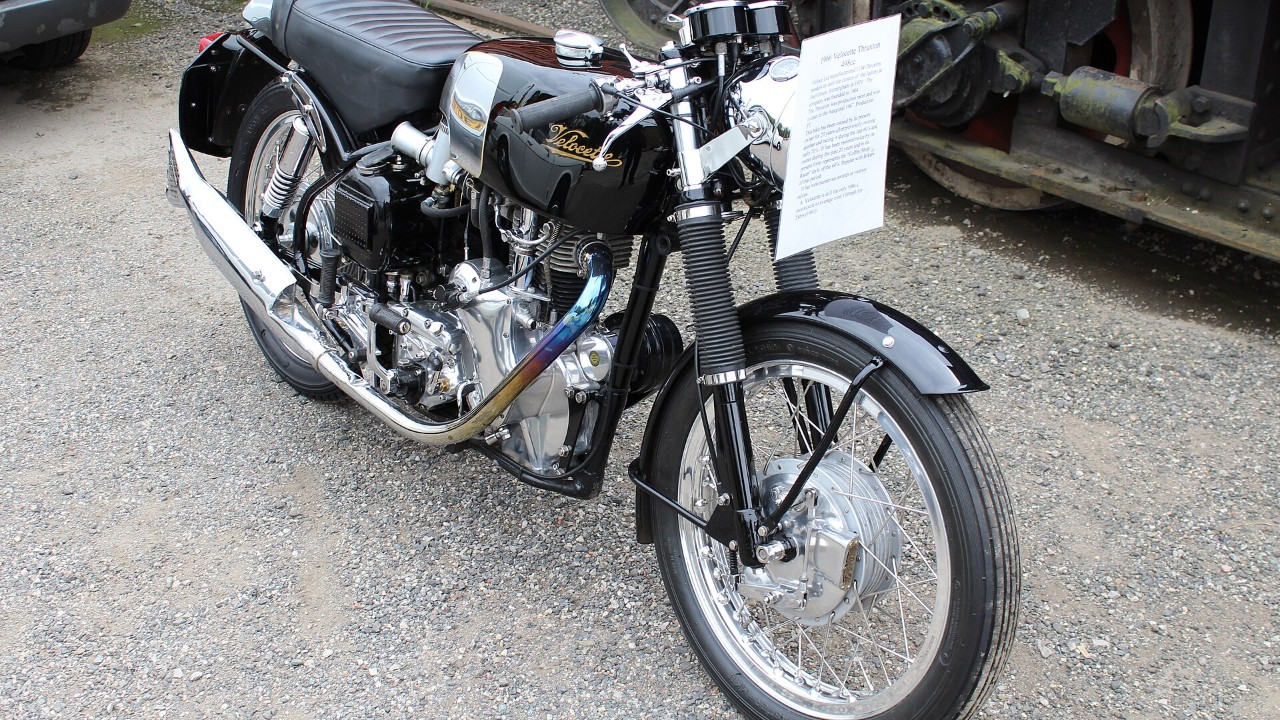
Vintage metal is not moving in lockstep anymore. While a handful of blue-chip classics still command record prices, a surprising slice of older cars has slipped into reach for buyers who once could only window-shop. I see a clear pattern emerging: shifting tastes, new regulations, and the realities of maintaining aging machines are quietly pushing some once-desirable models into the “shockingly affordable” column.
That divergence is reshaping what it means to collect cars. Instead of a rising tide lifting every chrome bumper, the market is rewarding usability, cultural relevance, and scarcity, and punishing anything that feels compromised on those fronts. The result is a growing list of vintage vehicles that look like museum pieces but are priced closer to a used crossover.
How the classic car market split into winners and laggards
The first reason some older cars are cheap today is that the classic market has fractured into clear tiers. At the top are historically important models with strong motorsport links, limited production, or deep pop‑culture roots, which still attract global bidders and headline-grabbing results. Below that, a broad middle of once‑aspirational but mass‑produced cars has softened as buyers become more selective and concentrate their money on the most special variants, leaving ordinary trims to drift downward in price as supply outstrips demand.
Online auction data shows how sharply values can diverge between halo versions and their more common siblings, with rare homologation specials and low‑mileage survivors still drawing intense competition while higher‑production models in average condition sell for modest sums or fail to meet reserve. That split is even more pronounced for cars that were built in large numbers and heavily modified over time, since originality now commands a premium and anything that needs extensive work is discounted heavily compared with well‑documented examples.
Generational taste shifts are sidelining once‑hot nameplates
The second force pushing certain vintage cars into bargain territory is generational taste. Collectors tend to chase the vehicles that mattered when they were young, which means demand gradually migrates from one era to the next. As younger enthusiasts focus on cars from the 1990s and 2000s, some models that captivated buyers in the 1970s and 1980s are losing cultural relevance, especially if they lack standout performance or a strong motorsport story to keep them in the spotlight.
That shift is visible in the way interest has surged for specific 1990s Japanese performance cars and early German sport sedans while more ordinary coupes and convertibles from earlier decades sit longer on the market and transact for less than their owners expect. Models that were once shorthand for success, such as plush personal luxury coupes and chrome‑heavy domestic sedans, now compete for attention with newer icons that offer better performance, safety, and daily usability, which makes it harder for those older cars to justify premium prices outside a small circle of dedicated fans.
Regulation, emissions rules, and the cost of keeping old tech alive
Regulation is another quiet driver of affordability. As emissions and safety standards tighten, some older powertrains and fuel systems become harder to keep compliant or even to keep running, especially in regions that require periodic inspections. Owners who face expensive repairs to carburetors, early fuel injection systems, or complex emissions hardware often decide to sell rather than invest, which increases supply of marginal cars and drags down prices for the entire model range.
Those pressures are compounded by the gradual phase‑out of certain fuels and lubricants that older engines were designed around, along with the rising cost of specialist labor. When a car needs a niche mechanic, rare diagnostic tools, or hard‑to‑source parts just to pass inspection, buyers factor that into what they are willing to pay. In practice, that means some technically interesting but mechanically finicky models now trade for surprisingly low sums compared with simpler contemporaries that can be maintained with off‑the‑shelf components and basic tools.
Electric conversions and restomods are reshaping what “original” is worth
The rise of electric conversions and restomod builds is also changing how the market values certain vintage platforms. For some body styles, especially stylish but slow coupes and city cars, the original powertrain is no longer the main attraction. Builders see them as rolling shells that can accept modern electric drivetrains, updated suspension, and contemporary safety upgrades, which creates a split between collectors who prize originality and a growing group of buyers who simply want the look with modern usability.
That dynamic can depress prices for tired, mechanically worn examples that are not rare enough to justify a factory‑correct restoration but are perfect candidates for modification. As more companies specialize in turn‑key electric classics and high‑end restomods, they often start with cheaper donor cars that lack matching‑numbers provenance or top‑tier performance credentials, reinforcing the idea that some vintage models are worth more as raw material than as historically faithful artifacts.
Where the real value lies for buyers right now
For anyone shopping today, the most compelling value often sits in the gap between nostalgia and pure investment logic. Cars that were built in healthy numbers, have decent parts support, and offer a usable driving experience, but never quite reached blue‑chip status, are now priced at levels that make weekend enjoyment realistic rather than aspirational. I see particular opportunity in models that share components with more famous siblings, since they benefit from the same supply chain without carrying the same speculative premium.
The key is to focus on condition, documentation, and long‑term running costs instead of chasing the lowest entry price. A cheap but neglected example of a complex luxury sedan can quickly erase any savings once deferred maintenance surfaces, while a slightly more expensive, well‑maintained car with a thick service file can remain affordable to own. In a market where some vintage vehicles are unexpectedly attainable, the smartest move is to treat them less like lottery tickets and more like durable goods, bought to be driven and enjoyed rather than parked and endlessly appraised.
More from Fast Lane Only: