Mopar muscle has always thrived on excess, but some factory projects pushed so far past mainstream tastes that they became legends instead of volume sellers. These six cars, all documented in period reporting and factory data, show how extreme power, price, and aero obsession could turn showroom curiosities into blue-chip rarities.
1970 Plymouth Hemi ‘Cuda Convertible

The 1970 Plymouth Hemi ‘Cuda Convertible represents Mopar at its most uncompromising, combining the 426 Hemi with open-air luxury in a package almost no one ordered. Only 14 units were built, a figure that instantly pushed it outside normal muscle car territory. That microscopic production reflected how few buyers were willing to pay big-block money for a car that was difficult to insure and already facing tightening emissions rules.
I see the Hemi ‘Cuda Convertible as a case study in how scarcity can be both intentional and accidental. The car’s brutal performance, thirsty engine, and premium pricing made it a tough sell to everyday drivers who wanted something more practical than a 426-powered convertible. Yet that same mismatch between specification and mainstream demand turned it into one of the most coveted Mopars, illustrating how market rejection can later fuel collector obsession.
1969 Dodge Charger Daytona

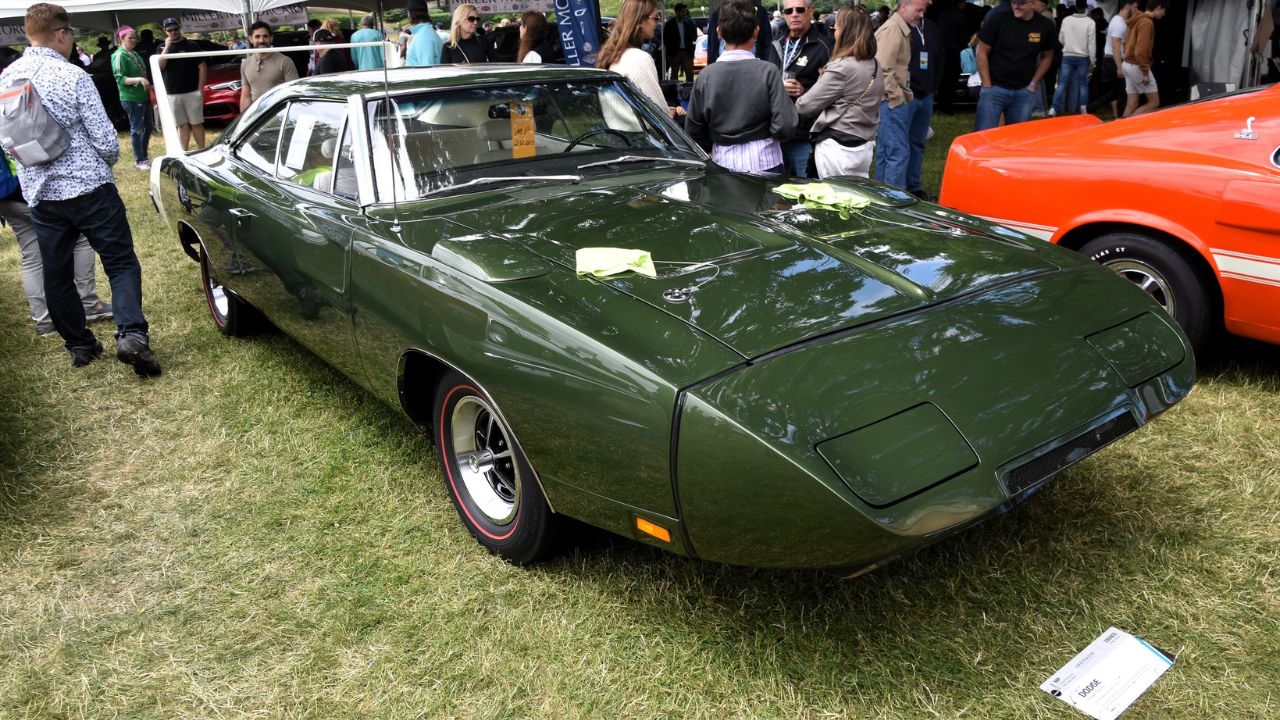
The 1969 Dodge Charger Daytona was engineered first for NASCAR and only secondarily for public roads, which is why it felt so out of place in regular traffic. Built in a limited run of 503 units to satisfy homologation rules, it wore a towering rear wing reported at roughly 23 inches tall and a wind-cheating nose cone. Those aero pieces were perfect for high-speed ovals but visually jarring in dealership lots filled with more conventional Chargers.
For mainstream buyers, the Daytona’s radical bodywork and racing focus created real tradeoffs. The long nose and massive wing complicated parking and invited unwanted attention, while insurance companies were already wary of big-block Chargers. I view the Daytona as proof that pure racing logic rarely aligns with suburban expectations, yet its limited production and singular purpose now make it one of the clearest examples of Mopar building a street car primarily to win on Sunday.
1968 Dodge Dart GTS
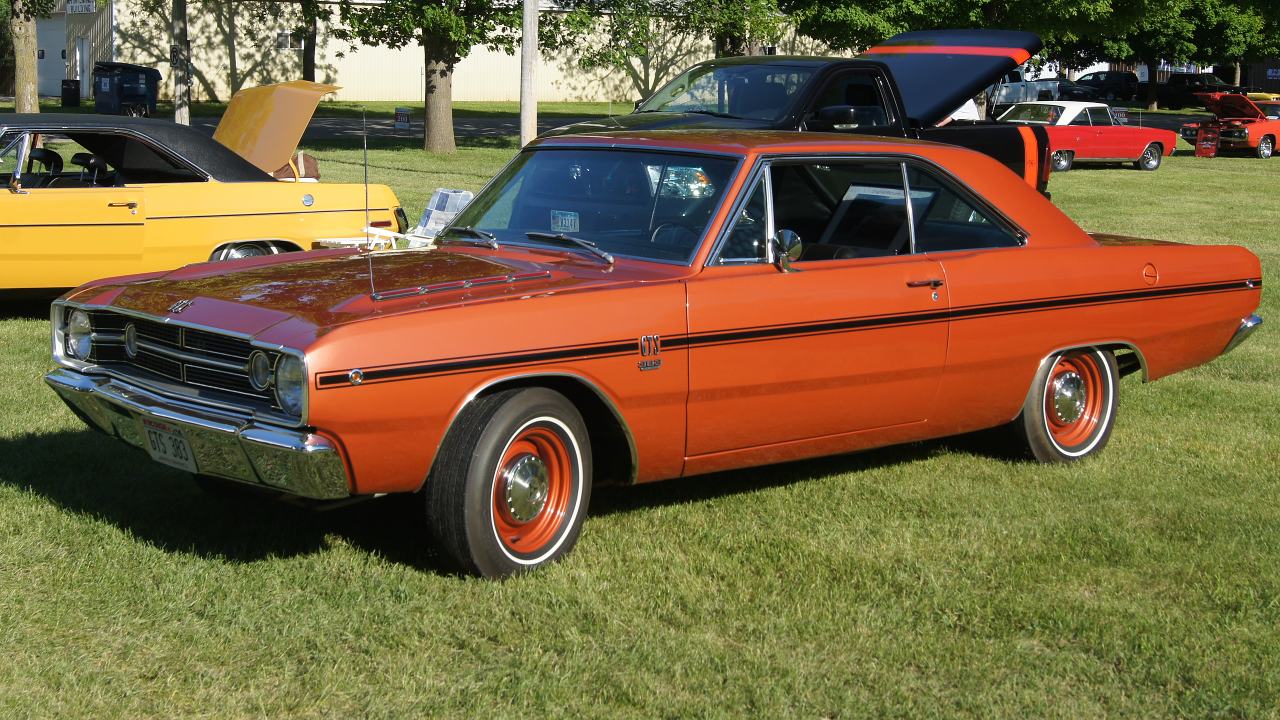
The 1968 Dodge Dart GTS with the 426 Hemi V8 crammed huge power into a compact shell, creating a car that appealed to drag racers more than daily commuters. According to period figures, the Hemi Dart GTS carried a price north of $4,000, and total sales for the GTS line stayed under 10,000 units. That combination of high cost and uncompromising performance led to the Hemi configuration lasting only a single model year.
From my perspective, the Dart GTS shows how far Mopar was willing to go to dominate quarter-mile competition, even if it meant alienating typical compact-car shoppers. The 426 Hemi made the lightweight Dart brutally quick but also noisy, temperamental, and expensive to insure. As emissions and safety pressures mounted, there was little room in the lineup for such a focused package, so the car’s brief life underscores how quickly the market was shifting away from raw, small-body muscle.
1971 Plymouth GTX Hemi
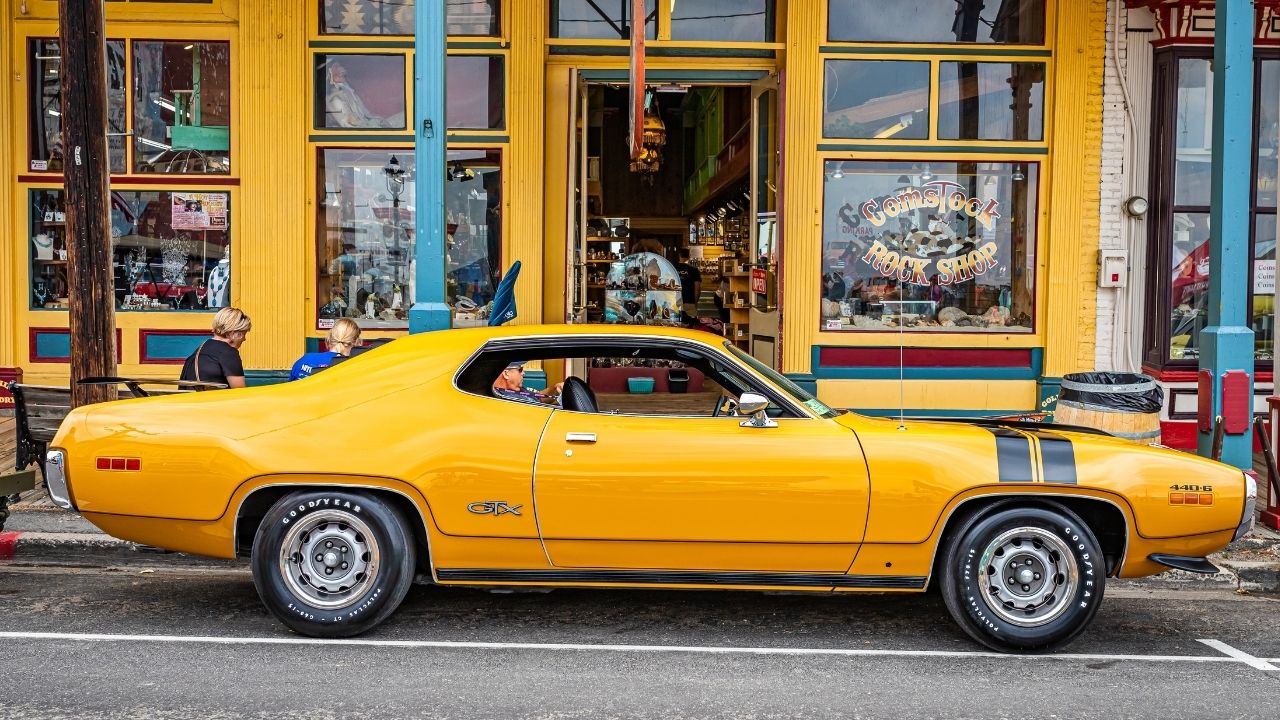
The 1971 Plymouth GTX Hemi marked the final chapter for factory-installed 426 Hemi power in this upscale B-body. Production was tiny, with only 10 convertibles and 22 coupes built before Hemi output ended in 1971 under tightening emissions regulations. That abrupt cutoff meant buyers had just a sliver of time to order one, and most mainstream customers were already gravitating toward smaller engines and lower insurance premiums.
I see the 1971 GTX Hemi as a victim of forces far beyond showroom appeal. Regulators, insurers, and fuel concerns were converging, and a high-compression 426 in a relatively heavy, well-equipped car no longer fit the political or economic climate. The car’s rarity reflects how quickly the muscle era’s top-tier engines were sidelined, turning surviving examples into historical markers of the moment when unrestrained factory performance effectively ended.
1970 Plymouth Road Runner Superbird
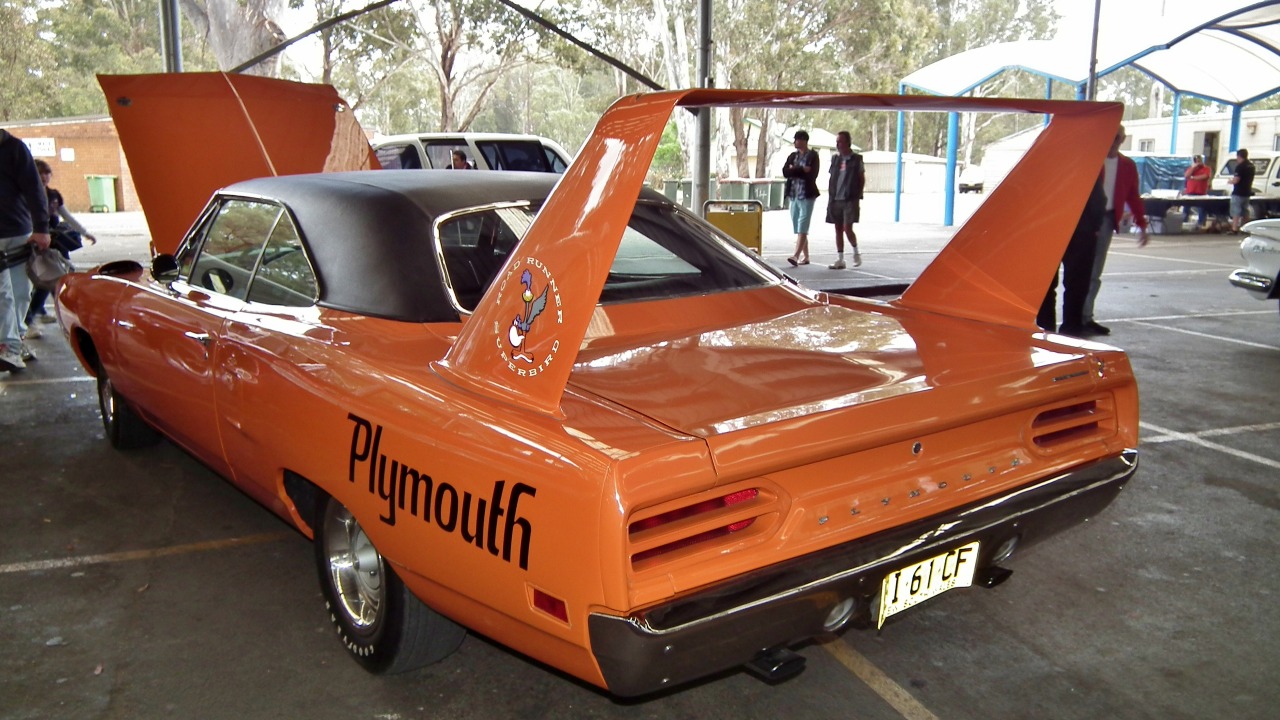
The 1970 Plymouth Road Runner Superbird translated NASCAR aero tricks into a street-legal package that many buyers found too extreme. Factory records show that 1,920 cars were built with the 440 Six Pack engine, pairing triple carburetors with a towering rear wing and pointed nose. Those features delivered real high-speed stability but also created a polarizing look that dealers sometimes struggled to move off their lots.
For everyday drivers, the Superbird’s long nose, nosecone fitment, and oversized rear wing could feel impractical and even embarrassing in traffic. I view its limited appeal as evidence that race-inspired styling has a hard ceiling in the mass market, especially when combined with rising insurance costs. Yet the same elements that once scared off buyers now define the car’s identity, making it a symbol of how far Mopar would go to chase NASCAR dominance, even at the expense of showroom comfort.
1967 Plymouth Belvedere GTX Prototype
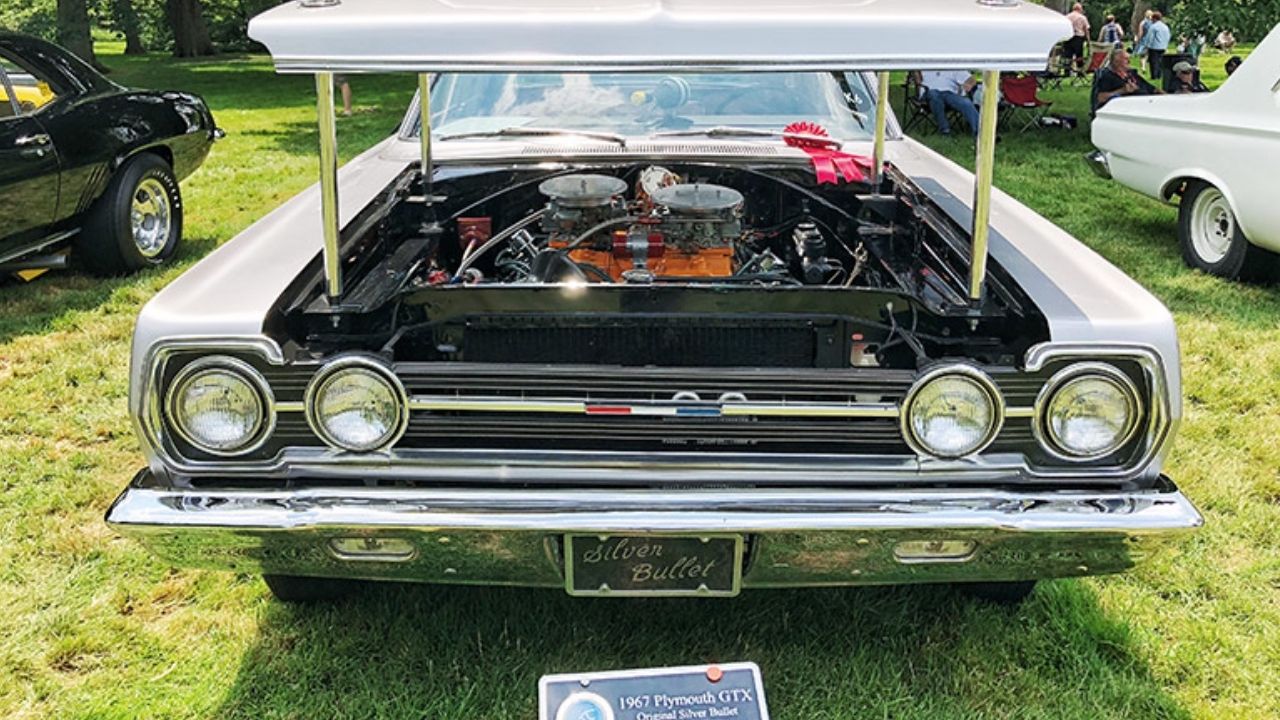
The 1967 Plymouth Belvedere GTX prototype pushed styling and performance beyond what executives ultimately approved for production. Internal testing described in period coverage highlighted experimental bodywork and aggressive tuning that stayed in the prototype phase. Those elements previewed where Mopar engineers wanted to go with the GTX concept, but they were judged too radical for the market conditions of the late 1960s.
In my view, the Belvedere GTX prototype illustrates the gap between engineering ambition and corporate risk tolerance. Wild styling cues and hotter mechanical setups might have thrilled a small group of enthusiasts, yet they threatened to alienate buyers who saw the GTX as a more refined performance option. By shelving the most extreme ideas, Plymouth kept the production car safer for mainstream tastes, while the prototype remains a reminder of how much wilder Mopar muscle could have been if internal decision makers had followed the engineers’ lead.
More from Fast Lane Only: