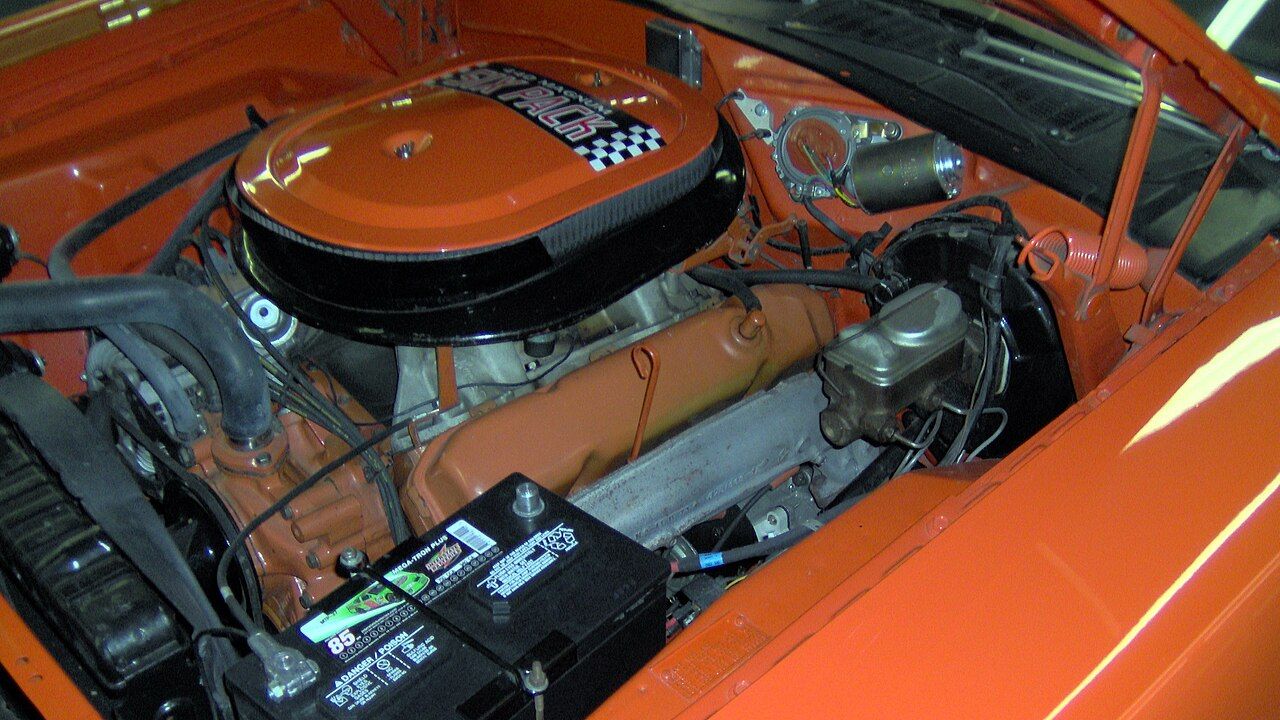
The Dodge 440 Six Pack is a legendary engine in the world of muscle cars, known for its power and distinctive performance. However, its journey to production was fraught with challenges that nearly derailed its introduction to the market.
The Birth of the 440 Six Pack
The Dodge 440 engine has a storied history, tracing its roots back to the early 1960s when Chrysler sought to create a powerful, high-displacement V8 engine. The 440 cubic inch engine was designed to deliver impressive torque and horsepower, making it a formidable choice for performance enthusiasts. By the time the 440 Six Pack was conceptualized in the late 1960s, Dodge was keenly focused on solidifying its place in the burgeoning muscle car market. This led to the introduction of the Six Pack, featuring a unique triple carburetor setup that would distinguish it from other performance engines.
The Six Pack configuration, which included three two-barrel carburetors, provided a significant boost in power delivery and throttle response. This innovative design not only enhanced performance but also catered to the growing demand for high-performance vehicles during the golden age of muscle cars. The 440 Six Pack was created with Dodge’s racing aspirations in mind, aiming to compete with the likes of Ford’s 428 Cobra Jet and Chevrolet’s big-block offerings. The goal was clear: to produce an engine that could dominate both on the street and the track.
Market Competition and Industry Trends
The late 1960s and early 1970s marked a pivotal time for the American automobile industry, particularly in the muscle car segment. As manufacturers like Ford, Chevrolet, and Pontiac raced to produce the most powerful and aesthetically appealing muscle cars, the competition became fierce. Dodge was no exception, seeking to carve out its niche with the introduction of the 440 Six Pack. However, the market was rapidly evolving, and the rise of fuel economy standards posed a significant challenge for high-displacement engines. The 1973 oil crisis further complicated matters, causing many consumers to rethink their purchasing decisions.
In response to these changing dynamics, Dodge had to carefully consider its performance offerings. The 426 Hemi engine had already established itself as a performance benchmark, and many feared that the introduction of the 440 Six Pack might cannibalize sales of the Hemi. Additionally, with increasing pressure from federal regulations regarding fuel emissions and efficiency, Chrysler Corporation had to weigh the potential profitability of the Six Pack against the broader market trends. The 440 Six Pack ultimately had to prove itself as not just a powerful engine, but also a viable product in an increasingly environment-conscious marketplace.
Engineering Challenges
The development of the 440 Six Pack was not without its engineering challenges. While the triple carburetor setup initially promised impressive power gains, it also introduced complexities in tuning and reliability. Engineers had to ensure that the engine could deliver consistent performance across various conditions without sacrificing drivability. Achieving the right balance between power and everyday usability was a significant hurdle that required extensive testing and refinement.
Furthermore, the Six Pack’s design necessitated careful consideration of airflow, fuel delivery, and engine cooling. Engineers experimented with different configurations and components to optimize performance while maintaining reliability. Feedback from test drivers played a crucial role in shaping the final product, as they reported on aspects such as throttle response and engine smoothness. Ultimately, the commitment to overcoming these technical hurdles would define the 440 Six Pack’s performance legacy.
Corporate Decisions and Management Influence
Within Chrysler Corporation, the decision-making process regarding the 440 Six Pack was influenced by a combination of corporate strategy and market realities. Key executives were tasked with overseeing the development of Dodge’s performance lineup, and their vision for the brand’s future played a crucial role in determining the fate of the Six Pack. Executives had to consider not only the engineering challenges but also the financial implications of producing yet another high-performance engine in a declining market.
Financial forecasts indicated that while the muscle car craze was still vibrant, it was beginning to wane. As a result, some executives expressed concern over the potential return on investment for the 440 Six Pack. However, others believed that a strong performance engine could rejuvenate interest in the Dodge brand and attract a loyal customer base. Ultimately, the compelling arguments for the Six Pack’s production prevailed, ensuring that Dodge would have a competitive option in the muscle car arena.
Legacy and Impact
The 440 Six Pack has left a lasting mark on the muscle car market and continues to be celebrated among collectors and enthusiasts today. Its unique configuration and performance capabilities have made it a sought-after engine in various classic Dodge models, including the iconic Dodge Challenger and the Dodge Charger. The Six Pack’s distinct sound and performance characteristics have solidified its reputation as one of the most engaging engines of its time.
Compared to other high-performance engines in Dodge’s lineup, the 440 Six Pack stands out for its combination of power and versatility. While the 426 Hemi may be the more famous option, the 440 Six Pack offered a slightly more accessible performance experience, which contributed to its popularity. As muscle car culture continues to thrive, the 440 Six Pack remains a symbol of American automotive prowess, finding its way into various forms of popular culture, from movies to car shows. The enduring popularity of the Six Pack can also be seen in the collector market, where rare models featuring this engine command impressive prices. For example, a rare Dodge Challenger R/T recently became an internet sensation due to its Six Pack engine, further solidifying the engine’s status among enthusiasts.
In the context of American automotive history, the 440 Six Pack represents a significant chapter in the evolution of muscle cars. It highlights the intense competition of the era and the engineering ingenuity that went into creating an engine capable of delivering thrilling performance while navigating corporate and market challenges. The Six Pack’s legacy serves as a reminder of a time when power and speed were paramount, and it continues to inspire a new generation of automotive enthusiasts.
Reflecting on the journey of the 440 Six Pack, it’s fascinating to consider what could have happened had it not made it to production. The absence of such a powerful engine would have left a noticeable void in Dodge’s performance lineup and might have altered the trajectory of muscle car history. Ultimately, the factors that contributed to its eventual release—engineering innovation, strategic corporate decisions, and a passionate market—came together to ensure that the 440 Six Pack would be remembered as one of the defining engines of its time.
More from Fast Lane Only
- Unboxing the WWII Jeep in a Crate
- 15 rare Chevys collectors are quietly buying
- 10 underrated V8s still worth hunting down
- Police notice this before you even roll window down
*Research for this article included AI assistance, with all final content reviewed by human editors.