In the world of motorsport, safety is paramount, and safety cars play a crucial role in maintaining it. However, a closer look reveals that different racing series employ varying types of safety cars, each tailored to the unique demands of the sport. These differences contribute significantly to the overall safety and integrity of the races, revealing a complex interplay of factors that influence safety car selection and their operational roles.
The Role of Safety Cars in Motorsport
Ensuring On-Track Safety
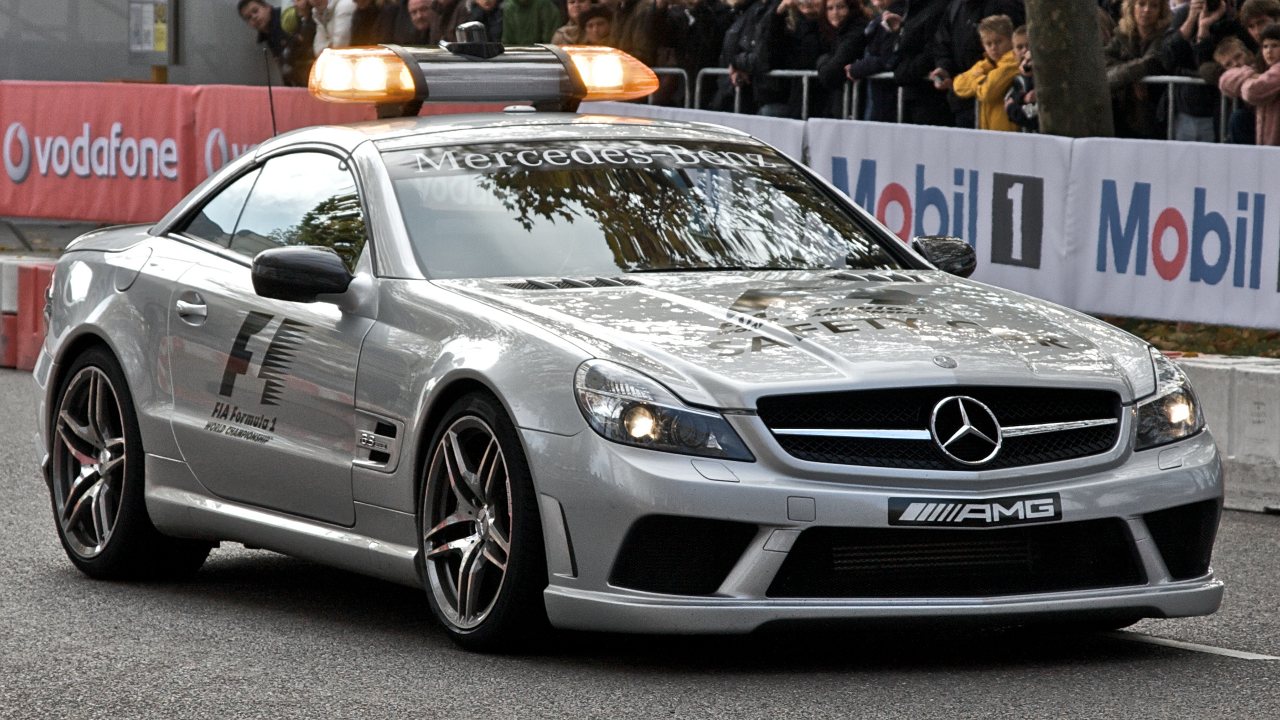
Safety cars are indispensable in the realm of motorsport, primarily serving as the first line of defense in hazardous situations. They are deployed during dangerous conditions, such as adverse weather or after on-track accidents, to control the race pace and protect drivers and marshals. This intervention is crucial to maintaining on-track safety, as it allows for the safe removal of debris and the assistance of any drivers in distress.
Maintaining Race Integrity
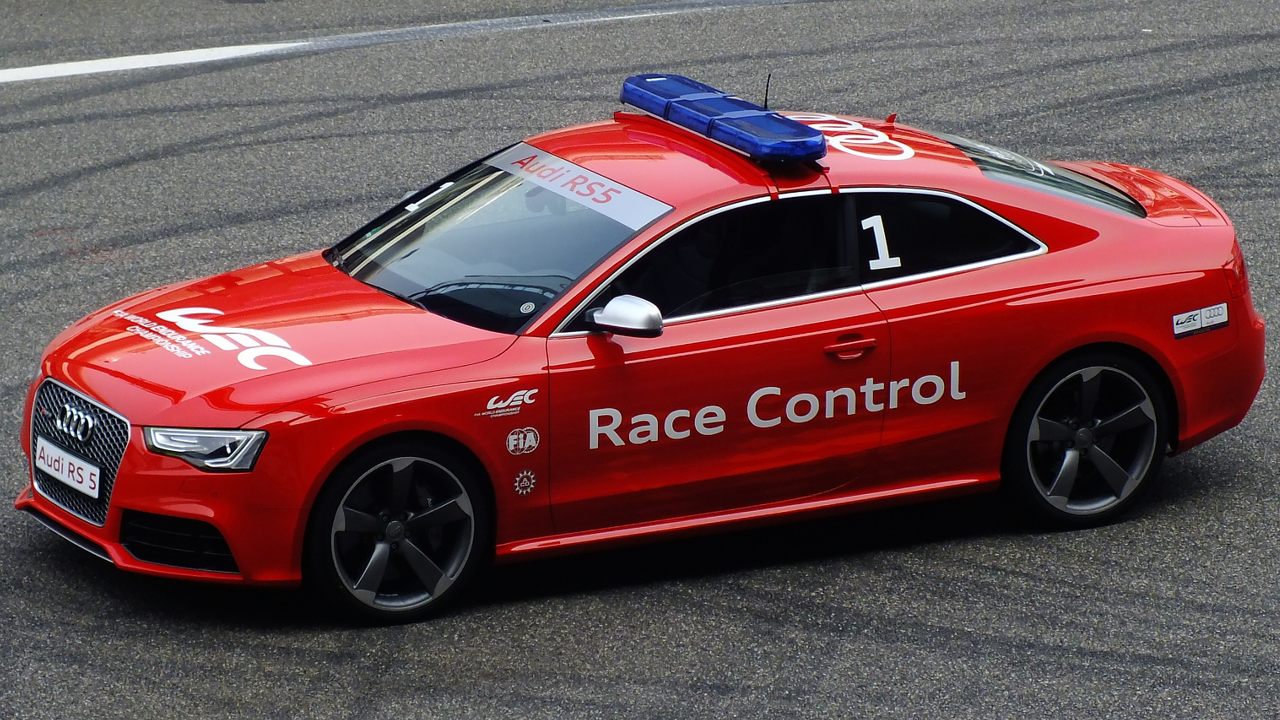
Beyond ensuring safety, safety cars play a vital role in preserving the competitive balance of a race. When deployed, they bunch up the field, effectively neutralizing any significant time gaps that may have developed. This function is crucial in preventing any driver from gaining an unfair advantage due to external factors, such as a sudden weather change. By maintaining the integrity of the competition, safety cars ensure that the outcome of the race remains fair and based on merit.
Facilitating Race Restart Procedures
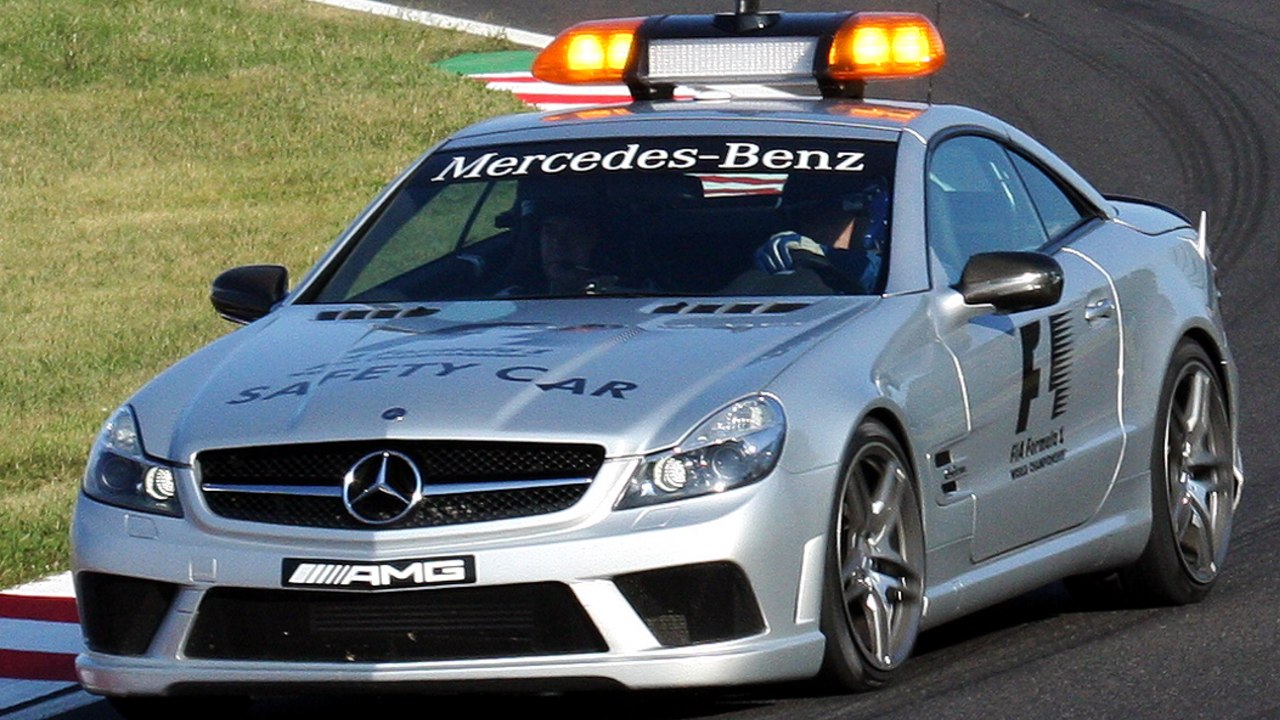
Another critical function of safety cars is to manage the field during caution periods and ensure orderly restarts. By controlling the pace and position of cars on the track, safety cars help organize a seamless transition back to racing conditions. This process not only enhances safety but also adds a strategic element, as teams and drivers must carefully time their actions to capitalize on the restart.
Factors Influencing Safety Car Selection
Different Racing Environments
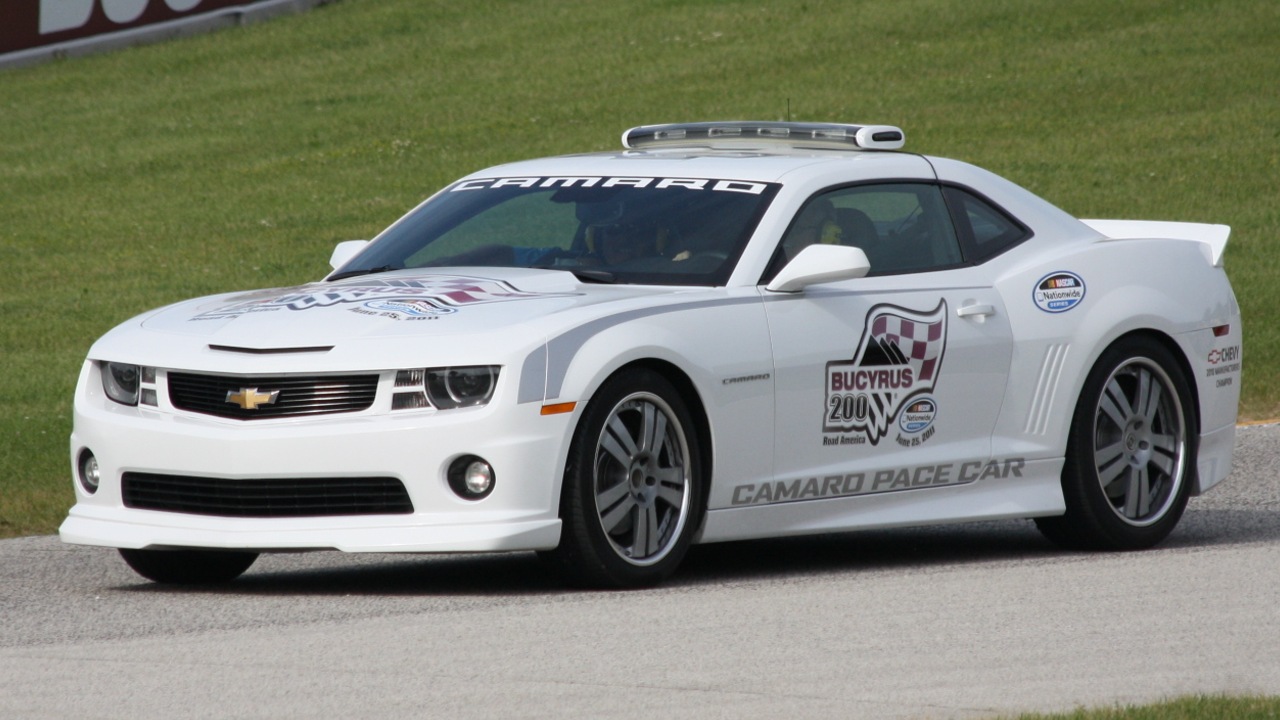
Various racing series operate in diverse environments, each with unique track characteristics and weather conditions that influence safety car selection. For instance, a street circuit like Monaco requires a nimble and compact safety car due to its tight corners and narrow lanes. In contrast, an oval track in NASCAR demands a robust vehicle capable of maintaining high speeds. These environmental factors necessitate a tailored approach to safety car deployment, ensuring that each series is equipped with vehicles that can handle specific challenges.
Technical Specifications and Performance Needs
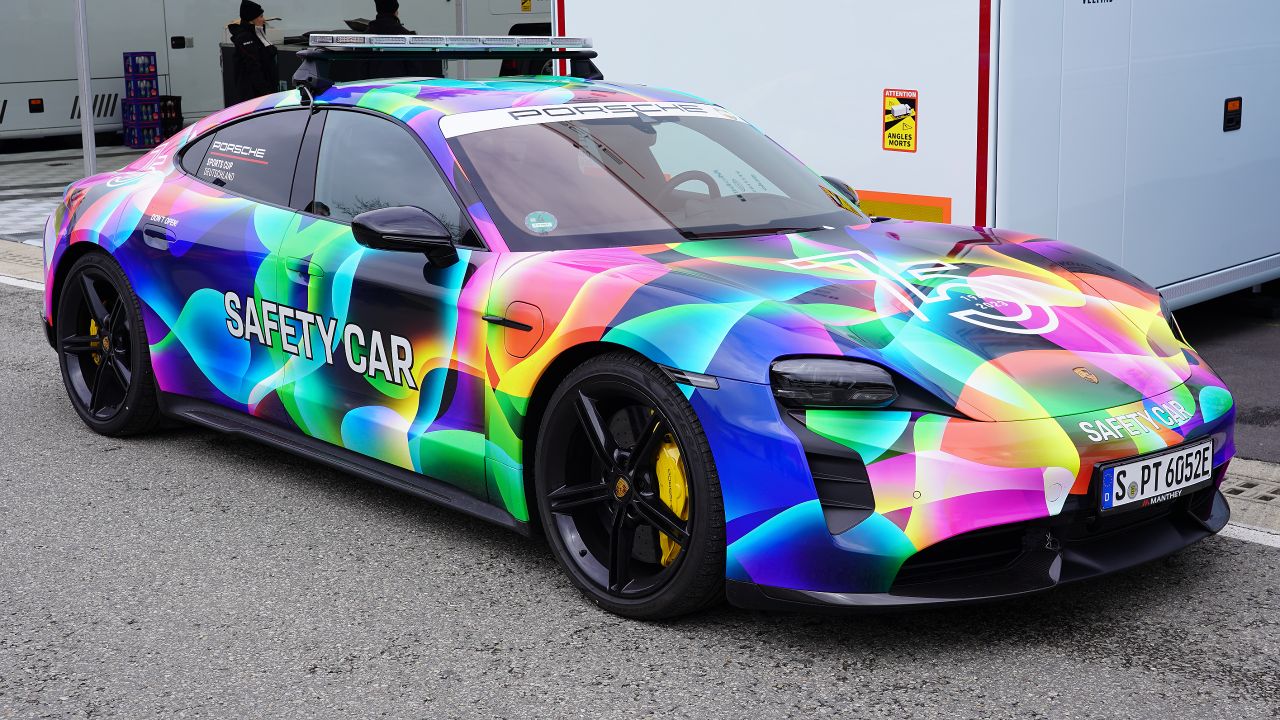
The technical demands of a racing series also dictate the choice of safety cars. Formula 1, for example, requires safety cars that can accelerate rapidly and maintain a high speed to match the performance of the race cars. This necessity has led to the selection of high-performance vehicles like the Mercedes-AMG GT R. On the other hand, NASCAR prioritizes durability and reliability, often opting for American muscle cars like the Chevrolet Camaro. These differing specifications reflect the unique performance needs of each series.
Brand Partnerships and Sponsorships
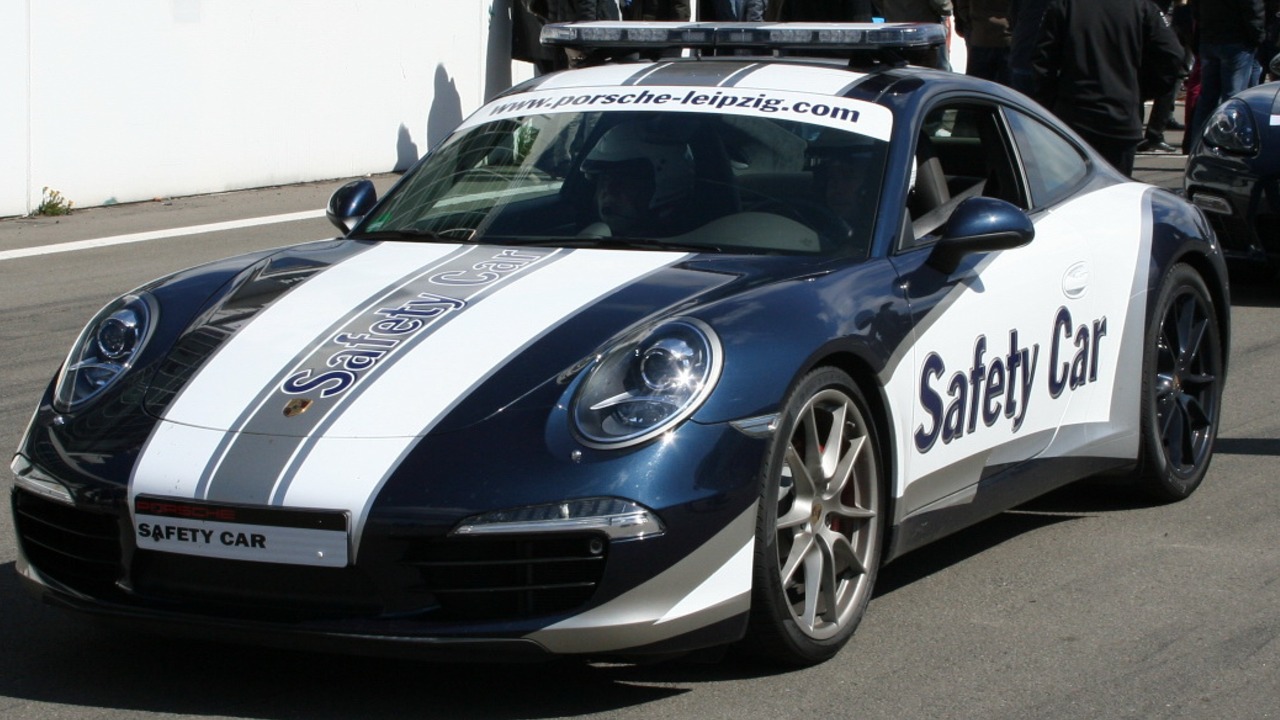
Commercial agreements and sponsorships also play a significant role in determining the choice of safety cars. Automakers often leverage safety car partnerships to showcase their brand and technology. For instance, the partnership between Formula 1 and Mercedes-Benz not only highlights the brand’s engineering prowess but also reinforces its association with high-performance motorsport. Similarly, promotional considerations can influence the selection of safety cars in other series, as manufacturers seek to align their image with the sport’s prestige.
Case Studies: Comparing Safety Cars Across Series
Formula 1 vs. NASCAR
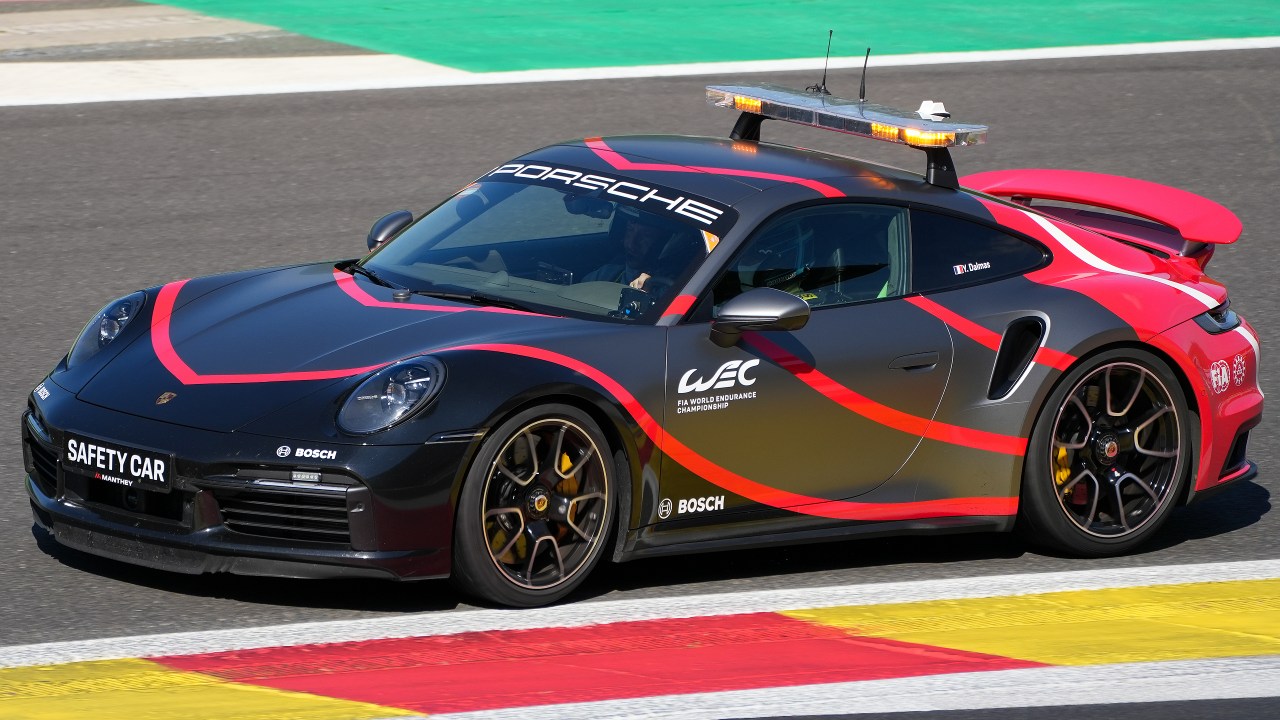
The contrast between safety cars in Formula 1 and NASCAR is stark, revealing differences in design, speed, and technological features. Formula 1 employs the Mercedes-AMG GT R, a vehicle known for its agility, acceleration, and cutting-edge technology. In contrast, NASCAR utilizes cars like the Chevrolet Camaro, which emphasize power and durability. These differences underscore the distinct demands of each racing series, with Formula 1 prioritizing speed and precision, while NASCAR focuses on robustness and endurance.
Endurance Racing and Le Mans
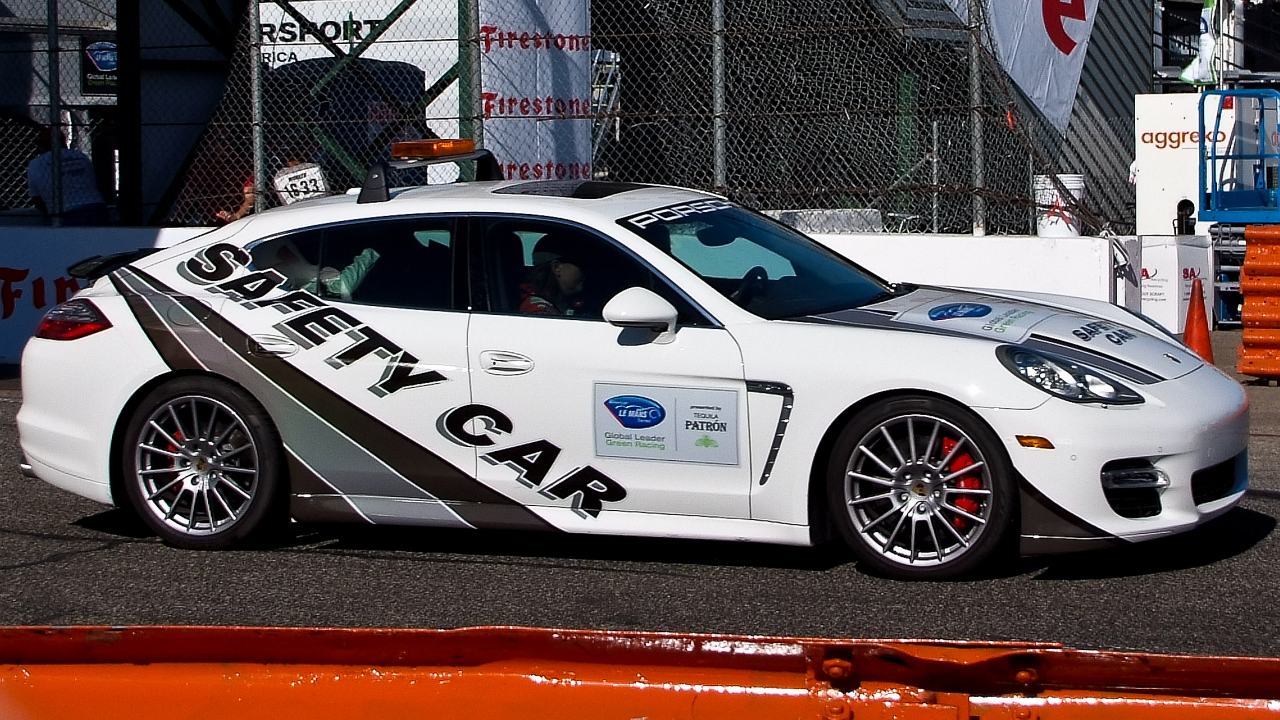
Endurance racing, exemplified by events like the 24 Hours of Le Mans, presents unique challenges that shape safety car selection. The safety cars used in these races must endure long hours and varying conditions, necessitating vehicles that are both reliable and versatile. Often, these cars are equipped with advanced communication and navigation systems to coordinate seamlessly with race control, ensuring that they can effectively manage the extended duration of the event.
Electric Racing Series
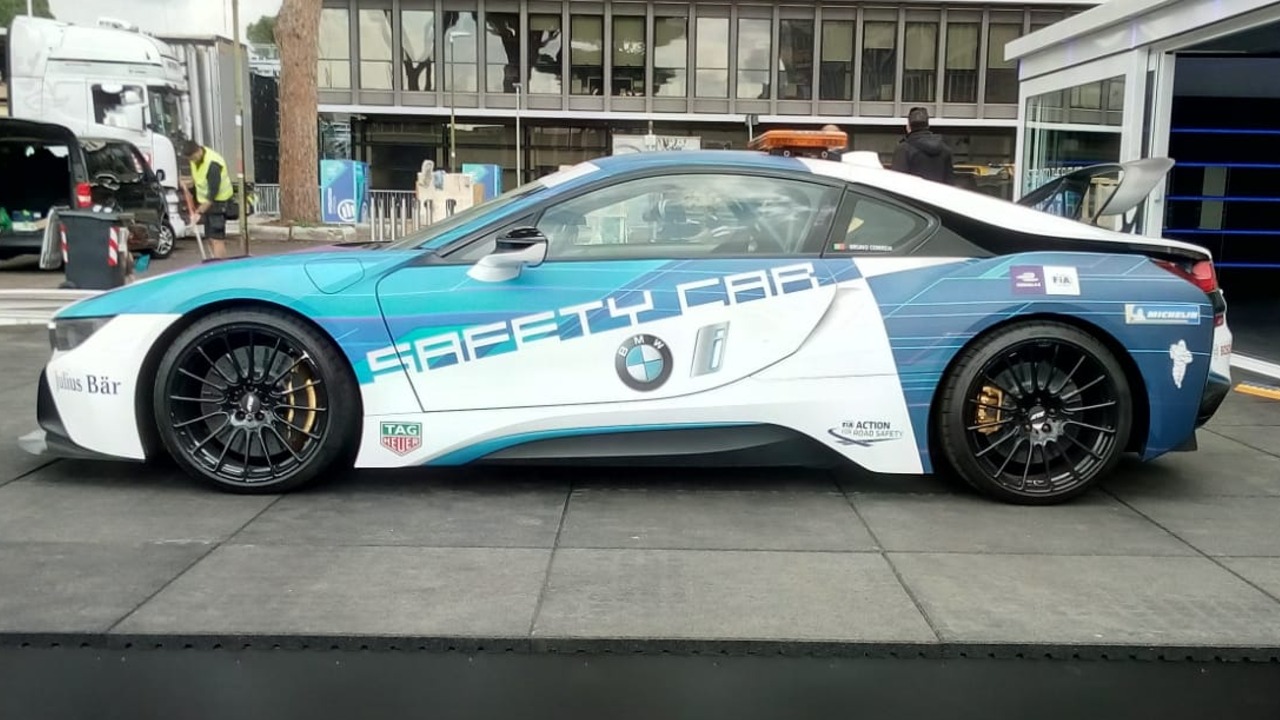
In electric racing series like Formula E, the requirements for safety cars are distinctly different from traditional motorsport. These series often use electric or hybrid vehicles as safety cars to align with their sustainability goals. The BMW i8, used in Formula E, exemplifies this approach by combining performance with environmentally friendly technology. This choice reflects the series’ commitment to innovation and sustainability, setting a precedent for future developments in safety car technology.
Technological Innovations in Safety Cars
Advanced Communication Systems
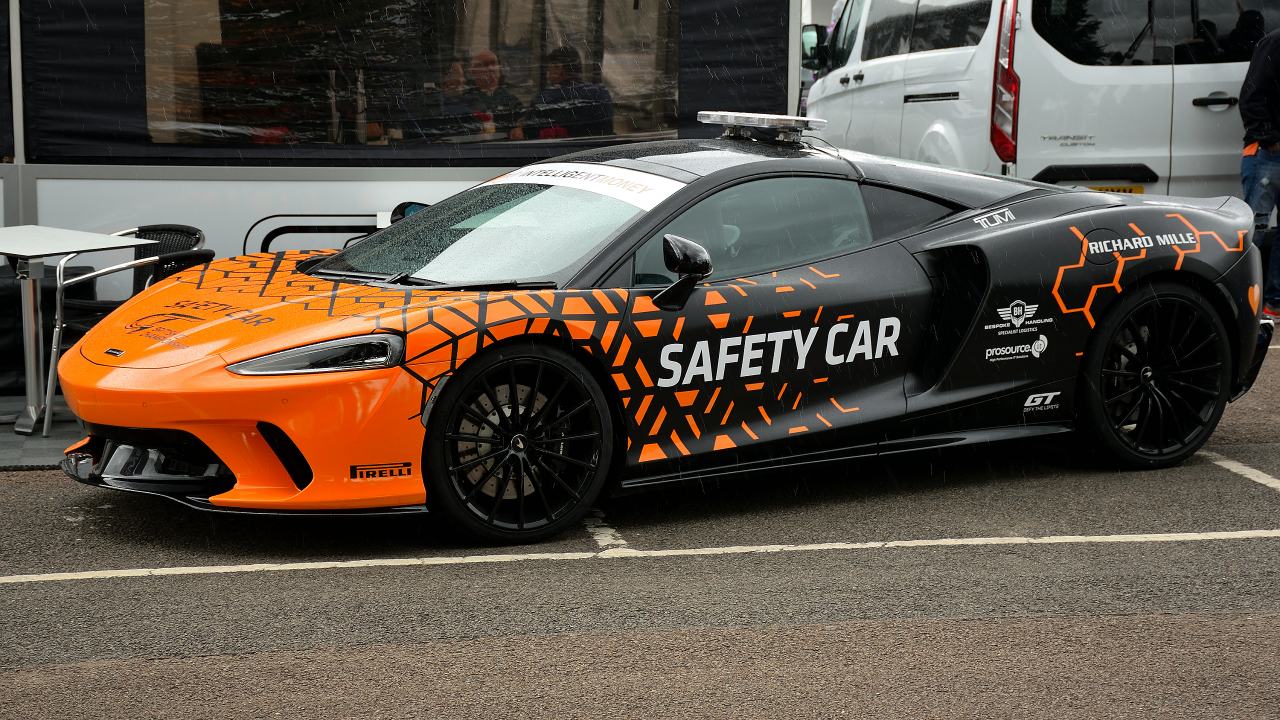
Modern safety cars are equipped with advanced communication systems that enhance coordination and response times. These systems, often integrated with race control, allow for real-time updates and instructions. The development of these technologies has been crucial in improving the efficiency of safety car deployment, ensuring that they can respond swiftly to changing race conditions.
Hybrid and Electric Safety Cars
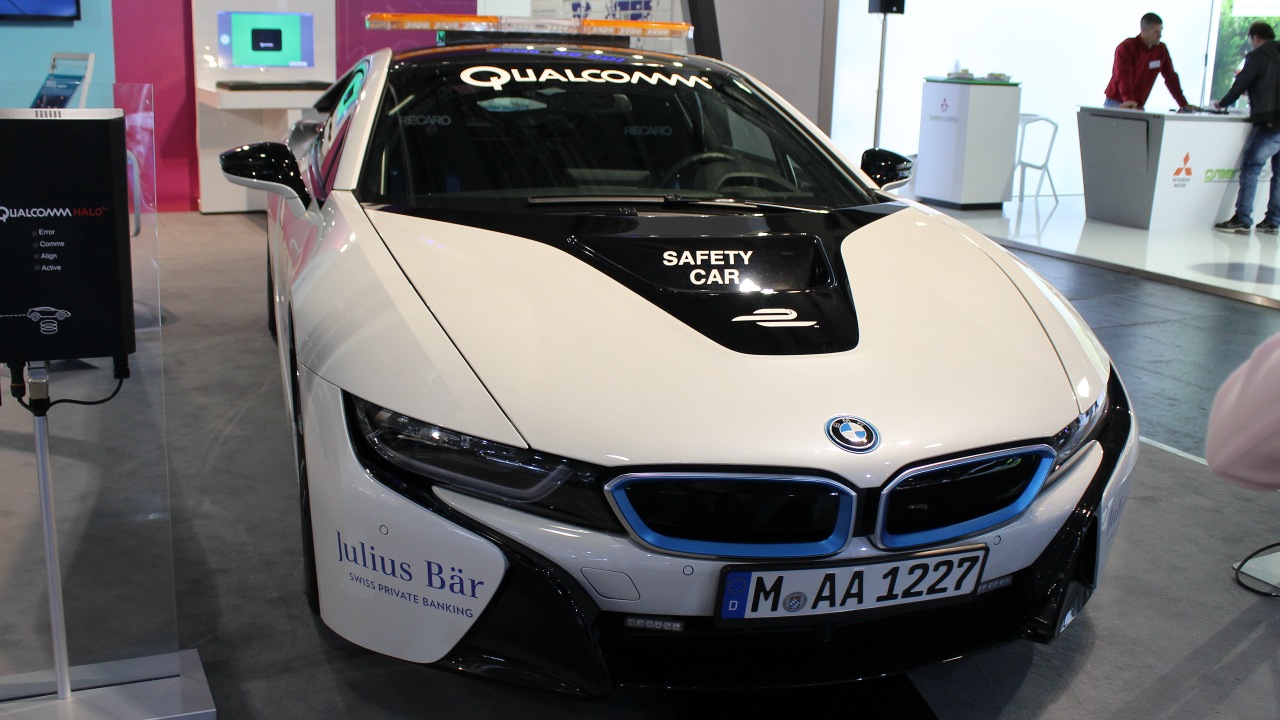
The shift towards environmentally friendly safety cars is gaining momentum, driven by the broader push for sustainability in motorsport. Hybrid and electric safety cars represent a significant technological advancement, offering a balance between performance and reduced environmental impact. The use of vehicles like the BMW i8 in Formula E highlights this trend, showcasing how technological innovation is paving the way for a greener future in motorsport.
Integration of Autonomous Features
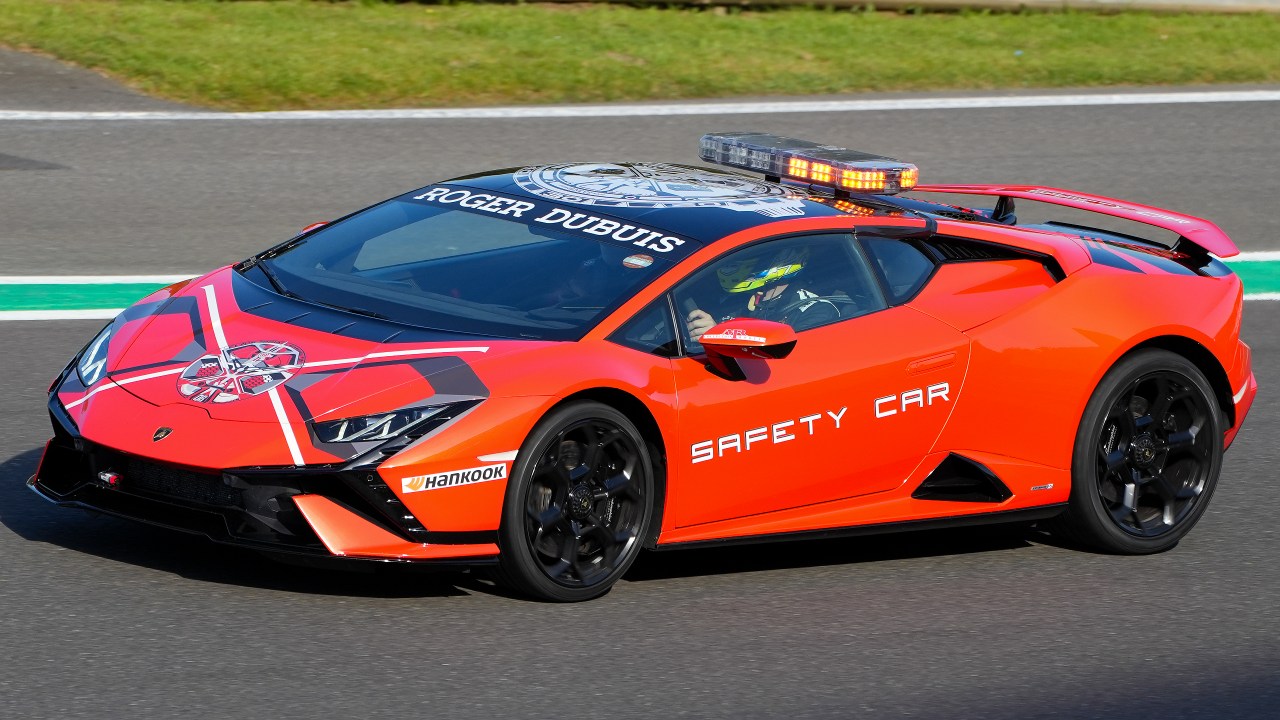
The potential integration of autonomous features in safety cars is an exciting prospect for the future of motorsport. Semi-autonomous safety cars could enhance safety by reducing human error and improving response times. While still in the experimental stages, these technologies hold promise for revolutionizing the role of safety cars, making them more effective in managing race conditions and ensuring driver safety.
The Future of Safety Cars in Motorsport
Evolving Safety Standards
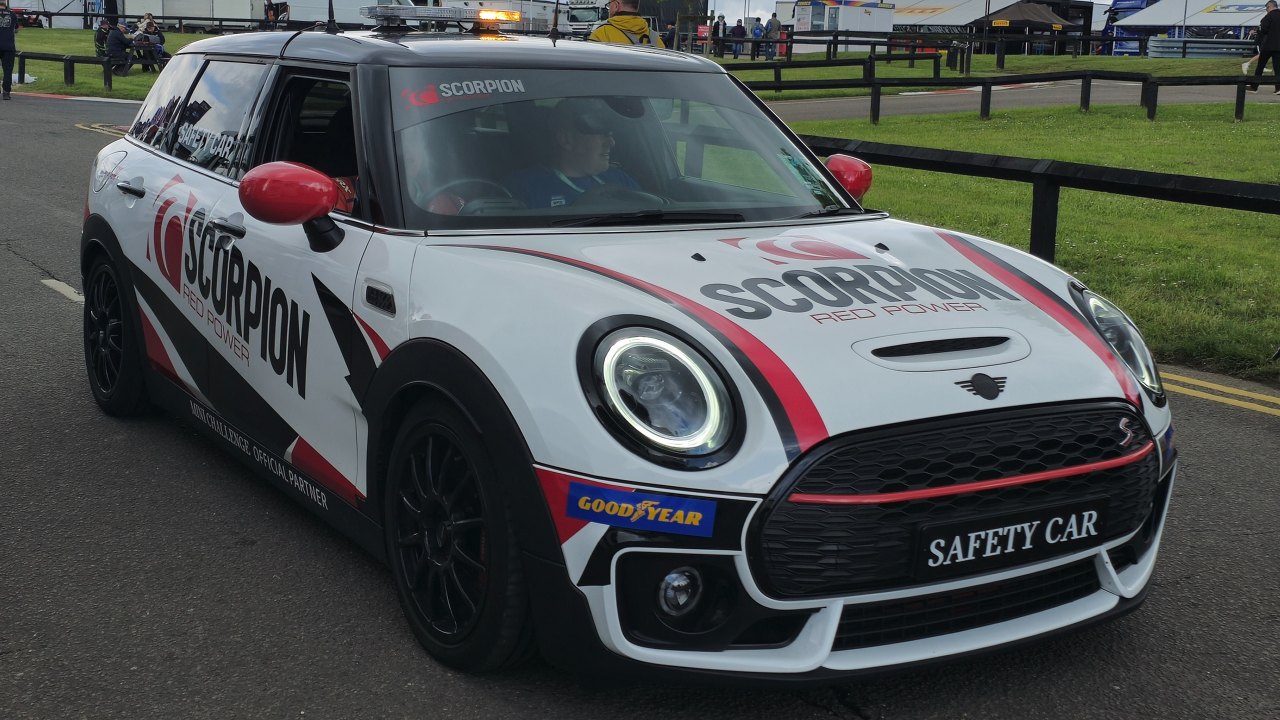
As safety standards continue to evolve, so too will the design and functionality of safety cars. Regulatory bodies are increasingly focused on enhancing safety measures, which will likely lead to new innovations in safety car technology. These advancements will not only improve safety but also enhance the overall racing experience for drivers and fans alike.
Incorporating New Technologies
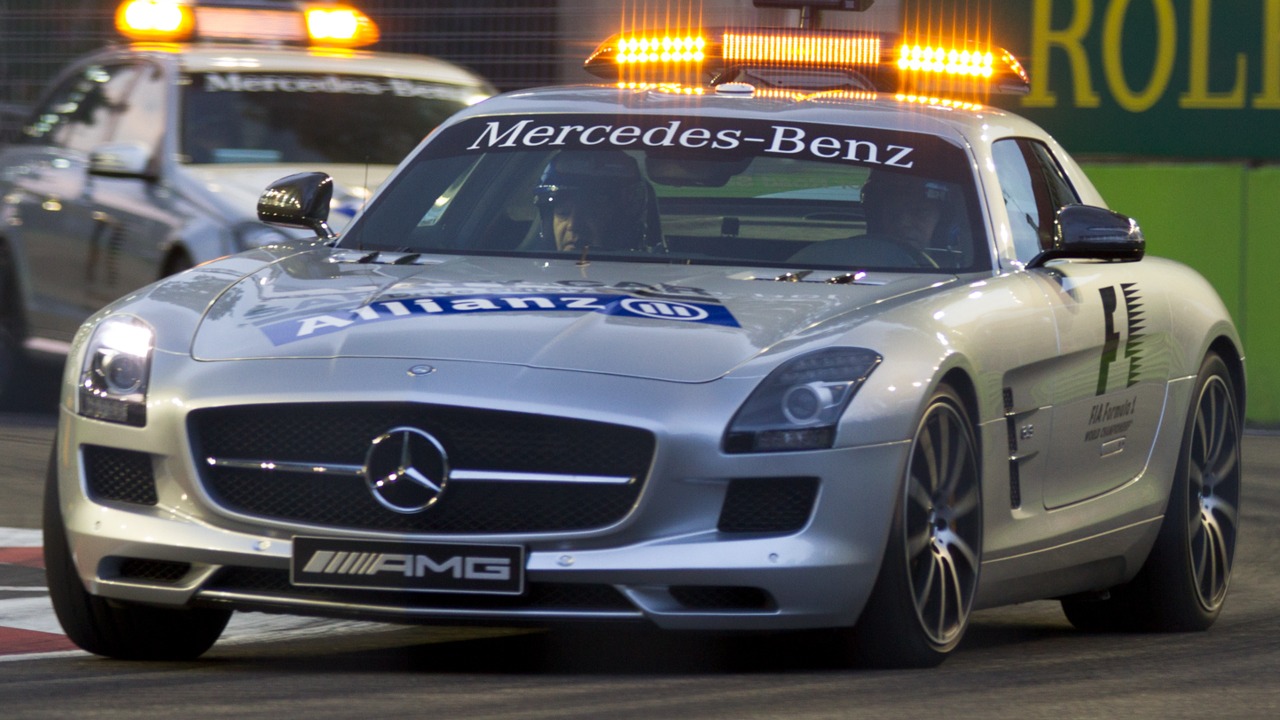
The incorporation of emerging technologies into safety cars is expected to drive further improvements in their effectiveness and efficiency. Innovations such as advanced sensors, artificial intelligence, and enhanced communication systems will play a pivotal role in shaping the future of safety cars. These technologies have the potential to transform how safety cars operate, making them more responsive and capable of handling complex race scenarios.
Globalization and Standardization Efforts
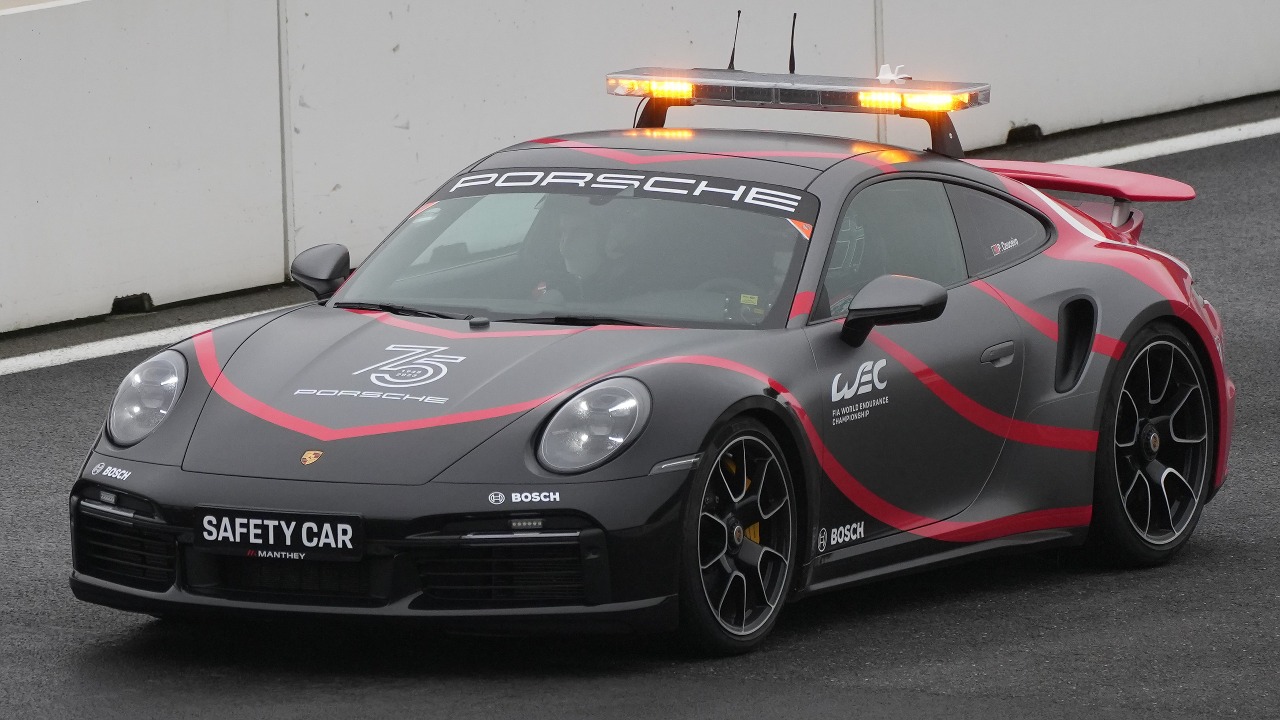
The possibility of global standardization in safety car protocols presents both opportunities and challenges. While standardization could streamline operations and enhance safety across different series, it also requires careful consideration of the unique demands of each racing environment. The balance between maintaining the distinctiveness of individual series and achieving a unified approach to safety will be crucial in shaping the future of motorsport safety cars.
Like Fast Lane Only’s content? Be sure to follow us.
Here’s more from us:
*Created with AI assistance and editor review.