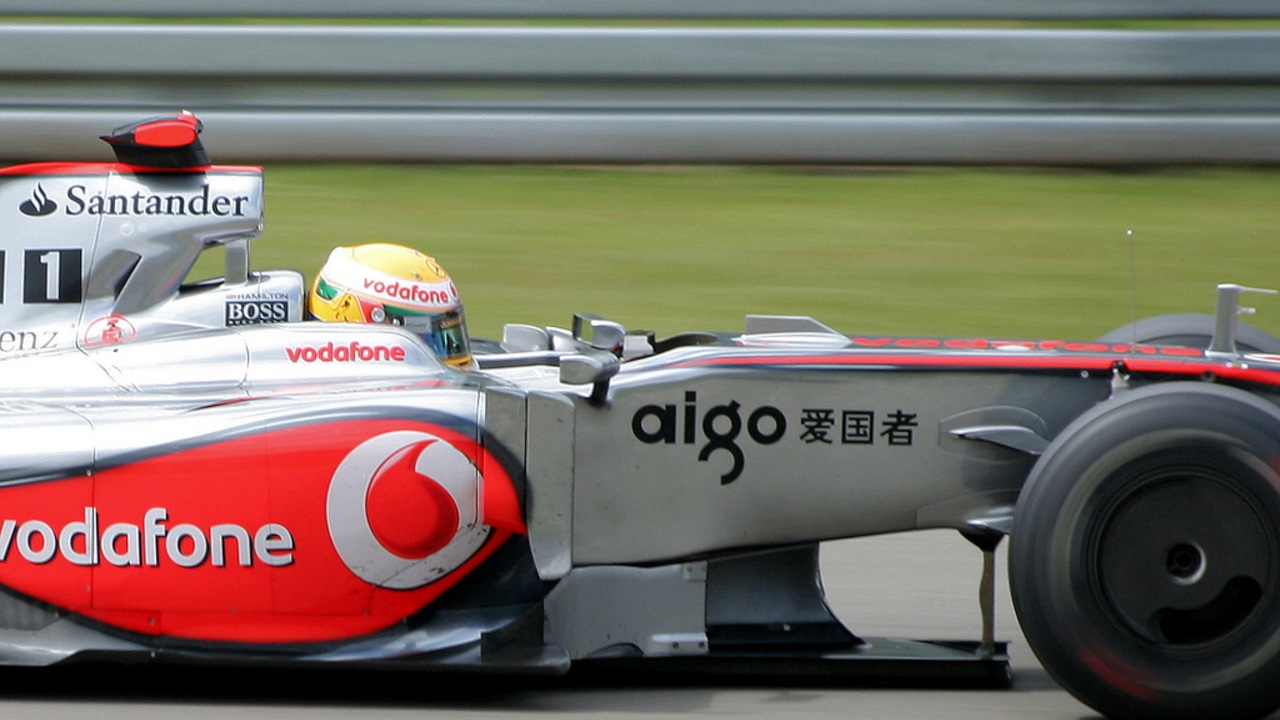
Formula 1 teams operate in a competitive environment where a fraction of a second can decide championships, and that reality turns technical knowledge into one of the sport’s most valuable currencies. The absence of traditional patent protection, the rise of sophisticated data systems, and the growing role of artificial intelligence have pushed teams to guard their innovations with a level of secrecy that rivals state security operations.
In my view, the modern F1 paddock is best understood as a traveling technology lab in which every car part, line of code, and telemetry stream is a potential leak point. Teams protect those assets not only to win races, but also to preserve the commercial value of ideas that increasingly spill over into road cars, safety systems, and even consumer software.
Why secrecy beats patents in the F1 arms race
At first glance, it might seem logical for F1 teams to patent their cleverest components, lock in legal protection, and enjoy the rewards. In practice, they do almost the opposite. I see that choice as a rational response to a rule set that forces constant redesign and a calendar that moves faster than any patent office. By the time a patent is granted, the underlying part may already be obsolete, while the disclosure required by a patent would hand rivals a detailed blueprint of the concept. Reporting on how Formula 1 technology advances without patent protection notes that teams typically avoid patents for precisely this reason, preferring to keep designs as trade secrets that never have to be described in public.
This culture of secrecy extends from the wind tunnel to the garage floor. Engineers treat the precise geometry of a front wing or the internal structure of a suspension component as confidential know-how, not as inventions to be showcased in legal filings. Analysis of F1’s development model explains that the sport’s rapid innovation cycle, where concepts can change from race to race, makes long legal processes impractical and encourages teams to rely on internal controls, compartmentalised information, and strict contracts instead of formal intellectual property registrations. In effect, secrecy becomes the default legal strategy, because it keeps rivals guessing and preserves flexibility when regulations shift.
Cars as moving secrets: hardware, aerodynamics, and design data
When I look at a modern F1 car, I see a rolling archive of guarded information. Everything from the carbon fibre layup to the cooling inlets is the product of thousands of hours of simulation and testing, and teams know that a single high-resolution photograph can reveal more than most fans realise. Technical explainers on car design point out that even basic dimensions, such as the way front ride height was progressively increased to 150 m (5.9 in) and overall limits defined at 500, are tightly regulated, which means the competitive edge lies in how teams exploit the grey areas within those constraints. That makes the exact contours of a floor edge or the internal ducting of a brake assembly strategically sensitive, because they show how a team has interpreted the rules.
To protect that edge, teams choreograph their garage work like a stage play. Mechanics use screens to shield the underside of the car, delay fitting new parts until the last possible moment, and sometimes even run decoy components in practice sessions. Technical primers aimed at fans stress that understanding the car, not just the lap time, is the key to appreciating performance, which is precisely why teams are so wary of giving rivals a clear view. Every exposed surface can be reverse engineered into computational fluid dynamics models, and every visible sensor or actuator hints at the data a team is collecting. The car is not just a machine, it is a physical manifestation of a confidential development philosophy.
The hidden war over telemetry and cybersecurity
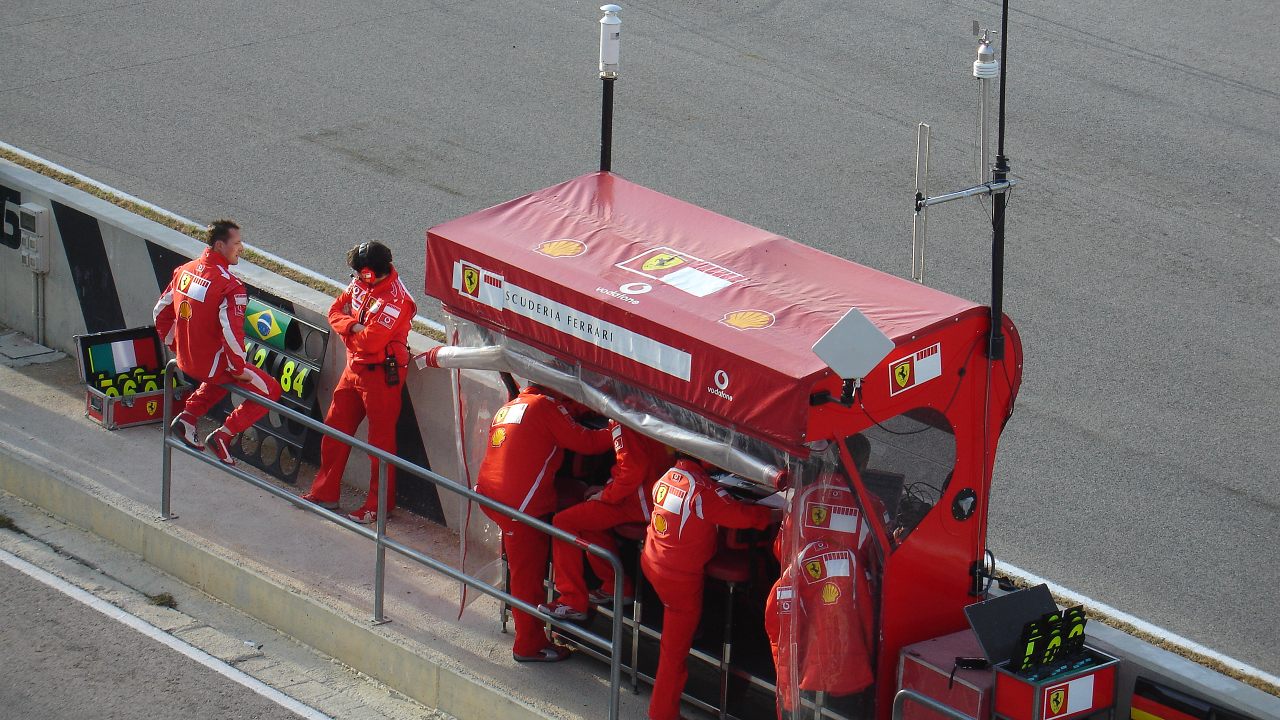
If the chassis is the visible side of secrecy, the data streams flowing through an F1 weekend are the invisible front line. I see telemetry as the sport’s nervous system, carrying real-time information about engine performance, tyre behaviour, and fuel usage from the car to the pit wall. Analyses of telemetry’s role in racing strategy describe how losing that data can cripple decision making, because without live information teams struggle to adjust fuel targets, manage tyre degradation, or respond to changing conditions. That vulnerability makes telemetry a prime target for espionage, and it is why teams invest heavily in secure networks, encryption, and access controls.
Specialist reporting on cybersecurity in Formula 1 outlines the threats that teams now plan for, from illegal eavesdropping on radio traffic to attempts to intercept or corrupt data links between the car and the garage. The same sources highlight how organisations treat race strategy files, simulation outputs, and setup sheets as highly sensitive, since a leak could provide competitors with detailed insight into fuel strategies, tyre windows, or even predictive models. To counter that risk, teams deploy layered defences that include encrypted communications, segregated internal networks, and strict role-based permissions so that only essential staff can access the most valuable information. The result is a digital security posture that looks more like a financial institution than a sports team.
From passwords to paddock politics: human factors in keeping secrets
For all the focus on software and hardware, I find that the most fragile part of F1’s secrecy regime is still the human being. Drivers, engineers, and mechanics carry vast amounts of tacit knowledge in their heads, and they move between teams more frequently than ever. Discussions among fans and insiders about how teams protect intellectual property with drivers underline this tension, noting that while a driver may not understand every engineering detail, they can still describe how a car behaves, which systems they adjust on the steering wheel, and what procedures they follow in the garage. That information, even if imprecise, can help a rival team narrow down what to look for when they study on-board footage or photographs.
Teams respond with a mix of legal and practical tools. Contracts typically include strict confidentiality clauses, and staff are reminded that setup sheets, design drawings, and strategy documents remain the property of the team even after they leave. Legal commentary on recent F1 successes has highlighted how intellectual property and contracts sit at the heart of the sport’s business model, with teams using non-disclosure agreements and clear ownership provisions to keep innovations in-house. At the same time, organisations recognise that passwords and access management are only as strong as the people using them, which is why some have partnered with consumer-grade security platforms to manage credentials and reduce the risk of accidental leaks. One detailed case study describes how a leading outfit adopted a dedicated password manager to lock down its F1 secrets and shield data from rivals, illustrating how even something as mundane as login hygiene has become part of the competitive toolkit.
AI, road relevance, and why the stakes keep rising
The secrecy imperative in F1 is intensifying as the sport leans further into artificial intelligence and road-relevant technology. I see AI-driven design tools as a multiplier on both performance and risk. Coverage of how AI and cutting-edge tech are reshaping Formula 1 explains that teams now use machine learning to generate and evaluate thousands of design iterations, optimise aerodynamics, and refine safety systems far more quickly than traditional methods allowed. The algorithms, training data, and integration workflows behind those tools are themselves proprietary assets, and a leak could give a rival a shortcut to similar capabilities without the same investment.
At the same time, the line between F1 innovation and everyday technology is thinner than ever. Official analysis of the sport’s wider impact notes that hybrid power units have achieved efficiency gains of around 10 percent in a relatively short span, with energy recovery systems and thermal management techniques feeding into road car development. Legal and business commentary on recent F1 milestones emphasises that intellectual property from the track now informs products and services in other industries, from automotive safety to high performance computing. That spillover effect raises the commercial value of each guarded idea, which in turn justifies the elaborate secrecy that surrounds them. In my assessment, F1 teams are not simply hiding tricks to win on Sunday, they are protecting a pipeline of technology that can shape how the rest of us drive, work, and interact with machines in the years ahead.
More from Fast Lane Only: