Formula 1 teams live in a world where a single misjudged flick of carbon fiber can decide a championship. Aerodynamicists are tasked with turning turbulent air into lap time, and they do it not through occasional revolutions but through a relentless stream of incremental updates that chase milliseconds at a time. I see that pursuit as a continuous feedback loop, where design, simulation, and data converge to refine every surface of the car between one race weekend and the next.
Those gains are no longer found only in wind tunnels and on-track experiments. They are increasingly born inside high performance computing clusters, machine learning models, and tightly controlled test environments that let engineers probe the car’s behavior long before it rolls out of the garage. The modern aerodynamicist is part physicist, part data scientist, and part strategist, constantly trading off risk and reward as they decide which ideas deserve to become real bodywork.
The shift from prototypes to virtual airflow
When I look at how teams work today, the most striking change is how much of the aerodynamic race has moved off the track and into the virtual world. Traditionally, engineers relied on physical prototype models and full scale cars in wind tunnels to understand how air flowed over wings, floors, and bodywork. That approach, described in classic discussions of Traditional Aerodynamic Testing, is still vital, but it is slow and expensive, and it limits how many concepts can be explored in a season.
Instead of relying solely on those physical tests, teams now lean heavily on Computational Fluid Dynamics, or CFD, to simulate airflow around the car in silico. With CFD, aerodynamicists can evaluate hundreds of subtle geometry changes, from a revised front wing element to a reprofiled diffuser edge, long before any carbon is laid up. One detailed account of this process describes how teams use genetic algorithm optimization and Design of Experiments on cloud infrastructure to iterate through aerodynamic geometries, treating each simulation as a data point in a vast design space rather than a one off experiment.
Design of Experiments and the art of fine tuning
What makes those simulations powerful is not just raw computing power, but the methodical way teams structure their search for performance. I see Design of Experiments as the quiet backbone of modern aero development, allowing engineers to vary multiple parameters at once and understand how they interact. Instead of guessing which flap angle or endplate curvature might help, aerodynamicists set up systematic studies that map how combinations of changes affect downforce, drag, and balance, then feed those results into optimization algorithms that point toward promising directions.
That approach turns CFD into more than a digital wind tunnel. In one cloud based workflow, engineers run large batches of simulations, then use machine learning to predict which shapes are likely to yield better performance before they are even modeled in full detail. The process is iterative and data rich, with each run refining the model of how the car behaves in different conditions. It is a practical expression of what some analysts describe as The Art of fine tuning, where small, carefully chosen steps replace broad, speculative swings.
From CFD to wind tunnel: narrowing the funnel
Even with sophisticated simulations, not every idea deserves a place in the wind tunnel or on the car. I find the most competitive teams are those that treat CFD as a filter, using it to discard weak concepts early so that only the most promising survive to physical testing. One behind the scenes explanation of development notes that teams might test tens or even hundreds of ideas in CFD, then move only a handful into the tunnel, because each tunnel run is tightly limited and any flawed geometry can cause real problems once it meets real air.
That funnel is not just about efficiency, it is about risk management. By the time a new front wing, floor edge, or beam wing reaches the tunnel, it has already been vetted through multiple layers of virtual analysis. Sauber Technologies, for example, highlights how its own CFD expertise is used to Gain a competitive edge, with virtual testing helping clients in and beyond Formula 1 Stand out through better aerodynamic decisions.
Regulation changes and the front wing as a development canvas
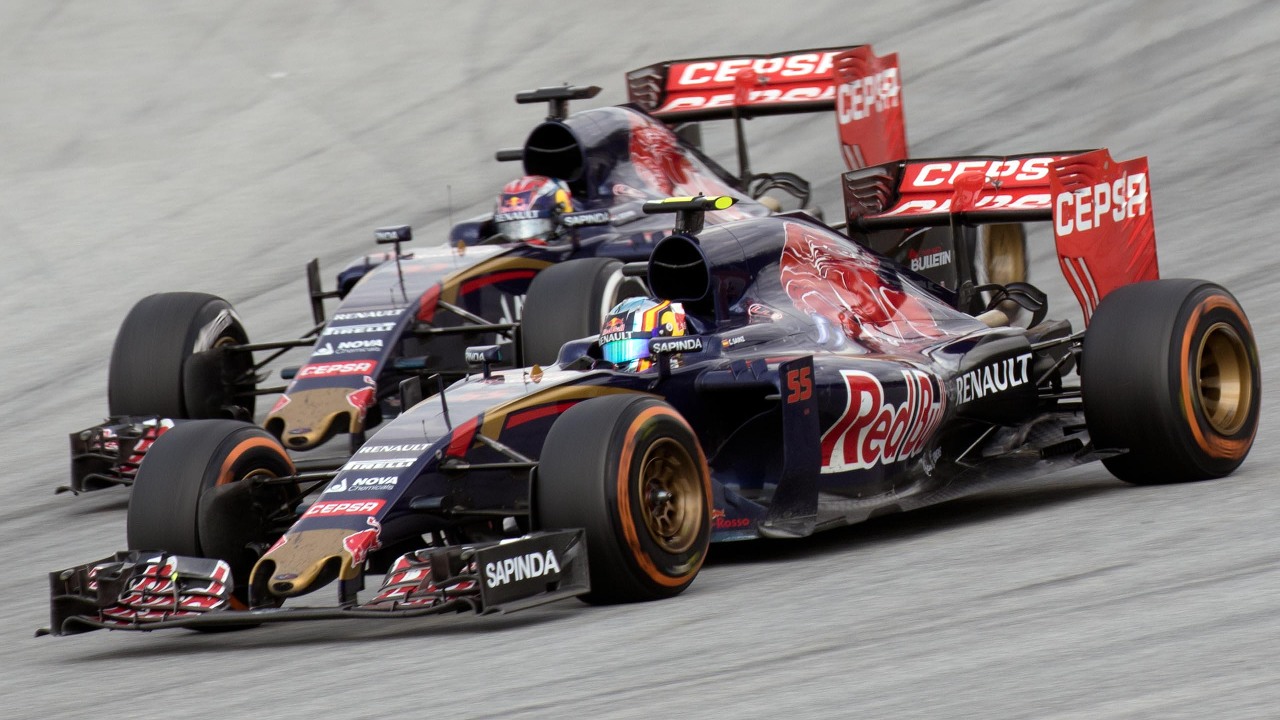
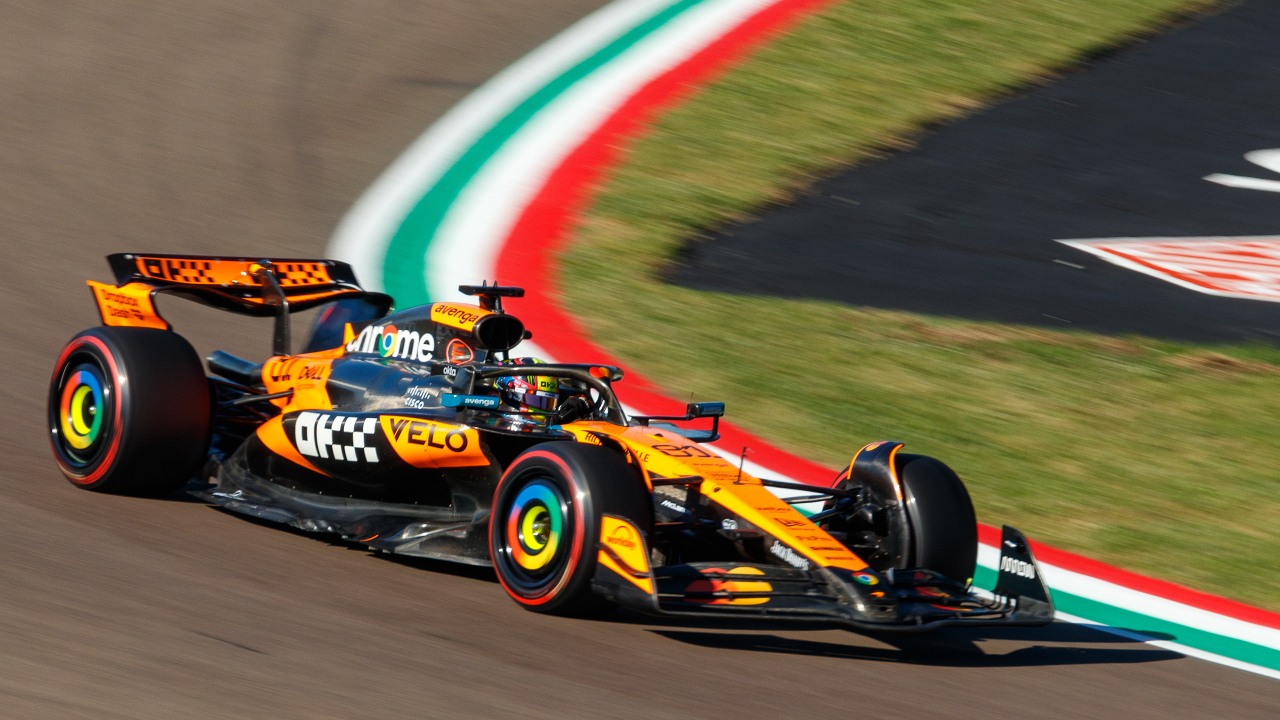
Regulation tweaks keep aerodynamicists from ever settling into a comfortable pattern, and I see the front wing as the clearest example of that constant reinvention. Recent technical guidance has focused on reshaping the endplates on the front wings to better control airflow and lessen turbulence, with the explicit aim of improving how closely cars can follow one another. One overview of the sport’s technical evolution notes that the endplates will be redesigned to manage the wake that spills off the front of the car, a small geometric change with large implications for how the rest of the chassis is tuned.
For an aerodynamicist, that kind of rule change is both a constraint and an opportunity. The new endplate geometry forces teams to rethink how they generate front downforce and direct air around the front tyres, but it also opens a fresh frontier for marginal gains. Each team will interpret the wording differently, using CFD and wind tunnel work to find the sweet spot between stability, peak load, and how the front wing conditions the flow for the floor and diffuser. The result is a development race where the same few lines of regulation text produce a grid full of subtly different solutions, each chasing those elusive milliseconds in its own way.
Data, telemetry, and the feedback loop to the factory
None of these updates exist in isolation from what happens on track. I see the modern F1 car as a rolling sensor array, streaming telemetry back to the garage and, crucially, to the factory. Earlier eras relied on basic data recorders that engineers could only check after a session, but contemporary systems deliver high frequency information in real time, a shift that has turned every lap into a live experiment. A detailed look at Inside F1 Telemetry describes how teams moved from simple 1980s recorders to today’s rich data feeds, which capture everything from ride height and steering angle to pressure distributions that hint at how the aero package is behaving.
That data does not just inform race strategy, it feeds directly back into the aerodynamic development cycle. When a new front wing or floor arrives at the circuit, engineers compare the telemetry against their CFD predictions and wind tunnel numbers, looking for discrepancies that might reveal modeling gaps or setup issues. Over time, this loop tightens the correlation between virtual and real world performance, allowing teams to trust simulations more and to iterate faster. Analysts who track the sport’s digital transformation have pointed out that the path started with computerised engine management systems and progressed into digital design technologies, with each step adding another layer of precision to how teams chase performance.
Cloud, AI, and the race for smarter decisions
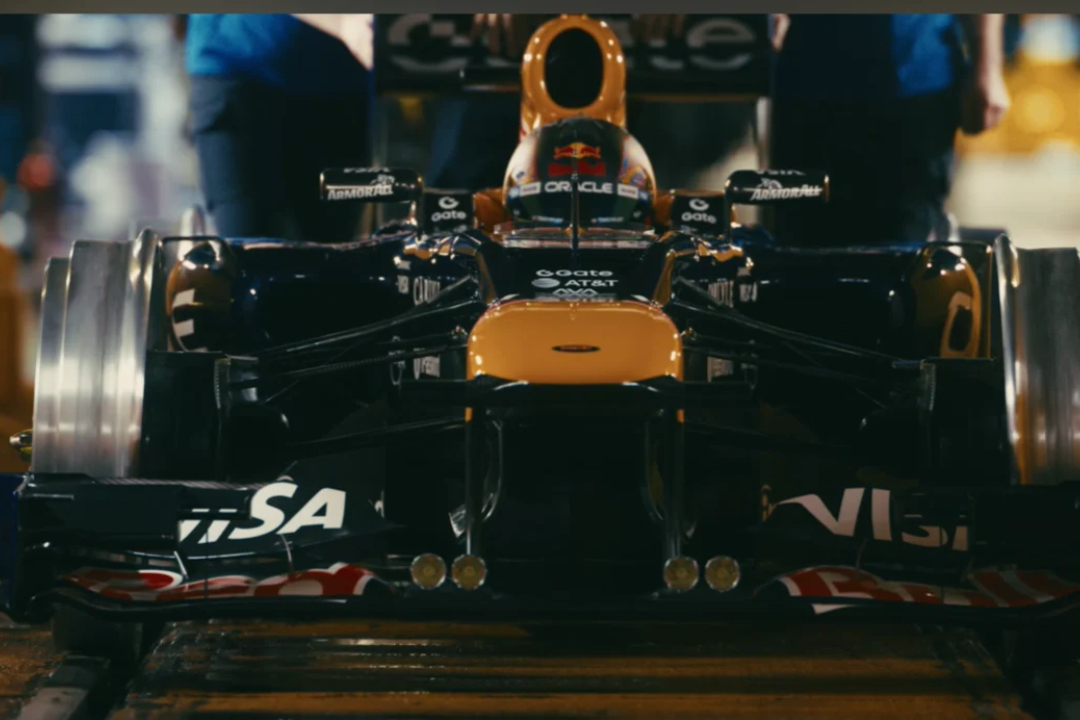
As the volume of data grows, I find that the real differentiator is no longer who has the most sensors, but who can interpret the information fastest and most intelligently. Cloud platforms and artificial intelligence have become central to that effort, giving teams the ability to run complex models and optimization routines at scale. One prominent example is the way Oracle supports a leading team’s operations, with Jonathan Harington explaining that Oracle provides performance both on circuit and off circuit. Every pit stop call, every strategy choice, and every setup tweak is informed by models that have already explored thousands of scenarios before the car even leaves the garage.
That same infrastructure underpins aerodynamic decisions. When a team considers bringing a new rear wing to a high speed circuit or a revised floor to a street track, cloud based simulations and AI tools can estimate how the change will affect lap time, tyre degradation, and even overtaking potential. The result is a more holistic view of performance, where aero updates are judged not only on peak downforce or drag figures, but on how they interact with strategy, tyre behavior, and traffic. In a landscape where, as one business focused analysis put it, milliseconds matter in any transformation race, the teams that can turn raw data into clear, timely decisions are the ones most likely to convert clever designs into points and titles.
Why the millisecond mindset matters beyond Formula 1
What strikes me most about this relentless chase for milliseconds is how transferable its methods have become. The same CFD techniques that help an F1 team refine a front wing are now being applied to road cars, aircraft components, and even consumer products, with organizations like Sauber Technologies explicitly inviting partners to tap into the aerodynamic expertise that drives success in Formula 1. Their pitch is straightforward: use high fidelity simulation and structured experimentation to improve efficiency, stability, and customer satisfaction, then translate that into a stronger market position.
In that sense, the F1 aerodynamicist’s world is a preview of how other industries will compete. Constant, data driven iteration replaces occasional big bets, and the line between physical and digital development blurs as prototypes are tested virtually long before they exist in metal or composite. For those of us watching from the outside, the spectacle is still about drivers and overtakes, but beneath that surface lies a quieter drama, one where engineers refine the invisible shapes of air itself, one millisecond at a time.
More from Fast Lane Only: