Insurance bills are increasingly jolting new electric vehicle owners, often adding hundreds of dollars a year to the cost of going electric. Higher repair costs, complex technology, and shifting risk models are converging to push premiums up even as more drivers trade gas pumps for charging cables.
I see a widening gap between the promise of cheaper running costs and the reality of insuring a battery-powered car, and that disconnect is shaping how quickly drivers are willing to make the switch. To understand why, it helps to look at how insurers price risk, what happens when an EV is damaged, and how regulators and automakers are scrambling to catch up.
Why EVs look riskier on an insurer’s balance sheet
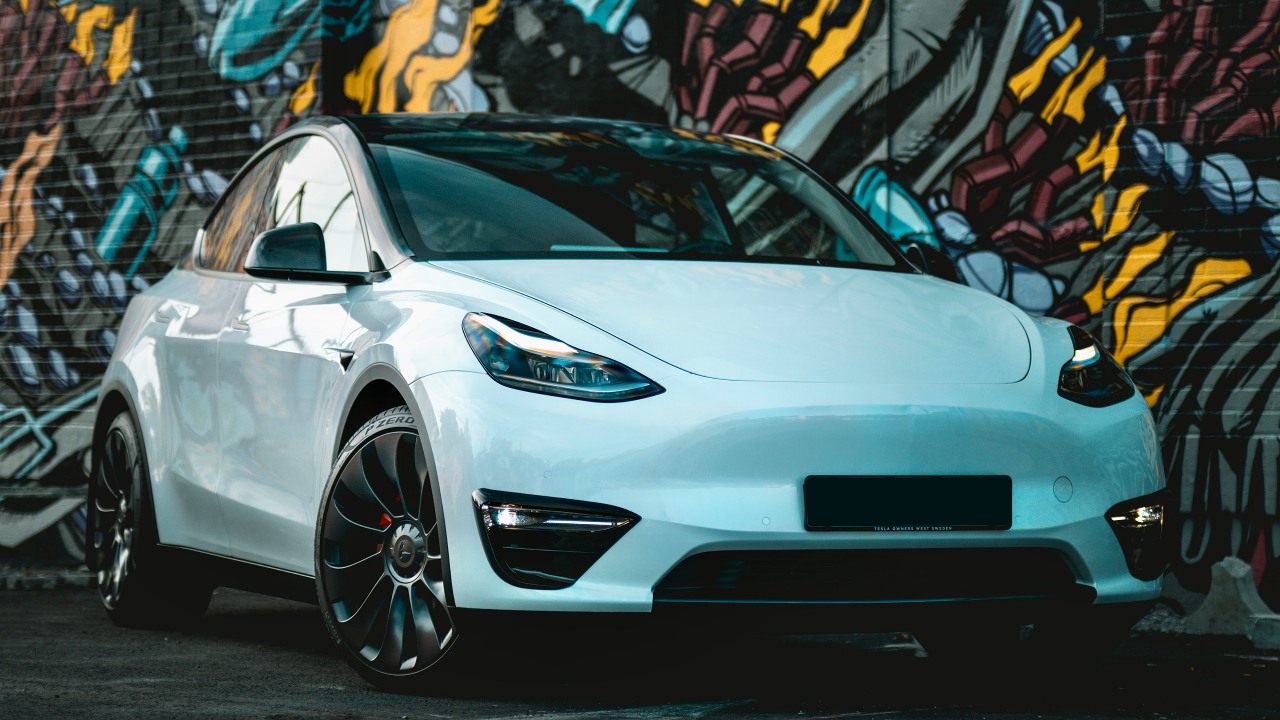
Insurers are not punishing electric drivers for going green, they are reacting to data that shows battery cars can be more expensive to fix and, in some cases, more likely to be written off after a crash. When an underwriter looks at a new Tesla Model Y or Hyundai Ioniq 5, the focus is not on tailpipe emissions but on the cost of repairing high-voltage components, advanced driver-assistance systems, and aluminum or composite body structures that are harder to work on than steel. That combination feeds directly into higher comprehensive and collision premiums for new EV owners compared with similar gasoline models, as reflected in multiple analyses of average auto insurance costs and model-by-model comparisons of annual premiums.
On top of that, many electric models are still relatively new to the market, which means insurers have less long-term claims history to lean on when they set rates. Instead of decades of loss data on a Honda Civic, they may have only a few years of experience with a Ford Mustang Mach-E or Kia EV6, so they build in a margin of safety until the numbers stabilize. That caution shows up in rate filings and in consumer-facing averages that put popular EVs among the more expensive cars to insure, even when their sticker prices are similar to gasoline competitors.
Battery packs, repair economics, and the “totaled EV” problem
The single biggest technical factor behind rising EV premiums is the battery pack. A modern pack is not just a big box of cells, it is a tightly integrated structure with cooling circuits, crash protection, and software controls, and replacing it can cost tens of thousands of dollars. When a collision damages the pack housing or triggers safety alerts in the battery management system, repair shops often face a choice between an extremely complex fix and declaring the vehicle a total loss. Reporting on EV claims has highlighted cases where relatively modest impacts led insurers to scrap cars because the battery replacement cost exceeded the vehicle’s market value.
That dynamic is not limited to luxury brands. Mass-market EVs like the Chevrolet Bolt EUV or Nissan Ariya still carry battery packs that can represent a third or more of the car’s value, so even minor structural damage near the pack can tip the math toward a write-off. Insurers price that risk into premiums, especially for newer model years where parts are scarce and labor procedures are still evolving. Industry data on auto claim severity shows that when repair bills climb, rates follow, and EVs are now a clear driver of that trend in collision coverage.
Parts shortages, specialized labor, and longer repair times
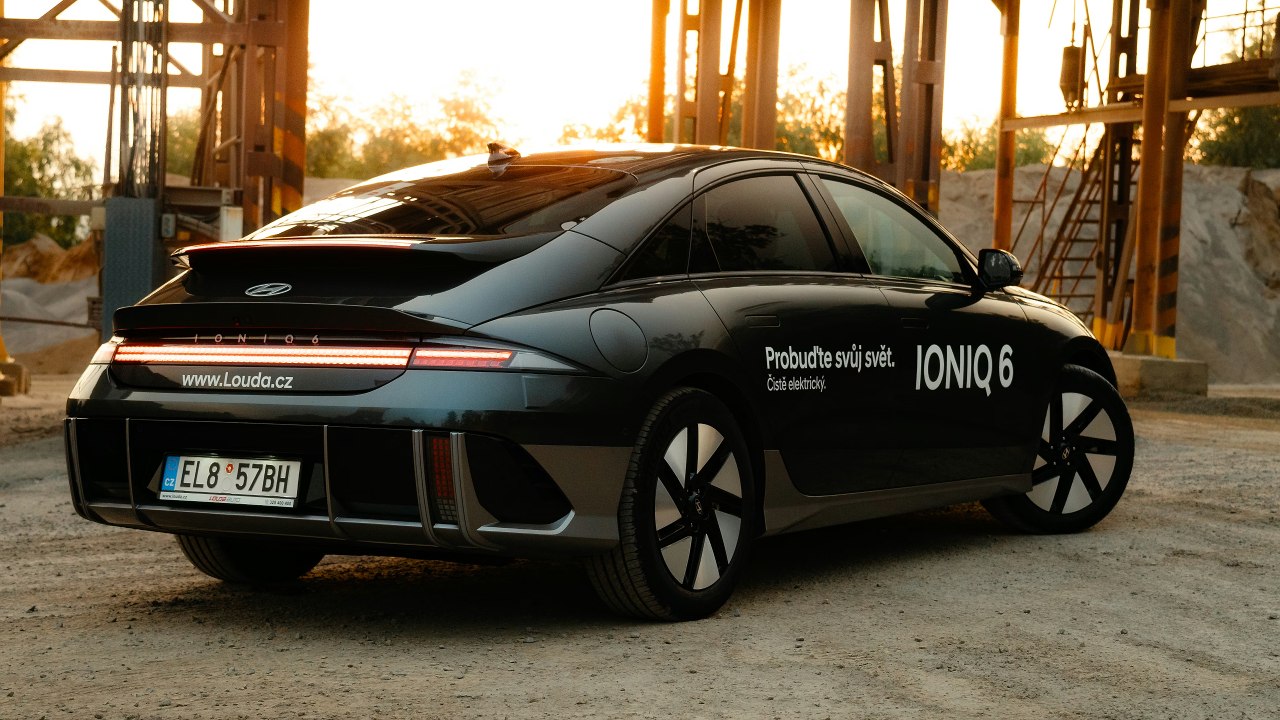
Even when an electric vehicle is repairable, getting it back on the road can take longer and cost more than a comparable gasoline car. Many EVs rely on brand-specific body panels, sensors, and charging components that are not yet widely stocked in independent shops, which means owners are often funneled to a limited network of certified repair centers. Those facilities need technicians trained to work safely around high-voltage systems, and that specialized labor commands a premium. Industry surveys of rising auto repair costs and rate increases point to parts inflation and labor shortages as key reasons insurers are hiking premiums across the board, with EVs sitting at the sharp end of that curve.
Longer repair times also feed directly into higher claims. When a damaged EV spends weeks waiting for a replacement inverter or radar sensor, the insurer is often paying for a rental car the entire time. Those rental and storage costs show up in the “loss cost” that actuaries use to set future rates, and they are one reason comprehensive and collision coverage for models like the Tesla Model 3 or Volkswagen ID.4 can outpace similar compact sedans. As more EVs enter the fleet, those delays and added expenses are increasingly reflected in the industrywide averages that drive pricing.
Driver profiles, performance, and how usage patterns skew risk
Electric vehicles are not just different machines, they are often driven by different kinds of owners, and that matters for insurance. Early adopters tend to cluster in urban and suburban areas with higher traffic density and higher baseline claim rates, and they are more likely to buy new, higher-trim models with powerful motors and advanced features. A dual-motor Tesla Model Y Performance or Kia EV6 GT can accelerate faster than many sports cars, and insurers factor that performance into their risk models. Analyses of average premiums by vehicle show that high-output variants of EVs often carry surcharges similar to turbocharged gasoline cars with comparable power.
Usage patterns also play a role. Many EV owners rack up significant daily mileage on commutes or ride-hailing platforms, which increases exposure to accidents even if the per-mile crash rate is similar. At the same time, some electric models come loaded with advanced driver-assistance systems that can reduce certain types of collisions but introduce new kinds of claims when sensors or cameras are damaged. Insurers are still parsing how features like lane-keeping assistance and adaptive cruise control affect real-world losses, and until that data matures, they tend to err on the side of higher premiums for vehicles with complex technology packages, a trend reflected in broader studies of technology-heavy models and their insurance costs.
Regulators, automakers, and new insurance models racing to catch up
As EV adoption accelerates, regulators and automakers are under pressure to keep insurance from becoming a barrier to entry. State insurance commissioners scrutinize rate filings that show sharp increases for electric models, and some have pushed carriers to justify how they are treating battery-related write-offs and repair costs. At the same time, policymakers who want to speed the transition away from gasoline are watching whether high premiums blunt the impact of tax credits and purchase incentives. Industry data on auto insurance affordability underscores that tension, especially for younger drivers who might otherwise be prime candidates for compact EVs.
Automakers are not standing still. Companies that build EVs have strong incentives to prove their cars are cheaper to insure, so they are redesigning battery packs for easier module-level repairs, expanding certified repair networks, and in some cases launching their own branded insurance products. Tesla, for example, has promoted usage-based coverage that relies on driving behavior scores, while other manufacturers are partnering with established carriers to offer integrated policies at the point of sale. These experiments mirror broader shifts toward telematics and pay-per-mile coverage documented in analyses of new insurance models, and they hint at a future where EV premiums are more closely tied to how and where a car is driven than to the mere fact that it runs on electrons.
For now, though, new EV buyers face a landscape where insurance can erase a chunk of the savings they expect on fuel and maintenance. I see that tension as a temporary but real drag on the electric transition, one that will ease only when battery repair becomes more routine, parts pipelines are smoother, and insurers have enough data to treat electric and gasoline cars on truly equal footing. Until then, anyone shopping for a 2025 Hyundai Ioniq 6 or Chevrolet Equinox EV needs to run the numbers on premiums as carefully as they compare range and charging speeds, because the monthly bill from an insurer may be the most surprising part of going electric.
More from Fast Lane Only: