Italian supercar makers used to treat electrification like a dress code at a beach party, something for other people. Yet the same brands that built their reputations on screaming V12s and theatrical fuel consumption are now racing into hybrid tech faster than most rivals. The shift is not about sudden environmental enlightenment so much as a ruthless decision to use batteries and motors as performance weapons while keeping regulators, and customers, on their side.
What looks from the outside like a green makeover is, under the carbon fiber, a very Italian power play. Ferrari and Lamborghini are turning hybrids into the new definition of “exotic,” using electric torque to go quicker, sell more cars, and stretch the life of their beloved engines without surrendering to full silence just yet.
Hybrids as the new performance drug
I see the core reason Italy is sprinting into hybrids before many others in the supercar world in one word: speed. Electric motors deliver instant shove, and when you bolt that to a high revving engine, you get the kind of acceleration that makes physics teachers reconsider their career choices. Even mainstream analysis of hybrid drivetrains notes that, While hybrids are often tuned for efficiency, the electric components add quick acceleration thanks to immediate torque, a trait that exotic brands can exploit far more aggressively than family sedans.
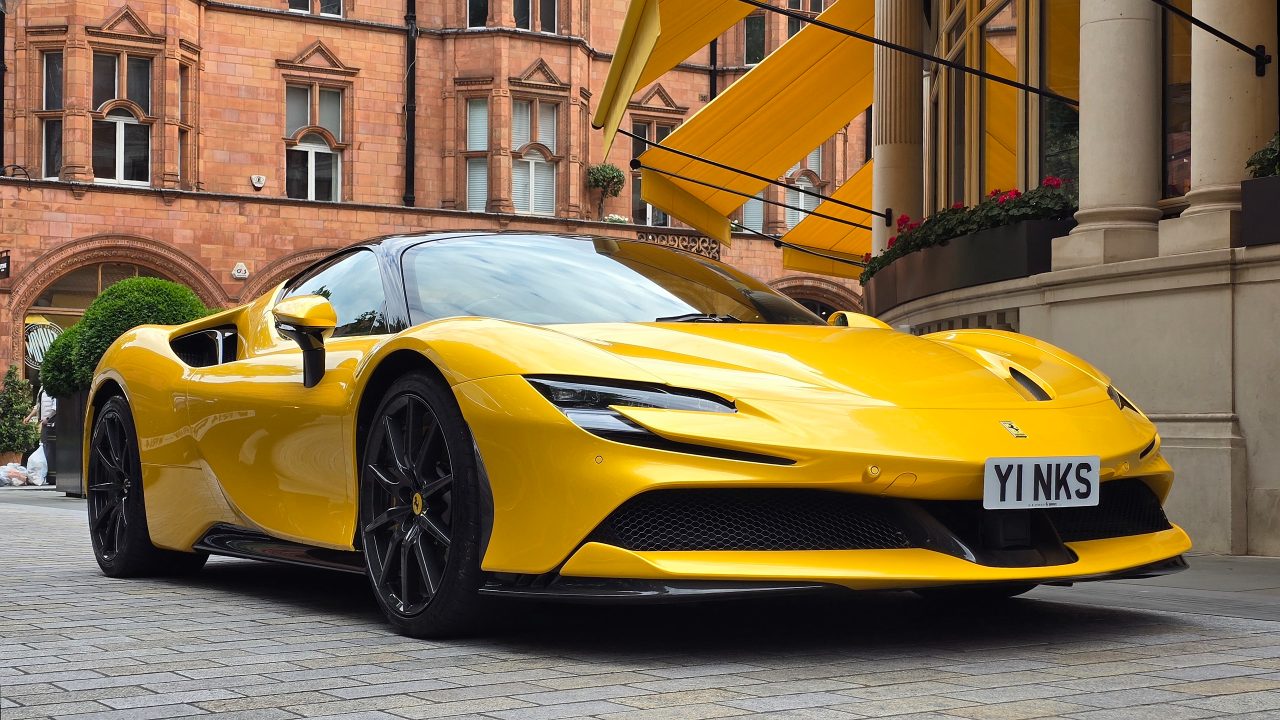
That logic is already written into the spec sheets. The Ferrari SF90 Stradale Assetto Fiorano sits near the top of rankings of the fastest hybrid cars, with a 0 to 60 m sprint of 2.0 seconds and a Quarter Mile time of 9.5 seconds, figures that would have sounded like misprints in the era of the 288 G and Enzo. Lists of the quickest hybrids also put the Koenigsegg Gemera in the mix, but the presence of Ferrari in that company shows how thoroughly the marque has embraced electric assistance as a way to go from “very fast” to “are you sure this is legal.” When performance charts reward hybrids, it is no surprise that Italian exotics treat batteries like nitrous bottles that never run out.
Keeping the drama, adding the volts
Of course, raw numbers are only half the story, especially in Italy, where drama is a factory option. The trick has been to add electric power without losing the operatic soundtrack and theater that make these cars feel special. Technical explainers on hybrid systems point out that More manufacturers have realized hybrids can boost performance by filling in torque before turbos spool up and engines hit their peaks, which lets engineers keep high revving, emotional engines while smoothing out their weak spots.
Electric motors are tailor made for this supporting role. Analyses of supercar tech note that Electric motors can be paired with internal combustion engines to improve acceleration, traction, and efficiency, a combination often described simply as hybridization. In practice, that means a V8 or V12 can stay loud and wild while the motor quietly handles low speed creep, instant torque out of corners, and clever torque vectoring. The result is a car that still shouts in Italian but now thinks in electrons, with the hybrid system acting like a very smart, very strong co driver who never needs a coffee break.
Ferrari’s quiet volume revolution
Ferrari, the brand that once treated “volume” like a dirty word, has been unusually blunt about why it leans into hybrids. Former boss Marchionne, also known as Sergio Marchionne, who headed Fiat Chrysler Automobiles and FCA, argued that switching to hybrid power would allow Ferrari to meet emissions rules while also creating cars with better performance. That is corporate speak for “we can sell more cars, keep regulators calm, and still go faster,” which is exactly the kind of three for one deal any board loves.
The product roadmap backs that up. Ferrari’s own site showcases a growing roster of electrified models, and concept coverage of the Ferrari F80 describes a V6 powered hybrid positioned as the marque’s fastest ever road car, inspired by F1 and aerospace thinking. When a company with icons like the 288 G and Enzo in its back catalog calls a new hybrid its quickest machine, it signals a strategic pivot, not a side project. Hybrids let Ferrari chase higher output and sharper lap times while nudging fleet emissions downward, a neat trick that makes accountants, engineers, and collectors all nod for different reasons.
Lamborghini’s hybrid gold rush
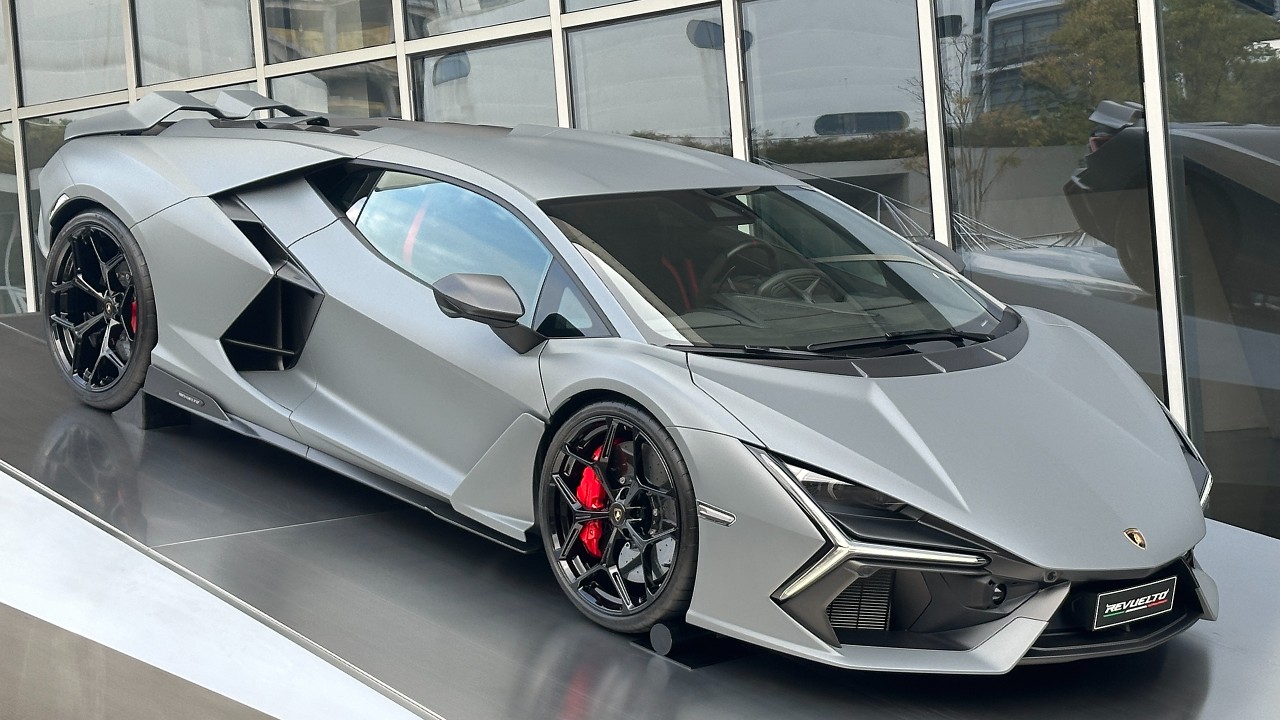
Lamborghini, never shy about spectacle, has turned hybrids into a growth engine with the subtlety of a neon green wing. The company’s own materials highlight its shift toward electrified models, and reporting on its recent performance notes that The Hybrid Market Has Proven to be a Success for Lamborghini, with demand for hybrid models powering company growth. When customers line up for cars that plug in as well as fill up, the business case writes itself.
The flagship example is the Revuelto, a plug in hybrid V12 that marketing describes with phrases like Power Unleashed and The Hybrid V12 That Changes Everything. Reviews dwell on its Symphony of Gasoline and Electricity, with At the heart of the car a combination of a traditional twelve cylinder and multiple electric motors that distribute power and maximize grip and control. Lamborghini executives have even predicted that electric and hybrid supercars will be quicker than pure petrol models like the Huracan, framing electrification not as a compromise but as the next step in outrageous speed. When your brand promise is “more insane than last year,” hybrid tech becomes less a concession and more a cheat code.
Regulations, image, and the art of not going fully electric
There is also a more pragmatic reason Italian exotics are embracing hybrids faster than full battery power: survival in a world of tightening rules. Hybrids give them a way to slash official emissions and fuel consumption figures without abandoning the engines that define their image. Industry breakdowns of hybrid versus gas costs emphasize that hybrids can dramatically improve efficiency, which helps with regulatory compliance and running costs, even if the buyer is more worried about lap times than fuel bills.
At the same time, going straight to full electric would risk losing the emotional core that makes a Ferrari or Lamborghini feel worth the price of a small apartment block. Technical pieces on how electric motors are advancing supercars stress that combining electric power with combustion engines can make cars quicker and more efficient, and they explicitly label this combination hybridization. That middle path lets Italian brands tell customers, “You still get the noise and character you love, plus extra performance and a cleaner conscience.” It is a carefully calibrated compromise, and it explains why these companies are sprinting into hybrids while treating full EVs as a later chapter.
Why Italy is moving faster than everyone else
Put all of this together and the pattern is clear: Italian exotics are going hybrid faster than many rivals because their entire business model is built on selling ever more extreme performance wrapped in high drama, and hybrids supercharge both. When rankings of the fastest hybrids feature the Ferrari SF90 Stradale Assetto Fiorano alongside monsters like the Koenigsegg Gemera, it proves that electric assistance is now part of the top tier performance toolkit, not a side quest for eco badges.
On top of that, both Ferrari and Lamborghini have discovered that hybrids are not just engineering toys but commercial accelerants. Ferrari’s leadership, from Marchionne onward, has framed hybrids as the key to higher volume without betraying the brand, while Lamborghini openly credits its hybrid lineup with driving growth and positions future electric and hybrid models as quicker than icons like the Huracan. Analyses of hybrid tech and Electric motor integration show how this is technically possible, and broader explanations of hybrid behavior, starting with More recent performance focused designs, underline that the technology has matured into a performance enabler. In other words, Italy is not going green out of guilt; it is going hybrid because, for these exotics, batteries have become the most Italian upgrade of all: more speed, more drama, and just enough responsibility to keep the party going.