The world of automotive engineering is filled with innovations that challenge conventional wisdom, yet some classic engines have defied all odds to achieve legendary status. These engines serve as a testament to the creativity and ingenuity of their designers, and their stories are as compelling as the vehicles they powered. As we delve into the fascinating narratives surrounding these engines, we can discover how their unconventional designs and performance characteristics contributed to their fame.
Defying Conventional Wisdom
Automotive engineering has long been governed by established principles that dictate how engines should perform and behave. Traditional expectations emphasize reliability, efficiency, and a straightforward configuration—typically inline or V-shaped cylinder arrangements. However, some classic engines have boldly deviated from these norms, opting for unconventional designs that challenged the status quo. One prime example is the Wankel rotary engine, which employs a unique triangular rotor instead of the conventional pistons found in traditional engines. This design allows for a more compact engine size while delivering smooth power delivery.
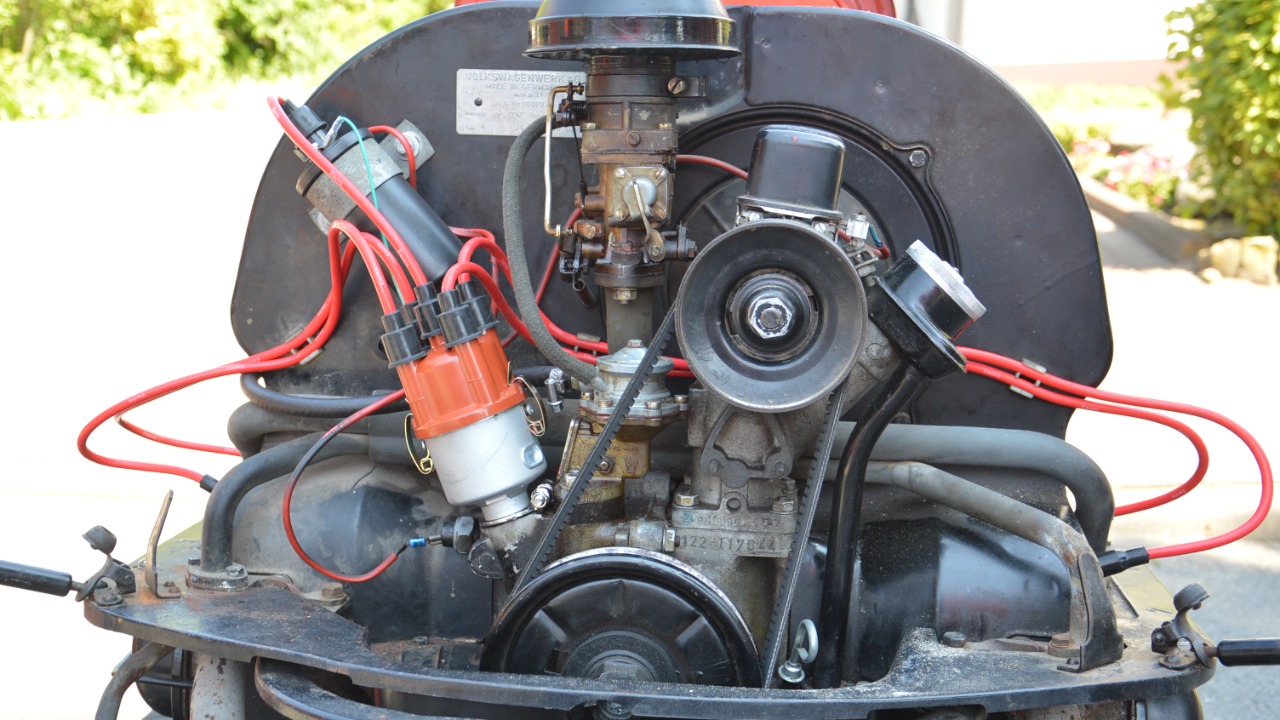
Another noteworthy engine that broke the mold is the flat-four engine, famously used in the Volkswagen Beetle and the Porsche 911. Its horizontal layout not only lowers the center of gravity, enhancing stability, but also allows for better weight distribution. Such deviations from conventional designs have not only yielded distinctive performance characteristics but also intrigued engineers and enthusiasts alike. The unique sound and driving experience offered by these engines set them apart from their more traditional counterparts, demonstrating that sometimes, breaking the rules can lead to remarkable results.
Performance Over Reliability
Classic engines like the Ferrari 308 GTB’s V8 and the Lamborghini Miura’s V12 are prime examples of power and speed being prioritized over reliability. Both engines were designed with performance at their core, resulting in breathtaking acceleration and exhilarating driving experiences. However, this focus on performance came with trade-offs; for instance, the Miura’s high-revving engine is known for being temperamental and requiring meticulous maintenance. Despite these drawbacks, consumer reception has often been overwhelmingly positive, as many buyers were drawn to the allure of speed and luxury that these engines represented.
The impact of racing and motorsport culture cannot be underestimated in the popularity of these powerful engines. The sound of a high-performance engine roaring down the track or the sight of a car leaving competitors in a cloud of dust captures the imagination of enthusiasts and casual observers alike. The Ferrari Testarossa, for example, became an icon not just for its design but for its performance in motorsports, further solidifying its place in automotive history. This emphasis on speed and performance continues to resonate within car culture, influencing the development of modern sports cars that still seek to push the limits of engineering.
Innovative Engineering Solutions
Many classic engines gained fame not only for their performance but also for the innovative engineering solutions they employed. The introduction of turbocharging, for instance, revolutionized how power was extracted from smaller engines, allowing cars like the Porsche 911 Turbo (introduced in 1975) to generate more power without significantly increasing engine size. This technology opened new doors for performance without the need for larger, heavier engines, demonstrating that innovative solutions can yield impressive results.
Moreover, the use of unconventional materials has also played a crucial role in the development of iconic engines. The aluminum block and heads of the Renault Clio V6 not only reduced weight but also improved heat dissipation, allowing for higher performance. These advancements highlight the importance of creative engineering in the pursuit of power and efficiency. As engineers tackled design challenges with fresh perspectives, they paved the way for future advancements that would further enhance engine performance.
Cultural and Historical Significance
The contexts in which these engines gained fame are as varied as the engines themselves. Economic conditions, automotive trends, and historical events all played a role in shaping the narratives surrounding these iconic engines. For instance, the oil crisis of the 1970s pushed manufacturers to innovate and create more fuel-efficient engines, leading to the rise of smaller, turbocharged engines that continue to be relevant today. At the same time, the 1980s and 1990s witnessed a surge in interest in performance vehicles, with cars like the Nissan Skyline GT-R capturing the imagination of automotive enthusiasts worldwide.
Additionally, the influence of pop culture cannot be overlooked. Movies and music have immortalized engines and their respective vehicles, contributing to their legendary status. The Porsche 911, for example, became a symbol of success and style, thanks in part to its appearances in films and television shows. These cultural references have played a significant role in shaping public perception, turning engines into icons that transcend their mechanical origins.
Lasting Legacy and Influence
The legacy of these classic engines extends far beyond their production years. They have inspired a generation of engineers and designers to think outside the box and explore new avenues in automotive technology. The principles learned from engines like the BMW M3’s inline-six or the Ferrari F40’s twin-turbo V8 continue to inform modern engineering practices, leading to innovations in efficiency, performance, and sustainability.
Moreover, the continued admiration for these engines within car enthusiast communities and collector markets underscores their lasting impact. Classic car shows, auctions, and online forums are filled with discussions surrounding these legendary engines, as enthusiasts share stories and insights about their experiences. As we look to the future, it is clear that the lessons learned from these engines will continue to shape automotive innovations, ensuring that the spirit of defiance and creativity remains alive in the industry.
More from Fast Lane Only
- Unboxing the WWII Jeep in a Crate
- 15 rare Chevys collectors are quietly buying
- 10 underrated V8s still worth hunting down
- Police notice this before you even roll window down
*Research for this article included AI assistance, with all final content reviewed by human editors.