Classic engines, with their robust designs and enduring craftsmanship, often exhibit remarkable longevity despite the varied driving styles they endure. Factors such as exceptional engineering, diligent maintenance practices, and the emotional connections owners have with their vehicles all contribute to the resilience of these engines, showcasing why some seem to refuse to quit, no matter how they are driven.
1. Engine Design and Engineering Excellence
The longevity of classic engines can largely be attributed to their robust material choices. Many classic engines were built using high-quality materials like cast iron for engine blocks and forged steel for critical components. This not only enhances the structural integrity of the engine but also allows it to withstand the stresses of daily driving. For instance, the iconic Ford Small Block V8, produced from the 1960s onward, is renowned for its durability and ability to handle a variety of modifications without compromising performance.
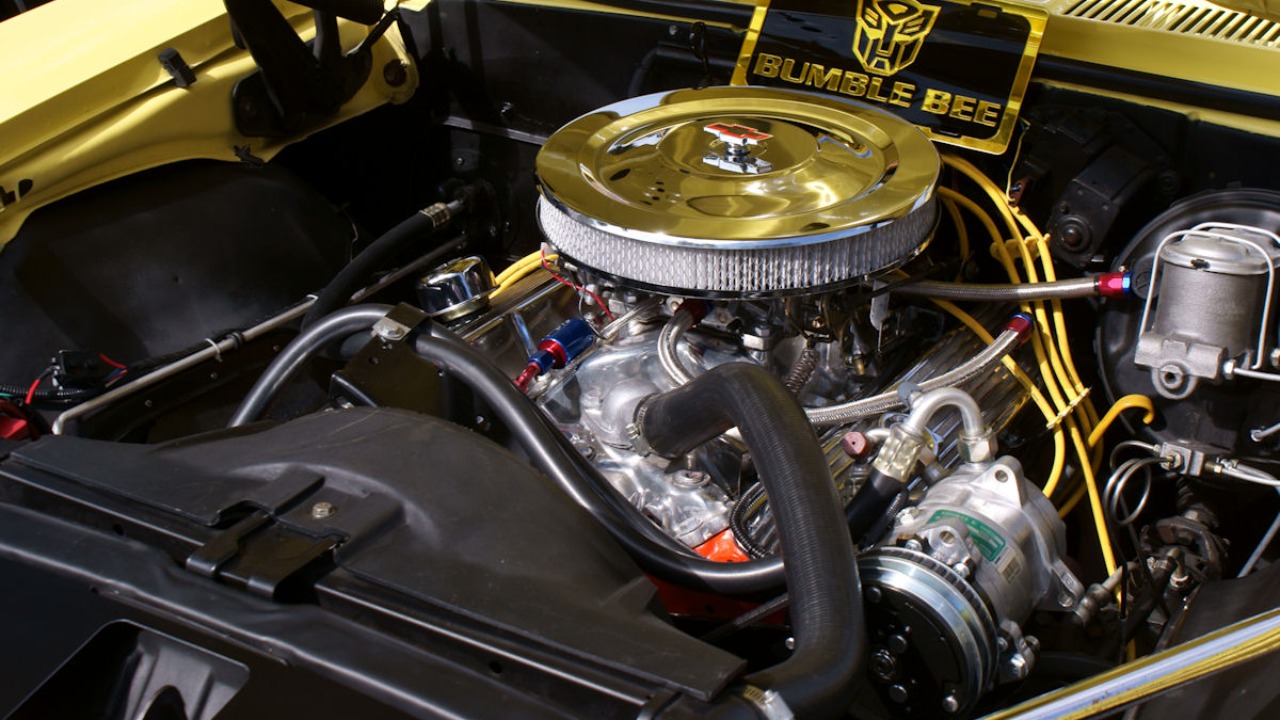
Another factor that plays a crucial role in the longevity of these engines is their simplicity of design. With fewer moving parts and less intricate engineering, classic engines are often easier to maintain and repair. This straightforwardness means that when something does go wrong, it’s usually easier to diagnose and fix than in modern engines, which can be laden with complex electronic systems. For example, a classic Chevrolet 350 engine can often be repaired with basic tools and a little mechanical knowledge, making it accessible for many enthusiasts.
Moreover, the reduced complexity in electronics found in classic engines contributes to their reliability. Traditional carburetors and mechanical fuel pumps are less prone to failure than contemporary electronic fuel injection systems. This simplicity not only makes troubleshooting less daunting but also increases the likelihood that the engine will continue to run smoothly over time. Enthusiasts often appreciate this aspect, as it allows for a more hands-on approach to vehicle maintenance.
2. Maintenance and Care Practices
Regular maintenance is critical for ensuring that classic engines endure the test of time. Consistent oil changes, tune-ups, and general upkeep can significantly prolong engine life. For example, many experts recommend changing the oil every 3,000 to 5,000 miles to keep the engine well-lubricated and free from harmful deposits. This practice is especially important for older engines, which may not have the same tolerance for contaminants as modern counterparts. Owners who adhere to these maintenance routines often find that their classic cars perform reliably for decades.
The knowledge and commitment of owners also play a vital role in the care of classic engines. Passionate owners tend to have a deep understanding of their vehicles, often investing time in learning about their engine’s needs and idiosyncrasies. For instance, the classic Volkswagen Beetle has a dedicated following, with many owners thoroughly familiar with its air-cooled engine’s quirks. This level of engagement leads to more attentive care and better overall maintenance practices.
Additionally, the presence of community support and resources can greatly enhance an owner’s ability to maintain their classic vehicle. Car clubs and online forums provide a wealth of information, from DIY repair guides to recommendations for quality replacement parts. Websites like Rec Nation offer tips on how to keep classic cars in optimal condition, even when they aren’t driven regularly. This shared knowledge fosters a culture of preservation among enthusiasts, ensuring that these classic engines continue to thrive.
3. Driving Habits and Conditions
The way a vehicle is driven has a significant impact on engine longevity. Gentle driving tends to extend the life of an engine, while aggressive driving can lead to premature wear and tear. For instance, a classic Mustang driven with care will often last longer than one subjected to frequent hard accelerations and high RPMs. Understanding the relationship between driving style and engine health can help owners make informed choices about how they operate their vehicles.
Environmental factors also come into play when considering engine performance. Climate and road conditions can significantly influence how well an engine performs over time. For example, cars driven in harsh climates or on poorly maintained roads may suffer from corrosion or mechanical failures more quickly than those in milder environments. Owners in regions with extreme temperatures often take additional precautions, such as using engine block heaters in winter or ensuring proper ventilation during hot summer months.
Furthermore, the importance of proper break-in procedures during the initial stages of an engine’s life cannot be overstated. Many classic engines require a specific break-in period, during which careful driving and regular monitoring are essential. For instance, the first 500 to 1,000 miles are critical for establishing proper wear patterns and ensuring that components seat correctly. Failing to follow these guidelines can lead to long-term issues, reducing the engine’s lifespan.
4. Quality of Fuel and Lubricants
The type of fuel used in classic engines can have a profound impact on their performance and longevity. Using high-octane fuels that meet the engine’s specifications can help prevent knocking and optimize combustion. For example, many classic muscle cars, like the Pontiac GTO, benefit from premium fuels that enhance performance without risking damage to the engine. Conversely, using lower-quality fuels can lead to carbon buildup and reduced efficiency over time.
In addition to fuel, the choice of modern lubricants is crucial for protecting older engines. Advances in oil technology have led to the development of lubricants specifically designed for classic cars. These oils often contain additives that help reduce wear and tear, as well as improve overall engine performance. For instance, high-zinc oils are commonly recommended for classic engines to protect against camshaft wear, which is particularly important for vehicles like the Chevrolet Small Block.
Fuel additives can also play a role in enhancing engine performance and longevity. Products designed to clean fuel injectors or improve combustion efficiency can help maintain optimal engine function. Using additives periodically can prevent issues like varnish buildup and improve overall fuel economy. Owners of classic cars often incorporate these products into their regular maintenance routines to keep their engines running smoothly.
5. Cultural and Emotional Factors
The emotional connection many owners have with their classic cars cannot be overlooked. For many, these vehicles represent more than just modes of transportation; they embody nostalgia and legacy. This deep-seated affection drives owners to invest considerable time and resources into maintaining their vehicles. The stories tied to these cars, whether it’s a family heirloom or a childhood dream car, often motivate owners to ensure their engines are well cared for.
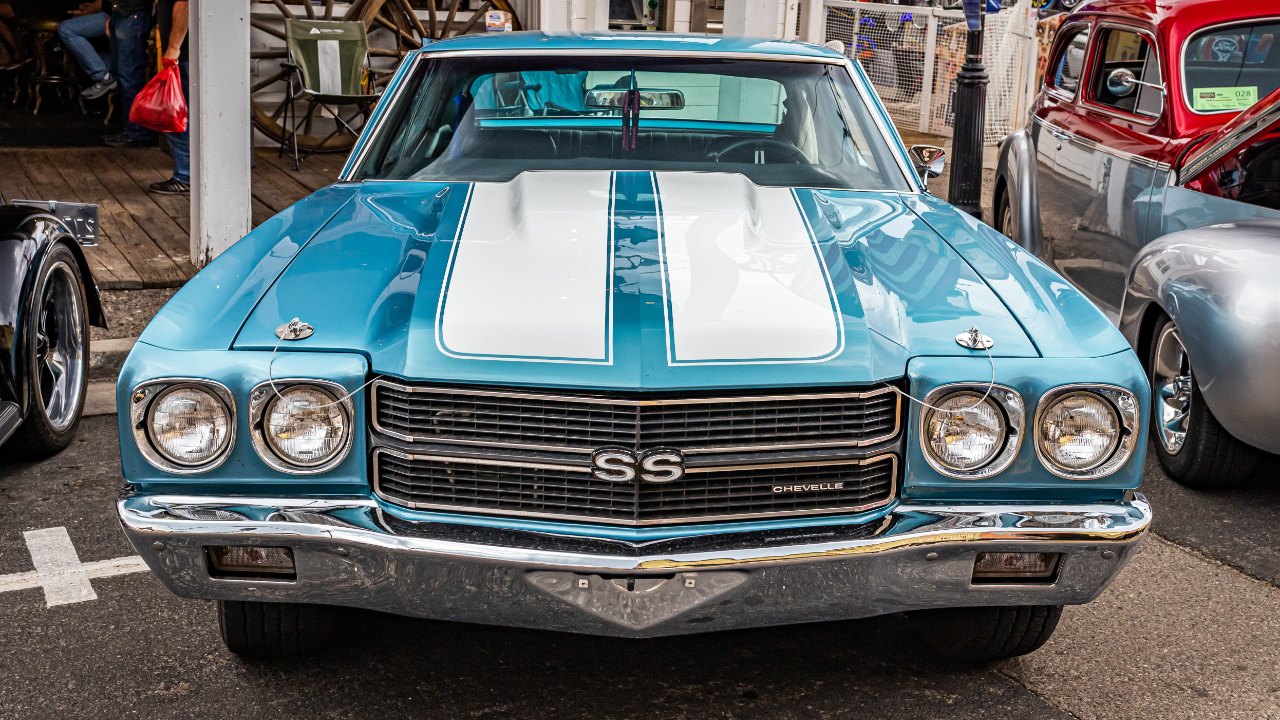
The investment value of classic cars also encourages proper care and restoration. As these vehicles appreciate over time, owners are often motivated to preserve their condition to maximize their value. Classic models like the 1967 Ford Mustang or the 1970 Chevrolet Camaro can fetch significant sums at auctions, making proper maintenance not just a passion but also a financially sound decision. The potential return on investment can drive owners to maintain their engines meticulously.
Community and events play a significant role in fostering a culture of appreciation for classic vehicles. Car shows and gatherings allow enthusiasts to share knowledge, showcase their vehicles, and celebrate their passion. Events like the Pebble Beach Concours d’Elegance not only highlight the beauty and craftsmanship of classic cars but also emphasize the importance of preserving automotive history. Such gatherings reinforce the bond among owners and fuel their commitment to keeping these engines running for future generations.
6. Case Studies of Enduring Engines
When discussing classic engines that have demonstrated remarkable durability, the Toyota V8 stands out as a prime example. Known for its reliability, some models have been reported to run strong even after exceeding one million miles. This longevity is attributed to Toyota’s engineering excellence and owners’ commitment to regular maintenance. You can read more about this incredible engine’s performance here.
Real-world anecdotes further highlight the resilience of classic engines. For instance, a 1985 Mercedes-Benz 300D is known to have reached 600,000 miles without a major overhaul, a testament to its engineering and the owner’s diligent maintenance practices. Such stories illustrate that with the right care and driving habits, classic engines can surpass expectations and remain reliable for decades.
The lessons learned from these enduring engines can provide valuable insights for modern automotive engineers. By examining the robust designs and maintenance practices that contribute to the longevity of classic engines, contemporary manufacturers can incorporate similar principles into their designs. Emphasizing reliability, simplicity, and quality materials can help create vehicles that also stand the test of time.
More from Fast Lane Only
- Unboxing the WWII Jeep in a Crate
- 15 rare Chevys collectors are quietly buying
- 10 underrated V8s still worth hunting down
- Police notice this before you even roll window down
*Research for this article included AI assistance, with all final content reviewed by human editors.