The debate between carbureted and fuel-injected engines has been ongoing for decades, with many enthusiasts staunchly defending their preference for carburetors. The allure of simplicity, nostalgia, and the unique driving experience offered by carbureted engines keeps a loyal following among drivers. For many, the connection to this traditional engine design runs deeper than mere preference; it’s a way to embrace a rich automotive heritage.
The Allure of Simplicity
One of the most compelling reasons I hear from fellow drivers who favor carbureted engines is the mechanical design. Carburetors are often celebrated for their straightforward and uncomplicated structure. Unlike modern fuel injection systems, which can be intricate and daunting for a DIY mechanic, carbureted engines are relatively easy to work on. For those of us who enjoy getting our hands dirty, there’s a certain satisfaction that comes from diagnosing and repairing issues with a simple set of tools.
Additionally, the absence of complex electronic components in carbureted engines reduces potential points of failure. Many enthusiasts appreciate the reliability that comes with fewer electronics, especially during long road trips or remote off-road excursions. This reliability is appealing for those who prefer a more traditional approach to vehicle maintenance, where mechanical knowledge reigns supreme over digital diagnostics.
Another significant advantage of carburetors is their tuning flexibility. Many drivers find it easier to adjust carburetors for performance modifications, whether it’s for street use or racing applications. This hands-on tuning allows for a more personalized driving experience, as I can adjust the air-fuel mixture to match my style and preferences. The ability to fine-tune my engine to get that perfect performance is a rewarding aspect of owning a carbureted vehicle.
Nostalgia and Tradition
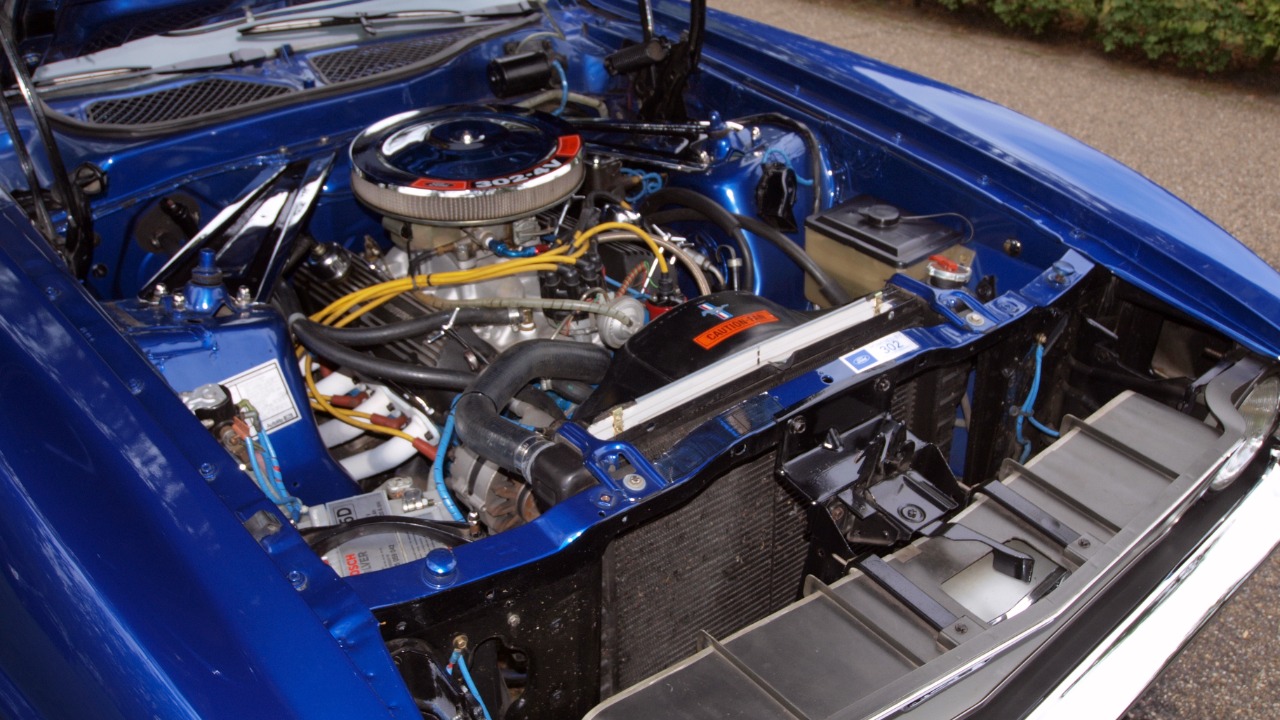
For many of us, driving a carbureted vehicle is not just about performance; it’s also about creating a connection to the past. I often recall my first car, a classic 1970 Ford Mustang, which was equipped with a four-barrel carburetor. The sound of that engine starting up brings back countless memories of summer drives with friends and weekend car shows. There’s a nostalgic attachment to the era of carburetors that resonates deeply with many drivers.
Carbureted engines symbolize a simpler time in automotive history. They represent a connection to traditional car culture, where mechanical prowess was celebrated, and cars were seen as more than just a mode of transportation. This cultural significance is evident in the vibrant communities centered around classic cars and vintage vehicles. I often find myself attending car shows, where the camaraderie among fellow enthusiasts is palpable, and the pride in our vehicles is shared.
Moreover, the sense of community surrounding carbureted engines is strong. Many enthusiasts partake in clubs and events dedicated to vintage cars, sharing stories, experiences, and tips on maintaining these classic vehicles. The social aspect of this community fosters lasting friendships and bonds over our shared passion for carburetors and the unique driving experiences they offer.
Driving Experience
One of the most compelling arguments for maintaining a carbureted engine is the driving experience itself. Many drivers, myself included, appreciate the immediate throttle response that carbureted engines provide. This responsiveness enhances the overall driving experience, making it feel more engaging and connected to the road. When I press the accelerator, I want to feel the car react immediately, and carburetors deliver that thrill in a way that many fuel-injected systems struggle to replicate.
Furthermore, the unique sound and mechanical feel of a carbureted engine can be exhilarating. The deep rumble of a V8 with a well-tuned carburetor is music to my ears, creating an emotional connection between driver and machine. It’s a visceral experience that often gets lost in the sterile nature of modern fuel injection systems. The sound of the engine revving up, combined with the mechanical feedback through the pedals and steering wheel, creates a symphony that is both thrilling and nostalgic.
Customization potential is another reason many enthusiasts cling to carburetors. The ability to swap out components and modify the engine for performance is often more accessible with carbureted systems. For instance, I can easily change jets, install performance intakes, or upgrade to a more efficient carburetor model without dealing with complex electronic systems. This hands-on approach allows me to create a truly unique driving experience tailored to my preferences.
Performance Perceptions
When discussing performance, many drivers still believe that carbureted engines offer superior tuning and adjustability. This is particularly true in racing or off-road applications, where precise adjustments can mean the difference between winning and losing. I often hear stories from fellow racers who swear by their carbureted setups, claiming that they can make quick adjustments on the fly, optimizing performance without the need for a laptop or complex software. These hands-on adjustments resonate with those of us who appreciate the art of tuning.
There are also persistent myths about the fuel efficiency of carbureted engines versus fuel injectors. Some drivers, including myself, remain skeptical of the claims that fuel injection systems are always more economical. I’ve had experiences where my carbureted vehicles achieved respectable fuel economy, especially on long highway drives. These myths often lead some enthusiasts to stick with what they believe to be more economical, and discussions on forums like Reddit are filled with spirited debates over this very topic.
Finally, many enthusiasts contend that carbureted engines can perform better in extreme conditions, such as high altitudes or off-road environments. In these scenarios, the simplicity of carburetor tuning allows for quick adjustments to accommodate changing air density or terrain. I’ve experienced this firsthand while off-roading in the Rocky Mountains, where my carbureted engine maintained performance levels that fuel-injected engines struggled to match. This adaptability is a crucial factor for many drivers who frequently venture into challenging environments.
Resistance to Change
For some drivers, the thought of switching to fuel injection can be daunting. The fear of the unknown often plays a significant role in their decision to stick with carbureted engines. After spending years mastering carburetor tuning and maintenance, the idea of learning a new system can be intimidating. I know several enthusiasts who have invested countless hours into understanding their carbureted setups, and the prospect of starting from scratch with fuel injection is something they’re not willing to entertain.
Additionally, a general skepticism towards newer technologies can lead some drivers to cling to what they know. The belief that carburetors are tried and true often reinforces their commitment to these traditional systems. For many, the simplicity and reliability of a carbureted engine outweigh the potential benefits of modern fuel injection. I’ve seen this skepticism in discussions within the community, where older drivers often share stories of their experiences with carburetors and express doubts about the new technology.
The value of heritage also plays a crucial role in this resistance to change. Many enthusiasts believe that classic cars hold more intrinsic value when they retain their original components, including carbureted engines. This sentiment is especially prevalent among collectors, who often prioritize authenticity over performance enhancements. The pride in owning a piece of automotive history often outweighs the allure of modern technology.
Community and Information Sources
The strong community surrounding carbureted engines is one of the driving forces behind their continued popularity. Online forums and social media groups provide a platform for active discussions about carburetors, where enthusiasts share tips, experiences, and advice. For instance, I often find valuable insights in groups like the Dual Sport Motorcycle Riders, where members celebrate their carbureted machines and offer support to those looking to maintain or restore their vehicles.
Educational resources, including videos and articles dedicated to carbureted engines, empower enthusiasts to dive deeper into the mechanics of their vehicles. Platforms like YouTube have countless tutorials, such as this comprehensive guide on tuning carburetors: YouTube Tuning Guide. These resources are invaluable for those wanting to learn more about their engines, troubleshoot issues, or even undertake restoration projects.
Peer influence also plays a pivotal role in shaping a driver’s decision to stick with carburetors. The opinions and experiences of fellow car enthusiasts often validate our choices, reinforcing the idea that carbureted engines are still relevant and enjoyable. Whether it’s through discussions at car shows or online interactions, the shared experiences create a sense of belonging and pride within the community, ensuring that the passion for carbureted engines continues to thrive.
More from Fast Lane Only
- Unboxing the WWII Jeep in a Crate
- 15 rare Chevys collectors are quietly buying
- 10 underrated V8s still worth hunting down
- Police notice this before you even roll window down
*Research for this article included AI assistance, with all final content reviewed by human editors.