Modern cars are packed with technology that quietly watches the road, steadies the steering wheel, and even hits the brakes faster than most humans can react. Yet a growing share of drivers are reaching for the off switch, only to discover later that the feature they silenced might have been the one that prevented a crash. Regret often arrives after a near miss or collision, when the tradeoff between comfort and protection suddenly looks very different.
At the heart of that regret is a simple tension: drivers want control and calm cabins, but the safest systems are often the ones that beep, flash and nudge at precisely the moments people least want to be told what to do. As evidence mounts that these technologies reduce crashes and injuries, the decision to disable them is starting to look less like a matter of taste and more like a high‑stakes safety gamble.
The hidden value of a feature many drivers silence
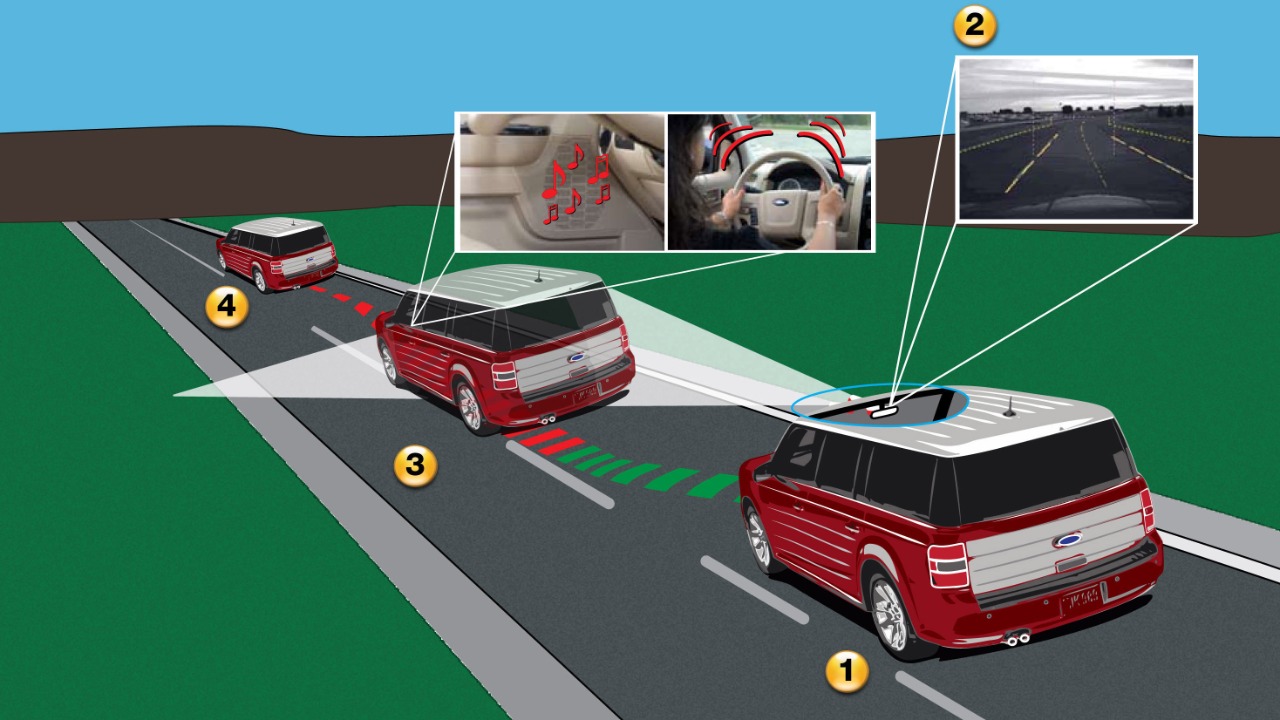
Among the long list of driver aids, lane keeping assistance and lane departure warning are quietly becoming the most controversial. These systems use cameras to read road markings and either warn the driver or gently steer the car back if it begins to drift. Some versions are subtle, while others, particularly on compact SUVs such as the Vauxhall Mokka E, can feel as if the car is fighting the driver on narrow country lanes or during precise manoeuvres. That sense of interference is one reason a noticeable share of motorists report turning lane support off as soon as they start the car.
Still, the safety case for lane support is strong. Analyses from organisations such as the Insurance Institute show that systems which keep vehicles in their lane can sharply cut sideswipe and run‑off‑road crashes, which are among the most lethal collision types. Independent crash testers including ANCAP programs now treat lane support as a core element of a five‑star rating, precisely because unintentional lane departures so often precede serious injuries or deaths. When drivers later look back on a crash that began with a momentary drift, many realise that the feature they once dismissed as nagging was designed for exactly that scenario.
Why drivers are switching off life‑saving tech
Surveys consistently show that annoyance, not ideology, is the main reason drivers disable safety technology. Research into advanced driver assistance has found that alerts which feel too frequent or too sensitive quickly erode trust, especially when they trigger in heavy traffic or on poorly marked roads. In one analysis of comfort‑oriented features, respondents said they were most likely to disable systems that interfered with how they preferred to accelerate, brake or steer, reinforcing the idea that people value what one study called control over convenience when technology feels intrusive.
Insurance data paints a similar picture. An assessment that drew on crash records from the Insurance Institute for Highway Safety and the Highway Loss Data Institute, cited by Erie Insurance, reported that some newer car features were being turned off not because drivers doubted their effectiveness, but because the alerts were irritating. That analysis highlighted that lane keeping assist and similar interventions were frequently disabled, with some owners telling Erie Insurance they shut lane assist down because it was annoying. When a system constantly vibrates the steering wheel or flashes warnings in dense urban traffic, the temptation to silence it can be strong, even if the same feature might be invaluable on a dark highway later that night.
The safety record drivers rarely see
From a safety researcher’s perspective, the decision to turn off driver assistance sits awkwardly next to another statistic: More than 90 percent of automobile crashes are attributed to human error. People are remarkably confident in their own skills, yet the data on distraction, fatigue and misjudgment suggests that even experienced drivers benefit from an electronic second pair of eyes. The same logic that once justified mandatory front airbags, which have saved lives since before they became standard on all new cars in 1998, now underpins newer aids that monitor lanes and closing speeds. Advocates argue that, just as seatbelts and airbags transformed survival rates, today’s assistance packages can deliver their full benefit only if motorists leave them engaged.
Crash‑test and insurance laboratories have been steadily quantifying those benefits. The Insurance Institute for Highway Safety has documented reductions in certain crash types when features such as automatic emergency braking and lane keeping are active, and these findings influence safety ratings and insurance premiums. A separate analysis of driver satisfaction found that when systems are tuned to be less intrusive, drivers are more likely to leave them activated. The paradox is that the same audible and tactile warnings that save lives in edge cases are the ones most likely to be muted during ordinary commutes.
When “annoying” becomes dangerous
The friction between drivers and their digital co‑pilots is not just theoretical. Consumer technology studies have found that overall satisfaction with new‑vehicle systems varies widely, and that one of the recurring complaints is that safety features feel like scolding rather than support. In one Tech Experience Index Study, respondents described certain lane and collision warnings as bothersome, saying the systems made them feel as if they were constantly being corrected. That frustration has led a segment of owners to disable features they see as nagging, a trend echoed in coverage of drivers turning off what they label annoying or bothersome systems.
Some of the very systems that top the annoyance list also have the clearest safety benefits. Analyses of driver‑assist technology have noted that some advanced systems can intervene via steering or braking input to help keep the vehicle in its lane, and that these interventions can prevent crashes that would otherwise occur when a driver is distracted or drowsy. The IIHS has reported that such lane support can reduce certain types of collisions, a finding echoed in coverage of driver‑assist features that are most often switched off. When a driver later experiences a sideswipe or drifts into a barrier, the realization that an automated steering correction might have intervened can lead to regret.
From regret to smarter design and better habits
Regret is a recurring theme in safety culture. Commentators on industrial risk have long observed that, in safety, regret often arrives after an incident, after an injury, a fire, or a near miss, when the solution that once seemed optional suddenly looks obvious. That pattern is starting to appear on the road as well, as drivers who have experienced close calls rethink their relationship with driver assistance. One blog on workplace risk described how hindsight makes simple precautions feel like common sense, a sentiment mirrored in reflections on regret after the fact.
For carmakers and regulators, that emotional arc is a design challenge as much as a moral one. If drivers are silencing features that demonstrably reduce harm, then the systems themselves may need to communicate differently, with fewer false alarms and more intuitive feedback. Road‑safety innovators are already experimenting with approaches that detect Near Miss events in traffic to guide smarter infrastructure, an idea showcased in work on Near Miss detection for Vision Zero goals. A similar philosophy could shape in‑car alerts, shifting from constant chimes to more context‑aware warnings that intervene only when the risk is genuinely rising.
More from Fast Lane Only