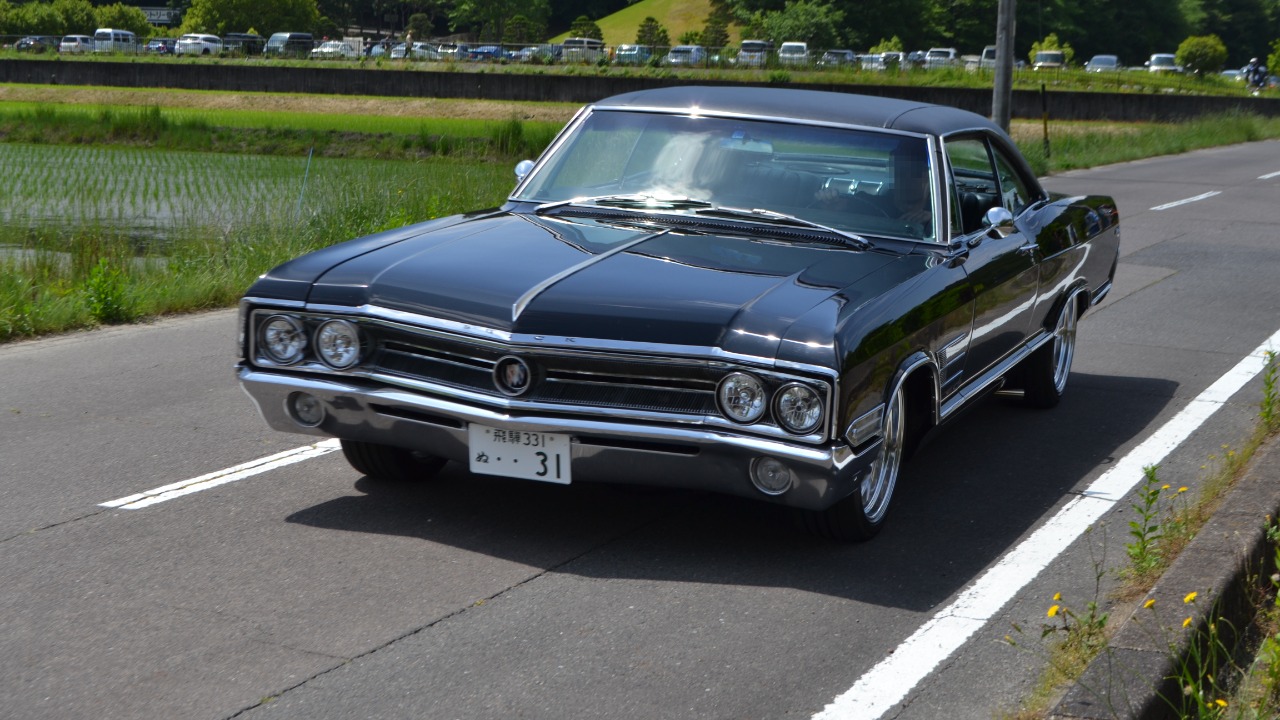
The Buick Wildcat, a name synonymous with classic American muscle and luxury, has seen a resurgence in interest. However, despite its rich history and impressive specifications, many potential buyers remain hesitant. This article delves into the reasons behind the reluctance to embrace this iconic vehicle.
Brand Perception and Legacy
Buick has long battled a reputation that many would consider outdated, often being pigeonholed as a manufacturer of “grandma’s cars.” This long-standing image has proven difficult to shake, especially among younger consumers who equate the brand with a certain level of conservatism in design and performance. The perception that Buicks are primarily targeted toward older demographics can deter younger buyers seeking vehicles that represent a more youthful, spirited lifestyle.
Buick’s market positioning further complicates its appeal. As a division of General Motors, it occupies a unique space that straddles luxury and mainstream, but it often gets overlooked in favor of more prestigious brands. While brands like BMW and Audi attract buyers with their sleek designs and high-performance offerings, Buick struggles to convey a similar message that resonates with the younger generation. For many, the allure of the Buick Wildcat is overshadowed by the more aggressive branding of competitors.
Emotional connection plays a significant role in car purchasing decisions. While the Wildcat boasts a storied history and impressive specifications, it often lacks the emotional appeal that other muscle cars or luxury vehicles evoke. Brands such as Ford with its Mustang or Chevrolet with its Camaro have cultivated a passionate following, often through nostalgia and strong community ties. The Wildcat, while iconic in its own right, needs a more robust narrative to engage potential buyers on an emotional level.
Performance Concerns
Performance is a critical factor for many prospective buyers, and here, the Buick Wildcat faces some challenges. The vehicle offers a range of engine options, including a powerful 6.2-liter V8 that delivers impressive horsepower. However, when compared to competitors like the Dodge Charger or Ford Mustang, the Wildcat’s performance specifications can sometimes fall short. Real-world driving experiences often reveal that while the Wildcat is no slouch, it may not provide the exhilarating acceleration or handling found in its more performance-oriented rivals.
Consumer feedback on the driving experience of the Wildcat has been mixed. While some appreciate its smooth ride and comfortable interior, others have voiced concerns about its handling and responsiveness. Enthusiasts often seek cars that deliver an engaging driving experience, and the Wildcat has not consistently met those expectations. The lack of a strong enthusiast community around the Wildcat further compounds these issues. Unlike the Mustang or Camaro, which have dedicated fan bases that actively participate in car shows, forums, and clubs, the Wildcat’s community is relatively sparse, making it less appealing for those looking for a shared passion.
Design and Aesthetics
The design of the Buick Wildcat is one of its strong points, yet it can also be a double-edged sword. While the car embraces classic styling cues that pay homage to its heritage, these design elements may not resonate with modern tastes. Younger buyers often gravitate towards vehicles with aggressive lines and futuristic designs, which can leave the Wildcat feeling somewhat dated. For example, when compared to the striking aesthetics of the Tesla Model 3 or the sleek profile of the Audi A5, the Wildcat’s visual appeal may not capture the attention of design-conscious consumers.
Customization options are another area where the Wildcat could improve. Modern car buyers often seek vehicles that allow for personalization, whether through color choices, trim levels, or aftermarket modifications. While Buick does offer some customization options, they may not be as extensive as those found with competitors like Ford, which has a rich history of offering a variety of trims and packages for the Mustang. The inability to easily tailor the Wildcat to individual preferences can deter buyers looking to express their unique style.
Technological Features
In today’s automotive landscape, technology plays a pivotal role in consumer decision-making. The Buick Wildcat is equipped with a range of features, including an infotainment system that integrates with Apple CarPlay and Android Auto. However, when compared to competitors such as the Honda Accord or the Tesla Model 3, the Wildcat’s technology offerings may feel lacking. For instance, while the Wildcat’s infotainment system is user-friendly, it doesn’t offer the same level of sophistication or responsiveness found in more tech-forward vehicles.
Safety features are another important consideration for potential buyers. While the Wildcat does come equipped with a variety of safety technologies, such as lane-keeping assist and adaptive cruise control, it may not achieve the same high safety ratings as competitors. Many consumers prioritize safety, especially younger families or individuals who frequently transport loved ones. If the Wildcat cannot communicate a clear commitment to safety, it risks losing out on a critical segment of the market.
Additionally, the lack of advanced connectivity options may deter tech-savvy consumers who expect seamless integration with their digital lives. Many modern vehicles come equipped with advanced features like over-the-air updates, wireless charging, and extensive smartphone integration. If the Wildcat cannot compete on these fronts, it risks losing appeal to a generation that prioritizes connectivity and tech integration.
Pricing and Value Proposition
Pricing is a fundamental aspect of any vehicle’s appeal, and it’s essential to consider how the Buick Wildcat stacks up against similar vehicles. While the Wildcat offers competitive pricing, buyers often compare it to other models within the same segment. For instance, when pitted against the Ford Mustang or Chevrolet Camaro, the Wildcat may be perceived as slightly less valuable due to its brand image and performance specifications. In a market saturated with options, buyers are likely to gravitate toward vehicles that they perceive as offering the best overall value.
Concerns about resale value also loom large for potential buyers. The Buick nameplate has historically experienced higher depreciation rates compared to its competitors, which can make the Wildcat a less attractive investment in the eyes of consumers. Many buyers consider long-term value retention when making a purchase, and if the Wildcat cannot demonstrate a strong resale value, it may be overlooked in favor of vehicles with better track records.
Incentives and financing options can also influence purchase decisions. Buick has occasionally offered attractive financing deals or cash-back incentives, but they may not be as aggressive as those from competitors. Buyers are often swayed by attractive financing options that make a vehicle more accessible, and if the Wildcat fails to deliver in this regard, it risks losing potential sales.
Consumer Trends and Preferences
Current consumer trends indicate a significant shift toward SUVs and crossovers, which has impacted sedan sales, including the Wildcat. With the increasing popularity of models like the Honda CR-V and Toyota RAV4, many buyers are opting for vehicles that offer more space, versatility, and a commanding driving position. This trend has left traditional sedans struggling to maintain their market share, and the Wildcat is no exception. The allure of a muscle car may not be enough to entice buyers when they have the option of a practical and family-friendly SUV.
Additionally, the rising interest in eco-friendly alternatives, such as electric vehicles and hybrids, poses a challenge for traditional muscle cars. Buyers are increasingly seeking vehicles that align with their values around sustainability and environmental responsibility. The Wildcat, with its traditional gasoline engines, may not appeal to this growing demographic. Brands like Tesla and Ford, with their electric offerings, are capturing the attention of consumers who prioritize eco-consciousness in their purchasing decisions.
Lastly, understanding the demographics of potential buyers is crucial for the Wildcat’s future success. The target audience for the Wildcat may not align well with current market trends. Younger consumers who are shaping the future of the automotive market are often more inclined to choose vehicles that reflect their lifestyle choices, including environmental impact and technology integration. If the Wildcat cannot pivot to meet the evolving preferences of these buyers, it risks becoming obsolete in an increasingly competitive industry.
More from Fast Lane Only
- Unboxing the WWII Jeep in a Crate
- 15 rare Chevys collectors are quietly buying
- 10 underrated V8s still worth hunting down
- Police notice this before you even roll window down
*Research for this article included AI assistance, with all final content reviewed by human editors.