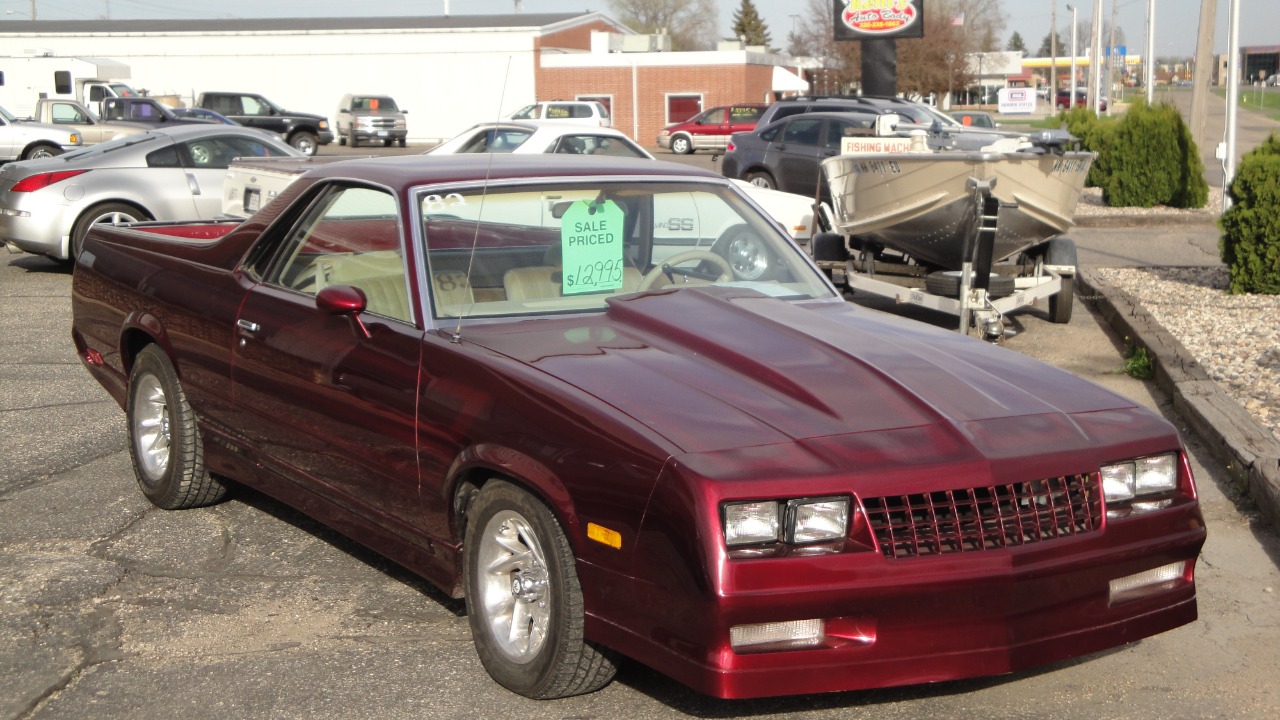
The Chevrolet El Camino has long captured the hearts of automotive enthusiasts as a unique blend of car and truck. However, despite its iconic status, many potential buyers still hesitate to make this classic their own. Understanding the reasons behind this reluctance can shed light on the complex relationship between consumers and a beloved vehicle.
Historical Significance of the El Camino
The Chevrolet El Camino first hit the market in 1959, designed as a response to the growing demand for versatile vehicles that could serve multiple purposes. Combining the aesthetics of a sedan with the utility of a pickup, the El Camino carved out a niche for itself in the automotive landscape. Over the years, its design evolved, with notable production periods in the 1960s and 1970s, where it became a symbol of American muscle and style. Nostalgia plays a critical role in how potential buyers perceive the El Camino today, as many remember the classic models fondly from their youth. This emotional connection often drives discussions around the vehicle, reinforcing its status as a classic car.
The El Camino’s legacy is not just limited to its performance or design; it’s deeply infused in popular culture. Films and television shows, such as “Breaking Bad,” have featured the El Camino prominently, further cementing its iconic status. These cultural representations often influence modern buyers’ perceptions and can create an allure that may not be matched by newer vehicles. As such, while nostalgia might draw some to consider the El Camino, it can also create unrealistic expectations regarding performance and reliability compared to contemporary vehicles.
Market Competition and Alternatives
In today’s automotive market, competition is fierce. Models like the Ford Maverick and various compact SUVs offer similar functionality to the El Camino, but with modern amenities and fuel efficiency that today’s buyers often prioritize. The Maverick, for instance, has quickly gained popularity for its affordability and fuel efficiency, boasting an estimated 40 miles per gallon in its hybrid variant. As fuel prices continue to fluctuate, many drivers are gravitating towards vehicles that promise economic and environmental benefits, steering them away from traditional muscle cars.
The rise of compact trucks, such as the Hyundai Santa Cruz, has also contributed to the El Camino’s decline in desirability. These vehicles appeal to a new generation of drivers who want the utility of a truck without sacrificing the comfort and handling of a car. The shift in consumer preferences towards practicality and fuel efficiency means that the El Camino, with its vintage design and performance characteristics, may not be able to compete effectively in the current market landscape.
Perceptions of Performance and Reliability
One of the primary concerns potential buyers have regarding the El Camino is its performance capabilities compared to modern vehicles. While the El Camino was known for its robust engines and muscle car heritage, many contemporary drivers expect superior handling, acceleration, and technology integration. The fact that the El Camino’s last model was produced in the early 1980s means that its performance metrics may feel outdated to those accustomed to the efficiency and power of today’s vehicles.
Reliability is another significant factor influencing buyers’ decisions. Older models, especially those that have not been well-maintained, can pose substantial reliability issues. This concern is compounded by the fact that many El Caminos on the market are used vehicles, which often come with hidden maintenance costs. Buyers may hesitate to invest in a classic car that could potentially require expensive repairs or frequent trips to the mechanic. The sentiment around value for money is critical; many consumers are looking for vehicles that not only perform well but also meet contemporary standards of reliability and efficiency.
Cost Factors and Ownership Experience
When considering the purchase of a Chevrolet El Camino, potential buyers must also take into account the various costs associated with ownership. Maintenance and repair costs can be significant, particularly for older models that may require specialized parts or labor. Additionally, insurance rates for classic cars can vary widely, often influenced by factors such as the driver’s age, location, and driving history. This unpredictability can deter potential buyers who are looking for more straightforward ownership experiences.
Fuel efficiency is another area where the El Camino struggles to compete with modern vehicles. For example, while some newer trucks and SUVs may offer hybrid options that improve fuel economy, the El Camino’s traditional gas engines are less efficient. This discrepancy not only affects the cost of day-to-day driving but also plays into perceptions of the vehicle’s overall value. Furthermore, resale value can be a concern; as classic cars age, they can depreciate if not properly maintained, leading many to question whether an investment in an El Camino will yield returns in the long run. Restoration costs for vintage models can also be steep, as sourcing original parts becomes increasingly difficult.
Personal and Lifestyle Considerations
Beyond financial factors, personal and lifestyle considerations play a crucial role in vehicle choice. For many potential buyers, family size and daily driving requirements significantly influence their decisions. An El Camino might not be practical for a family with multiple children needing space for car seats and cargo. As such, buyers may opt for larger SUVs or minivans that better accommodate their lifestyle needs.
The balance between practicality and emotional appeal is delicate. While the El Camino has a strong emotional draw for car enthusiasts, those who prioritize daily functionality may find it lacking. Additionally, social perceptions and peer influence can shape buyer attitudes towards the El Camino. In a world where social media and images of modern vehicles dominate, some may feel pressured to choose vehicles that conform to current trends rather than indulging in personal nostalgia.
Future Prospects for the El Camino
Looking ahead, discussions surrounding the potential re-releases or redesigns of the El Camino could reignite consumer interest. There have been ongoing conversations about whether Chevrolet should bring back the El Camino, particularly in light of the growing market for compact trucks. The possibility of a modern El Camino that combines classic styling with contemporary technology and efficiency is an enticing prospect for many enthusiasts. Such a vehicle could address current consumer demands while staying true to the El Camino’s heritage.
Market trends suggest that there could be a resurgence of interest in classic vehicles, especially as the automotive industry shifts toward electric and hybrid options. A modern El Camino designed with these considerations in mind could tap into both nostalgia and innovation. By embracing electric powertrains and advanced technology, Chevrolet could appeal to a new generation of drivers looking for a vehicle that’s both practical and steeped in history.
The El Camino’s unique place in the evolving automotive landscape presents opportunities and challenges. While it faces stiff competition from modern vehicles, the blend of nostalgia and innovation could provide a pathway to revitalizing interest in this classic. If Chevrolet can successfully navigate these trends, the El Camino may yet find a new audience willing to embrace its legacy.
More from Fast Lane Only
- Unboxing the WWII Jeep in a Crate
- 15 rare Chevys collectors are quietly buying
- 10 underrated V8s still worth hunting down
- Police notice this before you even roll window down
*Research for this article included AI assistance, with all final content reviewed by human editors.