The Pontiac Trans Am, an iconic muscle car with a storied history, continues to capture the imagination of automotive enthusiasts. However, despite its allure, some drivers remain hesitant to make the purchase. This article explores the reasons behind this reluctance.
Historical Context of the Pontiac Trans Am
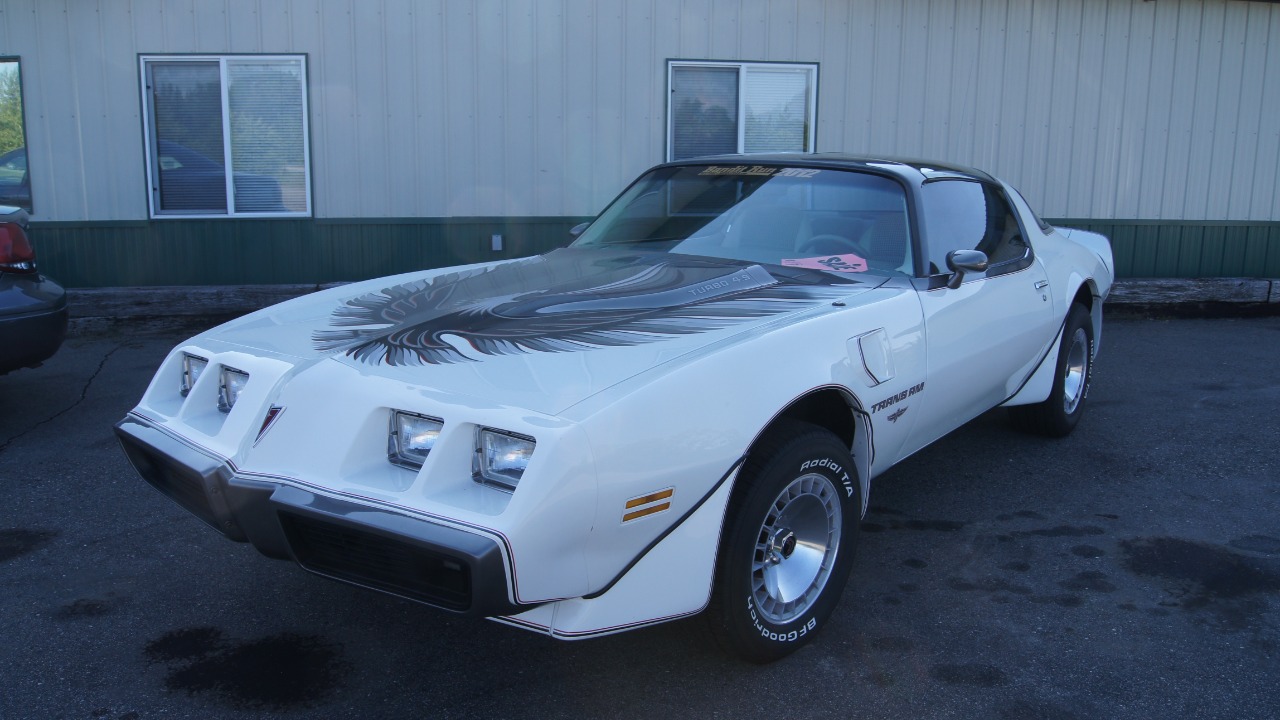
The Pontiac Trans Am first gained prominence in the 1970s and 1980s, becoming a symbol of American muscle and performance. With its sleek design and powerful engines, the Trans Am carved out a niche in popular culture, appearing in films like “Smokey and the Bandit.” The car’s distinctive features, such as the iconic firebird emblem and hood scoops, contributed to its legendary status among car enthusiasts.
However, the discontinuation of the Pontiac brand in 2010 significantly altered consumer perceptions. Without new models being produced, the Trans Am became a relic of the past, and nostalgia played a crucial role in its appeal. Many potential buyers find themselves torn between the allure of a classic vehicle and the modernity of contemporary cars. While the Trans Am evokes fond memories for some, others question whether it can truly compete in today’s automotive landscape.
Performance and Reliability Concerns
When considering performance, the Pontiac Trans Am does have a strong legacy, particularly in models like the 1978 Trans Am with its 6.6-liter V8 engine, boasting impressive horsepower. However, when compared to contemporary muscle cars like the Ford Mustang GT or Chevrolet Camaro, which offer advanced technology, improved aerodynamics, and superior handling, the Trans Am may fall short. Enthusiasts often cite that while the Trans Am was a powerhouse in its day, modern vehicles provide a level of performance that the older models struggle to match.
Reliability is another critical factor that potential buyers consider. Many older Trans Am models, particularly those from the 1970s and 1980s, are known for specific reliability issues, such as problems with the ignition system and overheating engines. The cost of maintenance and repairs can be high, especially for cars that are no longer in production. Finding replacement parts can be a challenge, and the expense of keeping a classic car running smoothly often deters buyers who may not be prepared for ongoing upkeep.
Fuel Economy and Environmental Impact
Fuel economy is a significant consideration for modern car buyers, and the Pontiac Trans Am does not shine in this department. For instance, the 1980 Trans Am with the 4.9-liter V8 engine achieved only about 15 miles per gallon in the city and 21 on the highway. In contrast, newer models like the 2021 Mustang EcoBoost can deliver up to 24 mpg in the city and 32 on the highway. As consumers become more environmentally conscious, the Trans Am’s fuel-guzzling reputation becomes a liability.
With rising fuel prices and growing awareness of climate change, the appeal of gas-guzzlers like the Trans Am is waning. Many drivers now prioritize eco-friendliness and efficiency in their purchasing decisions. The automotive industry is shifting toward electric and hybrid vehicles, creating a market where performance and low emissions go hand in hand. The Trans Am, with its emphasis on raw power, doesn’t align with these changing values.
Market Trends and Availability
The automotive market is witnessing significant changes, particularly with the rise of electric vehicles (EVs). Companies like Tesla have disrupted traditional automotive sales, and manufacturers are increasingly investing in hybrid and fully electric models. This shift has left muscle cars like the Pontiac Trans Am struggling to find their place in a rapidly evolving market. The limited availability of new Pontiac models, combined with the growing interest in environmentally friendly options, has resulted in declining sales for traditional muscle cars.
The used car market presents its own set of challenges. While some classic Trans Ams have seen a rise in value among collectors, the average buyer may find it difficult to justify the price for a vehicle that requires extensive care and maintenance. Current pricing trends indicate that many used models, particularly those in good condition, can command high prices. For potential buyers, the perception of value becomes crucial. They may question whether investing in a classic muscle car is worth the potential headaches associated with ownership.
Cultural Perceptions and Stereotypes
The cultural image of the Pontiac Trans Am is deeply rooted in its history, often associated with a specific demographic of older car enthusiasts. This association can create a barrier for younger buyers who may view the Trans Am as a relic of a bygone era, more suited to nostalgia than practicality. The modern consumer seeks vehicles that reflect their values and lifestyle, and the Trans Am may not fit that mold. As younger generations prioritize practicality and technology over pure muscle, the appeal of the Trans Am diminishes.
Moreover, societal values have shifted towards sustainability and practicality in car ownership. The stigma associated with owning a classic muscle car, particularly in urban settings where parking and emissions regulations are increasingly stringent, can deter potential buyers. Individuals seeking functionality and efficiency may shy away from a vehicle that requires a commitment to maintenance and care, preferring instead to invest in newer models that align with contemporary values.
Alternatives to the Pontiac Trans Am
For those considering a muscle car, there are numerous modern alternatives that provide similar performance and aesthetics without the drawbacks of classic ownership. Vehicles like the Dodge Charger and Ford Mustang offer powerful engines and advanced technology, appealing to a wide range of buyers. The 2021 Ford Mustang, for example, boasts a turbocharged four-cylinder engine that delivers impressive horsepower while maintaining better fuel efficiency than older muscle cars.
Additionally, the customization options available in contemporary vehicles appeal to a new generation of car enthusiasts. Brands like Chevrolet and Ford offer a range of features and aftermarket accessories that allow buyers to personalize their vehicles to match their style. This level of customization can be more attractive than the limited options available in classic models like the Trans Am, which may require significant investments to achieve similar personalization.
In summary, while the Pontiac Trans Am holds a special place in automotive history, its appeal is waning in the face of modern challenges. Performance and reliability concerns, coupled with changing market trends and cultural perceptions, make it a less attractive option for many drivers. As the automotive landscape evolves, potential buyers will continue to seek vehicles that align with contemporary values, comfort, and performance needs.
More from Fast Lane Only
- Unboxing the WWII Jeep in a Crate
- 15 rare Chevys collectors are quietly buying
- 10 underrated V8s still worth hunting down
- Police notice this before you even roll window down
*Research for this article included AI assistance, with all final content reviewed by human editors.